
By Armin Sijamić
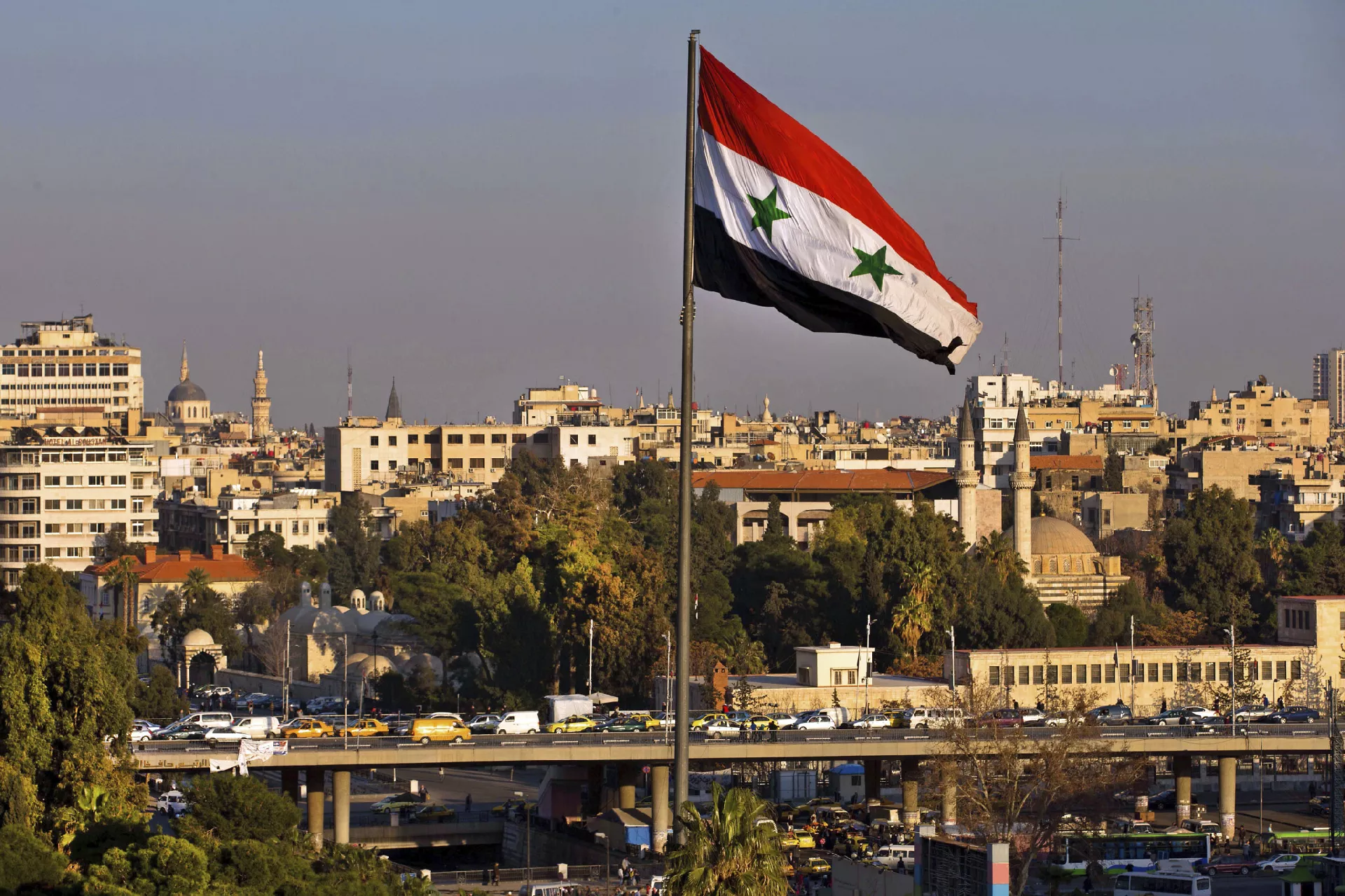
The fall of Bashar al-Assad's regime has changed the Middle East. Iran is one of the countries that has suffered a serious blow from this development. The official Tehran now needs a new policy, while rivals are profiting from the change of government in Damascus.
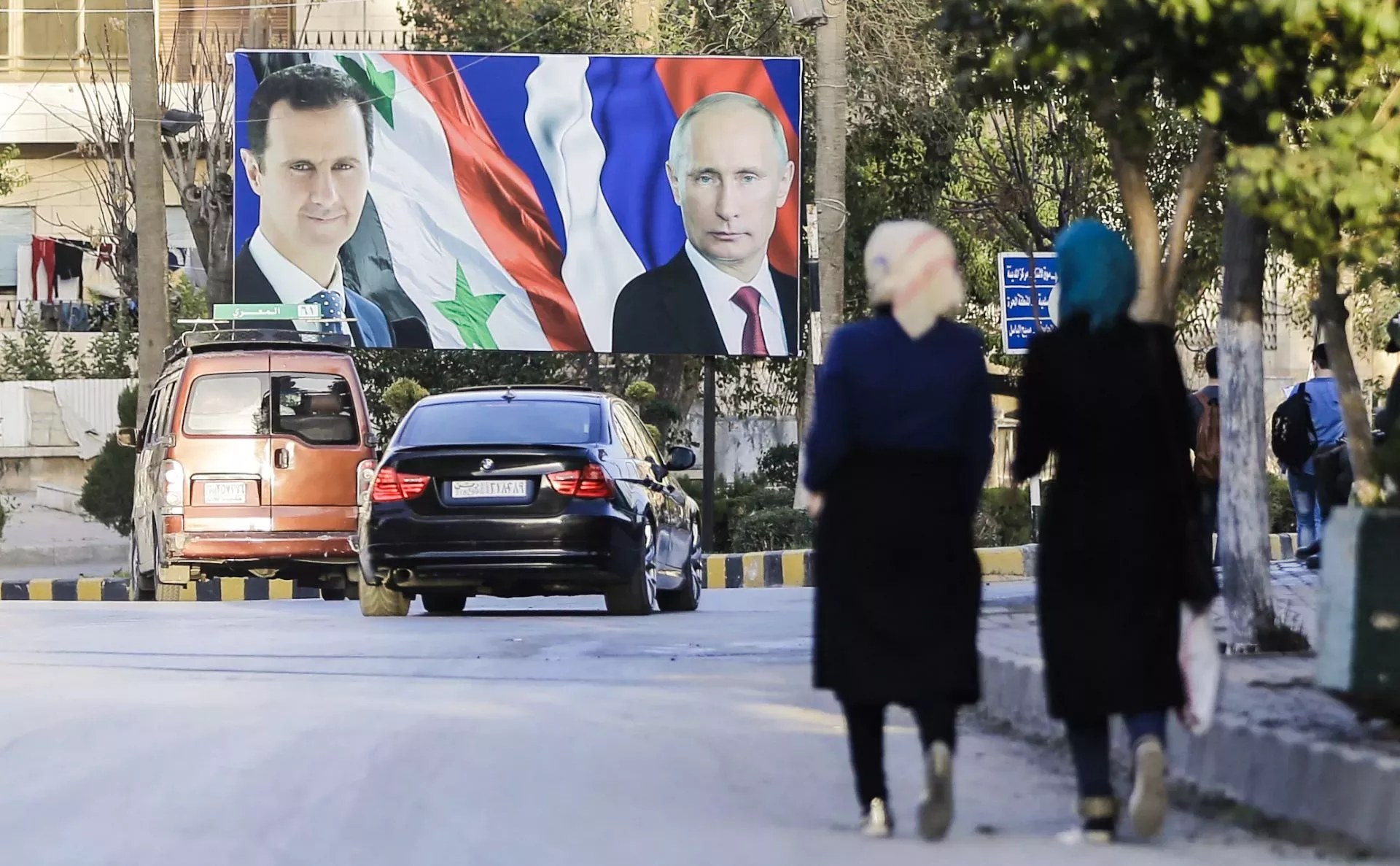
How the final weeks of Bashar al-Assad's rule unfolded remain a secret. Some blame Assad, while others blame Russia and Iran. But what is known is that Assad and Tehran had communication problems, as the Syrian leader did not agree to Iranian demands, proposals, or plans...
The media reports that Assad rejected Iranian warnings that a military operation against the Syrian army was being prepared in Idlib, that he refused to send a formal request to Tehran for military assistance, and that he had previously refused to open a front on the Israeli border to help the Lebanese Shiite Hezbollah, which had entered the war to aid the Palestinian Hamas. He allegedly forbade Hezbollah, and consequently pro-Iranian forces, from using Syrian territory in the war with Israel, fearing that Damascus would be attacked.
If any of this is true, then Iran had time to prepare for what follows Assad's refusal to remain an important link in what is called the "Axis of Resistance," which extends from Iran, Iraq, Syria, Lebanon, and Yemen. Assad's fall means the severance of the axis between the Iranian border and the Mediterranean, meaning Hezbollah is left without a land connection to its allies, as the first pro-Iranian forces remain on the Iraqi border.
New Reality
Hezbollah's supply lines have been cut on land, and the Israeli army is now behind them, reaching the top of Mount Hermon in Syria. Hezbollah is in an unenviable situation and must transform. In addition to dedicating itself to internal political affairs and gaining people's trust, it must limit its activities to Lebanon. Therefore, in addition to political survival, Hezbollah must transform into an organization that deals only with Lebanon, unless Israel and the West destroy them.
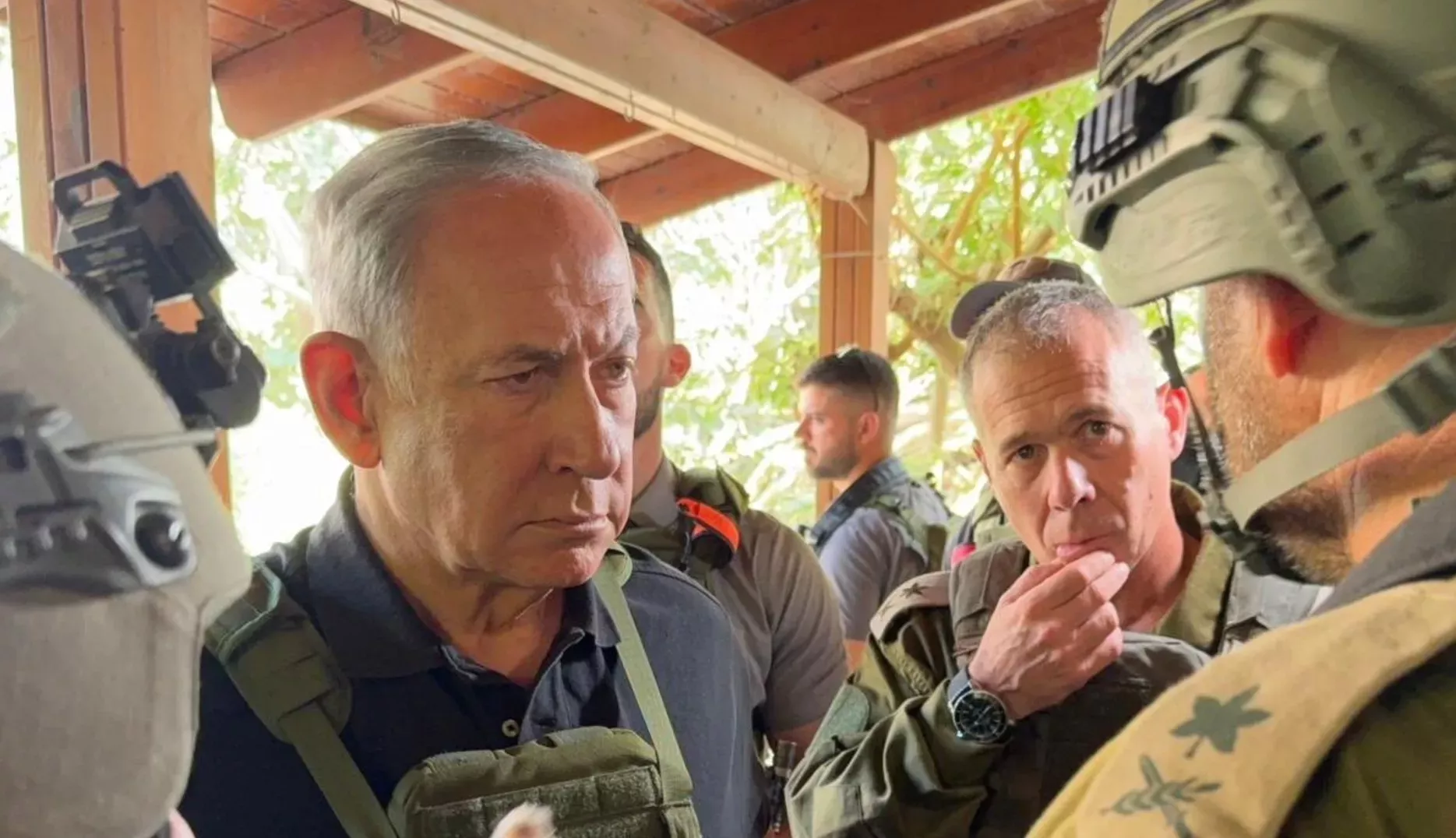
Iran must find new channels to supply Hezbollah, and there is no doubt it will do so, but it is also beyond doubt that it will not be to the same extent or as easily as it was when Assad was in power in Damascus. One of Iran's moves will be to direct Hezbollah to its own resources, which will also lead to a different stance from that group, as well as the entire "Axis of Resistance."
Iran is now distant from the northern Israeli border. Israel claimed that Iranian forces were consolidating their presence there. In addition, Iran has lost the city of Al-Bukamal, a strategically important position on the Iraqi-Syrian border, as well as its presence in Damascus, Aleppo, and on the Syrian coast. All these locations gave Iran a significant advantage over all its opponents.
Between Two Blocs
Without Damascus in its chain of allies, Tehran needs a new strategy, as it still controls three main Arab capitals (Baghdad, Sana'a, and Beirut). Since the beginning of the war in the Gaza Strip on October 7 last year, Iran has suffered major blows, but it has also achieved several important victories.
Things are different now, and Iran will change its approach, but not its policy. Unlike Russia, which has fallen out of the most important geopolitical processes in the Middle East with its defeat in Syria, Iran has remained in the game. This is also claimed by Iranian Ayatollah Ali Khamenei in his recent address.
"The greater the pressure you exert, the stronger the resistance becomes. The more crimes you commit, the more determined the resistance will be. The more you fight against it, the more it will spread," Khamenei said. Essentially, this is an appeal to the motives for which the "Axis of Resistance" was created, counting on millions of people in the Middle East to rise up due to a sense of injustice. Viewed from this perspective, Khamenei is entirely correct.
But others are also wondering and have plans. Iran must align itself with these plans. With the rise of forces from the Muslim Brotherhood movement in Damascus, three major blocs have emerged among Muslims in the Middle East. One is gathered around Turkey and Qatar, their Arab rivals around Saudi Arabia, Egypt, and the United Arab Emirates, and Tehran has the aforementioned allies.
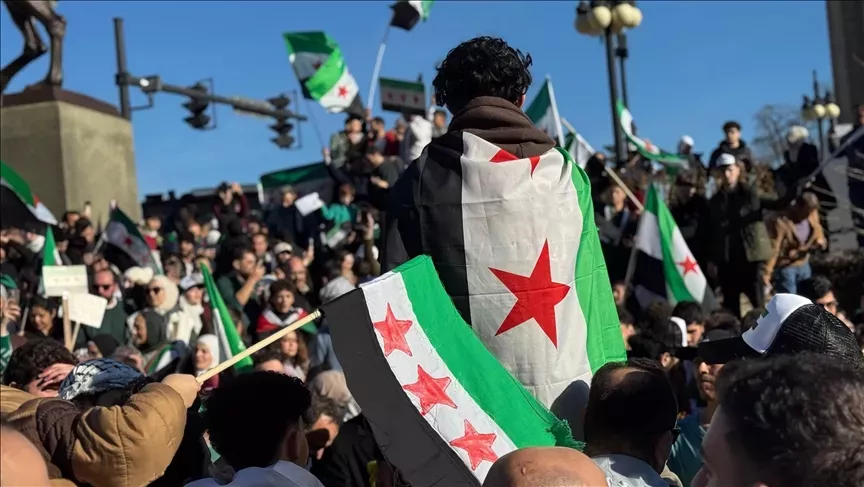
Saudi Arabia, Egypt, the United Arab Emirates, and Bahrain have declared the Muslim Brotherhood a terrorist group. Iran has not done so, and many say that this and the Iranian bloc have the potential for cooperation, as demonstrated by Tehran's relationship with Hamas. Let's mention two more examples. First, Iran and Qatar jointly manage the world's largest natural gas field, and second, Turkey has long been a window to the West for Tehran. Official Ankara has signed important trade agreements with Tehran, despite all differences.
Iran has strived to improve relations with Saudi Arabia, which has finally happened. This week, Masoud Pezeshkian was in Cairo, the first Iranian president to do so since 2013. Egyptian Foreign Minister Badr Abdelatty attended Pezeshkian's inauguration ceremony in Tehran in July 2024, and other contacts between officials of the two countries have been recorded. It is believed that the two countries will re-establish full diplomatic relations and exchange ambassadors.
Therefore, Iran finds itself between two blocs, which is becoming a classic "game theory" in which it must predict how the two blocs will behave towards them and towards each other. There is no doubt that strategists in Tehran will think about this under pressure to prevent the two blocs from coming closer and turning against Tehran, as was the case in Syria when the rebellion against Assad began.
Israel and the West
While dealing with this dilemma, Iran must also deal with its relationship with Israel and the United States, whose next presidential administration will be filled with pro-Israeli personnel. Donald Trump, who will take office in less than a month, proved to be a strong opponent of any deal with Iran in his first term if it did not include that large country submitting to Israel's interests.
It seems that a difficult period lies ahead for Tehran, compared to a few years ago. Ankara, Riyadh, Cairo, Tel Aviv, and Washington have their own plans, and some of them involve reducing Iranian influence in certain parts of the Middle East.
However, Iran has an opportunity to leave some problems to others now that Assad is no longer in Damascus. Namely, some Muslim countries have criticized Iran and its allies for dealing with the Palestinian issue and for not letting others resolve it, accusing Tehran of using it for its own interests. Now that both mentioned blocs have reached the Israeli border, Tehran has the opportunity to step aside and leave this issue to others, reducing pressure on itself from the West and the region.
In the coming period, Tehran will have to redefine its policy towards the Middle East. The defeat in Syria is an introduction to a new period for Iran, and the final outcome could be both positive and negative, depending on how Tehran positions itself and how others position themselves. One of those on whom much depends is Trump, who has proven to be an enemy of Iran, but also a person inclined to negotiate even with the greatest enemies, such as the authorities in North Korea. The Middle East has changed since Trump's first term, and Tel Aviv, Tehran, Ankara, Riyadh, and others now have a say in many matters.
Komentari (0)
Prijavite se za komentiranje
PrijavaJos nema komentara. Budite prvi!
Minuta
Sve →Iz drugih kategorija

High Representative Not Elected: Germans, French and British Sabotaged Americans, New Attempt at End of June

ČOVIĆ WITHOUT MERCY: How Those Who Brought Ademović to Office Created a Political Hell for Him



Sunny Saturday, quite warm



Tragedy in Albanian resort: Two minors drown












