
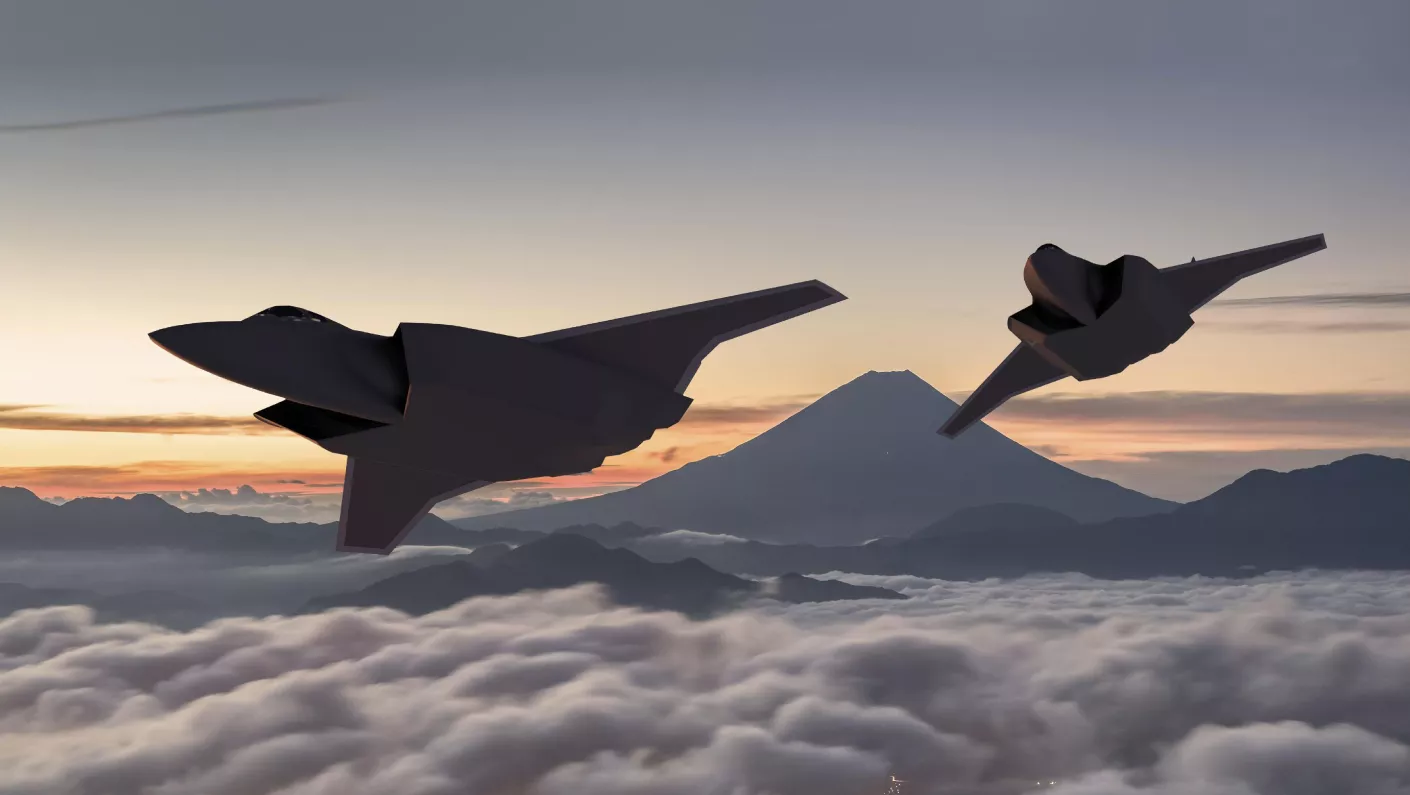
(Patria) - The Japanese government today approved a plan to sell next-generation fighter jets it is developing with the United Kingdom and Italy to other countries, in the latest departure from the country's post-war pacifist principles, AP reports.
The controversial decision to allow international arms sales is expected to help secure Japan's role in the joint fighter jet project and is part of steps to strengthen Japan's arms industry and enhance its role in global security.
The government also approved a revision of guidelines for the transfer of arms equipment and technology to allow co-produced lethal weapons to be sold to countries other than partners. Japan has long restricted arms exports under the country's pacifist constitution but has taken steps toward deregulation amid rising regional and global tensions, particularly from China.
The decision on the jets will allow Japan to export domestically produced lethal weapons for the first time. Tokyo is working with Rome and London to develop a fighter jet that will replace the aging fleet of American F-2 fighters and Eurofighter Typhoons used by the British and Italian militaries. Japan, which had previously worked on a domestic jet under the name F-X, agreed in December 2022 to join forces with the British-Italian program called Tempest for use by 2035. The joint project, known as the Global Combat Air Program or GCAP, is based in the United Kingdom.
Japan hopes the new jet will offer advanced capabilities needed amid rising tensions in the region, giving it a technological edge over China and Russia. Due to its wartime past and the devastation that followed its defeat in World War II, Japan has a constitution that limits its military to self-defense. The country has long maintained a strict policy of restricting the transfer of military equipment and technology and banning the export of lethal weapons.
Opponents have criticized Prime Minister Fumio Kishida's government for committing to the fighter jet project without providing explanations to the public or seeking approval for a major policy change. To address such concerns, the government is for now limiting exports of the developed lethal weapon to the jet and has promised that no sales will be made for use in active wars.
The government has also assured that the revised guideline currently applies only to the jet and that it will require government approval. Potential buyers will also be limited to fifteen countries with which Japan has signed defense sector partnerships and equipment transfer agreements. Recent polls show public opinion is divided over the plan.
In 2014, Japan began exporting some non-lethal military supplies, and in a move last December, it approved a change that would allow the sale of eighty lethal weapons and components produced under licenses from other countries back to the license providers. This change paved the way for Japan to sell U.S.-designed Patriot missiles to the United States, helping to replenish ammunition Washington sends to Ukraine.
The cabinet stated in its decision that a ban on exporting finished weapons would hinder efforts to develop the new jet and limit Japan to a supporting role in the project. Italy and the United Kingdom are eager to sell the jet to cover development and production costs.
Kishida sought government approval before signing the GCAP agreement in February, but it was delayed due to opposition from the smaller coalition partner, the Buddhist-backed Komeito party. This comes as Kishida plans a visit to Washington in April, where he is expected to emphasize Japan's readiness to take on a greater role in military and defense industry partnerships.
Exports would also help strengthen Japan's defense industry, which has historically served only the country's Self-Defense Forces, as Kishida seeks to bolster the military. Despite efforts over the past decade, the industry still struggles to attract customers.
Komentari (0)
Prijavite se za komentiranje
PrijavaJos nema komentara. Budite prvi!
Minuta
Sve →Iz drugih kategorija

High Representative Not Elected: Germans, French and British Sabotaged Americans, New Attempt at End of June

ČOVIĆ WITHOUT MERCY: How Those Who Brought Ademović to Office Created a Political Hell for Him



Sunny Saturday, quite warm



Tragedy in Albanian resort: Two minors drown












