
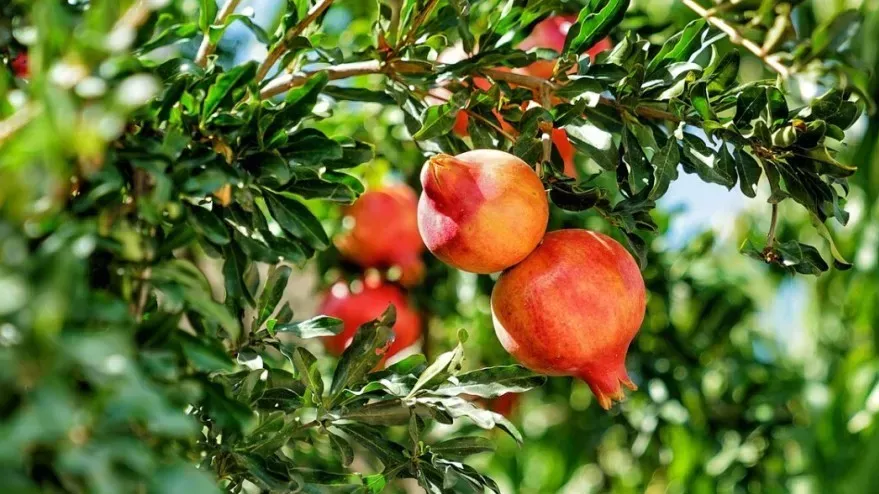
(Patria) - Pomegranate, one of the most delicious gifts of the Mediterranean, is a highly sought-after fruit in other, continental regions as well.
The pomegranate fruit contains a lot of vitamin C: 100 grams of this fruit contains 15 percent of the daily needs of adults for this vitamin. At the same time, this fruit is an excellent source of pantothenic acid (vitamin B5), potassium, and polyphenols (antioxidants).
Consuming pomegranate or its juice (but naturally squeezed, not industrially produced) reduces the possibility of cardiovascular disease. If only 50 grams of pomegranate is eaten daily or juice in that amount is drunk, high blood pressure can be normalized within a year (pomegranate reduces blood pressure by up to 20 percent).
Therefore, this fruit is recommended in the diet for people with hypertension, but only for individuals not undergoing therapy. Caution is necessary for patients undergoing therapy, as pomegranate cannot replace medication prescribed by a doctor.
This uniquely shaped fruit originates from the soil of present-day Iran and Iraq, the former Persia. From there, it spread to the Caucasus region and further towards Asia, and then throughout Europe and America. The pomegranate season in the Mediterranean lasts from September to February, which is when it is most abundant in our stores. The caloric value of pomegranate is 83 calories per 100 grams, and as much as 16 percent are dietary fibers. In addition to potassium, which it is rich in (236 milligrams per 100 grams), pomegranate also contains other minerals: phosphorus, magnesium, calcium, iron, zinc, copper, and manganese.
In folk medicine around the world, pomegranate is used to alleviate various conditions, from diarrhea, bleeding gums, against hemorrhoids, acne, and cataracts. Although in many cultures around the world it is associated with fertility, it is interesting that Indians used parts of the pomegranate fruit as a contraceptive, reports Politikin magazin.
How to peel a pomegranate
Today, it is used to reduce the risk of heart and vascular diseases (atherosclerosis), hypertension, and the juice also has certain antibacterial properties. It reduces the risk of cancer, especially prostate and breast cancer, lowers bad cholesterol, and fights free radicals (protects cells).
It starts by cutting off the "crown". Cuts are made along the peel, just as an orange is cut, but so that the peel remains intact. Then, the pomegranate is submerged in a bowl of water and left there for about ten minutes. While the pomegranate is in the bowl, break the peel along the cuts that were made and pour the seeds into the bowl. They will sink to the bottom. Using a spoon or another suitable tool, remove the peel from the bowl and strain the seeds using a colander.
Komentari (0)
Prijavite se za komentiranje
PrijavaJos nema komentara. Budite prvi!
Minuta
Sve →Iz drugih kategorija

High Representative Not Elected: Germans, French and British Sabotaged Americans, New Attempt at End of June

ČOVIĆ WITHOUT MERCY: How Those Who Brought Ademović to Office Created a Political Hell for Him



Sunny Saturday, quite warm



Tragedy in Albanian resort: Two minors drown












