
(Patria) - Since the end of 2024, inflation has been rising again, reaching 3.7 percent in May 2025, mainly due to higher food prices. This is the conclusion of the IMF Mission after its visit to BiH.
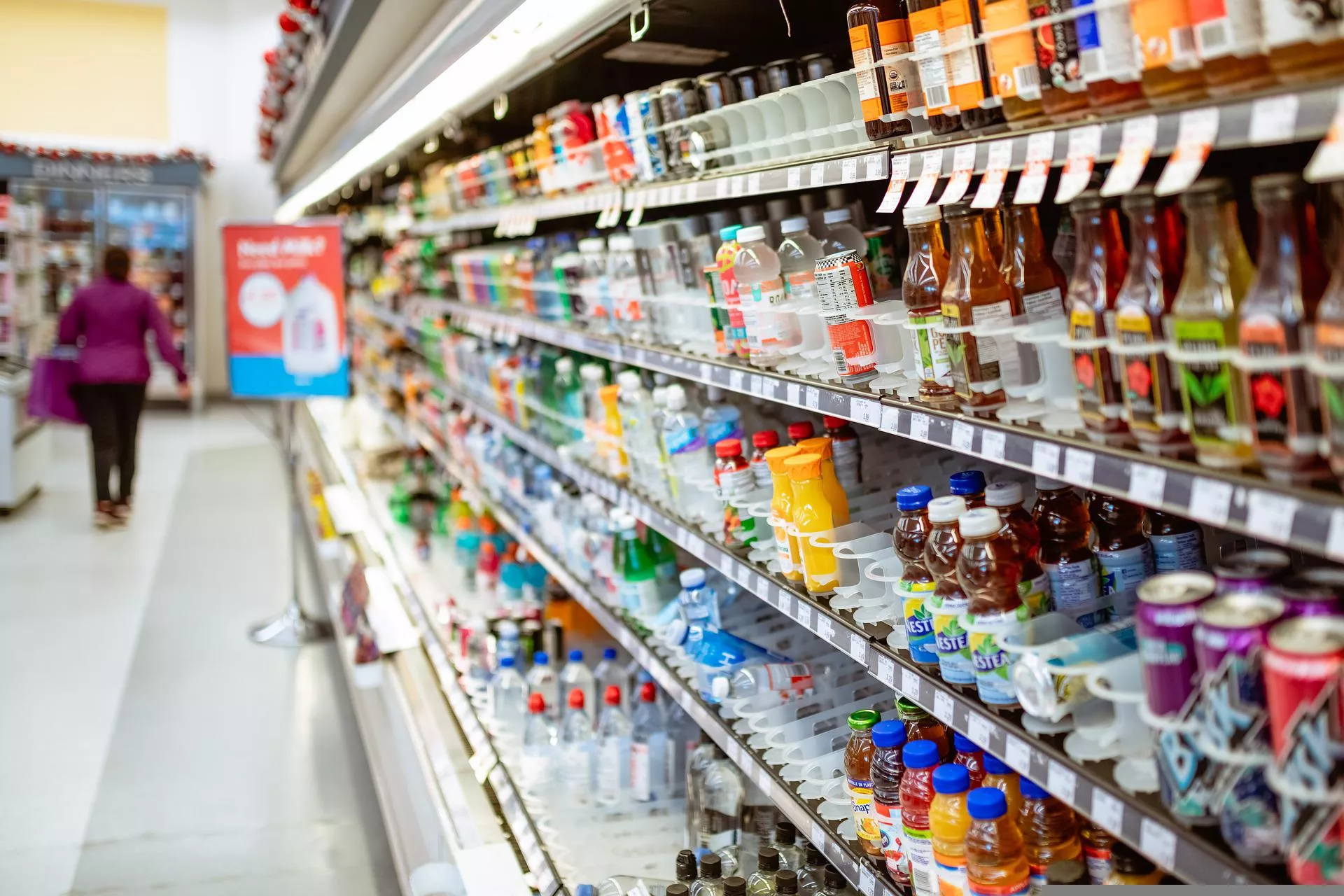
The IMF merely put on paper what the citizens of BiH experience daily. Prices of food, fruits and vegetables, and meat have significantly increased in recent months, and forecasts indicate they will remain so throughout 2025. Food prices are expected to gradually decline from 2026.
In just a few days, there have been price increases for heating, water, public transport in Sarajevo, and fuel prices have also risen. Other services have become more expensive as well, so any wage increase is swallowed up by price hikes.
As of July 1, the application of lower contribution rates began, and on a minimum wage of 1,000 KM, the employer will pay 86 KM less in contributions. However, this does not mean the worker will receive that surplus.
The IMF states that the economic outlook remains uncertain due to increased negative risks, while household consumption was supported by strong growth in loans and remittances, and private investments grew.
They further warn that the economic outlook is sensitive to both domestic and external shocks.
"A deterioration in geopolitical tensions and a consequent slowdown in Europe or increased commodity price instability could raise food and energy prices, reduce BiH's exports and remittances, and decrease domestic demand. An escalation of political tensions could further increase economic fragmentation and negatively impact investor confidence and growth. In the absence of faster progress on reforms, medium-term growth is expected to remain at around 3 percent - which is insufficient for rapid income convergence with the EU," the IMF states.
The public company Elektroprivreda BiH has already announced an electricity price increase for September, which will mean additional price hikes.
The IMF also warned that the authorities have used the large increase in tax revenues to boost spending on wages, goods and services, social benefits, and public investments.
"Entity budgets, together with subsequently adopted measures, foresee increases in public sector wages and pensions, reflecting both legally mandated indexation and discretionary changes introduced. The growing deficit, which could reach 2.6 percent of GDP, is expected to be financed mainly through external borrowing, as well as funds from domestic banks.
The authorities should avoid policies that further increase the deficit, as they would likely result in increased pressure on price growth and an increase in external imbalances.
Moreover, given the increasing negative risks, the authorities should aim to build up cash reserves and develop contingency plans. Depending on the severity of a potential shock, the authorities should use available reserves and activate contingency plans," the IMF concludes.
Komentari (0)
Prijavite se za komentiranje
PrijavaJos nema komentara. Budite prvi!
Minuta
Sve →Iz drugih kategorija

High Representative Not Elected: Germans, French and British Against Americans, New Attempt at End of June

ČOVIĆ WITHOUT MERCY: How Those Who Brought Ademović to Office Created a Political Hell for Him



Sunny Saturday, quite warm



Tragedy in Albanian resort: Two minors drown












