
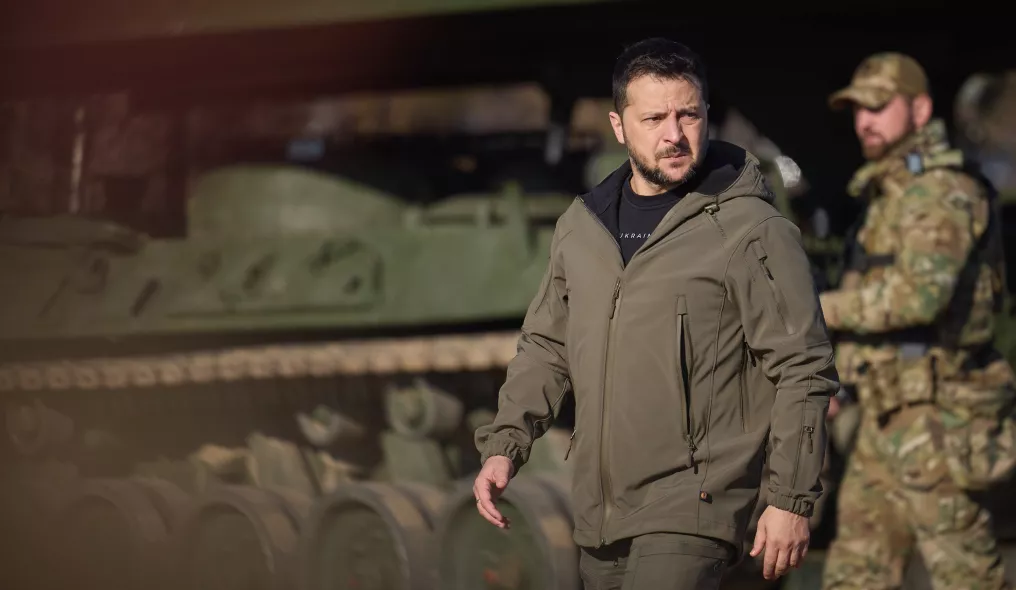
By: Armin Sijamić
In recent weeks, there has been an increasing number of articles in Western media critically discussing Ukrainian President Volodymyr Zelensky, or his responsibility for the "failure" of this year's offensive by the army he commands. Does this mean that Zelensky has become surplus to the West's plans, or is it a change in approach to the war in Ukraine?
Since the Russian aggression against Ukraine began, Western media have stood behind Kyiv, proclaiming Zelensky a hero and a great leader. This former actor came to power with a completely different concept – he wanted peace. Known in Ukraine and Russia, Zelensky was a ray of hope for a large part of Ukrainians that the rebellion in the east of the country would not turn into a large-scale war.
However, since his election, he has been plagued by his inability to navigate the great geopolitical game between the West and Russia. Experienced American and Russian officials were one step ahead of the man who dedicated his life to acting, not politics. Let's recall the appeals, while Joseph Biden and Vladimir Putin were negotiating in Switzerland, not to reach an agreement at the expense of Ukraine. A similar appeal was made by Kyiv to Berlin not to build "Nord Stream 2", which would make the existing gas pipeline through Ukraine less important.
Nevertheless, after the initial shock when the Russians reached Kyiv, Zelensky transformed into an important political figure, which particularly bothered Moscow, whose officials and media did not shy away from insults towards him. Zelensky has since been portrayed in the West as someone who can break the Kremlin's ambitions and integrate Ukraine into Euro-Atlantic structures.
Battlefield and Politics
The victories of the Ukrainian army gave Zelensky more weight, and weapons from the West began to arrive in the country. Thus, the once peace-loving politician began to be viewed through the prism of battlefield success. However, the offensive of the Ukrainian forces, which began in the middle of the year, seemed unconvincing from the very beginning, just as it was expected to be.
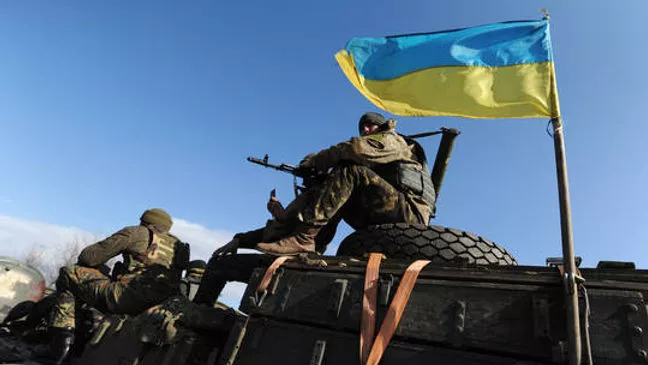
In recent days, we have read in American media that there were several reasons for this failure: Western strategists and Ukrainian generals disagreed on how to conduct the offensive, the Ukrainian army was still loyal to Soviet doctrine of warfare, there was not enough modern weaponry (especially aircraft and demining vehicles), the Ukrainian political and military leadership had different ideas about which part of the front to attack... The Washington Post recently wrote about this in detail.
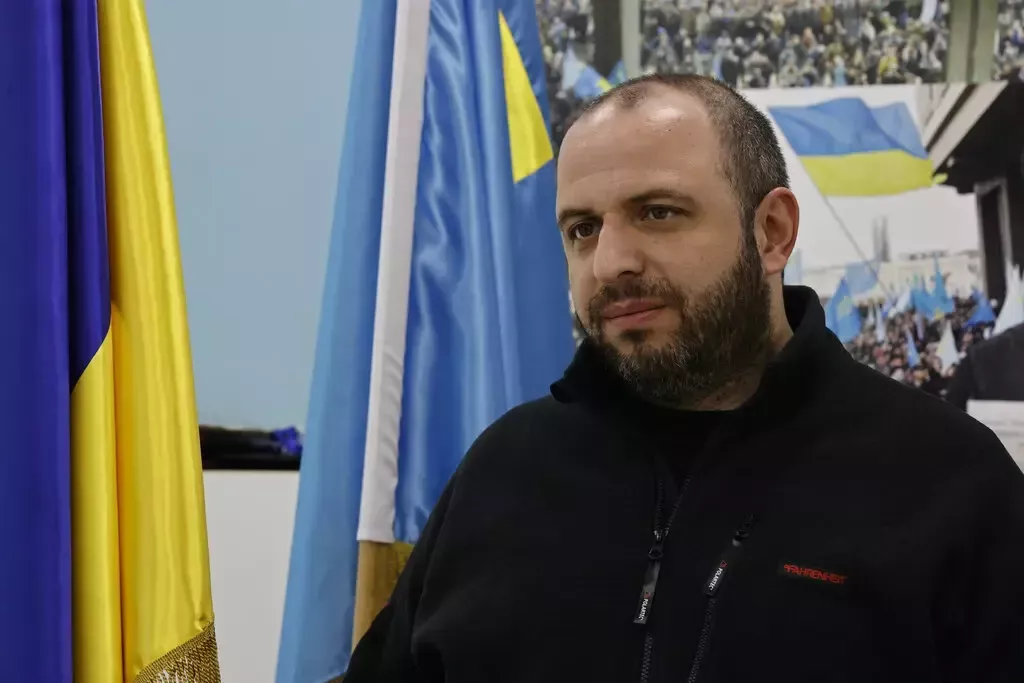
The failures on the battlefield cost Oleksiy Reznikov his position as Minister of Defense a few months later, who was accused of corruption. Shortly after Reznikov's dismissal, Rustem Umerov took over, who had little connection to the military, apparently as part of a political plan.
All failures were addressed to Zelensky as a war leader, although much was not his fault. In parallel, he was pressured by a group of American senators, led by Republican Lindsey Graham, to organize "legitimate elections for us and for the whole world." Zelensky asked how to vote near the front lines when millions of people are abroad and stated that he was in favor of elections.
According to the schedule, elections in Ukraine were supposed to be held in the spring of 2024, but they were canceled due to the state of emergency, as the country is at war. This means that Zelensky remains in power as long as the state of emergency lasts, or until he resigns, or until he loses the elections.
Discontent in Ukraine and Fear in the West
Discontent is increasingly widespread in Ukraine. Western media have also cited alleged polls showing that Army Commander-in-Chief General Valeriy Zaluzhnyi and Intelligence Chief Kyrylo Budanov are more popular than Zelensky.
The Mayor of Kyiv, Vitali Klitschko, a former boxing champion, openly criticizes Zelensky, which the magazine Time sees as proof of division within the Ukrainian elite. The recent BBC article, quoting an unnamed Ukrainian soldier who said there is complete chaos in the army's operations along the Dnieper River, confirms that the divisions are obvious and have reached the West.
Former presidential advisor Oleksiy Arestovych criticized his boss Zelensky for not wanting to negotiate with Moscow to end the war, while others seek answers as to why the Ukrainian offensive failed as the president promised, or due to pervasive corruption and the high number of casualties.
Zelensky himself admitted a few days ago that this year's Ukrainian offensive had failed, citing the lack of weapons that the West had promised to deliver. But many believe that this is not the worst news. The Economist believes that Putin is currently winning, and both sides are incapable of finishing the other. Such a situation on the front line, until a few months ago, gave the West an advantage over Moscow at the negotiating table, but things have started to get complicated for Kyiv.
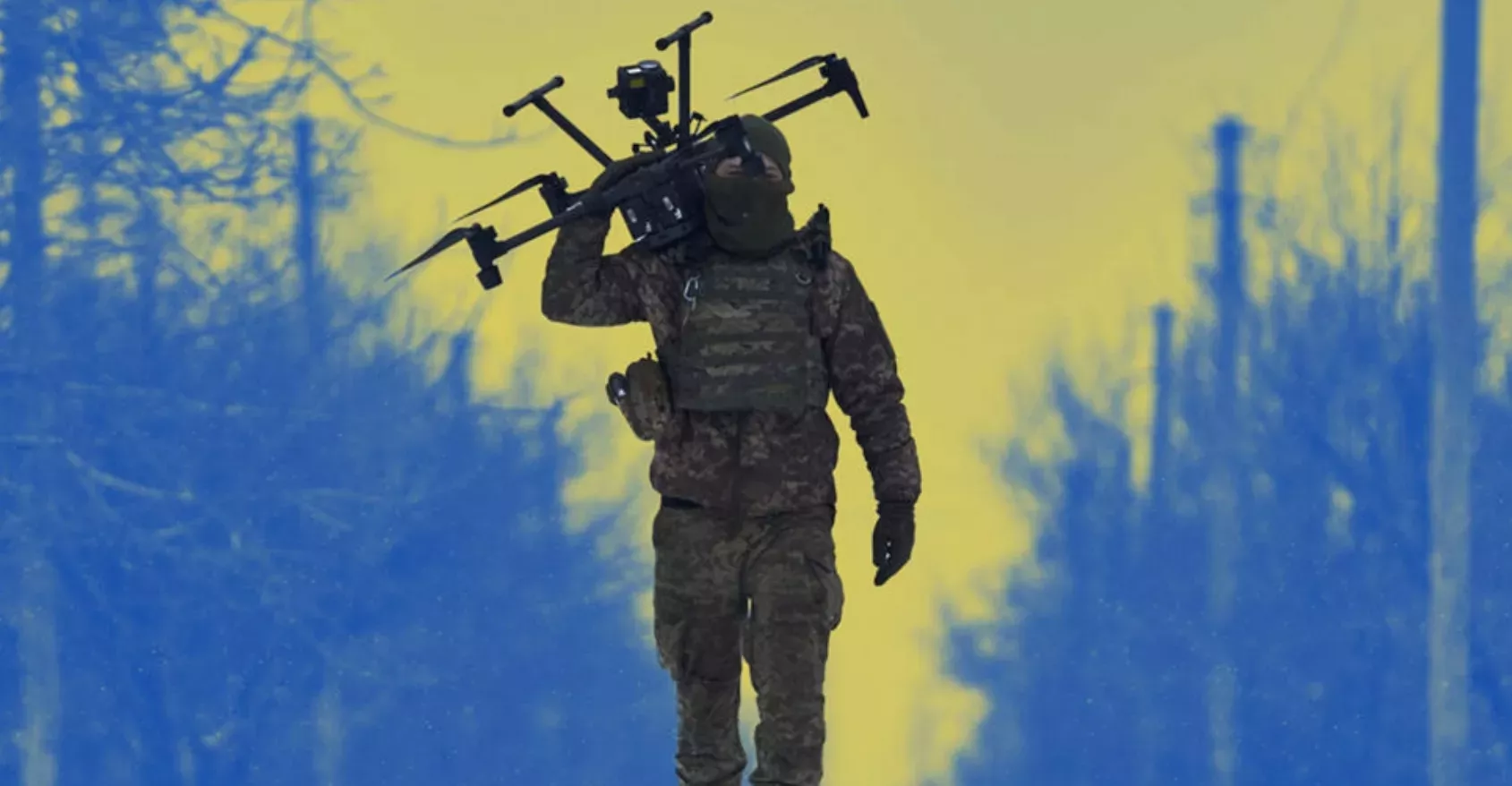
Indeed, at the end of last month, Putin signed a record high state budget for Russia, in which, according to independent Russian journalists, as much as 39% of funds are allocated to defense and law enforcement. A few days later, Putin signed a decree increasing the number of soldiers by 15%, bringing their total to 1,320,000. Putin's moves show that he is preparing for a long-term war in which the advantage would go to Russia due to the law of large numbers.
USA, Allies, and the Middle East
It was clear to NATO strategists that Putin would play this card back in May when they decided to fight quantity with quality, as formulated by the Chairman of the NATO Military Committee, Admiral Rob Bauer, stating that the alliance would stand by Kyiv for as long as necessary. However, that calculation could prove wrong due to the war between Israel and Hamas, and the disagreement between the Biden administration and Republican lawmakers. Biden wants aid to Ukraine and Israel to be part of the same package, while Republicans condition it on strengthening the border with Mexico and stopping uncontrolled immigration.
In a letter to the House of Representatives and the Senate on Monday, the White House stated that it had run out of money to aid Ukraine and that a halt in aid to Kyiv would mean a standstill on the battlefield. Republicans are currently not backing down, showing Zelensky's fear that the West will turn to Israel and partly forget about Ukraine as justified. American Republicans simply prioritize Israel.
"We should be prepared for bad news too. Wars develop in phases. But we must support Ukraine in good times and bad times," NATO Secretary General Jens Stoltenberg said last week, adding that Ukrainians are now in a "critical situation" because allies have failed to ensure increased ammunition production for Kyiv.
Zaluzhnyi confirmed in a recent interview with The Economist that the Ukrainian offensive is faltering, or rather, has been broken. Zelensky confirmed that things are going from bad to worse at the beginning of this month when he asked his forces in the east of the country to dig in and build fortifications, especially in Avdiivka, where fierce fighting is ongoing. This fortified position, about twenty kilometers from Donetsk, is a thorn in the side of Russian forces. For years, the Russians have suffered heavy losses trying to dislodge the Ukrainians from there. In recent months, they have begun to make progress, albeit with great sacrifices.
Apart from that part of the eastern Ukrainian front, the rest should remain quiet, if last winter is any indication. Both sides will wait for favorable weather conditions for possible large-scale operations to consolidate the territory they claim. More important battles will be fought far from the front.
Disagreements in the United States and the upcoming elections next year are certainly worrying Kyiv, as without the world's largest power, Ukraine's chances of victory are rapidly diminishing. This is not just about the quantity and quality of aid, which would depend on European countries, but about political leadership.
It is precisely political leadership that Kyiv currently lacks, and Zelensky is finding it increasingly difficult to open the doors of allies while refusing a deal with Moscow unless it means the return of all occupied territories to Ukraine, including Crimea. With these demands, Zelensky cannot be part of the solution if the West wants a respite and an agreement with Moscow, as Washington is becoming increasingly preoccupied with other issues.
Komentari (0)
Prijavite se za komentiranje
PrijavaJos nema komentara. Budite prvi!
Minuta
Sve →Iz drugih kategorija

High Representative Not Elected: Germans, French and British Sabotaged Americans, New Attempt at End of June

ČOVIĆ WITHOUT MERCY: How Those Who Brought Ademović to Office Created a Political Hell for Him



Sunny Saturday, quite warm



Tragedy in Albanian resort: Two minors drown












