
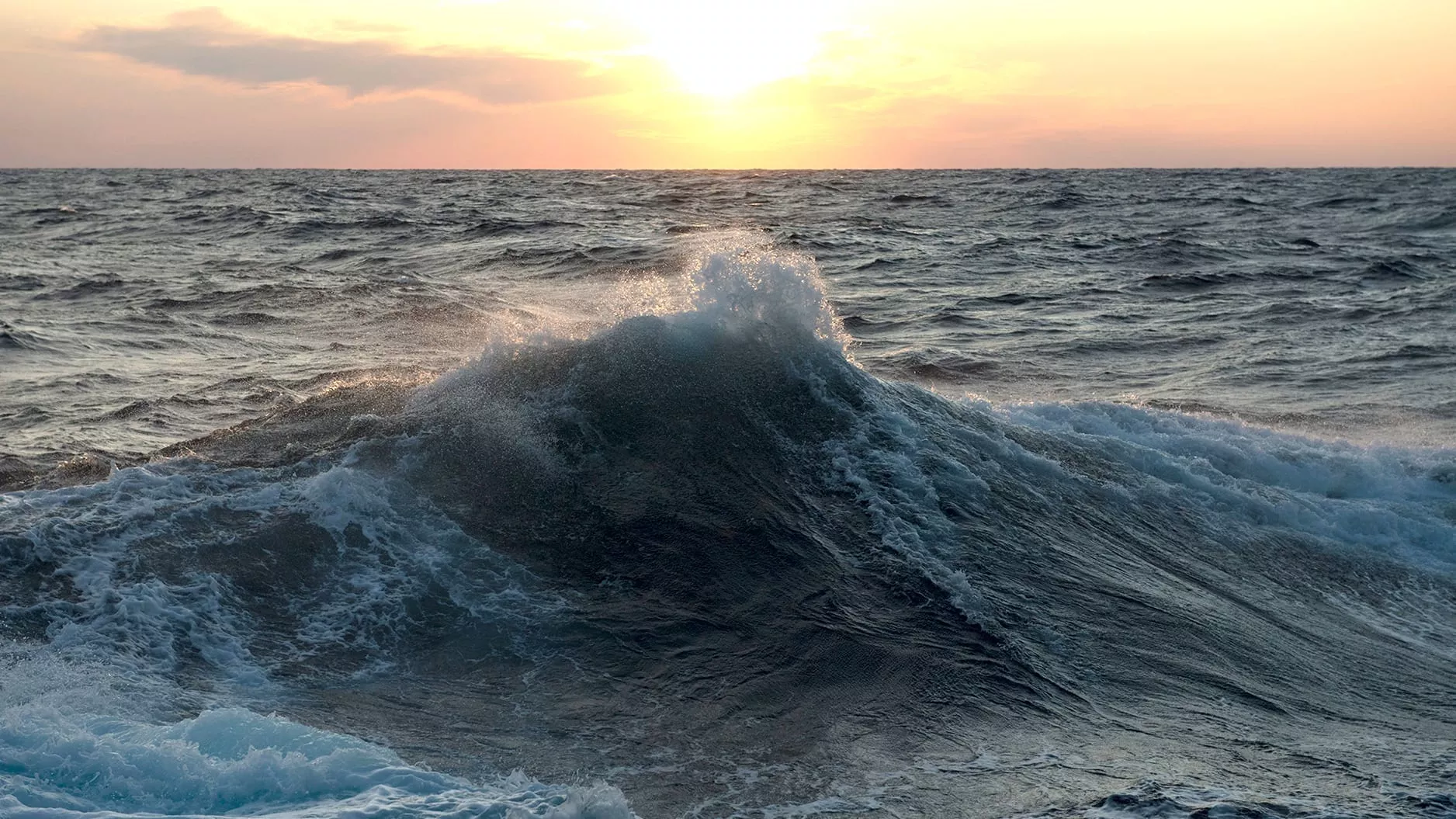
(Patria) - More than 75 million square kilometers of oceans globally, or more than 20 percent of their surface area, have significantly darkened between 2003 and 2022, raising concerns among marine scientists worldwide.
This extensive darkening reduces the depth of the photic zone, the sunlit upper layer of the ocean crucial for most marine life and for climate regulation, reports Zimo.hr.
In a study published on May 27 in the journal "Global Change Biology," scientists from the British University of Plymouth and the Plymouth Marine Laboratory analyzed 20 years of NASA satellite data and computer models.
They used the Ocean Colour Web dataset, which breaks down oceans into 9-kilometer segments, along with solar and lunar radiation models to measure changes in the photic zone depth.
They found that in more than 9 percent of the oceans, an area larger than Africa, the photic zone has decreased by more than 50 meters. In some areas, the loss of this zone exceeded 100 meters.
Although 10 percent of the oceans saw brightening during this period, the global trend still clearly leans towards their darkening.
In coastal waters, the main causes are nutrient runoff, organic matter, and sediment from agriculture and precipitation, which stimulate plankton growth and reduce water clarity.
In the open sea, changes in algal bloom dynamics and rising sea surface temperatures likely prevent light penetration.
- There are studies showing how the color of the ocean surface has changed over the last 20 years, potentially as a result of changes in planktonic communities.
However, our results provide evidence that such changes are causing widespread darkening that reduces the amount of ocean available to animals that depend on the sun and moon for their survival and reproduction - warns Dr. Thomas Davies, Associate Professor of Marine Conservation at the University of Plymouth.
He adds that this can threaten not only oceanic but also ecosystems that depend on the oceans.
- We also depend on the ocean and its photic zones for the air we breathe, the fish we eat, our ability to combat climate change, and for the general health and well-being of the planet - says Davies.
If the photic zone is decreasing by about 50 meters in large parts of the ocean, light-dependent animals will be forced to move closer to the surface, where they will have to compete for food and other resources they need, notes Tim Smyth from the Plymouth Marine Laboratory.
The most significant decrease in photic zone depth was recorded at the top of the Gulf Stream and in polar regions, areas heavily affected by climate change. Coastal seas like the Baltic, affected by land runoff, have also experienced significant darkening.
Komentari (0)
Prijavite se za komentiranje
PrijavaJos nema komentara. Budite prvi!
Minuta
Sve →Iz drugih kategorija

High Representative Not Elected: Germans, French and British Sabotaged Americans, New Attempt at End of June

ČOVIĆ WITHOUT MERCY: How Those Who Brought Ademović to Office Created a Political Hell for Him



Sunny Saturday, quite warm



Tragedy in Albanian resort: Two minors drown












