
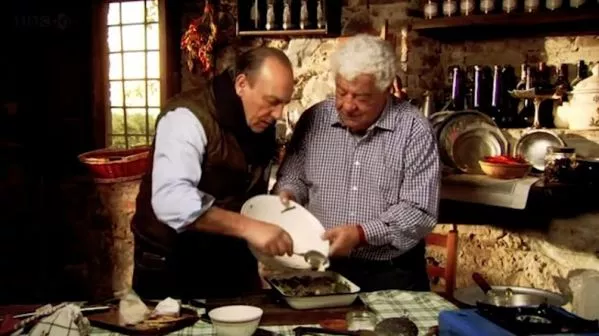
Translated from Italian, cucina povera means 'poor man's cuisine' and refers to the ingenuity of Italian housewives who were forced to get the most out of the minimum.
The sources of food for Italian housewives were the sea, forests, cultivated fields, but also small gardens behind the house. Food scraps were not thrown away; if by chance there was leftover bread from the previous meal, it was transformed into breadcrumbs and returned in that form to salads, pasta, and soups.
Before World War II, Italy had a class system known as mezzadria. Numerous families (mezzadri) worked for a wealthy owner of an agricultural estate (padrone), cultivating his land and keeping half of the products obtained from their labor as compensation. This was the basic way to feed their families. These families produced olive oil, wine, grew vegetables, wheat, cows from which they obtained milk and cheese, etc. This system remained in Italy until the seventies of the last century.
It was precisely these difficult times that led Italians to become resourceful, ingenious – in the kitchen, to feed themselves, and in life in general. Difficult times for Italians gave birth to recipes that have survived and, moreover, have become popular all over the world.
L'arte di arrangiarsi
The philosophy of poor man's or peasant cuisine is based on the principle of not discarding anything edible, as well as applying the most diverse but simple food preparation techniques to make every bite delicious. A celebration of food, one might say.
That 'ingenuity' has, over time, become a way of life, an art that Italians are proud of, so much so that it has been branded as the concept of arrangiarsi (a reflexive verb that in Italian means 'to manage', 'to get by', 'to create something out of nothing'). This 'art of managing' requires Italians to get the most they can out of a difficult situation they find themselves in, using all available means. This way of thinking and living has been adopted by all strata of society.
Italian cuisine is not just pasta and pizza. Authentic Italian cuisine also does not consist of dishes covered in melted cheese to the point of being unrecognizable. Italian cuisine is Mediterranean in its essence, and as such, it is based on vegetables (especially green ones), spices, carefully selected meat, plant proteins such as beans and lentils, and preparation that does not involve long and aggressive thermal processing. Of course, pasta is present and receives special attention. Italian cuisine is rich, striking, and filling, without being heavy.
Thus, a typical Italian meal begins with a large platter of 'antipasti', which mainly consists of vegetables such as artichokes, mushrooms, and cured meats such as prosciutto. Then, a smaller portion of pasta is served, followed by a light protein course, simply prepared but delicious, such as lamb shank or fish.
Olive oil is at the very foundation of this cuisine and is used for cooking, frying, baking, and salad dressing. Garlic, balsamic vinegar, and Parmesan cheese are indispensable, and their quality and origin are as important as those of any ingredient in Italian cuisine. Homemade is best, has always been the motto of Italian housewives and chefs.
Cucina Povera Recipe
Antonio Carluccio, a renowned Italian chef who spent most of his life in London, knew how to get the most out of a small number of ingredients and prepare soul food.
Here is one of his recipes that we tested and enjoyed the rich taste of simply prepared Pizzocheri pasta – buckwheat pasta with potatoes and chard. This dish originates from Valtellina, a valley in Lombardy north of Milan.
RECIPE
Ingredients (for 4 people)
300 g buckwheat tagliatelle (whole wheat is a worthy substitute, or regular pasta can be used)
200 g potatoes, peeled and diced
200 g chard
salt and pepper
80 g butter
3 cloves of garlic, chopped
300 g Bitto or Toma cheese (Brie cheese is also an excellent substitute for these Italian cheeses)
100 g freshly grated Parmesan cheese
Preparation
- Preheat the oven to 220°C.
- Place the pasta, potatoes, and chard in a large pot with salted boiling water and cook everything together for about 10 minutes.
- Melt the butter in a pan and sauté the garlic until golden brown.
- Drain the pasta, potatoes, and chard, and transfer them to a deep baking dish. Stir in the cheese cubes, then pour the butter with garlic over them. Season with salt and pepper and mix in the dish. Then sprinkle with Parmesan cheese.
- Bake for about 20 minutes. Serve hot.
Komentari (0)
Prijavite se za komentiranje
PrijavaJos nema komentara. Budite prvi!
Minuta
Sve →Iz drugih kategorija

High Representative Not Elected: Germans, French and British Sabotaged Americans, New Attempt at End of June

ČOVIĆ WITHOUT MERCY: How Those Who Brought Ademović to Office Created a Political Hell for Him



Sunny Saturday, quite warm



Tragedy in Albanian resort: Two minors drown












