

By Armin Sijamić
In recent years, one of the more important topics in social sciences and politics has been the cities of the future, i.e., the creation of urban entities where care for climate change is placed at the top of the priority list, even in the daily lives of every individual. This policy has proponents and opponents worldwide, but this time a good part of the West and China are on the same side.
The story of establishing smart cities, now more precisely fifteen-minute cities, or transforming parts or entire cities into such, has its proponents and opponents. While the former see benefit in them, the latter call for caution, claiming it is an attempt by authorities to control everything.
Such a debate is currently ongoing in Canada, in Edmonton, which is one of the cities that have opted for the concept where "everything" necessary would be located within a fifteen-minute walk or bike ride. At the beginning of this month, the authorities decided to move into a "new phase" of the project, announcing that they would divide 400 city districts into fifteen-minute cities.
Before we look at specific examples, let's briefly define what smart and fifteen-minute cities are.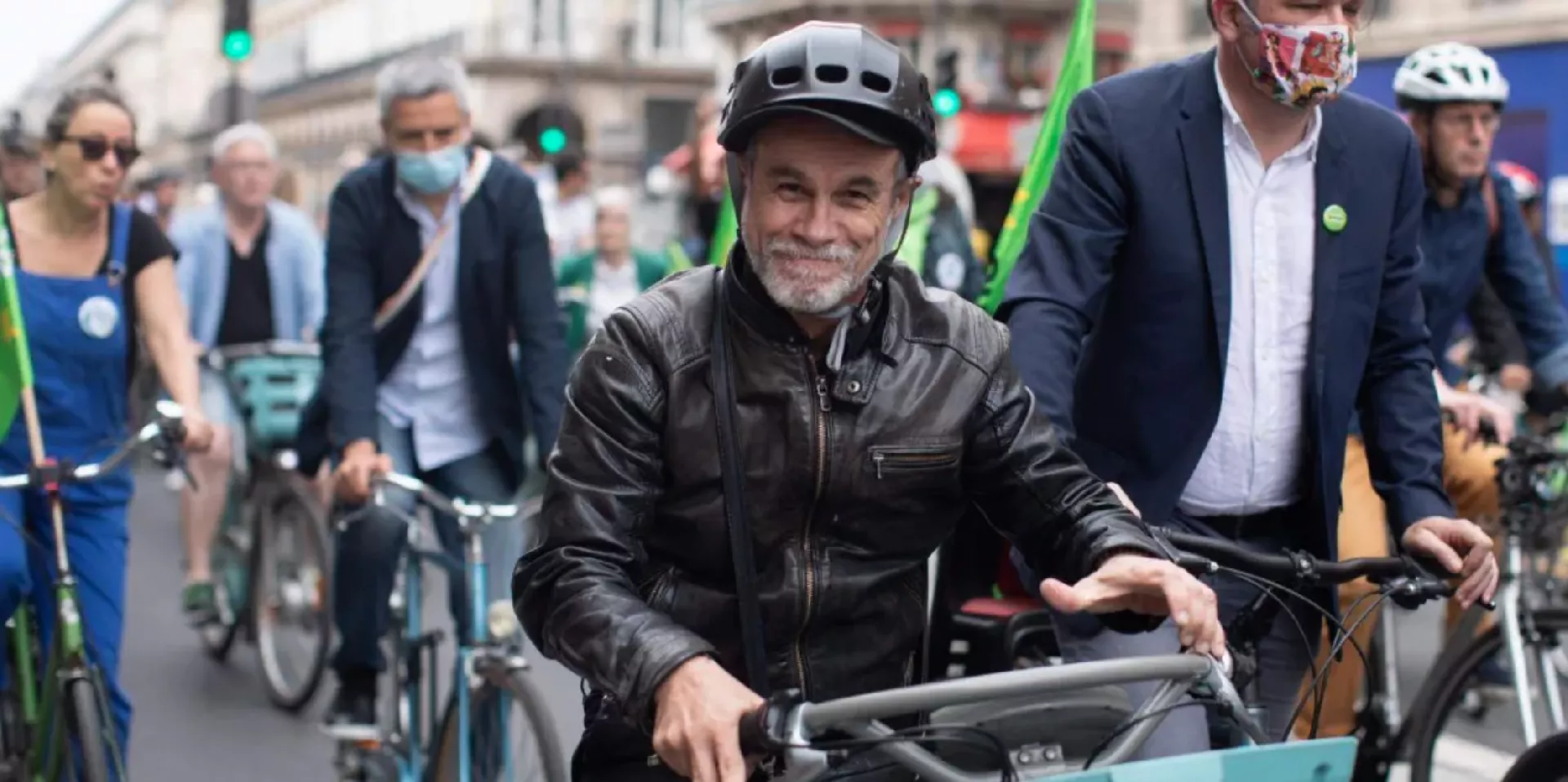
The City as a Living Mechanism
There are several definitions of smart cities, but almost all agree that they are urban environments covered by advanced sensors for collecting various information, based on which the management has a complete insight into the situation. The sensors are integrated into a larger system to which people, whose actions are monitored at all times, (voluntarily) provide information, and based on this, conclusions are drawn on how to manage the city. For example, sensors will collect data on water or electricity consumption, thus providing data on how a person behaves with available resources.
A fifteen-minute city is a more advanced version of a smart city, at least when it comes to the needs of individuals. Namely, some urban planners have been redefining construction methods in recent years, and due to accelerated climate change and a number of other factors, some of them see the solution in fifteen-minute cities, i.e., urban entities where every individual can reach their workplace, store, doctor, or recreation area within a fifteen-minute walk or bike ride.
Although the attempt to create cities that facilitate the daily lives of the population is a phenomenon that can be observed in all eras of modern cities, the concept of the fifteen-minute city is most closely associated with the French-Colombian scientist Carlos Moreno, a professor at the Sorbonne and advisor to the Mayor of Paris, Anne Hidalgo.
Moreno is an advocate of "sustainable cities," i.e., those that do not harm the climate, as he believes that individuals can and must contribute to the fight against climate change and the redevelopment of cities. For almost twenty years, Moreno has been promoting the concept of smart cities through books, appearances, lectures, and activism, and in recent years, the concept of fifteen-minute cities, gaining followers worldwide.
From the aforementioned Paris, whose mayor Anne Hidalgo campaigned on the fifteen-minute city during the coronavirus pandemic, to cities in Europe, the Middle East, the United States, Canada, and even China, the concept of cities of the future, which should be a response to climate change, overpopulation, reduced pedestrian mobility, safety, and efficient resource use, is being applied in various ways.
Significant Differences: Chinese Living Circles
The concept of fifteen-minute cities differs from country to country, taking into account political, economic, geographical, demographic, and all other characteristics. One of the leaders in establishing fifteen-minute cities is China, which has been managing its cities with technology for decades. In July last year, China's "Ministry of Commerce and twelve other departments" began "promoting" the construction of "living circles" that would "enable residents to carry out all their basic activities within a fifteen-minute walk from their homes," the Xinhua agency reported at the time.
"The plan envisages that residents of certain areas can find places where they will meet their needs for shopping, catering, maintenance, and repair services within a ten-minute walk from home, while at the same time enjoying additional consumption of goods and services related to culture, entertainment, leisure, social communication, healthcare, and fitness within a fifteen-minute walk from home," agencies reported. The goal is for "communities to be smarter, with the creation of additional jobs and improved resident income."
"The construction of 'living circles' in communities is already underway, with a total of 2,057 circles formed in the first two groups of 80 pilot areas across China, serving 42.01 million community residents," it was further stated.
Three days ago, the BBC reported that the Chinese government now wants to monitor projects it finances at all times, and some will have to install equipment to monitor their work. It is further stated that the government decided on this move to help China's real estate industry and to "regulate the implementation of projects and the use of funds." The supervision of works will be carried out by drones, cameras, and satellite imaging, as previous recipients of state funds have "violated the trust of the Chinese government."
The BBC further writes that the people of China "are among the most surveilled in the world" and that half of the world's surveillance cameras are located in that country, and that this is part of China's goal to build what it calls the "world's largest surveillance network," with many cameras using artificial intelligence, including facial recognition technology.

Political Implications
Some proponents of smart cities see nothing wrong with this, justifying the Chinese government's actions by the desire to save public money. Similarly, proponents of smart cities in other parts of the world use similar arguments, namely that all measures taken should benefit citizens, rationalize consumption, shorten travel time by motor vehicles, enable a more comfortable life, protect the planet affected by climate change...
But those on the other side see smart cities as an attempt at complete citizen control. They argue that the boundaries of a fifteen-minute city would also be the boundaries of residents' free movement, as any further movement would threaten the order and rules, harm the climate and sustainability of the city, or simply cost too much for a community committed to rationalizing consumption.
Furthermore, they claim that controlling the consumption of a resource is a prelude to limiting the consumption of that resource, meaning that at some point, the authorities could decide what a citizen can buy or own. During the implementation of strict measures against the spread of coronavirus in some countries, these theories gained new momentum, and those who advocated them were accused of "conspiracy theories."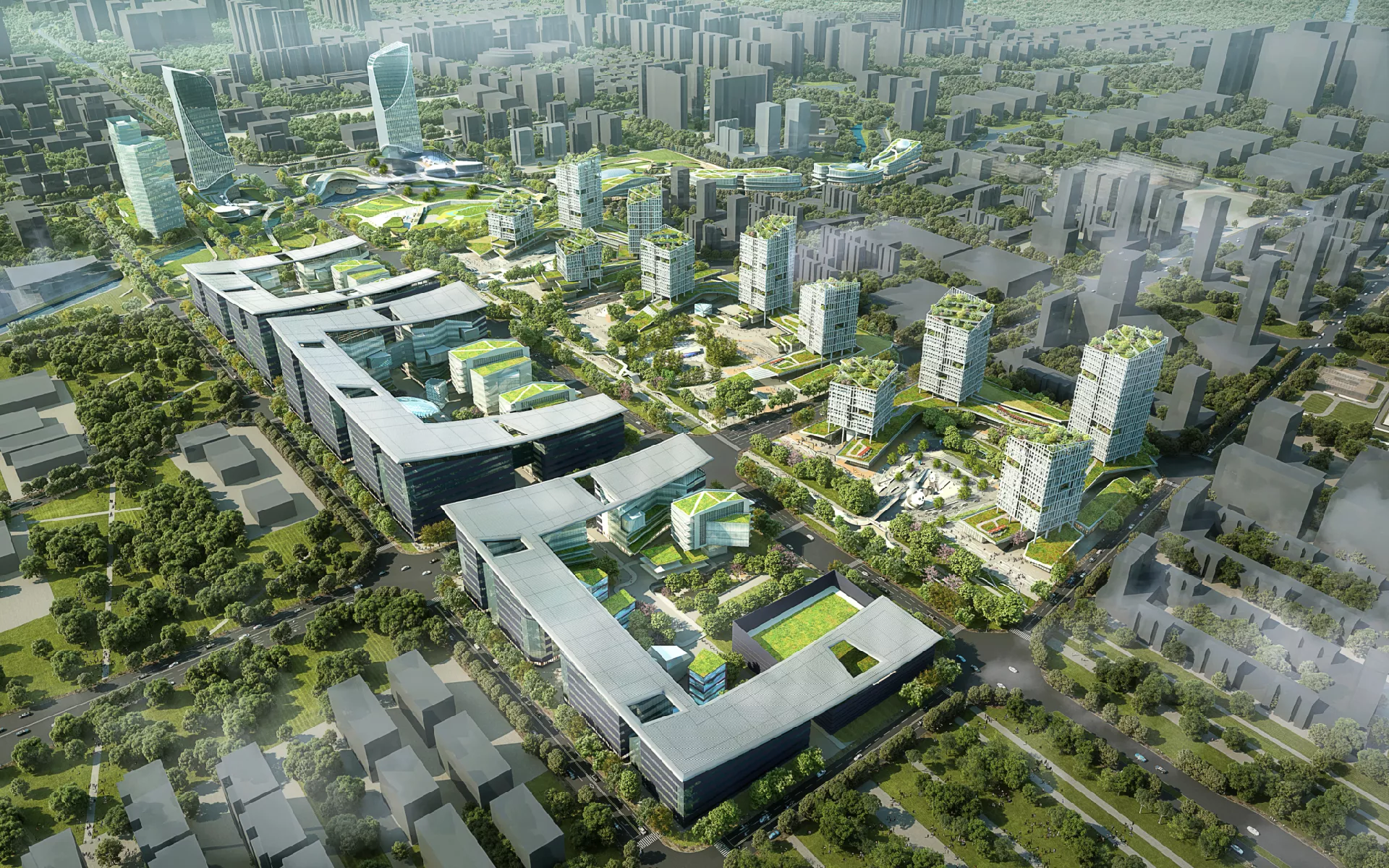
The emergence of coronavirus was an important point in the discussions on this topic, as it showed that some things in overcrowded cities must change, and that existing services could not always respond to the situation. Let's recall Italy after the emergence of coronavirus and the footage from crowded hospitals. At the same time, it became clear that citizen surveillance has almost no limits. Let's recall the footage from China when a drone in some remote Chinese village ordered an elderly woman to return to her home, or the footage of entire streets being closed, or residents being forbidden to leave their homes.
Those who intend to establish smart cities do not plan to give up, and there are more and more proponents of this idea, just as resistance is growing among parts of the public, producing political and social movements. There is no doubt that the debate will continue, as it concerns a phenomenon that could change people's lives, i.e., their way of life, their social interaction, their economic habits, encroaching on individual personal choices, and thus becoming one of the most important political topics in the near future.
Komentari (0)
Prijavite se za komentiranje
PrijavaJos nema komentara. Budite prvi!
Minuta
Sve →Iz drugih kategorija

High Representative Not Elected: Germans, French and British Against Americans, New Attempt at End of June

ČOVIĆ WITHOUT MERCY: How Those Who Brought Ademović to Office Created a Political Hell for Him



Sunny Saturday, quite warm



Tragedy in Albanian resort: Two minors drown












