
By Armin Sijamić
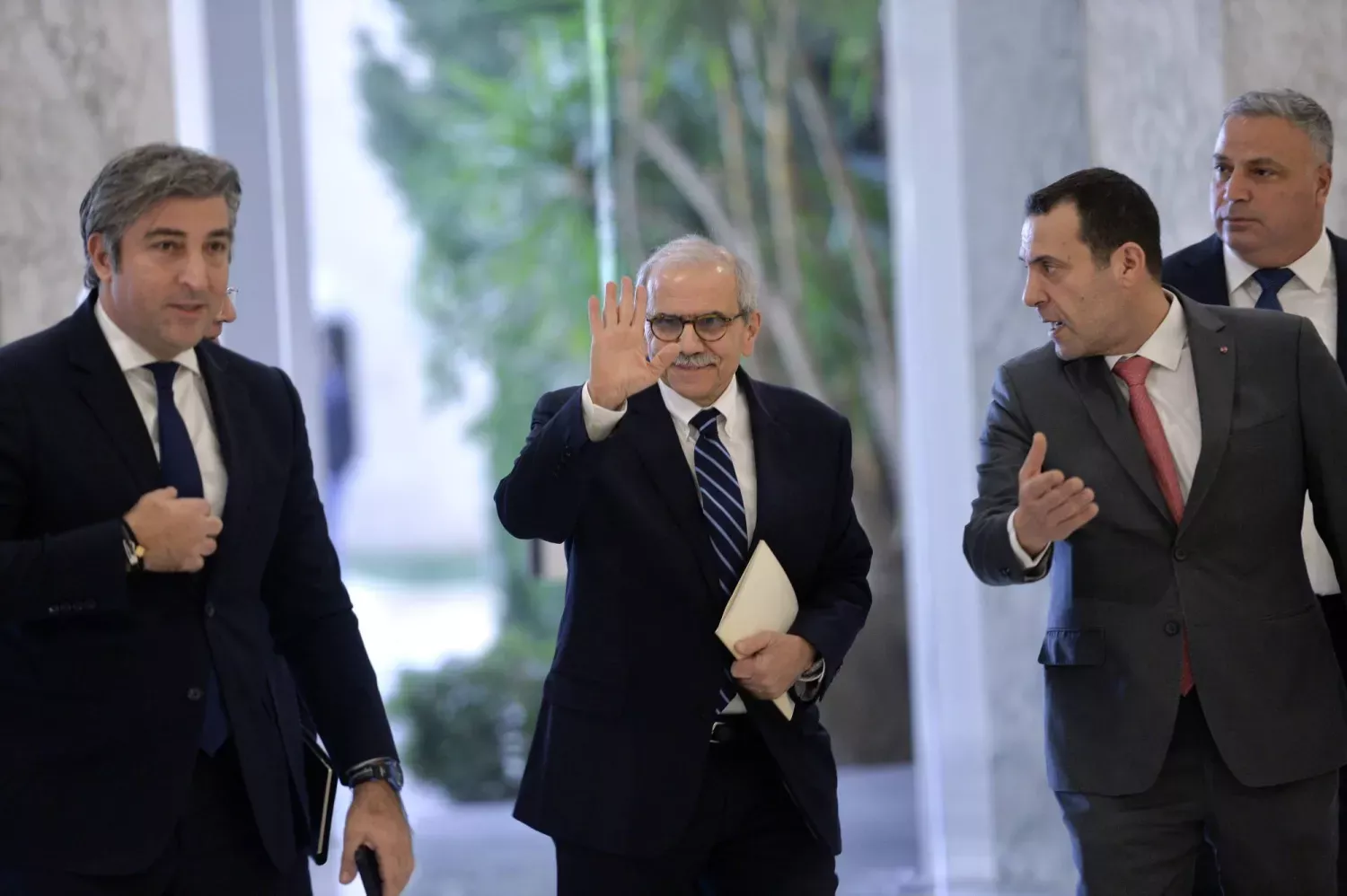
After thirty months, Lebanon has a prime minister. Nawaf Salam received the support of key parties, after Joseph Aoun was previously elected president according to the same recipe. Salam has a difficult task, and the residents of Lebanon, regional powers, as well as France and the United States, expect results from him.
The biography of seventy-one-year-old Nawaf Salam is impressive. Among other things, Salam returns to the position of prime minister from the role of presiding judge of the International Court of Justice (ICJ), and he previously held other important positions.
But this is not a guarantee that Salam will be successful, not because he is not competent to lead the government of Lebanon. The reason is that his appointment is the result of domestic and regional developments, meaning Salam was chosen as the most acceptable solution for the Sunni, Christian, and Shiite forces in Lebanon, and his appointment was previously supported by Saudi Arabia, France, and the United States.
Lebanon's complicated political system, where the prime minister is usually Sunni, the president is Christian, and the parliament is led by a politician loyal to Shiite parties, is only part of the problem. Salam also has the task of reconciling regional interests, as Lebanon is in a situation where any help, especially economic, is crucial to prevent the country from sinking into chaos.
Regional Implications
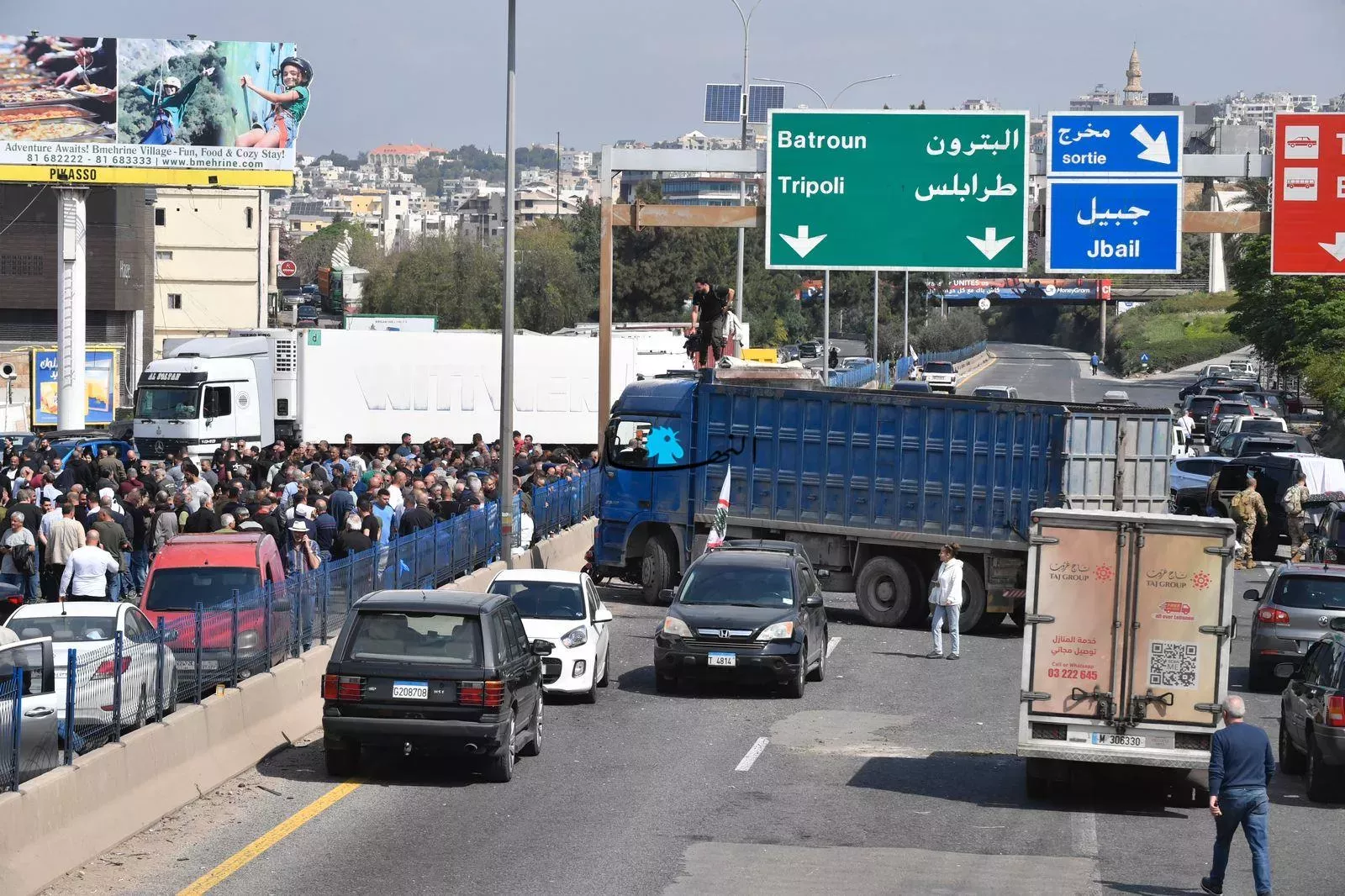
Lebanon has been grappling with economic difficulties for the past decade, largely due to regional developments. Lebanon has received millions of refugees from Syria, then due to Western sanctions against Damascus, Beirut lost some of the funds it received as commission for the business of Syrian companies, and since October 7, 2024, it has been the scene of conflict between Shiite Hezbollah and Israel. In addition, Lebanon bears the scars of the civil war.
According to Arab media reports, Salam was the preference of Washington, Paris, and Riyadh. In return, they promised Lebanon financial and all other assistance in rebuilding the country. What prevented Salam from becoming prime minister was his lack of support from Hezbollah, which was crucial in 2022 when that party held a majority that elected Najib Mikati as acting prime minister, by not voting for Salam.
This time, after long negotiations and minor tricks, such as delaying parliamentary sessions, Hezbollah agreed to the appointment of General Aoun as president, and subsequently Salam, with the votes of its allies. Media close to Hezbollah report that the aforementioned duo has pledged to work on reconstructing destroyed Shiite homes and their return to southern Lebanon, then ensuring conditions for Israel not to launch new attacks, and maintaining religious and sectarian balance in the country.
Those who are not inclined towards Hezbollah write that the Shiite movement agreed to these conditions after suffering heavy blows in the war against Israel and because the regime of Bashar al-Assad in Syria was overthrown. According to them, Hezbollah supported Aoun and consequently Salam to maintain its current positions, regroup, and work on strengthening itself and finding new corridors towards Iran.
Ceasefire Expires, Lebanon Needs Reconstruction
Israel and the US desire the destruction of Hezbollah. Various scenarios have been attempted against this group, including breaking the movement through a special type of warfare by Israel.
Therefore, one of the main questions is how Salam will position himself towards Hezbollah and the fact that this party has an armed wing that is much stronger than the Lebanese army, which is supported by the United States. Washington, Tel Aviv, Paris, and Riyadh want this group to be disarmed, which they refuse. These days, Hezbollah officials and supporters repeatedly state that southern Lebanon would be occupied by Israel, as recently happened in Syria, the moment they laid down their arms.
At the same time, Salam is expected to implement reforms and strengthen the Lebanese economy. Since he has the support of several countries, has an enviable career in many fields, and comes from a family whose members have already been Lebanese prime ministers, no one doubts that the American and French law and political science student has the ability to do so.
Reforms that would lead to the strengthening of the Lebanese economy will certainly receive the support of all parties in Lebanon, but as in the past, the issue could be stalled on other matters, such as the influence of certain countries on the government in Beirut, the relationship with Israel, Iran, or the new Syrian authorities.
Announcing a "new Lebanon," Salam said yesterday that he would "save, reform, and rebuild" the country. He said he would work on unity, which is a message to Hezbollah supporters. The Shiite movement agreed to the appointment of Aoun, and its allies supported Salam and secured him a majority in parliament.
What is particularly important for the Hezbollah issue is Salam's statement that he will advocate for the full implementation of UN Security Council Resolution 1701, which includes the withdrawal of all forces from southern Lebanon, except for the Lebanese army. This means that Hezbollah should withdraw from there, as well as Israel, which he called an "enemy" and stated that he expects "its complete withdrawal" from every "inch of our occupied land."
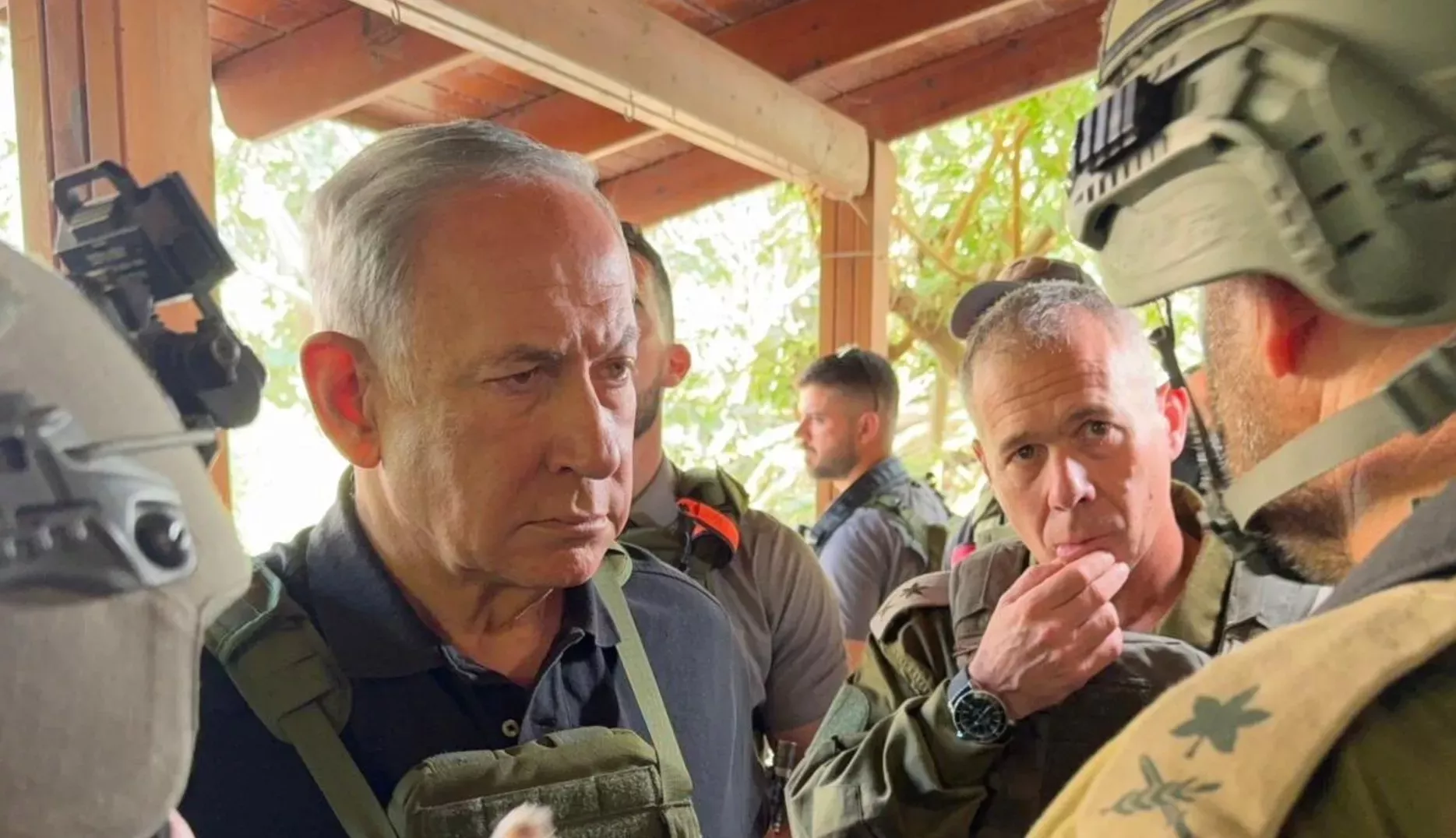
But Hezbollah and Israel have unfinished business. The ceasefire they signed expires in less than two weeks, and without a new agreement, the conflict threatens to continue. There is no doubt that Israel will seize every opportunity to strike its enemy and receive Western support for it.
The West also supports Salam. French President Emmanuel Macron is arriving in Beirut on Friday. Saudi Arabia, after the election of Aoun as president, announced the reconstruction of a hotel damaged in the 2020 Beirut port explosion and invited the new head of state to visit Riyadh. According to the aforementioned ceasefire between Hezbollah and Israel, the US military has been given the role of monitoring some aspects of the agreed-upon implementation and there is no doubt that it will use this opportunity to be close to Salam.
Nawaf Salam, described by Lebanese media as a "pro-Palestinian" politician and a man with excellent connections and great prestige in the West, will very quickly have to compromise what recommended him for the prime minister position – his distance from political parties in Lebanon. The first serious decisions could place him in one camp, politically, sectarianly, religiously... Then it will be seen what the key actors in Lebanon have agreed upon away from the public eye and whether Salam will have a solution for Lebanon's problems.
Komentari (0)
Prijavite se za komentiranje
PrijavaJos nema komentara. Budite prvi!
Minuta
Sve →Iz drugih kategorija

High Representative Not Elected: Germans, French and British Against Americans, New Attempt at End of June

ČOVIĆ WITHOUT MERCY: How Those Who Brought Ademović to Office Created a Political Hell for Him



Sunny Saturday, quite warm



Tragedy in Albanian resort: Two minors drown












