
By Armin Sijamić
For over a month, Bashar al-Assad has not been governing Syria. Power has been taken over by Ahmed al-Sharaa, a former member of ISIL and Al-Qaeda. Major powers have not turned their backs on him because of this. It is particularly interesting how some European powers are treating a man who was recently on an American wanted list, with a bounty of ten million dollars on his head.
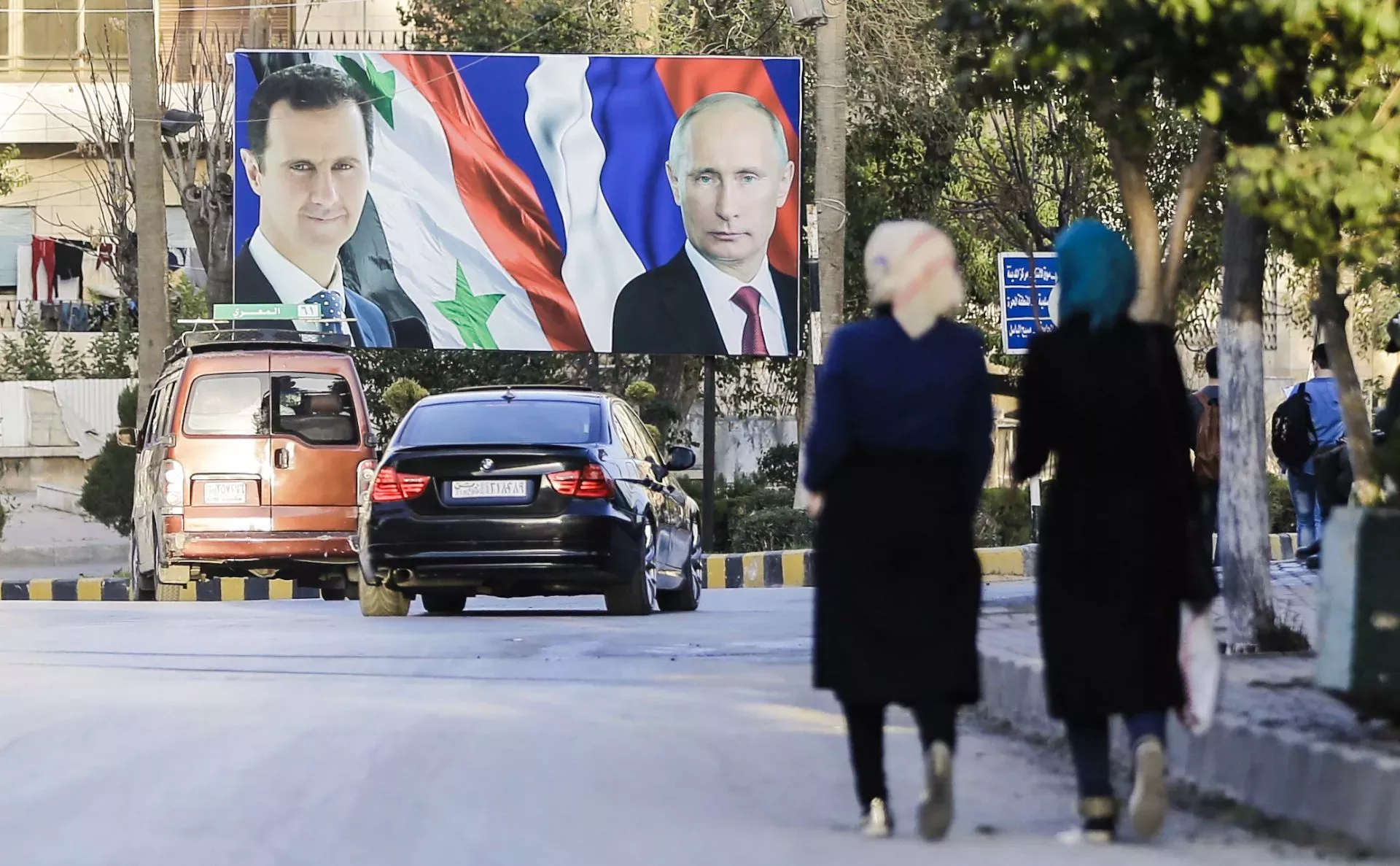
Ahmed al-Sharaa, also known as Abu Mohammed al-Golani, probably never imagined that his path through Al-Qaeda, ISIL, an American prison in Iraq, Hayat Tahrir al-Sham (HTS), wars against Kurds, (pro)Iranian Shiite militias, the armies of Iraq, Russia, Iran, and Syria... would lead him to power in Damascus.
The leader of HTS is today the ruler of Syria, excluding parts where Kurdish and foreign (American, Turkish, Russian, Israeli) troops are present. This will apparently be enough for him to assume the functions of an internationally recognized government in Damascus. The West is not looking at his past, but wants to achieve its interests.
Pragmatic al-Sharaa
The ice-breaking visits to the HTS chief were made by the Americans. Assistant US Secretary of State Barbara Leaf described her conversation with him in Damascus about twenty days ago as "very productive," adding that al-Sharaa is "pragmatic," after which Washington would remove him from the wanted list.
The meeting with a man whose organization Washington designates as terrorist is not surprising – major powers often put their interests above all principles they advocate. Turkish, Qatari, and other Arab officials, who supported Assad's overthrow, have also visited Damascus. All of them expect concessions from the new Syrian leader and in return offer aid, investments, and the reconstruction of the devastated country. The new Syrian Foreign Minister also had a mini-tour, with talks held with officials from Jordan, Saudi Arabia, the United Arab Emirates...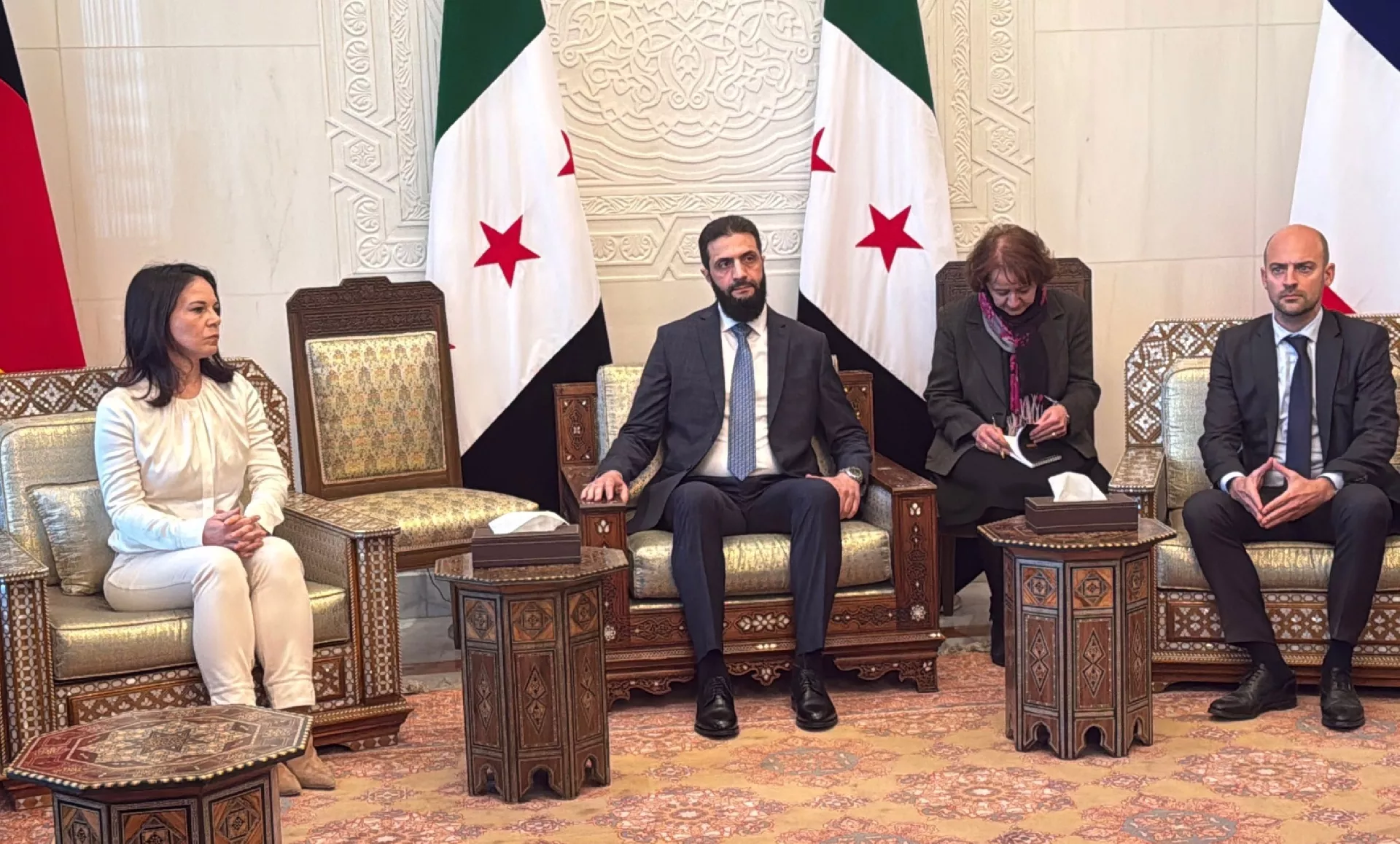
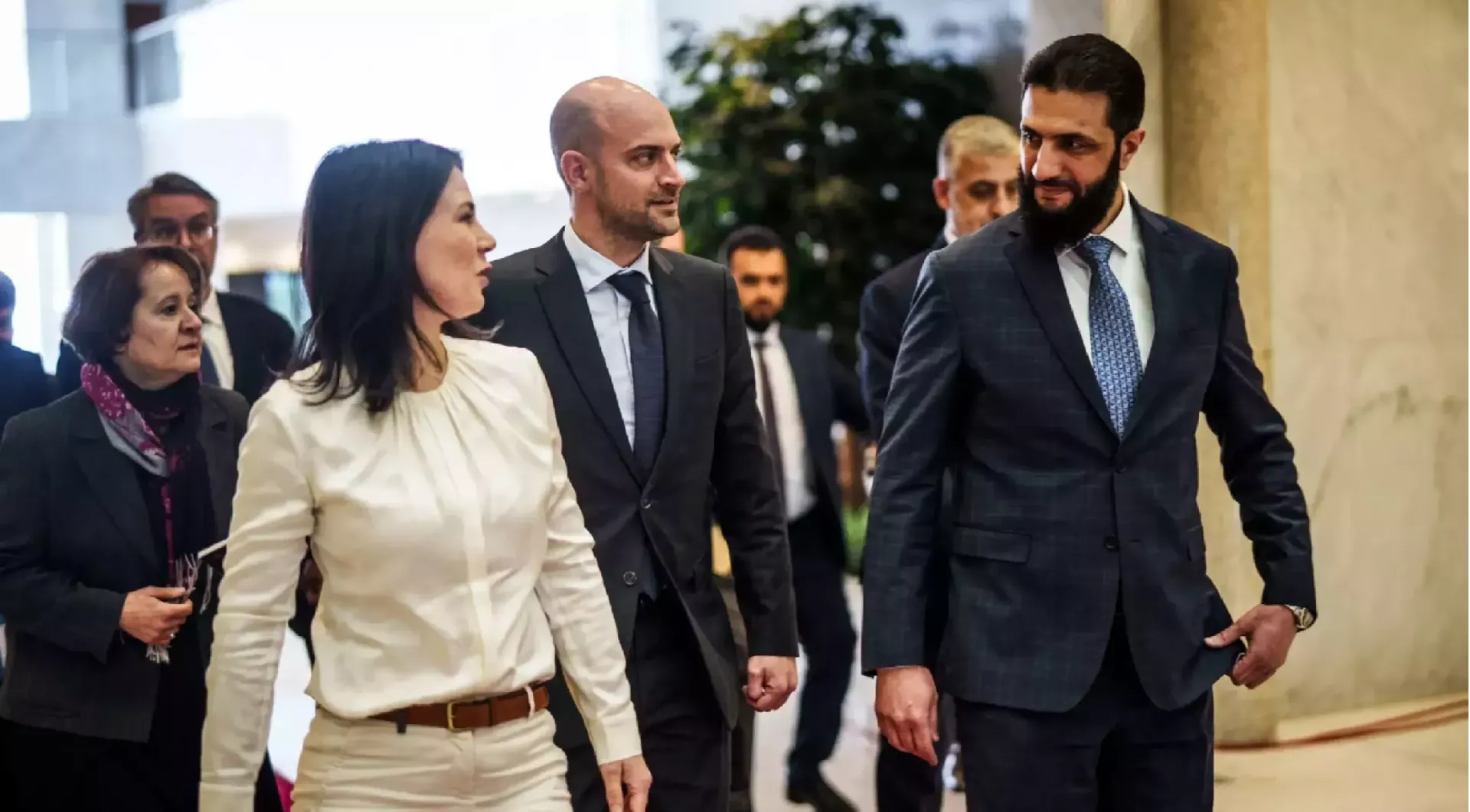
It was the turn of the leading European Union powers, although they, except for France, have little influence in the Middle East. Last week, German Foreign Minister Annalena Baerbock and her French counterpart Jean-Noël Barrot went to Damascus. The hosts did not shake hands with Baerbock, but they received her warmly. According to announcements, the head of the Italian diplomatic service is also visiting Damascus. This is likely a prelude to the recognition of the new Syrian government by European powers.
A few days before that visit, the EU's High Representative for Foreign Affairs and Security Policy, Kaja Kallas, said that Brussels should ease sanctions on Syria, as HTS had been "saying the right things" and that they expected actions from them, and that they should be freed from Russian influence by closing Russian military bases in Syria.
European Commission President Ursula von der Leyen was completely open. "We must now intensify our direct engagement with HTS and other factions," she said after a meeting in Ankara in mid-December with Turkish President Recep Tayyip Erdogan.
The visits of German and French diplomats were followed with great interest throughout the Middle East. The authorities in Damascus are seeking the lifting of Western sanctions and aid in rebuilding the country, and in return, they are asked, at least formally, to respect human and minority rights and to combat terrorist threats.
European Concerns and Plans
But European powers have other things in mind, and the issue of democracy is the least important in the long term, although the image of the authorities in Damascus is important in the short term. Europeans want to discuss energy, then Israel's security, the position of Iran and Russia, and finally, the return of Syrian refugees.
Europeans are concerned about Ankara's growing influence in the Middle East, as Turkey is becoming an energy hub for energy from Russia, Azerbaijan, Iraq, and in the future, perhaps from Syria, Qatar, and Libya. Ankara's independent policy worries Brussels, as it is clear that Erdogan is playing according to Turkey's interests. Any further strengthening in the Middle East gives him additional power.
If the new Syrian government were to play a more independent role in relation to Ankara, then Brussels could hope to reduce its energy dependence on Turkey. Namely, some European countries receive natural gas through TurkStream, which has become particularly important for Europeans and Russia after Ukraine decided to cut off supplies through its territory.
Furthermore, European powers expect the new government in Damascus to leave Israel alone and to push Russia and Iran out of Syria, which would consequently mean weakening Hezbollah in Lebanon in the case of Tehran, a country where France has a strong influence and long-term interests. Barbara Leaf also called for the expulsion of Iran from Syria, saying after the meeting in Damascus that "if I am to judge by today, Iran will have no role and should not have one."
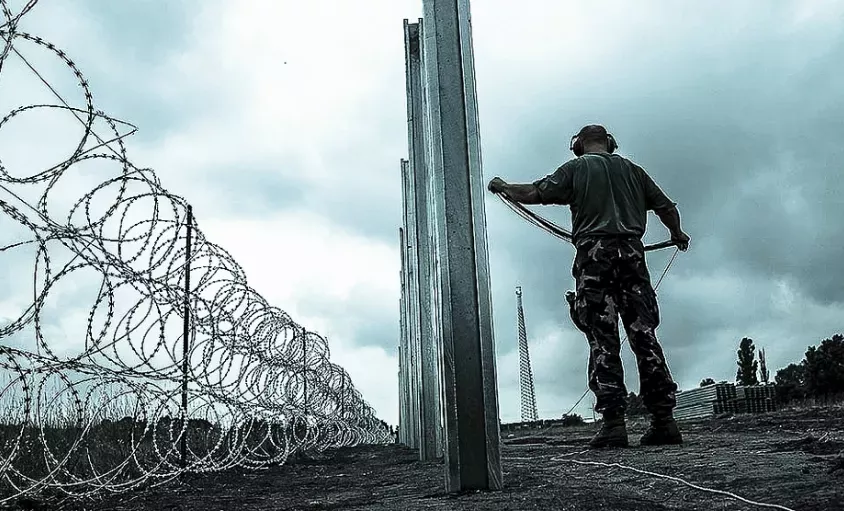
Finally, there is the issue of Syrian refugees and migrants. The issue of illegal migration is becoming an increasingly important political issue in many Western countries, and parties that oppose it are gaining strength from election to election. The trend of changing migration policy began before Assad's fall.
(In)stability of Syria and European Governments
For the aforementioned plans to be realized, Syria's stability must be ensured for a period, and its economic position must be improved simultaneously. Al-Sharaa said at the end of December that the new government would work on stabilizing the situation in Syria and that Syrians would feel the changes in about a year, but that elections might not be held for another four years.
This stability has already been recognized by the German authorities. The government announced a plan this week for the return of refugees from Syria, considering the country safer after Assad's fall. A few weeks ago, Germany suspended processing asylum applications from Syrians.
Agencies report that there are about 975,000 Syrian refugees in Germany, with about 300,000 residing on the basis of war status. Their stay will be denied when the government assesses that peace has been established in Syria, and those who have jobs, speak German, or are in education will be able to remain in Germany. Those who express a desire to return to Syria will be subsidized by the German authorities. As elections are held in Germany at the end of February, it is believed that the plan will yield results by then. Otherwise, those who oppose migration could gain additional popularity.
In other European countries, this recipe could be replicated, and Turkish authorities are already working on the return of millions of Syrians they have hosted for years.
The swift action of Brussels, Paris, and Berlin is a novelty. These centers of power often used to follow Washington's lead, expecting the world's largest power to lead its allies. In recent months, likely also out of fear of uncertainty with the newly elected US President Donald Trump, Europeans have been acting more decisively.
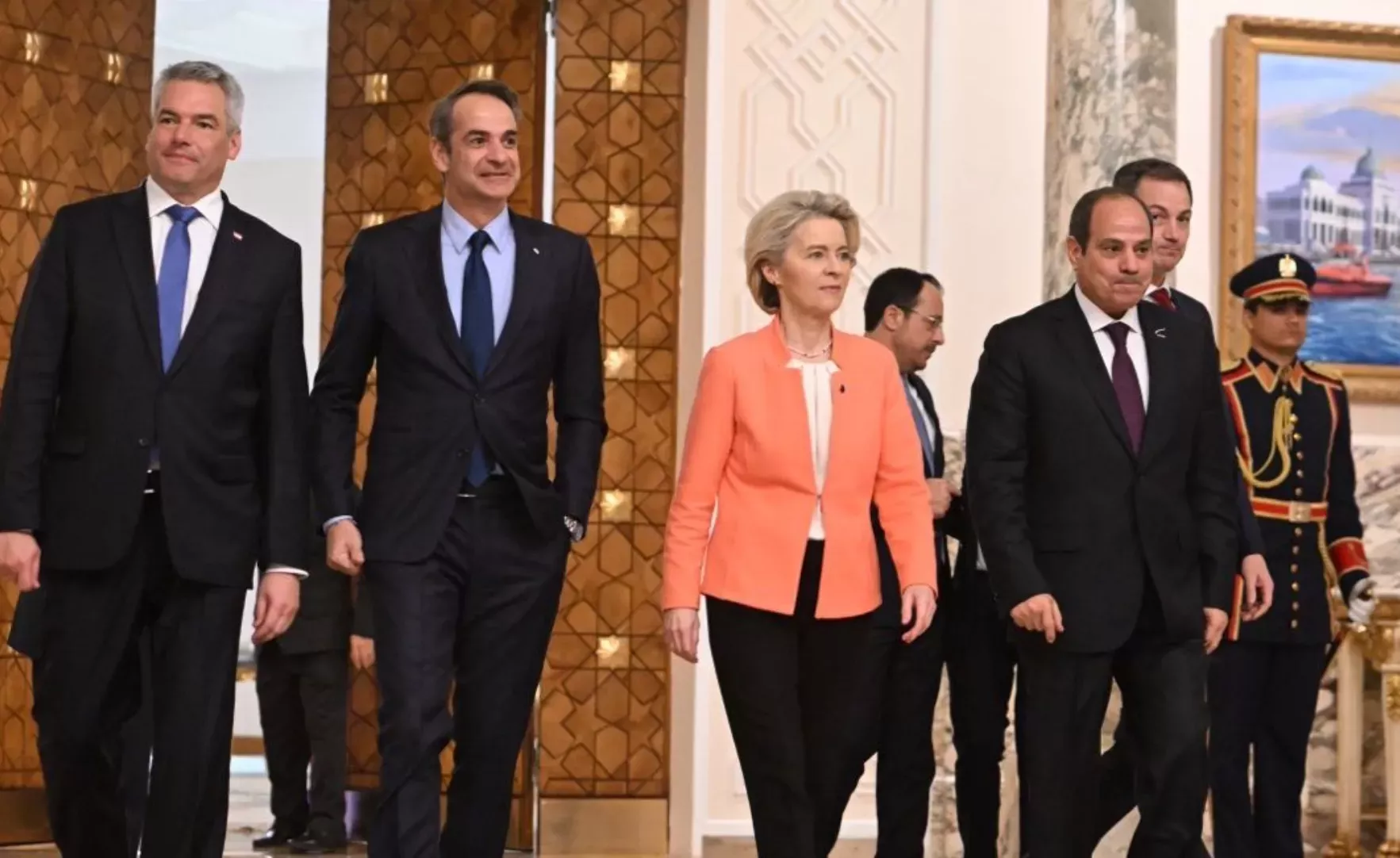
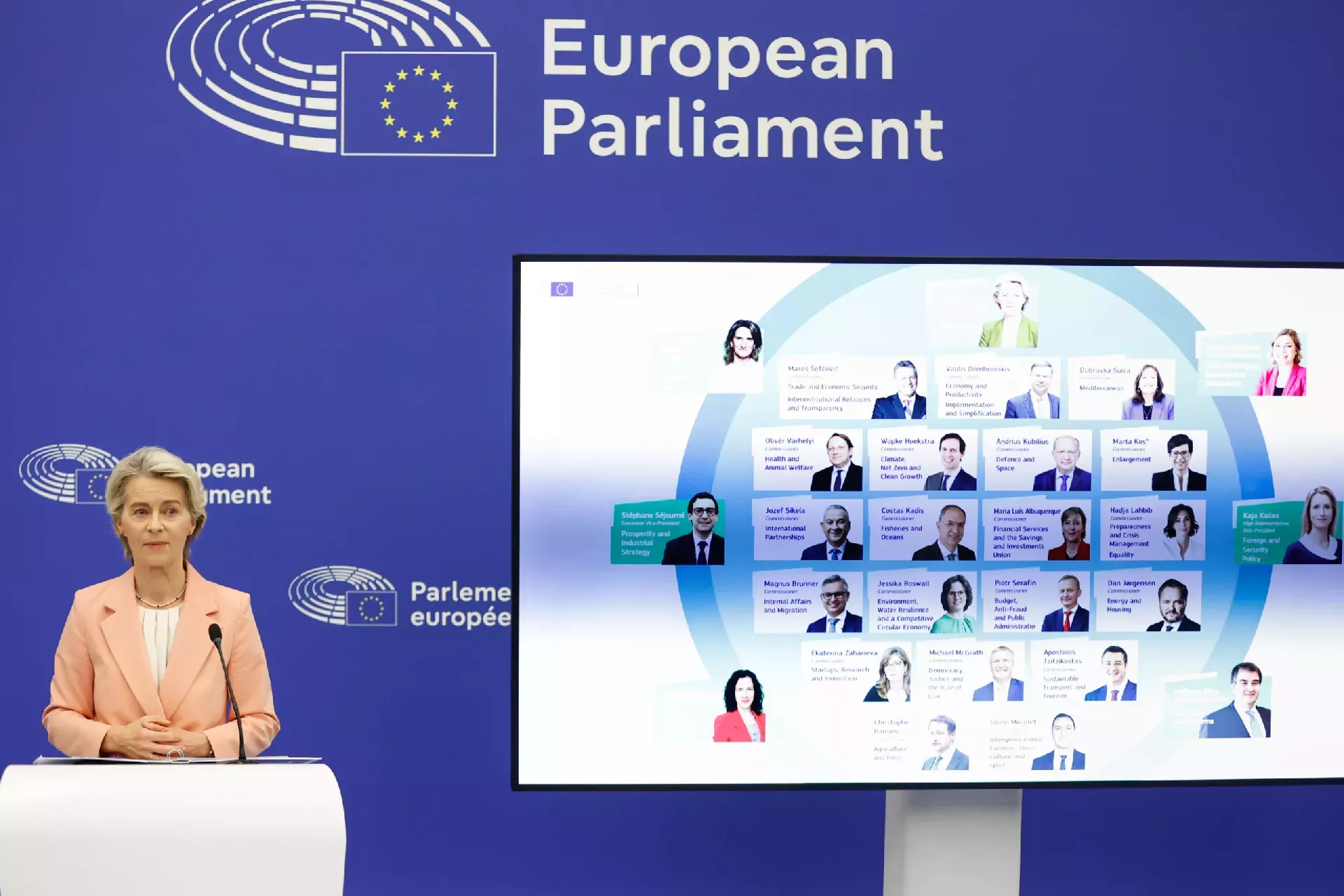
The change of government in Damascus and the redrawing of new spheres of influence in the Middle East have shaken the old European powers, even though it has come at the very end of the mandates of the current French and German governments. In contrast, the new composition of the European Union bodies has just begun and seems to have a plan.
Komentari (0)
Prijavite se za komentiranje
PrijavaJos nema komentara. Budite prvi!
Minuta
Sve →Iz drugih kategorija

High Representative Not Elected: Germans, French and British Sabotaged Americans, New Attempt at End of June

ČOVIĆ WITHOUT MERCY: How Those Who Brought Ademović to Office Created a Political Hell for Him



Sunny Saturday, quite warm



Tragedy in Albanian resort: Two minors drown












