
By: Armin Sijamić
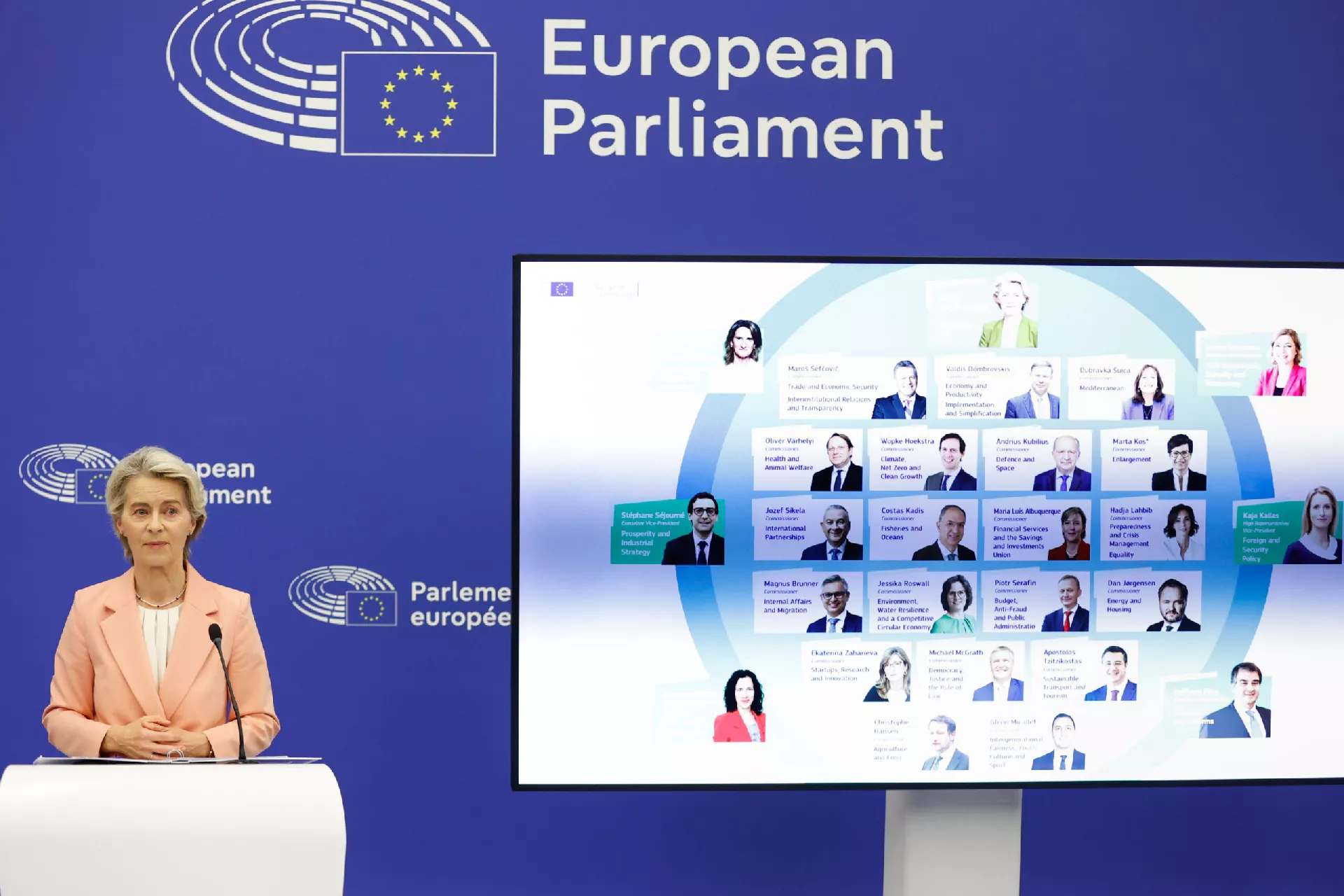
European Commission President Ursula von der Leyen presented the composition of that body for the next five years on September 17. It is a list of 26 candidates for specific portfolios, who will ultimately be rejected or accepted by the European Parliament after hearings. A couple are expected to be replaced, but no one doubts that those selected for the most important portfolios will receive support. Some of them will be responsible for the part of the world we live in, directly or indirectly.
Citizens of the European Union elected a new European Parliament from June 6 to 9. All the fears, artificially inflated, that the far-right would gain a majority in parliament and then shape the European Commission, proved unfounded. Nothing radical has changed after the elections, as those who held the main levers kept them, and Von der Leyen retained her position.
The strengthening of the far-right in Italy, later "smoothed out" through a kind of acceptable right-wing in an attempt to change Prime Minister Giorgia Meloni's policy, is reflected in the new European Commission in the proposed Executive Vice-President of that body, one of six. Prime Minister's associate Raffaella Fitto, in addition to the vice-presidential role, has been given the portfolio for Cohesion and Reforms, a position that overlaps with every portfolio in which he might wish to implement changes.
Other "problematic" members of the European club, such as Slovakia and Hungary, received trade and animal welfare. Oliver Varhelyi, known to our public, who was responsible for the enlargement of the European Union in the previous term and had almost no success in that job, should be responsible for the health and welfare of animals within the Union for the next five years.
Russia and Migration
The European Commission will continue its current course, but with some new policies and commissioners. The new commissioners promise this, if their biographies are anything to go by. Alongside Von der Leyen, the most important role will be held by former Estonian Prime Minister Kaja Kallas. She has been assigned the portfolio for Foreign Affairs and Security. Known for her tough policy towards Russia and as a proponent of aid to Ukraine, she is a guarantee to Kyiv and Washington that the EU will remain in its current position regarding the war in Eastern Europe.
The Baltic bloc in the Commission has also been strengthened by former Lithuanian Prime Minister Andrius Kubilius, who has been entrusted with defense. Also known as an opponent of the Kremlin, Kubilius will have the task of building a European army and strengthening defense mechanisms within the newly established department. There is also former Latvian Prime Minister Valdis Dombrovskis in the economy portfolio. From Central Europe, from Poland, the only EU country connected by land to the Baltics, comes Piotr Serafin, who will be entrusted with the budget.
The appointment of Kallas, Kubilius, Dombrovskis, and Serafin indicates that European policy towards Russia will not change, as they all come from countries that have strongly supported Ukraine in resisting Russian aggression. Thus, the Kremlin will face a group of people who lived in the former USSR, or in the Eastern Bloc in the case of Poland, and who have experience of Russian domination.
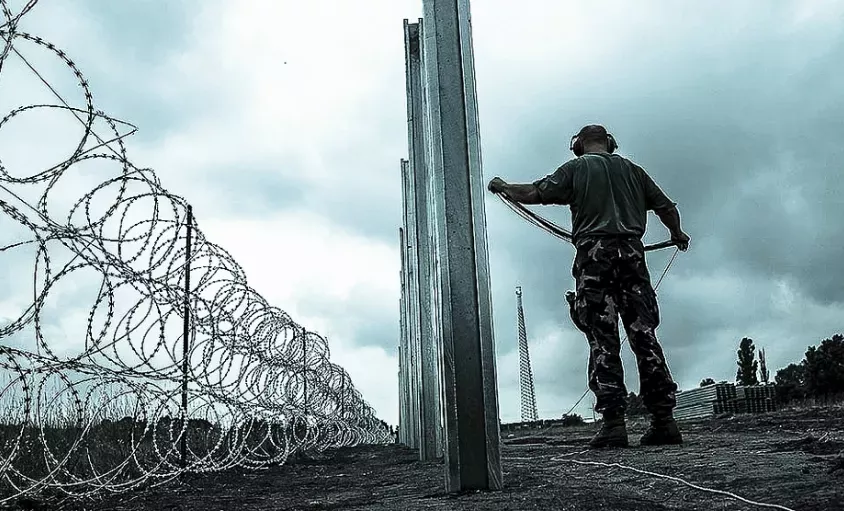
Where European policy will change is in the portfolios of migration and internal affairs. Von der Leyen's proposal is Austrian Finance Minister Magnus Brunner from the conservative Austrian People's Party. The current Austrian government has been criticized for violating European regulations by closing borders and for wanting to use European money to build fences to combat illegal migration. Brunner at the head of this portfolio signals a long-awaited change in Brussels' policy towards migration.
European Union, Enlargement, and the "Western Balkans"
Finally, an important area for the part of the world we live in is the portfolio responsible for the enlargement of the European Union. According to media reports, Ukraine, Georgia, and Moldova expected this portfolio to go to someone from the aforementioned former Eastern Bloc. But that did not happen. Von der Leyen entrusted this position to Marta Kos, a diplomat from Slovenia.
Thus, the so-called "Western Balkans" will once again be handled by a person who "knows this region," which in Brussels is called what none of its inhabitants call it, or at least haven't called it for twenty years. There is no Eastern, Southern, or Northern Balkans in this context, and geographers would not include all the countries to which the term refers in the western part of the Balkan Peninsula.
The media in the region welcomed Marta Kos's appointment with approval, highlighting her impressive diplomatic biography, and no one doubts her good intentions towards the countries of the former Yugoslavia. Some pointed out her zero tolerance for corruption and commitment to the rule of law, which will likely be a major obstacle in dialogue with those she will negotiate with.
But that is not the biggest problem Kos might face. For more than a decade, some key positions in this part of the world have been held by people whom Kaja Kallas would, at the very least, sanction. Pro-Russian actors still hold important positions, and part of the West does not mind.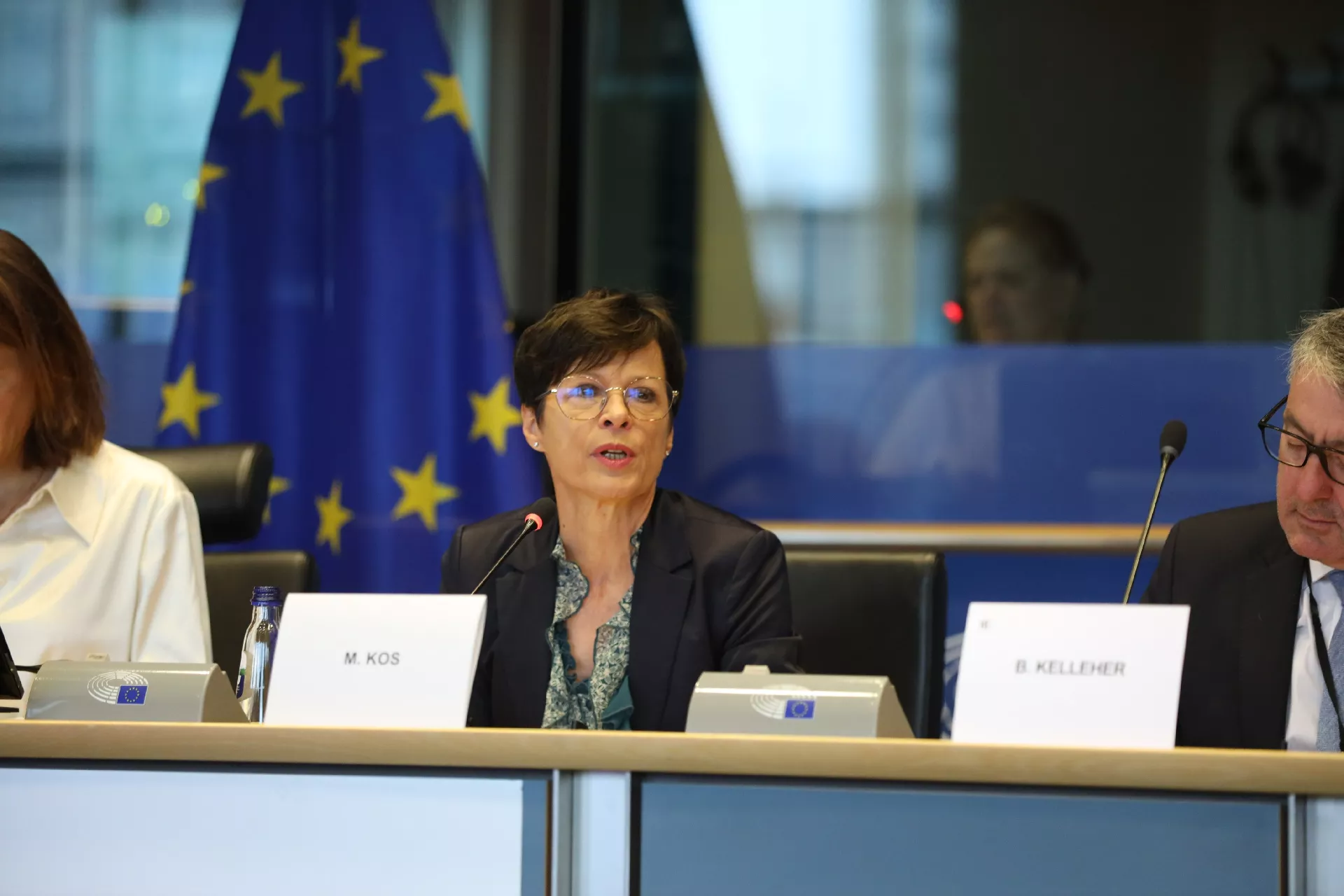
Marta Kos
These days, as the anniversary of the terrorist attack in Banjska approaches, and while official Belgrade remains silent about the attack on Kosovo police, and when Serbian President Aleksandar Vučić names alleged conspirators against his country from the United Nations, Serbia is talking about erecting a monument to Dragoljub Mihailović, a criminal and collaborator of Nazi Germany. This is possible because part of the West, including part of the European Union, gives unconditional support to Vučić in his intention to detach Serbia from Russia. In Montenegro, the head of parliament is the Chetnik duke Andrija Mandić, close to Vučić and supported by the votes of "pro-Western" parties, while the sovereignty of Bosnia and Herzegovina is threatened by the so-called Serbian world, and some forces oppose the execution of international court rulings.
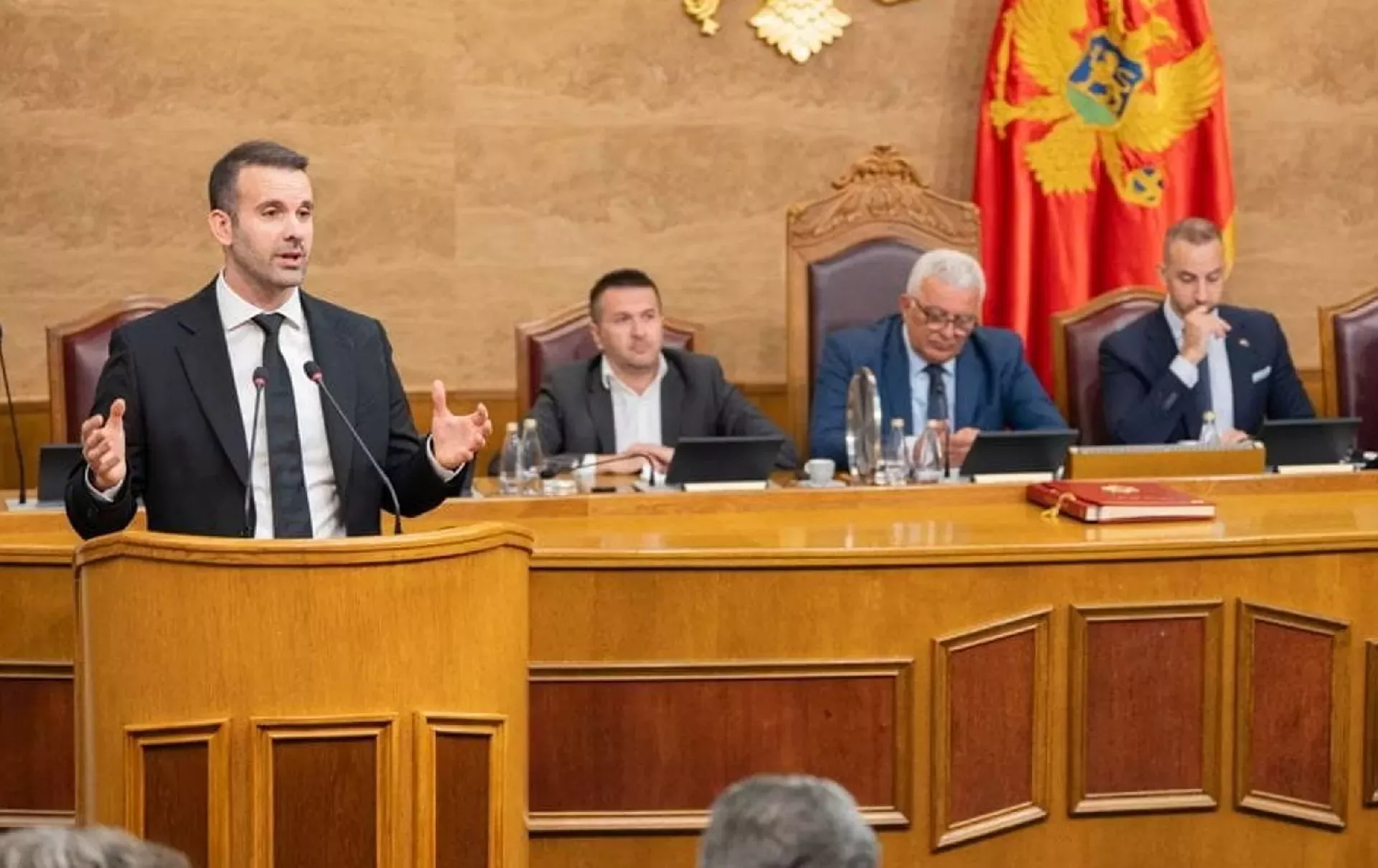
Nevertheless, the appointment of Marta Kos could be positive for at least that part of the social and political forces that desire membership in the European Union and do not want to "weigh" between Vladimir Putin and Brussels. If for no other reason, then because it will be clear who (does not) want this part of Europe to join or get closer to the European Union. This would be a good reason for Kos and Kallas to jointly address the part of the world to which Brussels sends billions of euros in aid and loans, and part of which ends up in the hands of pro-Russian and anti-Western forces.
Komentari (0)
Prijavite se za komentiranje
PrijavaJos nema komentara. Budite prvi!
Minuta
Sve →Iz drugih kategorija

High Representative Not Elected: Germans, French and British Sabotaged Americans, New Attempt at End of June

ČOVIĆ WITHOUT MERCY: How Those Who Brought Ademović to Office Created a Political Hell for Him



Sunny Saturday, quite warm



Tragedy in Albanian resort: Two minors drown












