
By Armin Sijamić
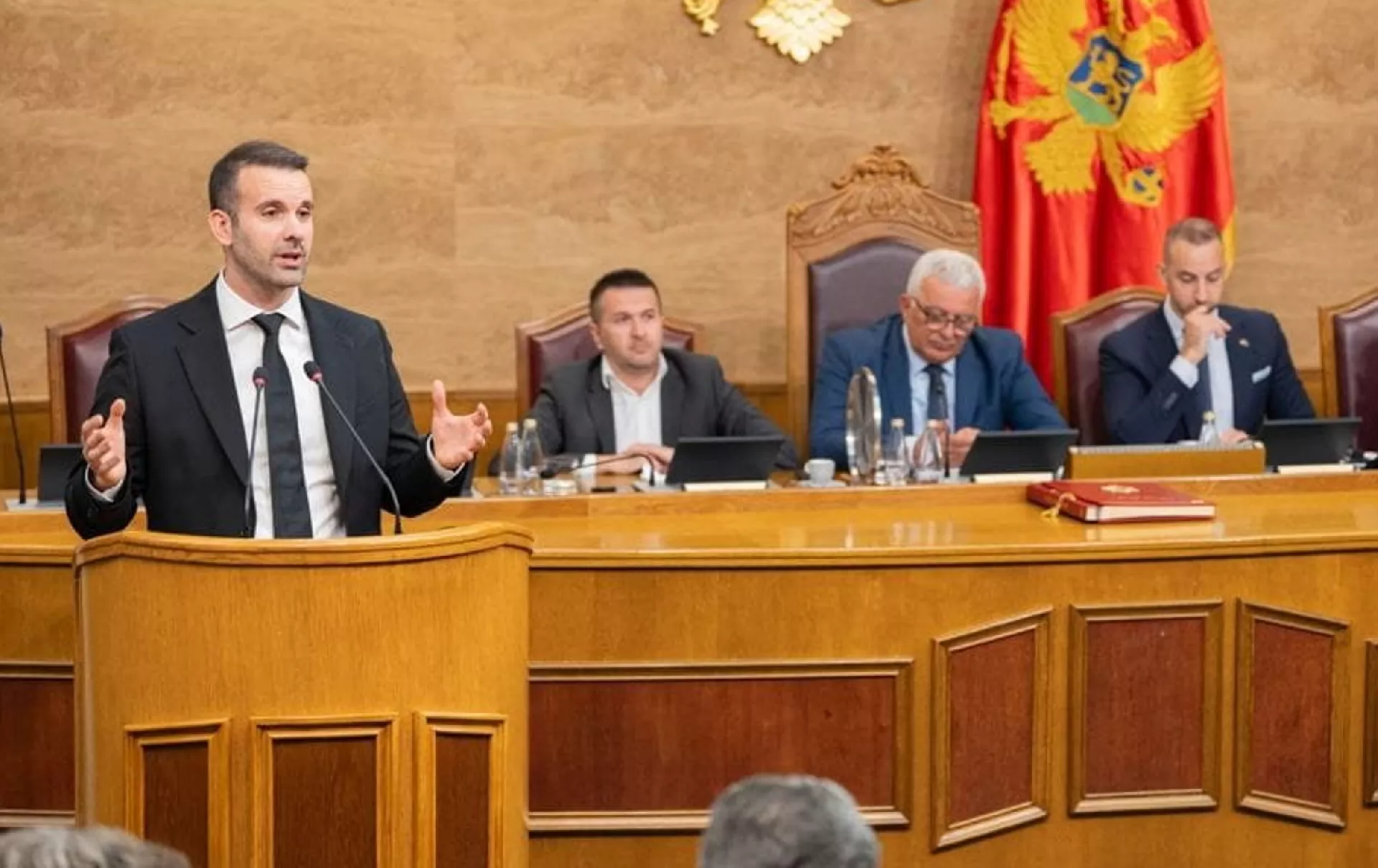
Some in the region were shocked by the Bosniak Party's (BS) decision to join the new Montenegrin government with Serbian parties, which refuse to abandon their nationalist policies. Some supported it, understanding the party's decision as the will of a political actor in an independent state. But, this is something else – that government is a continuation of what part of the West has planned.
The new Montenegrin government led by Milojko Spajić is practically a continuation of the previous one. Many saw that government as an expression of the "Serbian world," i.e., the policy pursued by Aleksandar Vučić. However, that is only partially true. Those who brought Spajić to power also brought Vučić, and they protect him today.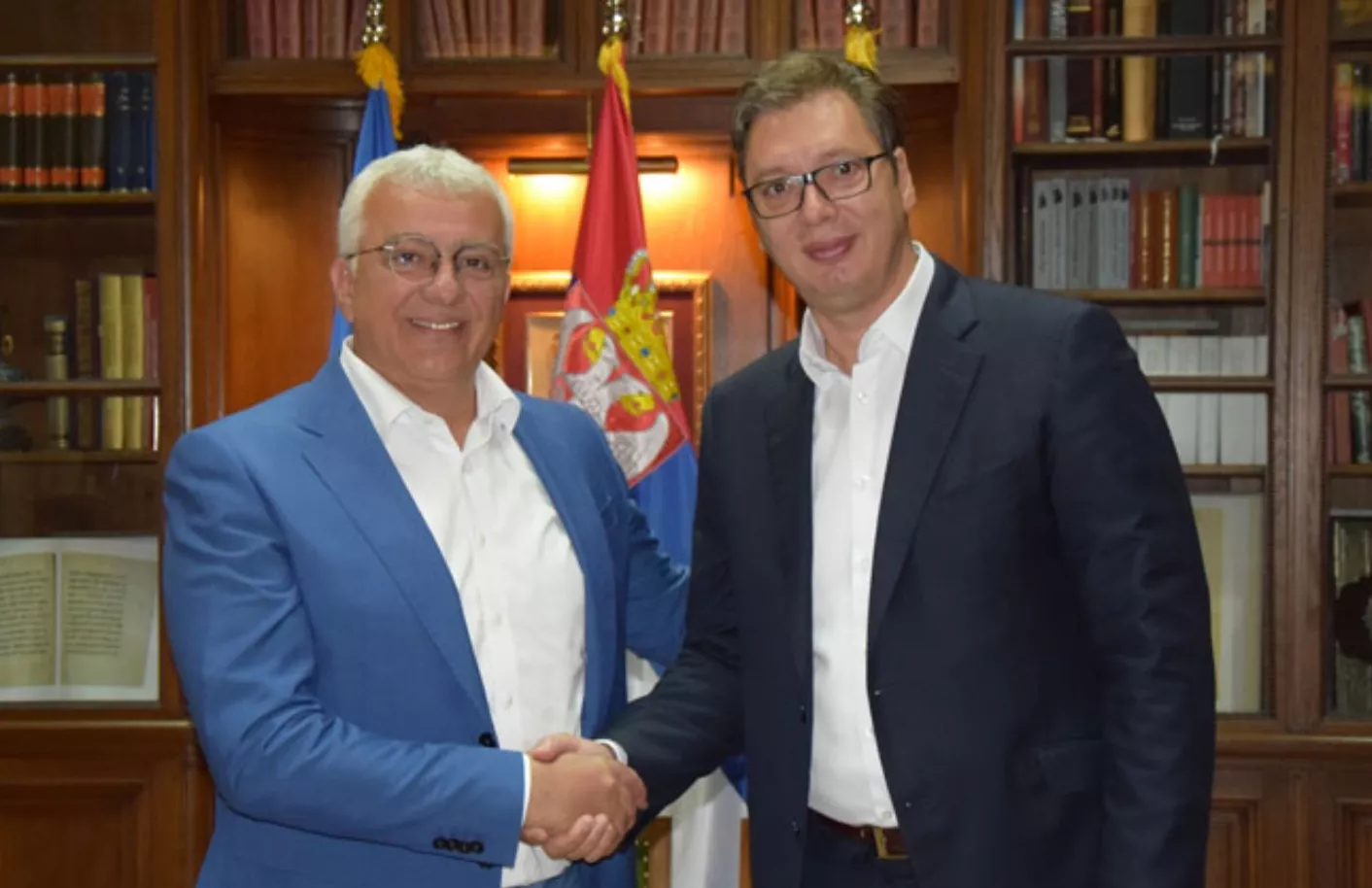
Mandić and Vučić
The entry of BS into power and Spajić's conciliatory tone about cooperation between peoples show that this "Serbian world" is not a space managed by Belgrade's nationalists and mythomaniacs, but rather an expression of the desire of part of the West to turn the Balkans, the part outside the European Union, into a space where rules and customs do not apply as in the rest of the continent, where political logic does not exist, and where "leaders" follow orders from outside.
Until a few years ago, Montenegro was among the multi-ethnic states enjoying democracy, stability, and a clear path to Brussels, while Milo Đukanović's policies made the country stronger and more important than it actually was. But the people decided differently in democratic elections, and that is a fact that justifies the West's behavior.
Montenegro today is living a parody of that stability, and the fact that its new government has more members than the governments of Italy or Germany speaks to the absence of any policy. To make matters more illogical, those who are for Vladimir Putin are in the government that is leading the country towards the European Union, while Spajić's and Dritan Abazović's previous governments imposed sanctions on Russia, with the opposition supporting it.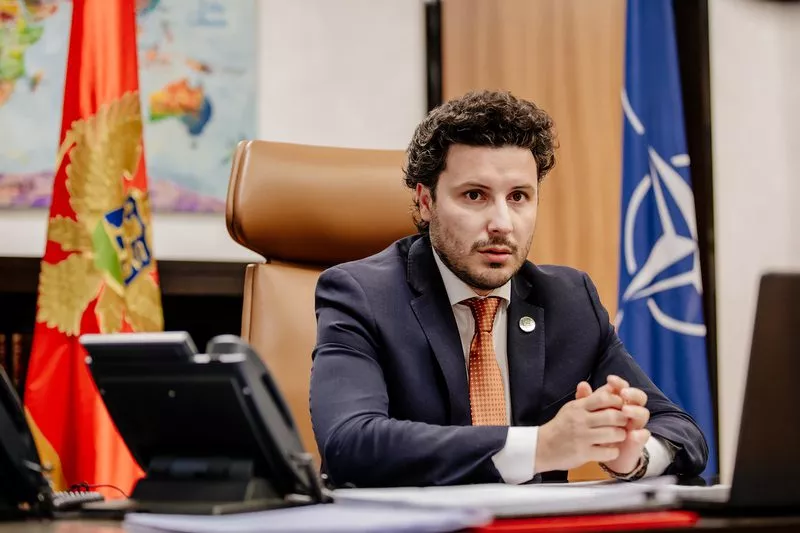
Dritan Abazović
Everything is true and nothing is true
It became clear soon after Đukanović's fall that they wanted to turn Montenegro into a state without politics and politicians, a state where politics is turned into a spectacle like any other. it was clear soon after Đukanović's fall. Now, governments are expected to change rapidly, as has been the case, for example, in Italy for decades.
The goal is to force people not to think about politics, to hand over state affairs to faceless technocrats, while reviving divisions, celebrating financial speculation, imposing sanctions on "brotherly" states, and serving a West they despise. Only in this way is it possible for a media outlet to write that the Socialist People's Party of the notorious Momir Bulatović, which belongs to the "moderate Serbian right," is also joining the government.
A logical continuation of such a policy is the splitting of old parties and the founding of new ones, which Montenegro has witnessed for several years, while new ones are being formed with former and current political cadres. It is likely that the Bosniaks will go to the next elections in several blocs, as will the Serbs and Montenegrins.
However, the "moderate Serbian right," like any Serbian party, has not been given ministries of police, defense, foreign affairs, energy, etc., in the new Montenegrin government, which speaks volumes about the trust they have from those who formed the government. But Serbian parties can celebrate, because they now have ministers, after being government secretaries, advisors, and members of supervisory boards for four years. When the government was appointed in parliament, Milan Knežević, one of the most prominent Serbian politicians in that country, said: "We have not abandoned any of our principles... We have remained unchanged since 2012."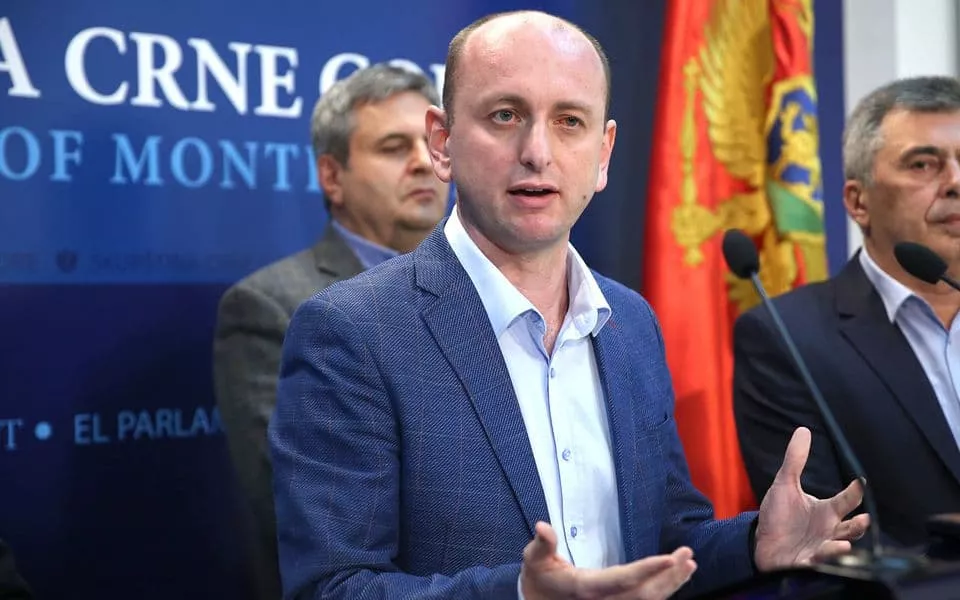
Milan Knežević
What does the new government want?
What the new government wants is unclear, while the opposition claims that there is not a single Montenegrin in its composition. Spajić's party won the last elections by playing a double game – fighting Đukanović's crime and economic reform promising less work and higher wages. Montenegrin media report that crime in that country is so widespread that it reaches the highest levels of several political parties, and economists claim that the plan is unfeasible without enormous borrowing.
However, this will not prevent the government from moving forward, from crisis to crisis, from reconstruction to reconstruction. In a society that produces conflicts, this is the driving force for action. At the moment, Podgorica has no government, Budva has no parliamentary majority, and Nikšić periodically experiences scandals with Chetniks. But this is not enough to leave the political scene; rather, it is a guarantee that support will be gained. Let's remember that the current president, Jakov Milatović, who has since parted ways with his party colleague Spajić, won the presidential elections without any clear policy.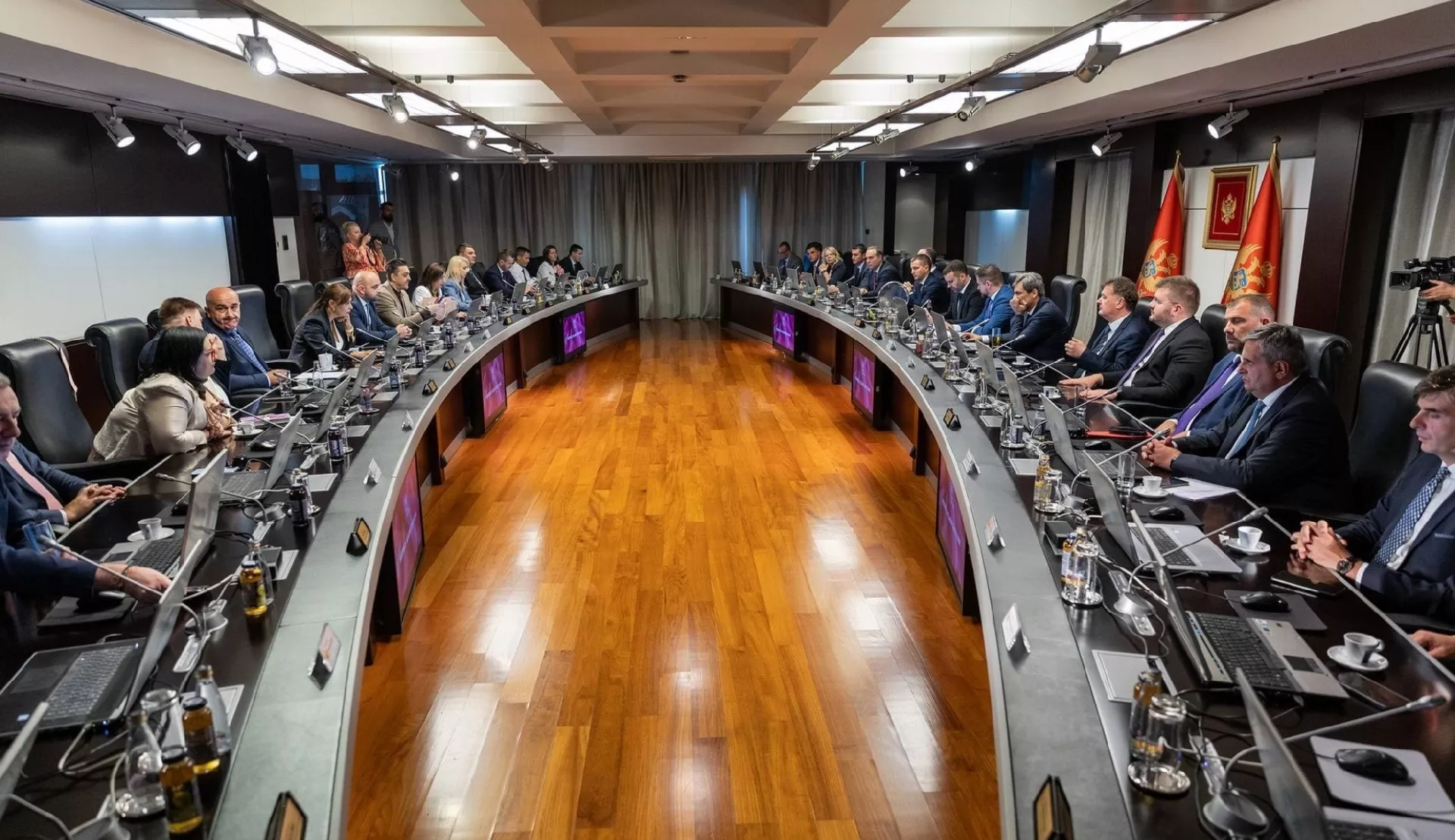
New Government of Montenegro
There is already debate about how long this government will last, after Spajić's previous one lasted nine months, and whether Montenegro will have early elections. For Montenegrin circumstances, this is less important, as long as this balance of power exists and as long as the West pursues such a policy towards the so-called "Western Balkans," which is being forced to accept that anything is possible and acceptable here. One should not be surprised if we again see cooperation between Đukanović's Democratic Party of Socialists and Serbian parties, or any other.
What does the West want?
It is well known that the West is tired of Balkan leaders, even those it has supported. Those who have ruled for the last thirty years have forced even the most well-intentioned politicians in the West to abandon their policies towards this part of the world. But what we have witnessed in recent months is frightening. Let's mention just a few recent examples.
First, the United States and the EU turned a blind eye to the attack in Banjska last September, when police were attacked. In an effort to distance Vučić from Russia, this attack, which could have caused a war in Kosovo, was suppressed from public view and the perpetrators were not punished.

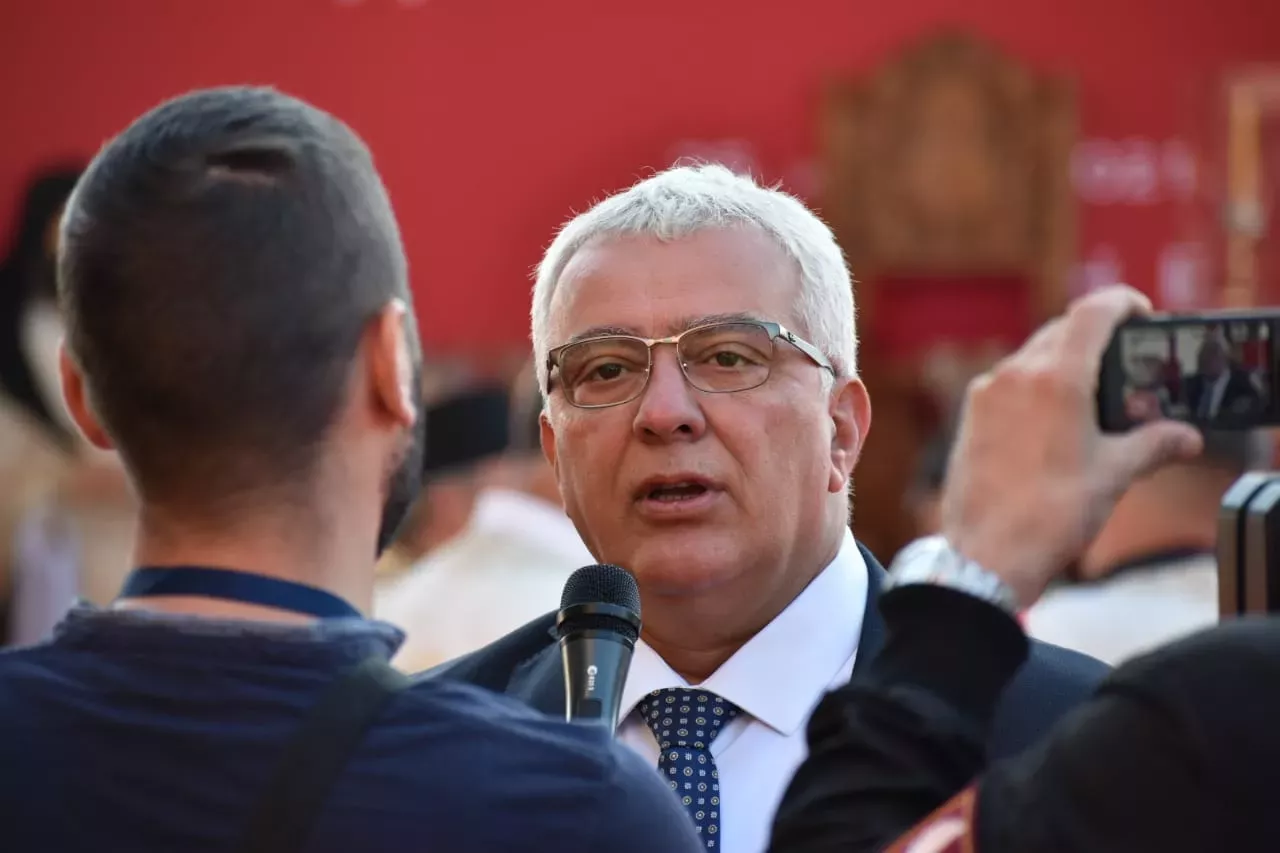
After that, the West allowed a Chetnik commander Andrija Mandić to head the Montenegrin parliament, which was a harbinger of the new normal, while talking about reconciliation and European values. Mandić also supported the new "pro-European" Spajić government.
In recent weeks, Serbia has continued its narrative about lithium mining, once again proving that the proclaimed "Serbian world" is a danger to both Serbs and those who live with them. With the support of German Chancellor Olaf Scholz and European Union officials, Vučić intends to open mines for "critical raw materials," which experts say will devastate dozens of kilometers in the surrounding area, polluting water, land, and air. The village of Gornje Nedeljice near Loznica is the epicenter of the struggle between opponents of the project and the government, and it is located about fifteen kilometers as the crow flies from the Drina River and about fifty from Tuzla.
Such a policy by the West is a slap in the face to everyone in this part of the world who desires European standards, who have fought for them for decades, often risking everything in the fight against the West's current favorites. After Banjska, Chetniks in the Montenegrin government, lithium mines in populated areas, discrimination in Bosnia and Herzegovina, repeatedly stolen elections across the region, the deceived Skopje regarding the change of the country's name, the bringing in of illegal migrants... one must ask if there is an end to these and similar policies and in the name of what values is it being done.
Komentari (0)
Prijavite se za komentiranje
PrijavaJos nema komentara. Budite prvi!
Minuta
Sve →Iz drugih kategorija

High Representative Not Elected: Germans, French and British Against Americans, New Attempt at End of June

ČOVIĆ WITHOUT MERCY: How Those Who Brought Ademović to Office Created a Political Hell for Him



Sunny Saturday, quite warm



Tragedy in Albanian resort: Two minors drown












