
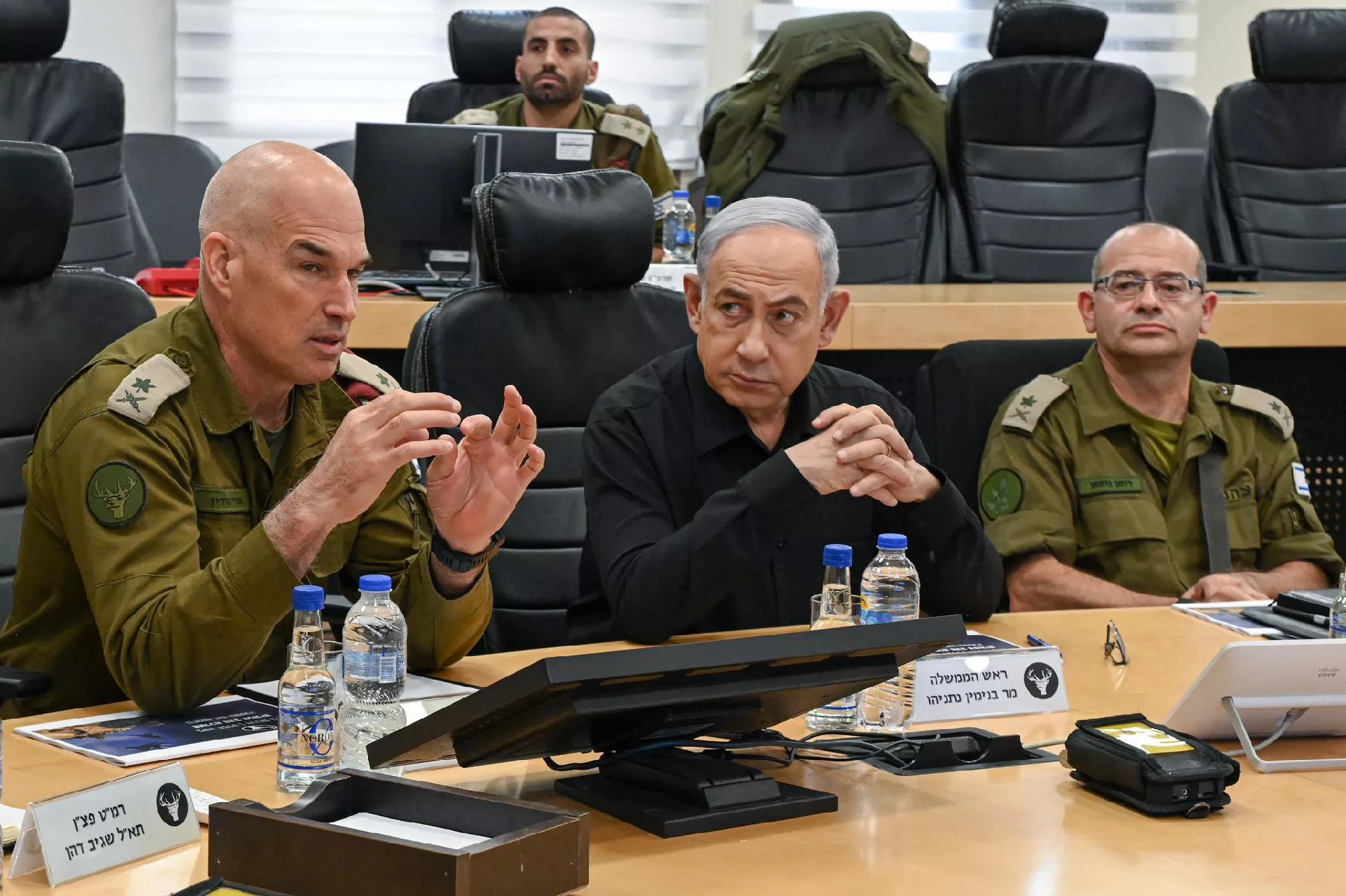
(Patria) - The viability of the US-backed proposal to halt the eight-month war in Gaza was called into question today after Israeli Prime Minister Benjamin Netanyahu said he would be willing to agree only to a "partial" ceasefire deal that would not end the war.
In an interview aired late last night on Israel's Channel 14, a conservative, pro-Netanyahu station, the Israeli leader said he was "ready to make a partial deal — it's no secret — that will return some of the people to us," referring to the approximately 120 hostages still held in the Gaza Strip.
Sensitive moment
- But we are committed to continuing the war after the pause, in order to complete the goal of eliminating Hamas. I am not ready to give up on that, Netanyahu said, as reported by VOA.
His comments did not dramatically deviate from what he has previously said about his conditions for a deal. However, they come at a sensitive moment as Israel and Hamas appear increasingly at odds over the latest ceasefire proposal, and could represent another step backward for mediators trying to end the war.
Netanyahu's comments were in stark contrast to the outlines of the deal detailed late last month by US President Joe Biden, who presented the plan as an Israeli one and which some in Israel call "Netanyahu's deal."
His remarks could further strain Israel's ties with the US, its main ally, which has launched a major diplomatic push for the latest ceasefire proposal.
The three-phase plan would lead to the release of the remaining hostages in exchange for hundreds of Palestinians imprisoned by Israel. But disputes and mistrust still exist between Israel and Hamas over how the deal unfolds.
Hamas has insisted it will not release the remaining hostages unless there is a permanent ceasefire and a complete withdrawal of Israeli forces from Gaza.
But Netanyahu says Israel remains committed to destroying Hamas's military and governing capabilities and ensuring it can never again carry out an attack like the one on October 7.
A complete withdrawal of Israeli forces from Gaza, where Hamas's top leadership and much of its forces remain intact, would almost certainly leave the group in control of the territory and able to rearm.
In the interview, Netanyahu said the current phase of fighting is ending, setting the stage for Israel to send more troops to its northern border to confront the Lebanese militant group Hezbollah, which could open a new war front. But he said that does not mean the war in Gaza is over.
During the initial six-week phase, the sides are supposed to negotiate an agreement on a second phase, which Biden said would include the release of all remaining living hostages, including male soldiers, and a full Israeli withdrawal from Gaza. The temporary ceasefire would become permanent.
Increased concern
Hamas appears concerned that Israel will resume the war after its most vulnerable hostages are returned. And even if it does not, Israel could in that phase of negotiations make demands that were not part of the initial deal and are unacceptable to Hamas — and then resume the war when Hamas rejects them.
Netanyahu's remarks have heightened that concern. Hamas said they represent "an unmistakable confirmation of his rejection" of the US-backed deal, which also received support from the UN Security Council.
In a statement late Sunday following Netanyahu's lengthy TV interview, Hamas said its position is "at odds" with what the US administration said Israel had approved.
The group said its insistence that any deal includes a permanent ceasefire and the withdrawal of all Israeli forces from the entire Gaza Strip "was an inevitable necessity to block Netanyahu's attempts to evade, deceive, and perpetuate the aggression and war of extermination against our people."
Netanyahu hit back and in a statement from his office said Hamas opposes the deal. He said Israel will not withdraw from Gaza until all 120 hostages are returned.
Hamas welcomed the broad outline of the US plan but proposed, it said, "amendments." US Secretary of State Antony Blinken, during a visit to the region earlier this month, said some of Hamas's demands were "workable" and some were not, without elaborating.
Families of the hostages have grown increasingly impatient with Netanyahu, seeing his apparent reluctance to move forward on a deal as tainted by political considerations.
A group representing the families condemned Netanyahu's statements, which it considered an Israeli rejection of the latest ceasefire proposal.
"This is an abandonment of 120 hostages and a violation of the state's moral duty towards its citizens," it said, stressing that Netanyahu is responsible for the return of all captives.
In its cross-border attack on October 7, Hamas-led militants killed 1,200 people and captured 250, including women, children, and the elderly.
Dozens were released under a temporary ceasefire agreement at the end of November, and of the 120 remaining hostages, Israeli authorities say about a third are dead.
Israel's retaliatory war has killed more than 37,000 Palestinians, according to data from the Health Ministry in the Hamas-run territory. It has caused a humanitarian crisis and displaced most of the territory's 2.3 million residents.
Komentari (0)
Prijavite se za komentiranje
PrijavaJos nema komentara. Budite prvi!
Minuta
Sve →Iz drugih kategorija

High Representative Not Elected: Germans, French and British Sabotaged Americans, New Attempt at End of June

ČOVIĆ WITHOUT MERCY: How Those Who Brought Ademović to Office Created a Political Hell for Him



Sunny Saturday, quite warm



Tragedy in Albanian resort: Two minors drown












