
By Armin Sijamić
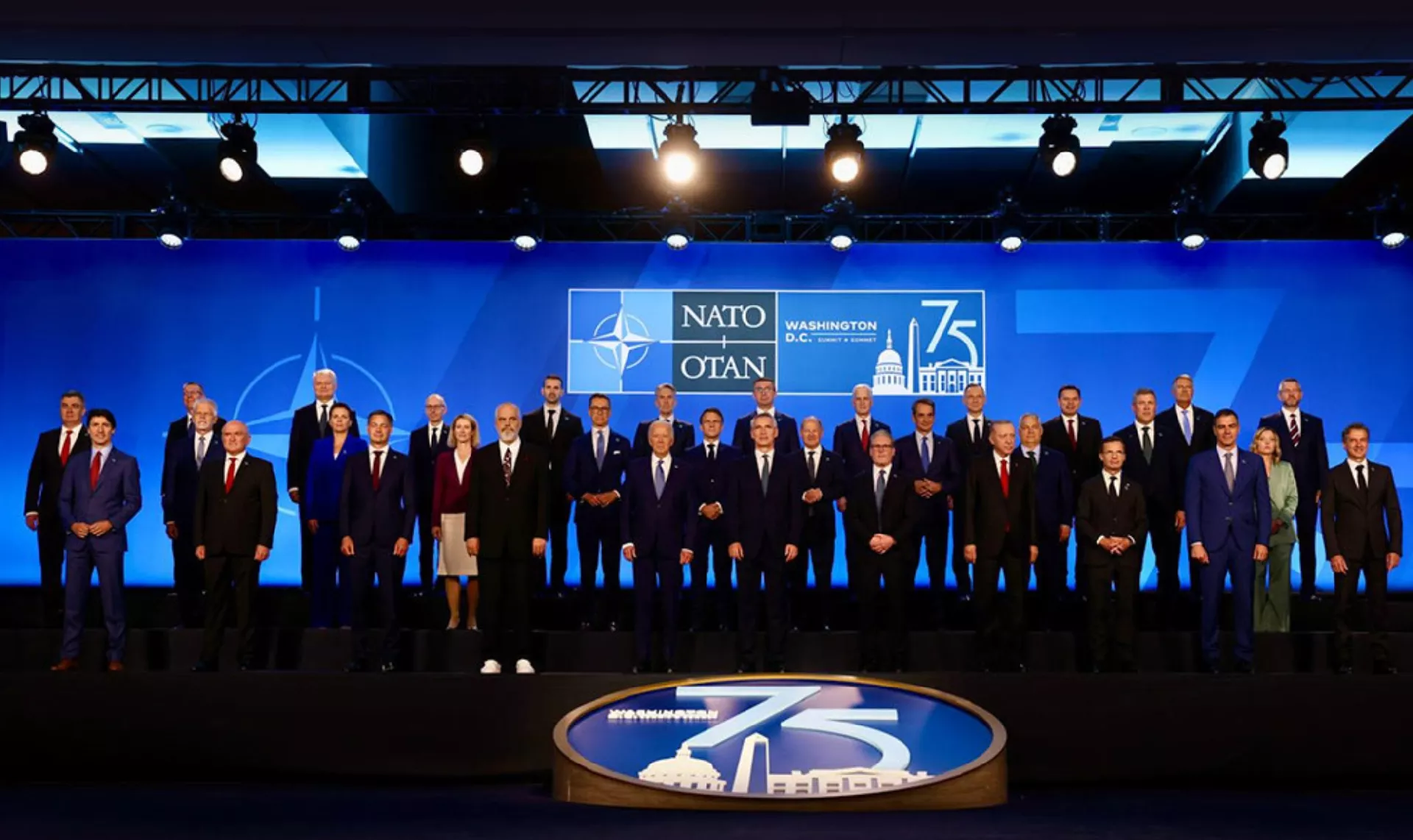
From July 9 to 11, a summit of NATO leaders was held in Washington, where, in addition to marking the 75th anniversary of this alliance, decisions were made that could shape the political and economic everyday lives of the West, Russia, China, and parts of the world where the interests of these powers clash.
NATO leaders and allies gathered in Washington this week, where this alliance was conceived and founded. The gathering came ahead of the November elections in the United States, which Donald Trump could win. Kyiv is particularly concerned about the outcome of these elections, after the results of the elections in the United Kingdom and France were favorable to its plans.
This was the last summit for NATO Secretary General Jens Stoltenberg before the former Dutch Prime Minister Mark Rutte takes office. Everything agreed upon at the summit, within the alliance and between member states and other countries, indicates that Stoltenberg had his hands full. It is difficult to list everything that was "put on paper" at this summit, i.e., on its margins, or in parallel with its duration. Let us mention just a few of these agreements.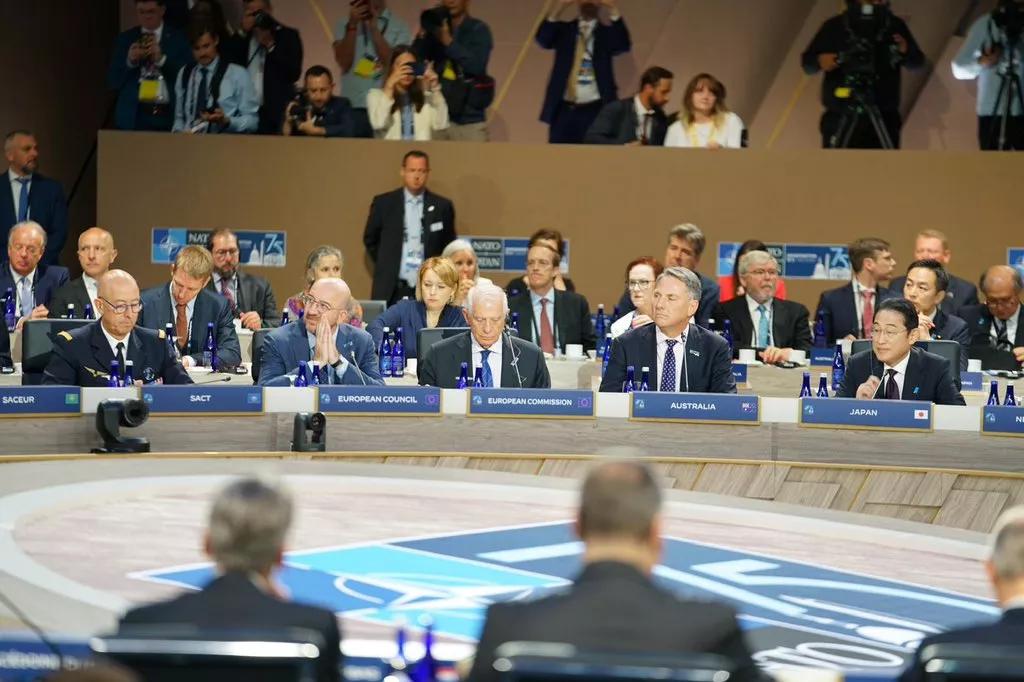
NATO ordered Stinger missile systems for $700 million, Norway will give Ukraine six F-16 aircraft, several members will help Ukraine's air defense with $93 million, the US will provide Kyiv with military aid worth $225 million, Sweden will give Ukraine two surveillance aircraft, the US will increase its presence in Poland and Romania with air defense systems, and will deploy long-range missiles in Germany. NATO will open a mission in Jordan, a strategy on artificial intelligence and cybersecurity was adopted, strengthening the military industry of member states was agreed upon, London gave Kyiv permission to use its weapons to strike targets in Russia, and France, Germany, Italy, and Poland agreed to develop a long-range cruise missile. Greece, Bulgaria, and Romania signed an agreement on the rapid cross-border movement of troops and weapons, Kyiv will receive forty billion dollars in aid...
Russia and Ukraine
The above indicates the determination of NATO and the US administration to preserve the unity of the alliance and to help Kyiv win the war against Russia. This is especially important if Trump returns to the White House and decides to feed American isolationism at the expense of European allies.
NATO members have shown that they are ready for confrontation. The deployment of American missiles and interceptors in Germany and Poland is one piece of evidence of the West's determination. Russia will respond to such a move, which will mean further stockpiling of weapons in Europe, including the most advanced and destructive ones. Previously, Russia deployed tactical nuclear weapons in Belarus.
In addition, Russia will face new modern weapons that Ukrainians will receive, in line with the West's message that Kyiv must not lose the war. This is just a continuation of the trend that became apparent in the middle of this year when Kyiv received permission to strike targets in Russia.
For months before the summit, Ukraine was announced as the main topic, specifically the possibility of this country becoming a member of the alliance. Of course, this is not realistic as long as Russian troops are in Ukraine, but it was clearly stated that it is not a question of whether, but when it will happen. US Secretary of State Antony Blinken said that Ukraine is "irrevocably" on the path to membership and that it will happen as soon as the war ends. In November, Stoltenberg said that "Ukraine is closer to NATO than ever before".
However, Ukraine can be satisfied with the summit, as its army will receive training and necessary equipment. It was previously agreed that NATO would coordinate aid delivery to Ukraine, and numerous bilateral agreements signed by Kyiv further strengthen its army. So far, over twenty countries have signed such an agreement with Ukraine. Essentially, this was part of what was initiated at last year's NATO summit in Vilnius.
Warning to China
The decisions related to Ukraine, Russia, and actions in Europe were expected and follow the course that NATO has taken since the beginning of the Russian aggression against Ukraine, under the pretext that it wants to prevent this country from becoming part of the most powerful military alliance in the world.
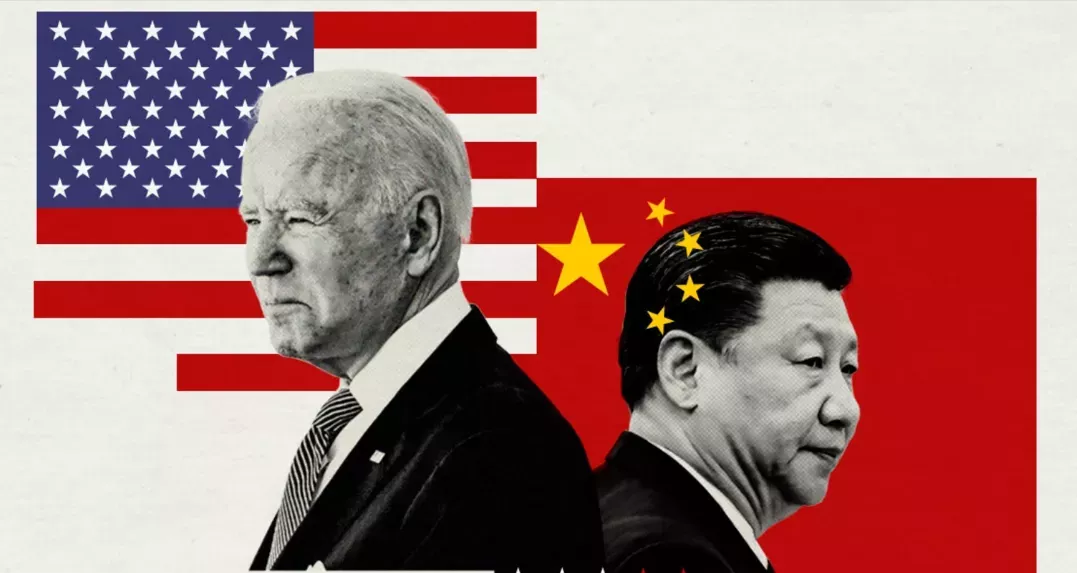
But another NATO decision is quite a surprise to many, although it essentially plays into the hands of both Trump's and Biden's policies of containing China. In the summit declaration, China is described as the "decisive enabler" of the Russian military machine, as it provides Moscow with "dual-use equipment." Essentially, this is a warning to Beijing that NATO is ready for other moves, meaning that member states could reconsider further cooperation in an effort to prevent Beijing from helping Russia.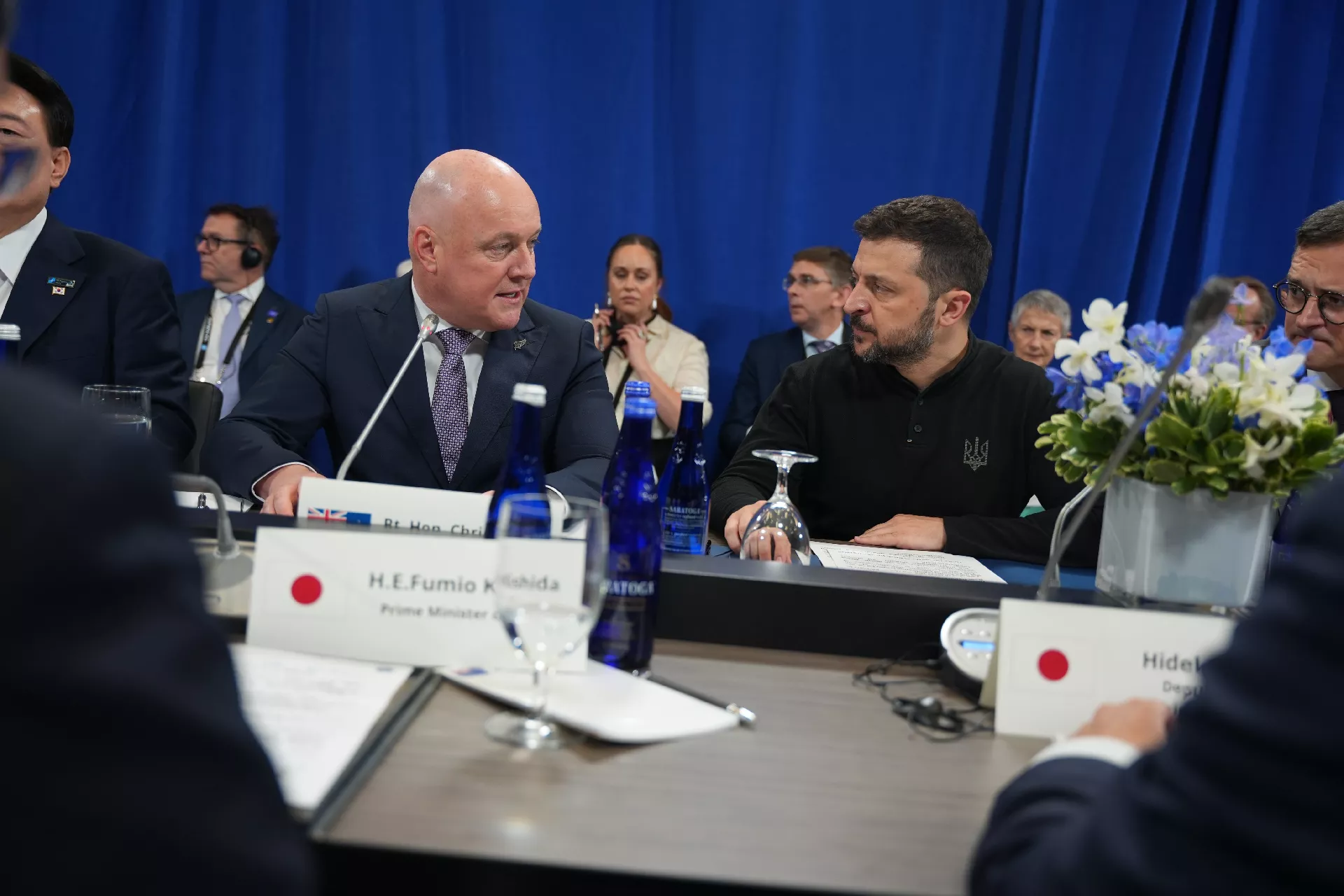
"As we all know, China is not the creator of the crisis in Ukraine," said the spokesperson for the Chinese mission to the European Union. "The declaration of the NATO summit in Washington is full of Cold War mentality and warmongering rhetoric, and the content related to China is full of provocations, lies, incitement, and slander," he added. And the spokesperson for the Chinese Ministry of Foreign Affairs said: "We firmly oppose NATO acting outside its mission as a regional defense alliance, interfering in the Asia-Pacific region to provoke conflict and rivalry, and undermining prosperity and stability in this region."
Hungary also joined in defending China's positions, with its Foreign Minister Péter Szijjártó saying that his country will not tolerate NATO becoming an "anti-China" bloc. Hungary has concluded valuable economic agreements with China, so it is essentially trying to protect its interests and indirectly indicates what measures the West might take against Beijing.
However, China's behavior in the South China Sea is the main reason for NATO's involvement in the Indo-Pacific region. Leaders from Japan, Australia, New Zealand, and South Korea attended the summit to once again show that their fear of Chinese aspirations is pushing them under the American umbrella, which is the only one that can save them from Beijing's growing power.
A New Iron Curtain
The Russian aggression against Ukraine has been ongoing for almost thirty months and is simultaneously creating a new Iron Curtain in Europe. The question is where this curtain will be placed, and the answer depends on the balance of power on the battlefield in Ukraine. But when the weapons fall silent, numerous obstacles will remain that will separate Russia and the rest of the continent for a long time.
The war in Eastern Europe and in the Gaza Strip slowed down American strategists from focusing on China, which Barack Obama had announced, telling Europeans and allies to prepare for that scenario. Without the war in Ukraine, the American military presence in Europe would have been reduced, but with the Kremlin's "special military operation," the continent has been led to unite, invest more in the military, and isolate Russia.
The message to China from the summit is precisely about the new Iron Curtain, i.e., the question of which side Beijing wants to be on. The severe sanctions that the West has imposed on Russia have severed economic ties. The message to China that it is responsible for the Russian army continuing to fight in Ukraine is a warning that the West could begin to sanction Beijing more strongly, which Trump started and Biden continued.
Komentari (0)
Prijavite se za komentiranje
PrijavaJos nema komentara. Budite prvi!
Minuta
Sve →Iz drugih kategorija

High Representative Not Elected: Germans, French and British Sabotaged Americans, New Attempt at End of June

ČOVIĆ WITHOUT MERCY: How Those Who Brought Ademović to Office Created a Political Hell for Him



Sunny Saturday, quite warm



Tragedy in Albanian resort: Two minors drown












