
By Armin Sijamić
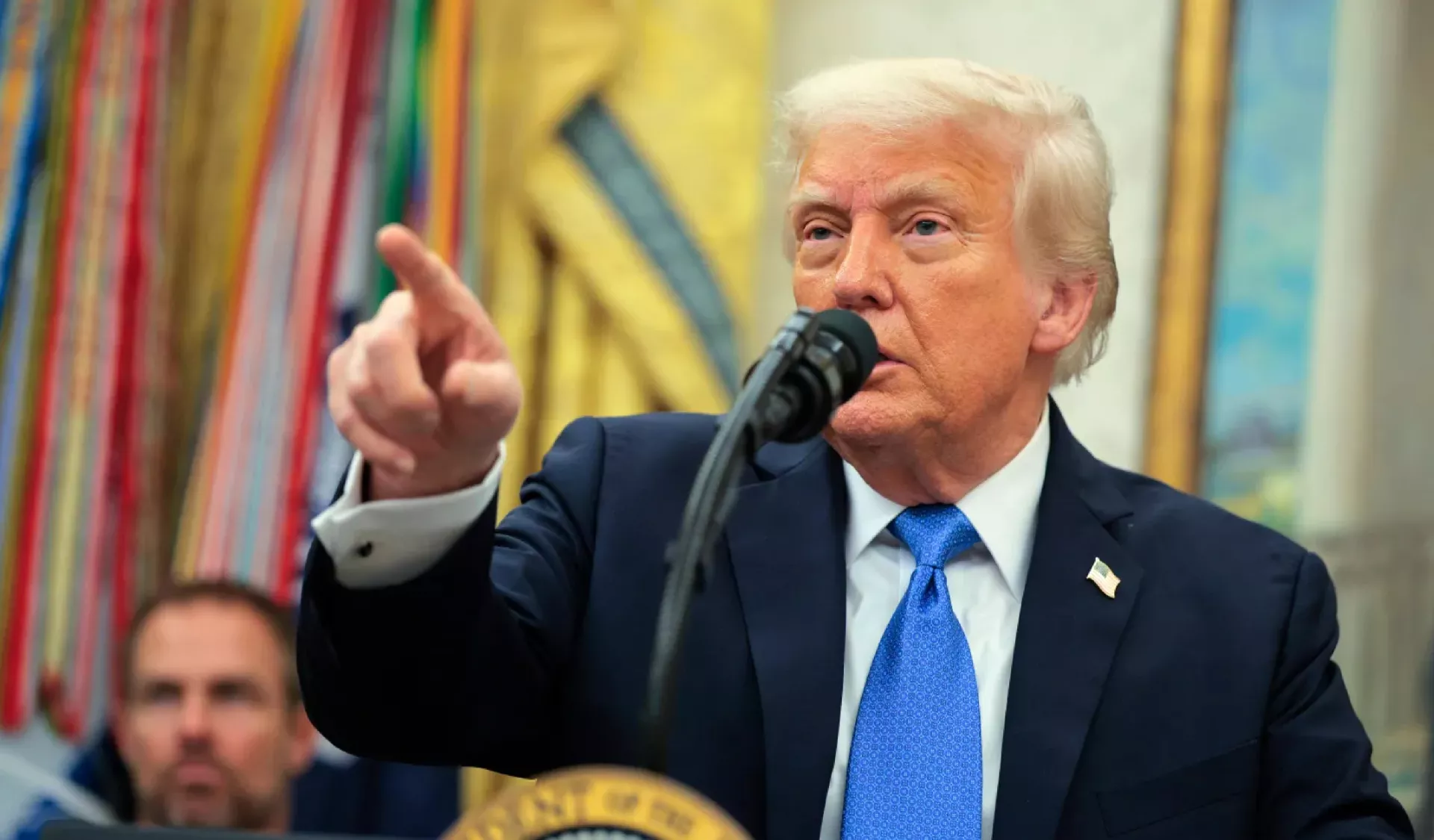
On Sunday, Venezuelan citizens went to the polls for parliamentary and local elections. More importantly, US President Donald Trump ordered the oil company Chevron to withdraw from Venezuela, although the company warns that their withdrawal means handing over Venezuelan oil to China.
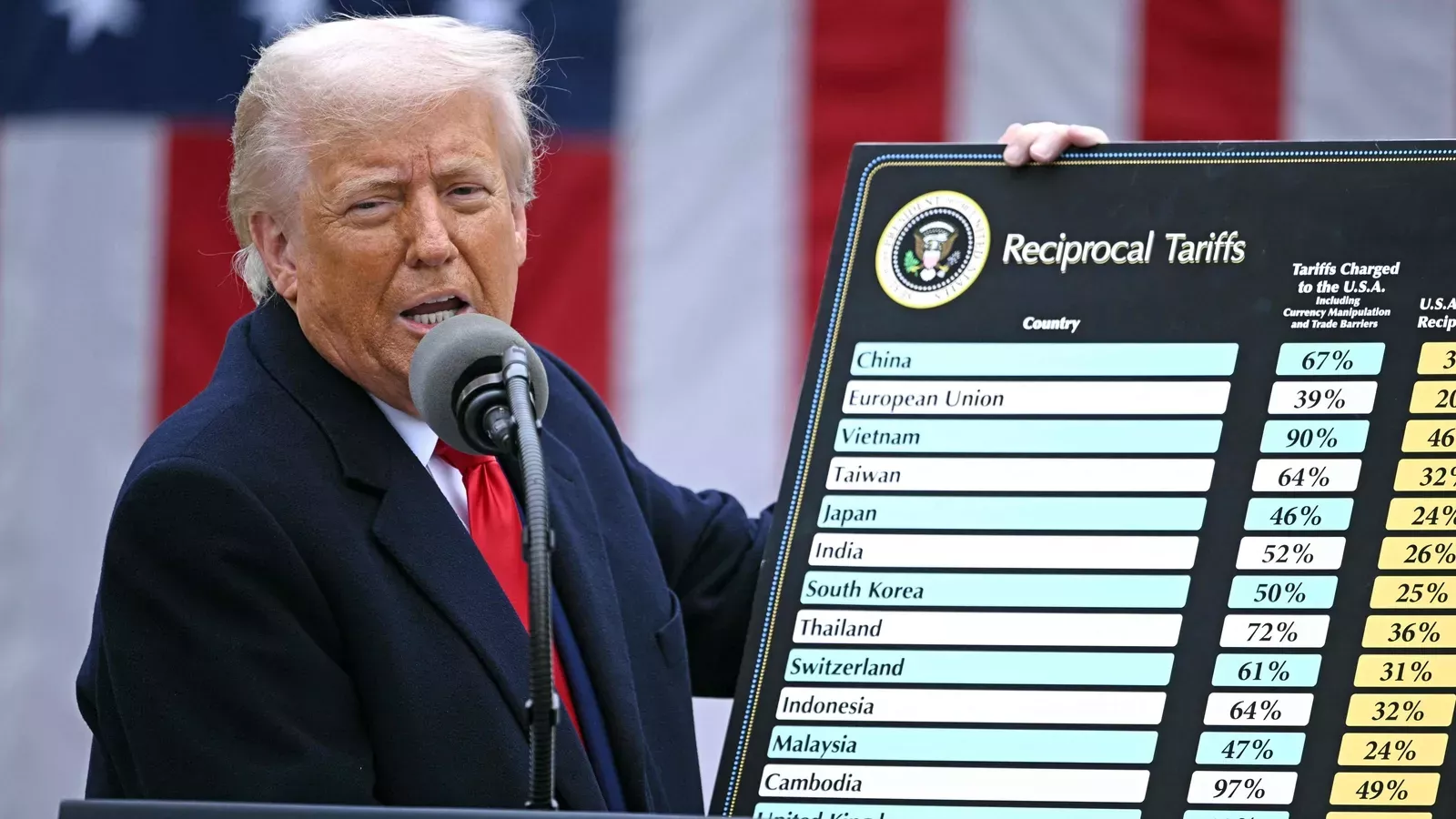
Donald Trump has outlined the boundaries within which he wants the United States to rule sovereignly in the first days of his second term. Greenland, Canada, and Panama have come under Trump's attack, and he has not ruled out the use of military force against them.
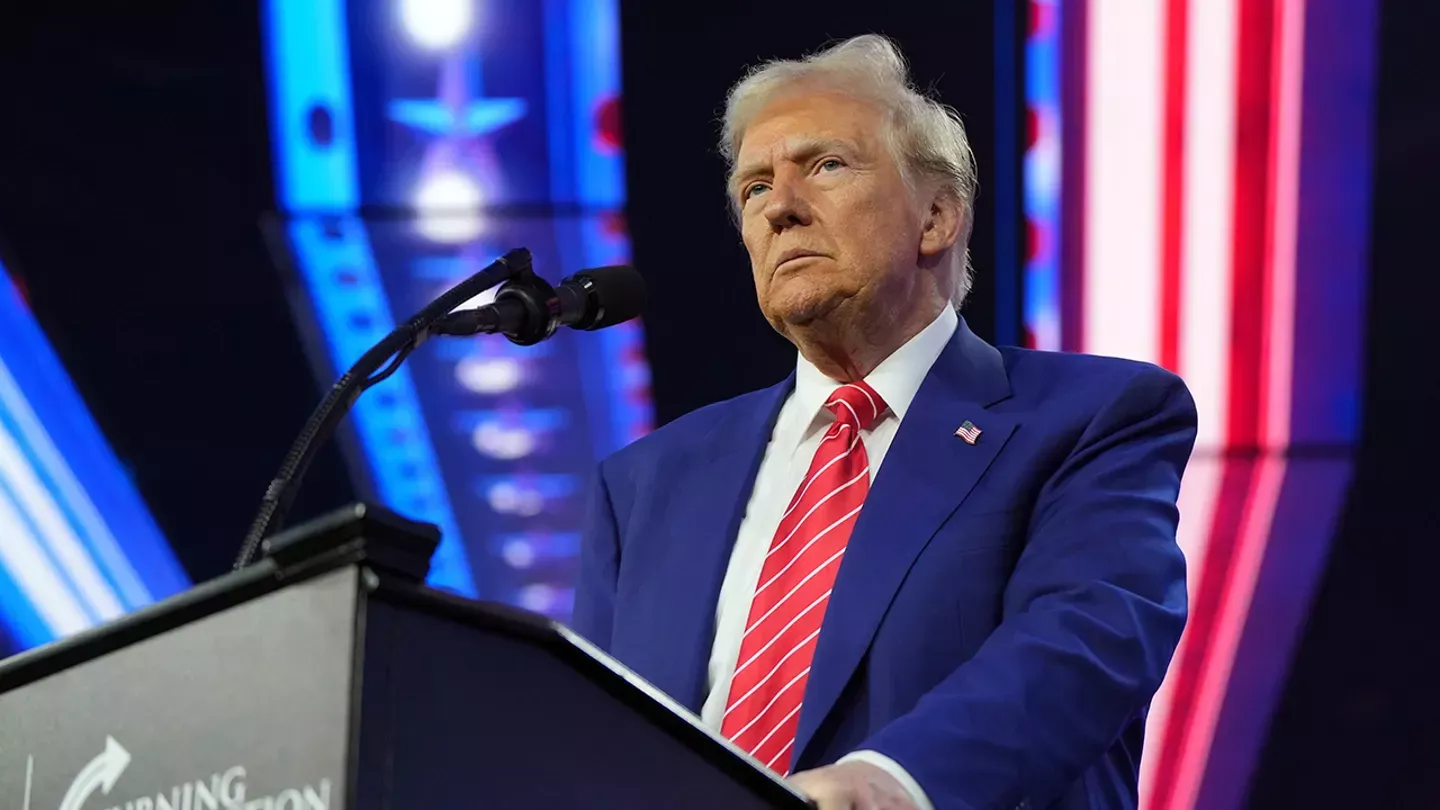
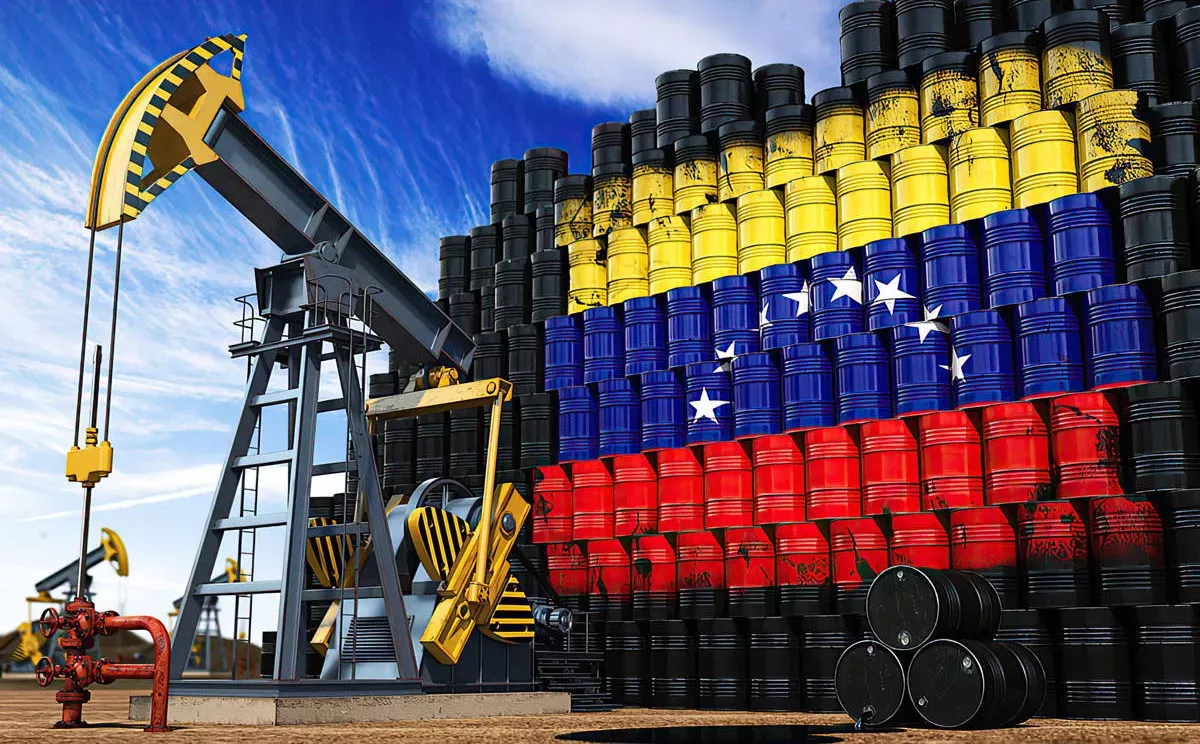
One of the targets of Trump's policy is Venezuela, a country with the largest proven oil reserves in the world. In his first term, Trump wanted to bring Venezuelan oil under his control and then lamented for years why this had not happened despite the policy of "maximum pressure".
In accordance with the "Monroe Doctrine", named after its author - former US President James Monroe, which states that no other power has the right to interfere in the "American backyard", Trump imposed strict sanctions on Venezuela with the aim of overthrowing Nicolás Maduro's government. "When I left, Venezuela was ready to collapse. We would have taken it over. We would have gotten all that oil, it would have been right there," Trump said in 2023.
In his first term, Trump threatened Maduro with the "military option", recognized opposition leader Juan Guaidó as the president of Venezuela, exerted pressure through neighboring Colombia and Brazil, strengthened the positions of oil-rich Guyana, and supported all opponents of the authorities in Caracas.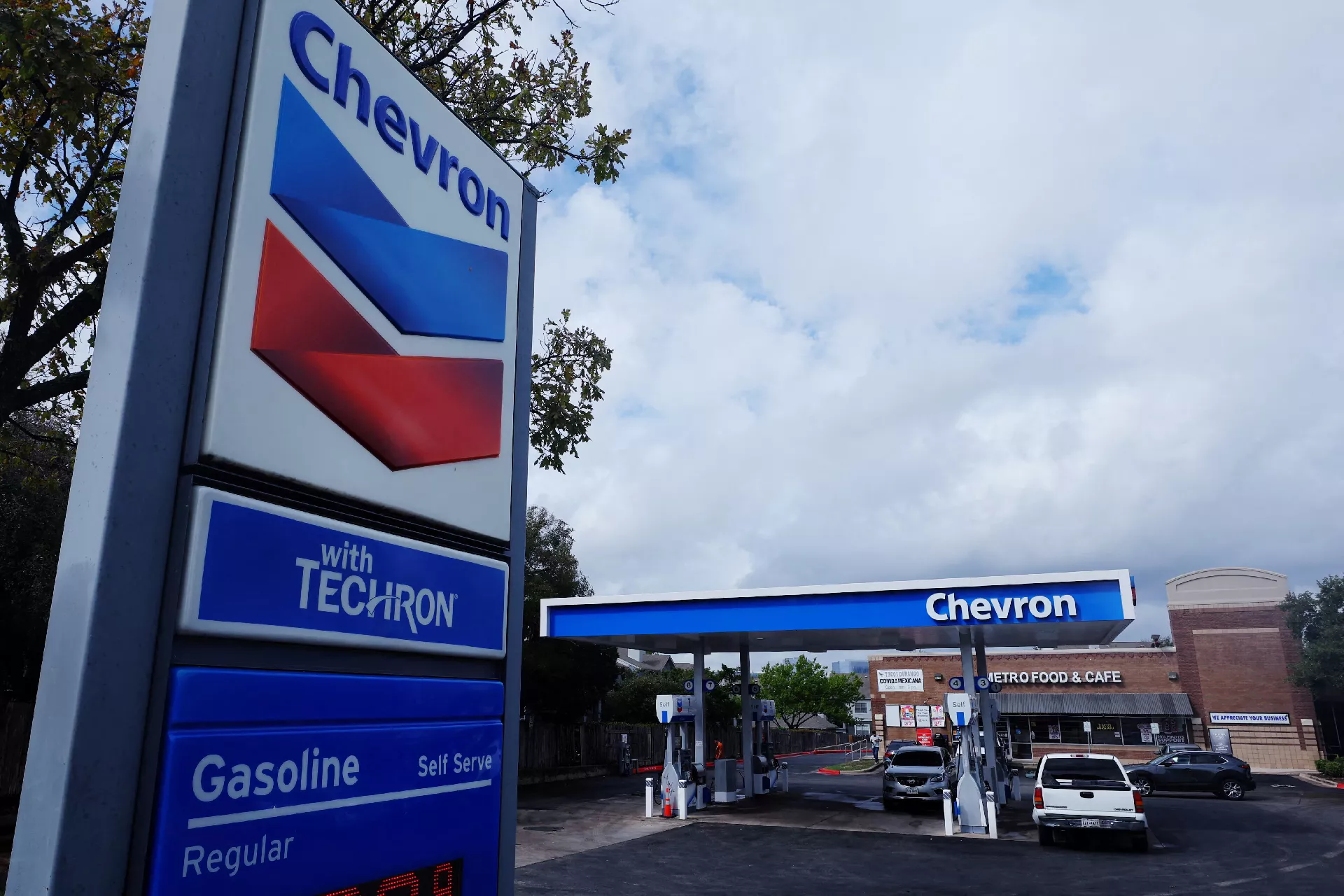
Chevron exports about 240,000 barrels of crude oil daily
Trump vs. Maduro - The Second Time
Since returning to the White House, Trump has continued with the same policy towards Venezuela, although there were indications that a change might occur due to new circumstances. In the final days of his administration, President Joseph Biden imposed new sanctions on Venezuela, and a few days later, Trump's special envoy Richard Grenell wrote on platform X that he had met with several officials from this Latin American country, which was interpreted as a new chapter in the relations between the two countries.
Namely, Trump's plan for deporting immigrants from the United States required their home countries to accept them. Venezuela could not accept them if it did not have relations with Washington. Grenell negotiated with Caracas on the issue of illegal migrants, and millions have emigrated from Venezuela due to US sanctions and poor governance by Maduro, connecting the two governments.
Maduro agreed to accept migrants sent by Trump, and last week Grenell returned a US military veteran from a Venezuelan prison to the United States. Shortly thereafter, Grenell said on Steve Bannon's "War Room" podcast that Trump's administration would grant Venezuela an exemption from sanctions. "We want to put America first and do what's best for America. That means ensuring that the Chinese don't take Venezuelan oil," Grenell said.
However, this has not happened yet. "The pro-Maduro Biden oil license in Venezuela expires as planned next Tuesday, May 27th," wrote US Secretary of State Marco Rubio, a staunch opponent of all left-wing Latin American regimes, on social media.
The State Department announced that Chevron must complete its operations in Venezuela by May 27th, the last day of the authorization issued to the company by the Biden administration. According to the permit, Chevron was the only company that could import oil from Venezuela into the United States, which was particularly important after Russia's aggression against Ukraine, when energy prices rose and many ceased business with Russian companies and asked Washington to secure oil for consumers in the West and around the world.
China in the American Backyard
Rubio confirmed on X at the end of March that the United States wants Venezuelan oil and to curb Chinese influence. "The United States will not tolerate any third country or its oil company producing, extracting, or exporting oil and oil-related products with the Maduro regime in Venezuela. It is a regime that constantly steals elections, plunders its people, and conspires with our enemies. Any country that allows its companies to produce, extract, or export from Venezuela will be subject to new tariffs, and any company will be subject to sanctions."
Sanctions against Maduro's government also harm Chevron. Yesterday, FOX Business reported that Trump would allow Chevron to conduct basic operations in Venezuela to maintain its business. The company's CEO, Mike Wirth, speaking to the media outlet, warned Washington that Chevron's withdrawal would open the door for the Chinese. China, Wirth says, is the largest buyer of Venezuelan oil, and official Caracas is offering Beijing to increase cooperation. The Wall Street Journal also claims that Chevron will receive permission to operate in Venezuela. On the other hand, the Financial Times reported last night that despite Chevron's lobbying, Trump will not allow it because he wants to hinder the financing of Maduro's regime.
In February, Trump said he would revoke the license issued to Chevron by the Biden administration, calling it "ineffective" and ordered American companies to make plans to distance themselves from Venezuelan oil. Chevron exports about 240,000 barrels of crude oil daily from Venezuela, which is more than a quarter of the Latin American country's total production.
The interruption of oil supplies to the US would be a heavy blow to Caracas, especially if the Chinese or someone else does not fill the gap. Oil is Venezuela's main source of income, and the Chinese are strengthening their presence in the American backyard on this basis, offering economic cooperation to the countries there.
The Fate of Nicolás Maduro
In the shadow of these major geopolitical issues, Venezuelan citizens went to parliamentary and local elections, which were largely boycotted by the opposition, and some of its representatives were imprisoned or prevented from going to the polls by Maduro. A turnout of 43 percent and over 83 percent of votes won by Maduro's party and allies speaks to the current political scene in Venezuela.
But unlike previous elections, Venezuelans also elected the leadership of the Esequibo province within altered borders. This province is rich in oil, and Venezuela and Guyana are disputing it. Recently, major Western companies discovered huge oil deposits in Guyana and border territories with Venezuela, prompting Maduro to deploy the army and claim it was an integral part of the country he governs.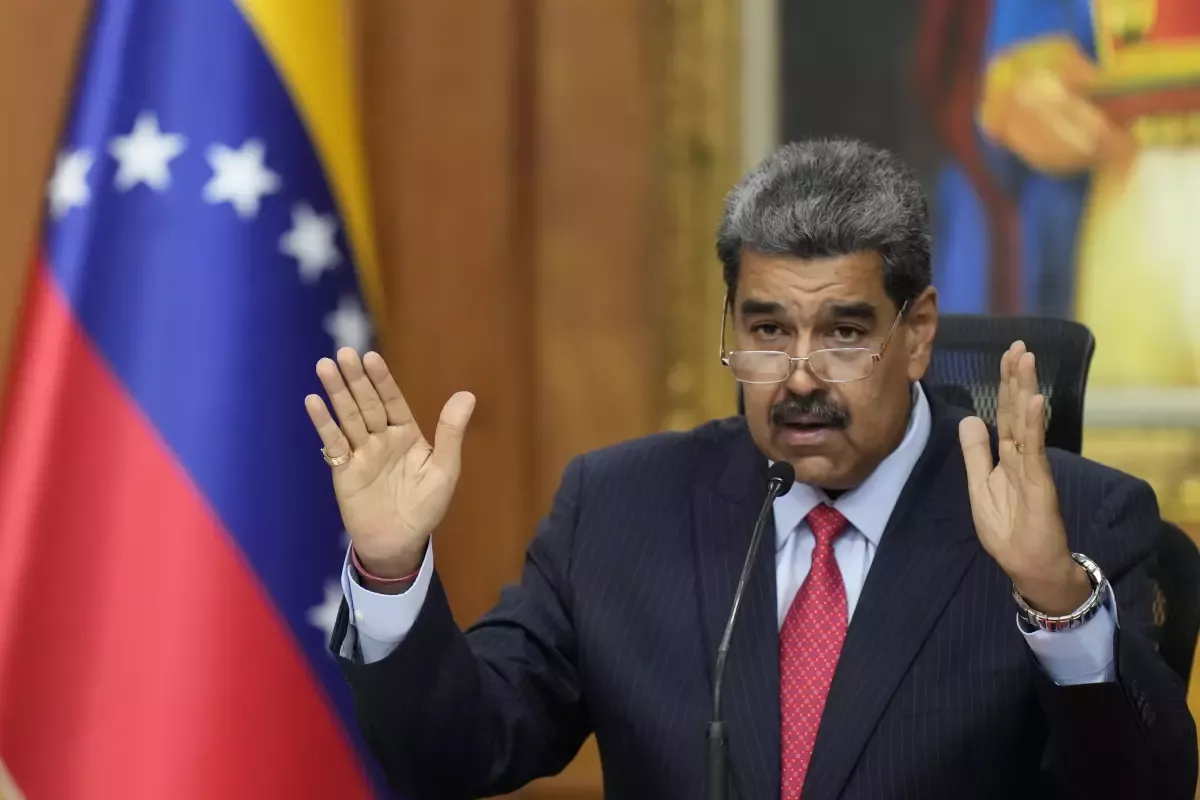
Nicolás Maduro
Maduro is trying to prevent Guyana and foreign companies from accessing this oil, as his country would quickly lose its strategic importance. Namely, Washington has often turned to Venezuela for oil during global market disruptions, as in the aforementioned case of Russian aggression against Ukraine. If Guyana were to offer oil to the market, Caracas would be in an even more difficult situation.
Thus, Maduro finds himself in a situation where he needs more oil, even though he is already targeted by Washington and Beijing because of the existing oil. Trump's determination to confront China and remove the disobedient regime in Caracas from the American backyard instills additional fear, while they extend their hands to China and Russia, which are far from South America and pursue a different policy in that part of the world than near their borders. Their attitude towards Venezuela, especially Beijing's, will show further Chinese steps in a part of the world that American strategists see as a place where only they decide.
Komentari (0)
Prijavite se za komentiranje
PrijavaJos nema komentara. Budite prvi!
Minuta
Sve →Iz drugih kategorija

High Representative Not Elected: Germans, French and British Sabotaged Americans, New Attempt at End of June

ČOVIĆ WITHOUT MERCY: How Those Who Brought Ademović to Office Created a Political Hell for Him



Sunny Saturday, quite warm



Tragedy in Albanian resort: Two minors drown












