
The Government of the Federation of Bosnia and Herzegovina adopted a Rulebook amending the Rulebook on the Application of the Income Tax Law. If, for example, a hot meal exceeds 1 percent of the average net salary in the Federation, as of July 15 it will be subject to taxes. The same applies to travel expenses and annual leave pay.
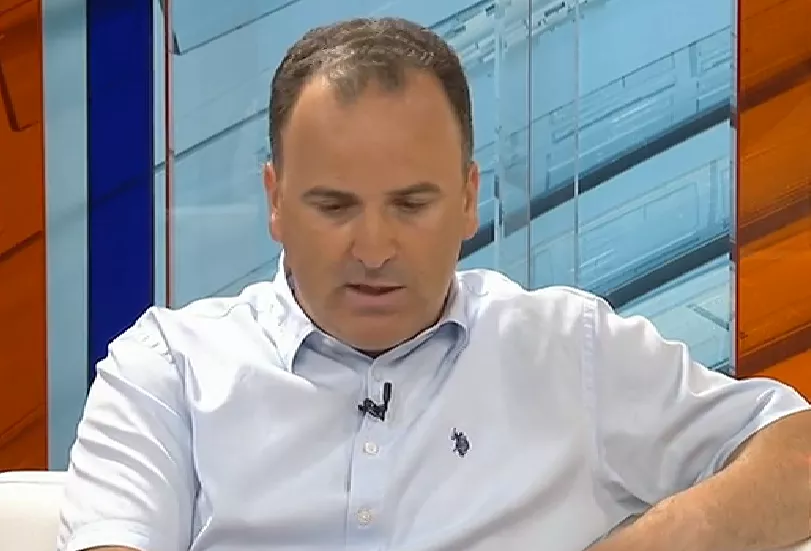
Dženan Đonlagić, a representative of the Democratic Front in the House of Representatives of the FBiH Parliament and a doctor of economic sciences, told N1 that he believes the timing for making such significant decisions is very wrong.
- Just as the state handles budgeting, so does the economic sector, and introducing something in the middle of the year, something that will impact financial plans in both the public and real sectors of Bosnia and Herzegovina's economy, is not a good message from someone who should be creating a favorable business environment. This is even one of the goals in the Action Plan of the Reform Agenda – said Đonlagić.
- On the other hand, I believe this is one of the wrong economic measures by the Federation Government, and since the beginning of the implementation of the Action Plan related to socio-economic reforms in BiH, it seems to me that the Federation Government is disoriented in this part. We also had, from the British-German initiative, one of the key chapters, which was to relieve the business sector because we all knew that labor costs in BiH are the highest in the region and Europe. We are talking about a 70 percent burden on the gross salary of employees, plus what is often overlooked, which is that besides taxes, there are so-called parafiscal levies. All these were previous issues that needed reform. At the beginning of the mandate, there should have been a significant relief for employers, i.e., a reduction in contributions, and after that, once that effect was achieved, it would bring positive progress to the BiH economy, which would also fulfill the second goal of the Reform Agenda - creating new jobs. This way, employers would hire new workers, and on the other hand, contributions would start being paid for these new employees, and public revenues would grow – Đonlagić believes.
Regarding whether the new legal solutions mean that salaries will decrease, Đonlagić believes that salaries will indeed decrease.
- If someone had a hot meal of 15 KM (per day), now the employer would need to pay full contributions on 8.5 KM (of that hot meal) if they want (to continue) to pay out those 15 KM - stated Đonlagić.
When asked what was intended with this Rulebook, he replied:
- It emerges that the intention is to collect as much public revenue as possible because budgets are in deficit, but this is a wrong step. The state would have a temporary deficit, but in the medium term of 3 to 5 years, positive effects would be created because there would be growth in the economy. By relieving contributions, part of the 'undeclared work' would return to legal channels, and the amount would be filled for them, leading to budget growth. Those who would receive more would also spend more, and VAT payments would increase. It is a chain that would have positive effects. What I most criticize Prime Minister Novalić for is that he did not make this decision at the beginning of his mandate because such major measures are adopted in the first six months of the mandate – said Đonlagić for N1, as reported by Patria.
Komentari (0)
Prijavite se za komentiranje
PrijavaJos nema komentara. Budite prvi!
Minuta
Sve →Iz drugih kategorija

High Representative Not Elected: Germans, French and British Sabotaged Americans, New Attempt at End of June

ČOVIĆ WITHOUT MERCY: How Those Who Brought Ademović to Office Created a Political Hell for Him



Sunny Saturday, quite warm



Tragedy in Albanian resort: Two minors drown












