
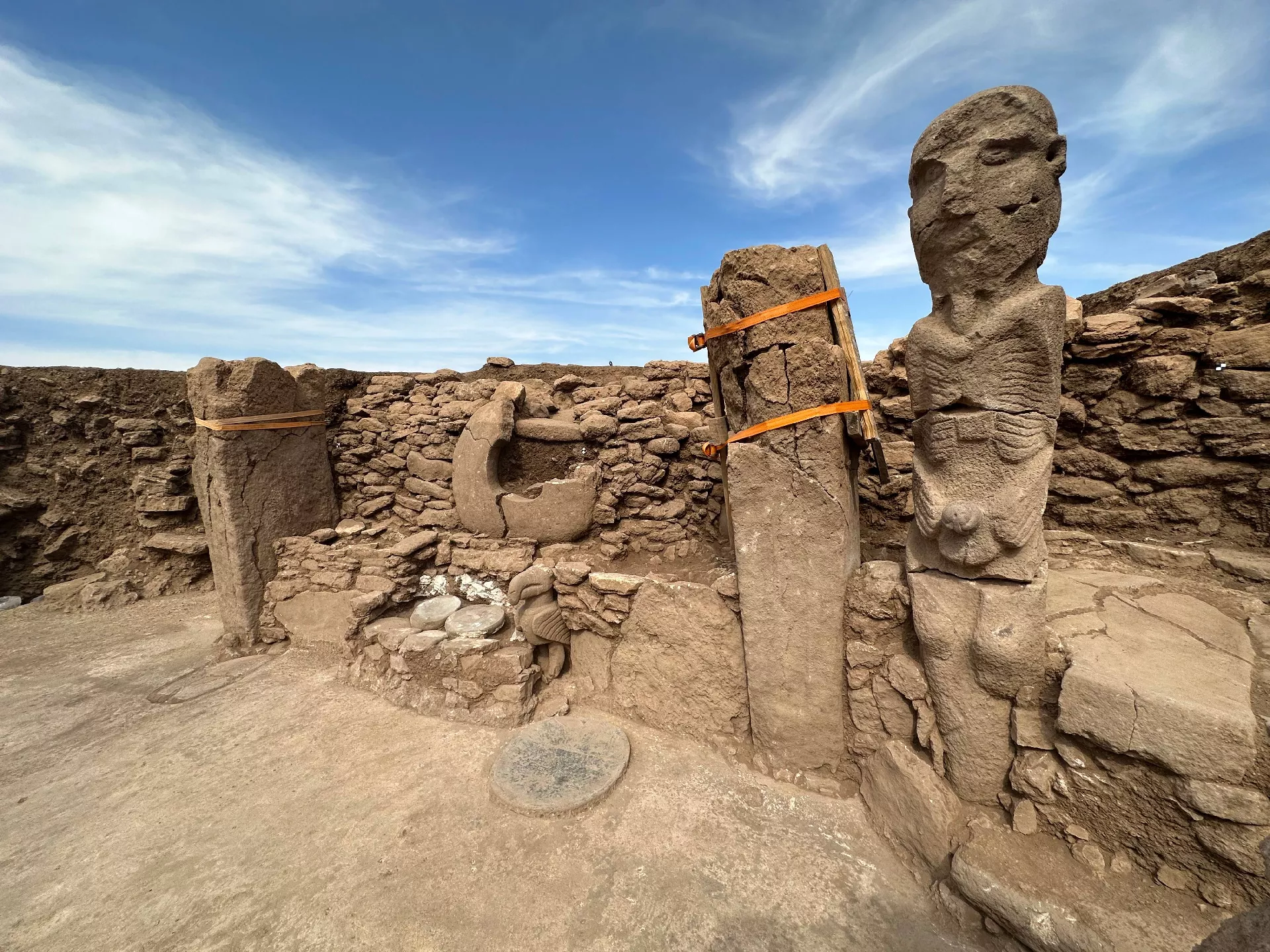
(Patria) - Human and animal sculptures were discovered during the latest excavations at nine archaeological sites in Gobeklitepe and Karahantepe, among the oldest Neolithic settlements in the world.
The new archaeological discoveries were made as part of the "Stone Mounds" project, which sheds new light on the period of human prehistory.
Impressive human statue
The largest known prehistoric human statue was discovered during recent excavations in Karahantepe.
The statue of a male figure in a seated position is 2.45 meters tall, with a realistic facial expression, emphasized ribs, spine, and shoulder bones.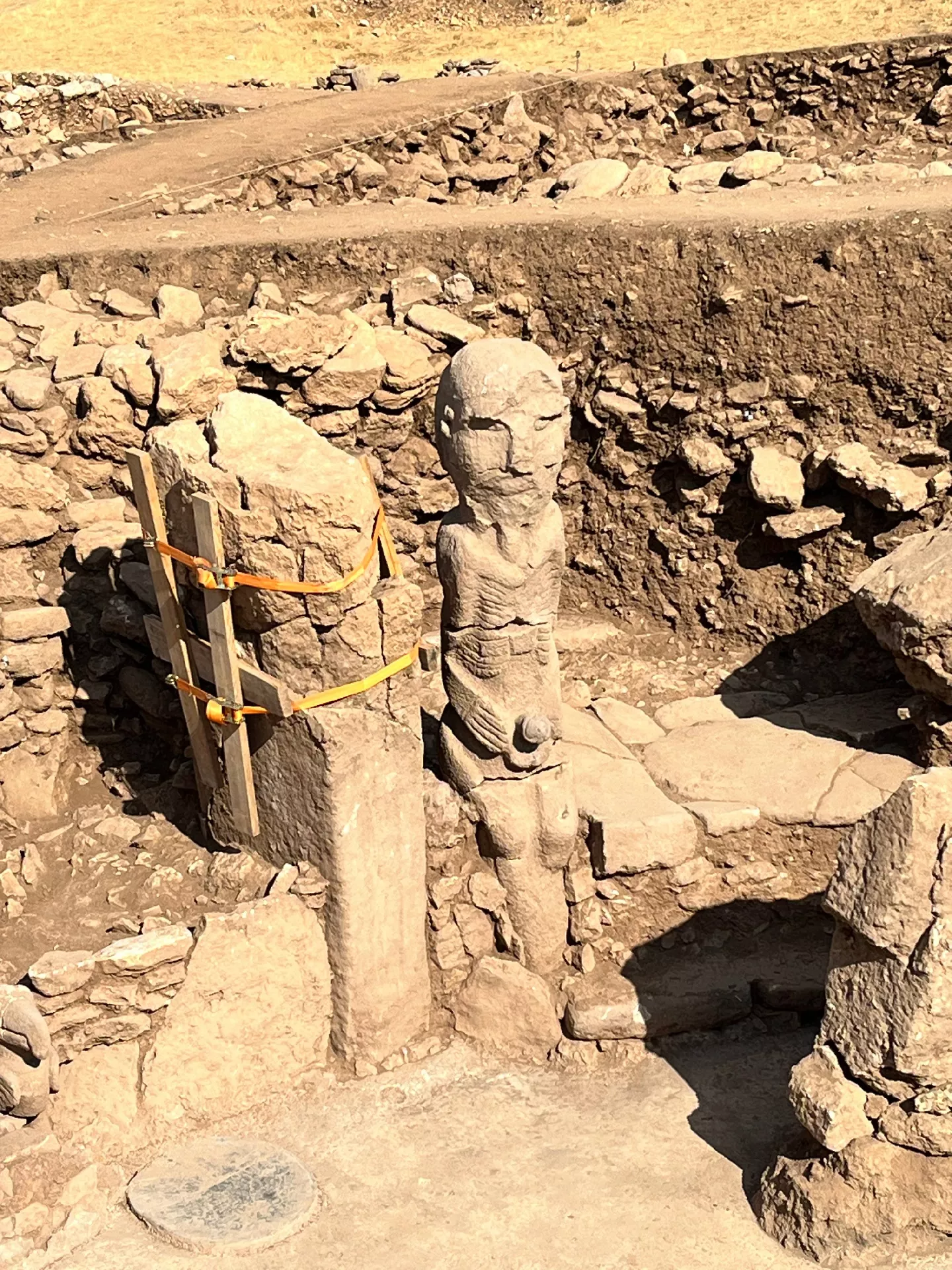
In the same space, there is also a vulture sculpture placed on the front of a bench on which stone slabs were also found.
Wild boar in Gobeklitepe
During excavations conducted by the Turkish Ministry of Culture and Tourism, a life-size limestone statue of a wild boar was found in Structure D of Gobeklitepe.
The sculpture, which has traces of red, white, and black pigment on its surface, is the first painted life-size specimen from its time to the present day.
The sculpture was also found on a bench decorated with an H-shaped symbol, a crescent, two snakes, and three human faces.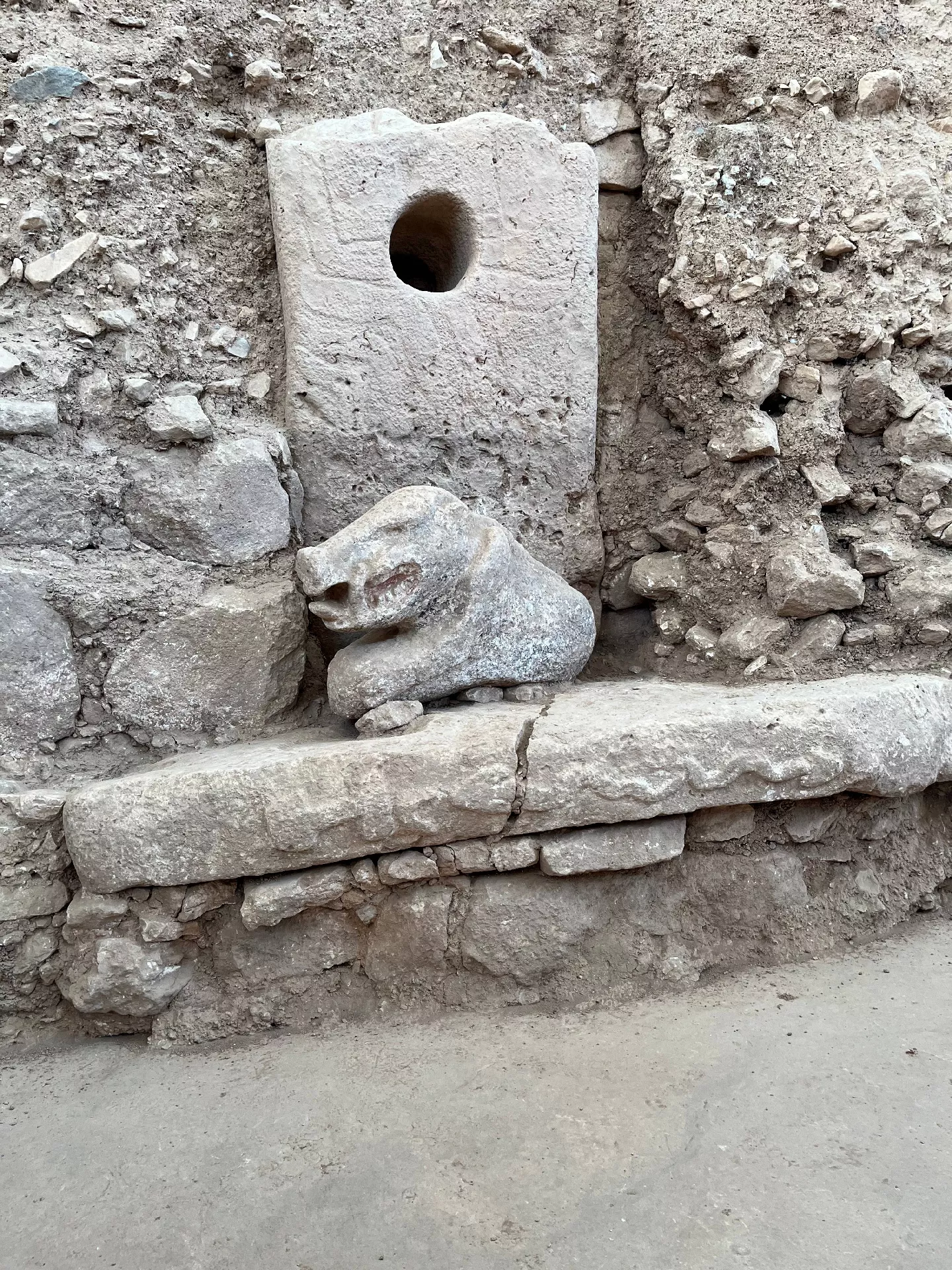
Site that changed the course of history
Located about 18 kilometers northeast of the city center of Şanlıurfa, near the village of Örencik, Gobeklitepe is one of the most significant heritages of human history.
As the 18th site in Turkey inscribed on the UNESCO World Heritage List, this archaeological site has significantly changed the modern understanding of ancient hunter-gatherer societies, especially from the Neolithic period.
Initial excavation work at Gobeklitepe began in 1995, and in a short time many finds were uncovered, including T-shaped pillars decorated with animal motifs and geometric shapes, various human and animal sculptures, stone and bone tools, as well as animal bone remains.
Work at this site has revealed new information about social life, architecture, and art, emphasizing the existence of a highly developed society in the early phases of the Neolithic.
Land of great transformation
In Turkey, a land of ancient civilizations, archaeological excavations and restoration projects are actively carried out in historical areas to ensure the sustainability of cultural heritage.
The country currently leads the world in the number of archaeological projects. The number of archaeological excavations and studies in Turkey is expected to reach 750 by the end of 2023.
Studies of contemporary sites in certain regions provide a holistic understanding of ancient events.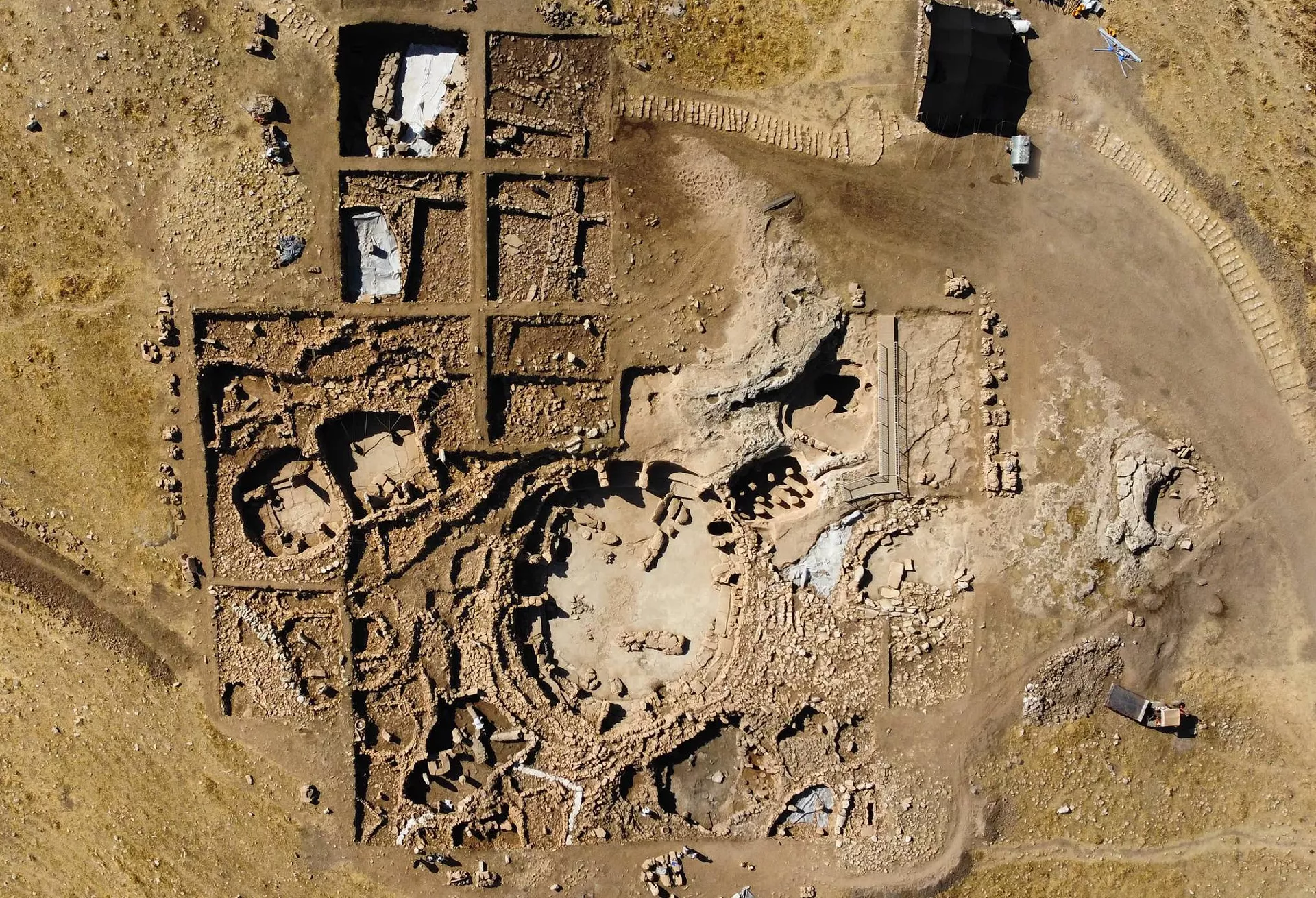
One such recent project is Taş Tepeler. The scope of the project in the region, conducted under the leadership of Professor Necmi Karul, head of the Department of Prehistoric Archaeology at Istanbul University, provides insight into the technological, environmental, and social aspects of the first settled human societies.
Research on the Şanlıurfa plateau has led to the discovery of contemporary settlements near Gobeklitepe.
These settlements, collectively called Taş Tepeler (Stone Mounds), include Karahantepe, Sayburç, Sefertepe, Harbetsuvan Tepesi, Gürcütepe, Çakmaktepe, Medik, Kurttepesi, Taşlıtepe, Ayanlar, Yoğunburç, and Yeni Mahalle. All of these sites contribute to shedding light on the history of humanity.
Komentari (0)
Prijavite se za komentiranje
PrijavaJos nema komentara. Budite prvi!
Minuta
Sve →Iz drugih kategorija

High Representative Not Elected: Germans, French and British Against Americans, New Attempt at End of June

ČOVIĆ WITHOUT MERCY: How Those Who Brought Ademović to Office Created a Political Hell for Him



Sunny Saturday, quite warm



Tragedy in Albanian resort: Two minors drown












