
By: Armin Sijamić
The European Union is realizing its long-held wish – some things must be done on its own and without the help of the United States, even when Russia is on the other side.
For decades, voices have been heard from the European Union stating that Brussels must be more independent in its policies and not dependent on the United States, especially in the areas of defense and foreign policy.
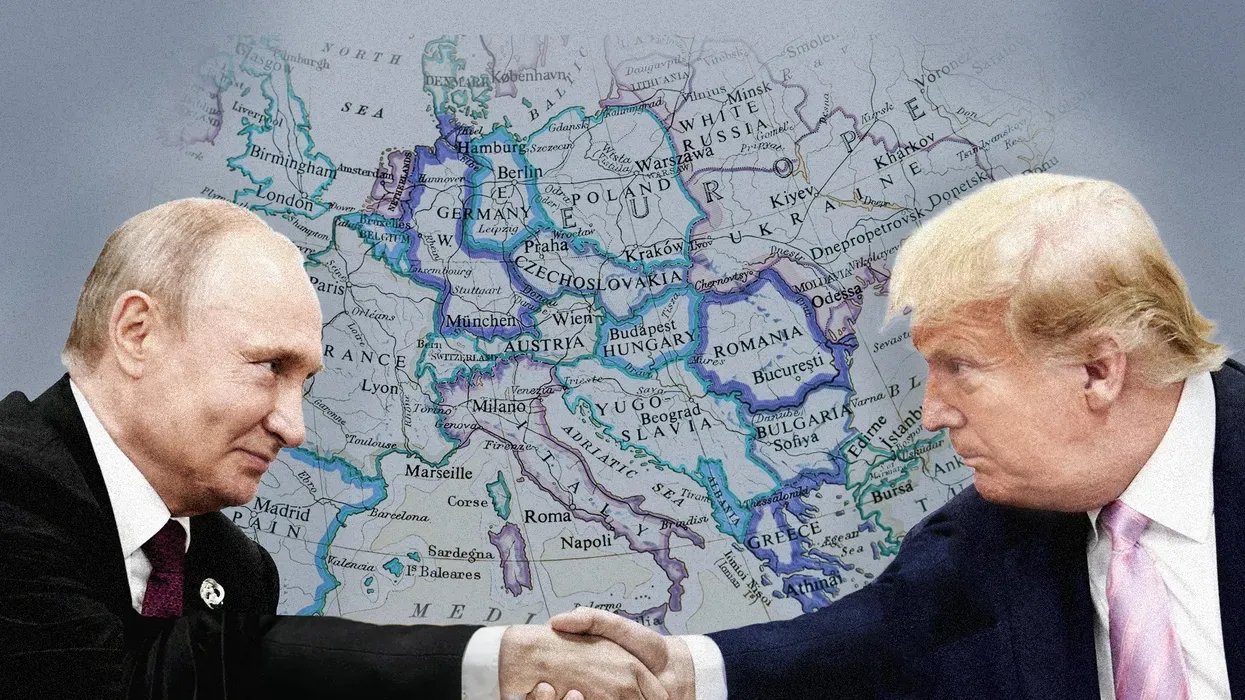
US President Donald Trump is fulfilling this European wish with his Russian counterpart Vladimir Putin. Although this duo is doing it for different reasons, the outcome is the same – European powers cannot be at the table where the future of Ukraine is decided, which will inevitably affect other parts of the old continent.
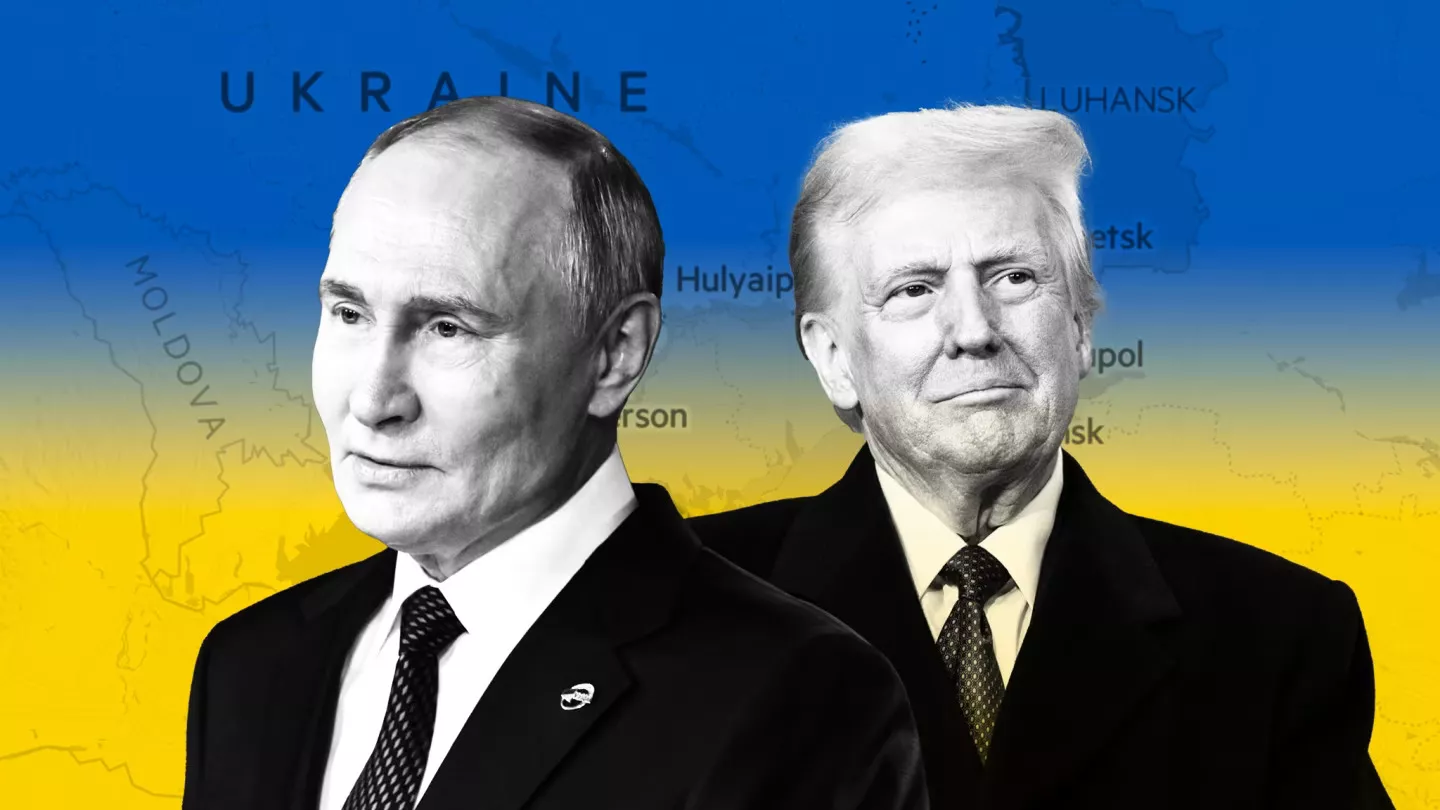
Trump is not a fan of the European Union, and he has other priorities, starting with Israel and the Middle East to China and Latin America. Pushing Europeans away from the table where Ukraine is being negotiated, and later turning European countries into passive observers of economic and political processes in Europe and the world, has been the desire of official Moscow almost since the beginning of the Russian aggression against its neighbor.
Russia claims that the European Union and European countries are to blame for the war in Ukraine lasting so long, demanding that Kyiv be left to their mercy. Putin has repeatedly asked Trump for this and has attracted the American side in this direction with various political and economic offers.
The war continues, losses are being counted
However, in recent weeks, it seems that this approach must change if any positive result is to be achieved. Russia realizes that it is not enough to talk only with Trump to achieve its war goals, as Europeans do not want to abandon Ukraine, and the European Union feels the need to negotiate with Moscow even when someone like Putin is in the Kremlin.
In just a couple of days, two statements have emerged that could open the door to talks between Brussels and Moscow, after French President Emmanuel Macron proposed it a few weeks ago.
On Sunday, Russian Ambassador to Berlin Sergey Nechayev, in preparation for the commemoration of the victory over the Nazis in World War II, said that many people are ready to participate in such events and concluded that "not all is lost in bilateral relations" between the two countries, as many in Germany understand Russian interests.
For decades, Germany has been the most important country in the European Union for Moscow, as Russian energy sources have powered the German economy for decades. German technology flowed in the opposite direction. Ultimately, this led to close relations between the leaderships of the two countries, to the extent that Berlin turned a blind eye to Putin even when he attacked other countries.
Yesterday, the head of EU diplomacy, Kaja Kallas, also spoke about negotiations, albeit in a different tone. Known as a staunch opponent of Putin, this Estonian politician spoke in an almost hostile tone about negotiations with Russia, but aware that negotiations are necessary.
"We should not humiliate ourselves and be the ones begging: 'Please, we beg you, talk to us.' Instead, we should put them in a position where they move from pretending to negotiate to actual negotiations," Kallas said, adding that "the goal is to ensure that Russia no longer poses a threat to any of these countries or to Europe as a whole, because that has been the problem. Therefore, before we talk to them, we must truly agree on what we want to discuss."
Then the Estonian President Alar Karis reacted, saying that now is the time to prepare for relations with Russia after the Ukrainian war ends, calming Kaja Kallas's euphoria that Moscow will be brought into the position Brussels desires.
Russian Calculation
Things are not as rosy for Brussels as Kallas sees them, especially after Russia was not militarily defeated in Ukraine, nor economically after numerous American and European sanctions. Russia, the largest country in the world and the most populous European country, remains on the borders of the European Union with its military, economic, and other potentials.
Moscow eagerly awaited Trump's return to the White House, as this creates cracks in the Western alliance. Ever since the collapse of the USSR, Russia has calculated that the European Union is a temporary creation that will sooner or later disintegrate like the USSR, and that American power will collapse as Moscow did with the disintegration of the communist bloc. Therefore, Russia has nothing against a country joining the European Union, but it resists the expansion of NATO.
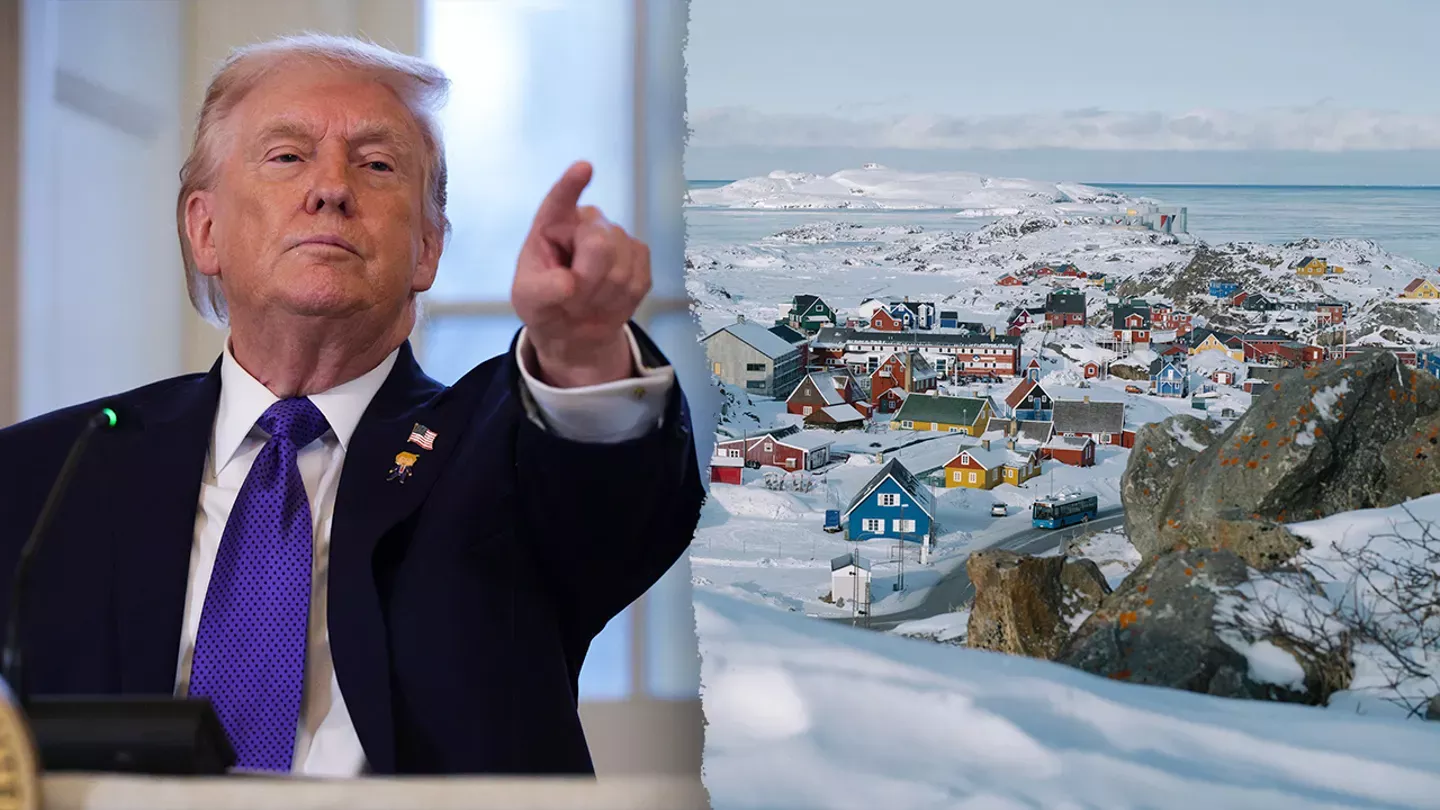
The Kremlin calculates that Trump is a tailwind for this policy, as his approach to politics and his ambitions create serious conflicts in the West. Trump goes so far as to threaten to take Greenland from Denmark, a member of the EU and NATO, even by force.
Trump's war against Iran, which led to a rise in energy prices worldwide and made a large part of the West dependent on oil and natural gas controlled by Washington, is an opportunity for Russia to throw another bait to the Europeans, which they logically must accept if there are no energy supplies from the Middle East and they do not want to depend on the United States.
Friend of my friend
This week, Trump and Putin spoke again. The Kremlin announced that the topics were Iran and Ukraine, and Trump said that the phone call was mainly about Ukraine. Not much can be concluded from these statements except that negotiations between the two presidents and two countries are ongoing, even if there are no pompous summits like in Alaska.
Whether Putin and Trump are close to an agreement is not known to the public. But the mere fact that they are negotiating and avoiding harsh words for the opposing side in public is a message that some kind of agreement is possible.
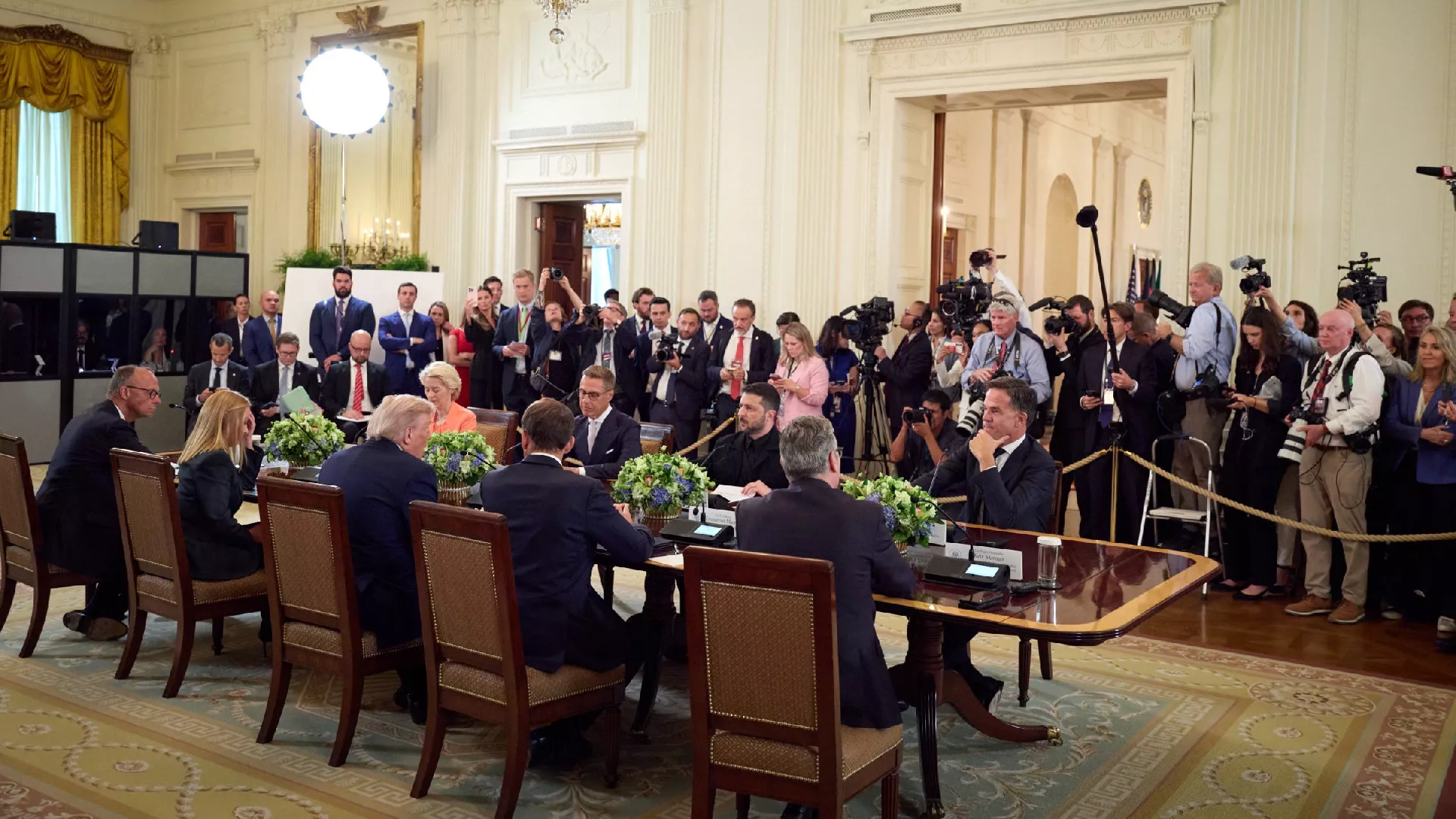
For European powers, which are outside these negotiations, the real question is what they have agreed upon and what Brussels will do the day after. The Russians will ask the same question about relations with the European Union, which could find itself in a situation where it has no influence on the agreement in Ukraine, has damaged relations with Trump, and has almost no relations with Moscow.
In other words, the friend of Brussels and Moscow, official Washington, is becoming the main link in their relations, a situation that forward-thinking Europeans want to avoid. This applies particularly to Russia, whose allies are falling one by one under Trump's onslaught.
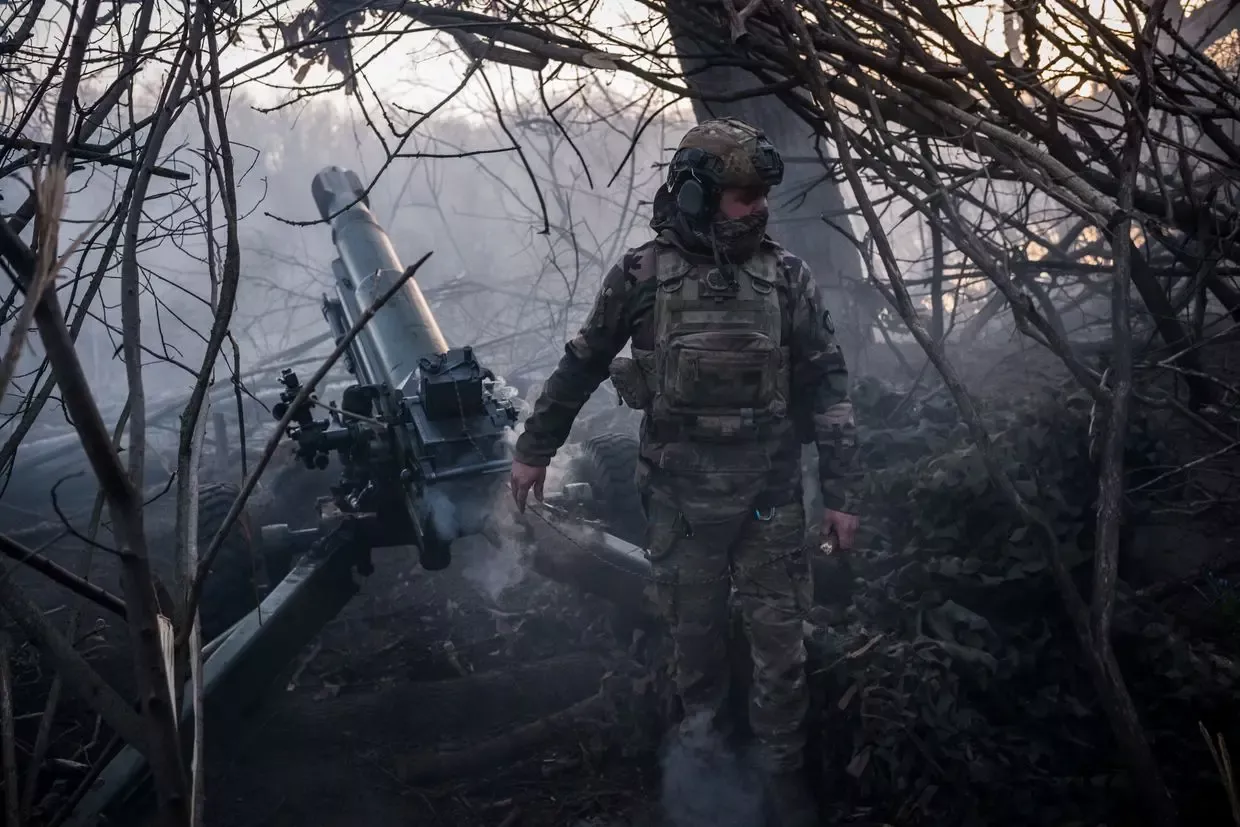
Such a development would be a major defeat for Brussels, not only because it has lost the initiative in Ukraine. A deal between Trump and Putin about Europe without Europeans would be a geopolitical defeat for Brussels, and the US-Russia relationship could be the cause of new cracks among Western allies, even within Europe itself. For Russia, this could be an opportunity that the Kremlin has long awaited. Therefore, it should not be surprising if Brussels tries to extend a hand to Moscow in some way, maintaining the current course but not Kaja Kallas's tone.
Komentari (0)
Prijavite se za komentiranje
PrijavaJos nema komentara. Budite prvi!
Minuta
Sve →Iz drugih kategorija

High Representative Not Elected: Germans, French and British Against Americans, New Attempt at End of June

ČOVIĆ WITHOUT MERCY: How Those Who Brought Ademović to Office Created a Political Hell for Him



Sunny Saturday, quite warm



Tragedy in Albanian resort: Two minors drown












