
By Armin Sijamić
The Israeli war against the Shiite Hezbollah is intensifying day by day, but without major successes on the front lines. Israeli forces have almost no success in their attempt to invade southern Lebanon, as Hezbollah is defending itself well. However, Israeli Prime Minister Benjamin Netanyahu has a plan to break the Iranian ally far from the front, and many are ready to help him in this endeavor.
In the second major war between Hezbollah and Israel in this century, some things are repeating. Israel is again bombing everything connected to Hezbollah, and the Shiite group is awaiting a confrontation of ground forces in southern Lebanon. On Hezbollah's side, the novelty is that they are successfully hitting deep into Israeli territory with rockets and drones, and it seems there is no place they cannot reach.
Israel is again using the "Dahiya doctrine," named after the Beirut suburb where Hezbollah has a stronghold. This approach to war, with the tacit support of much of the West, involves destroying everything that can be useful to the enemy. It is believed to be authored by former Israeli army chief Gadi Eisenkot, who called for the destruction of everything that aids Hezbollah in its war efforts. Israel first used the "doctrine" under this name in Lebanon in 2006.
New War, Old Intention
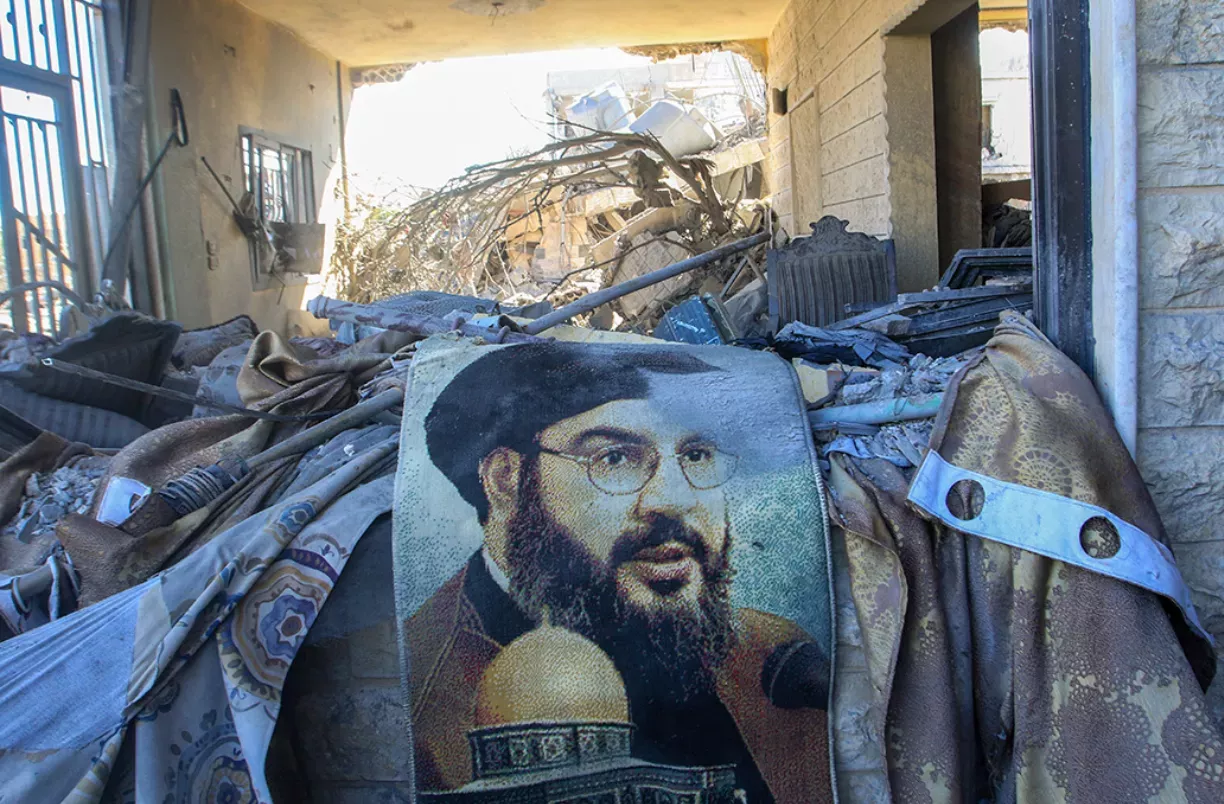
In recent weeks, Israel has again been conducting such a campaign in Lebanon. The suburb of Dahiya is under attack, targeted from the air and sea. Hezbollah leader Hassan Nasrallah and, according to claims, many other group officials were assassinated there. Civilian casualties are not a topic in the West. Before the eyes of the world, Israel drops tens of thousands of kilograms of explosives on the Beirut suburb in a single night, turning blocks of buildings to dust. These days, Washington is appealing to its allies in Israel not to target Beirut International Airport, which is located near the aforementioned suburb.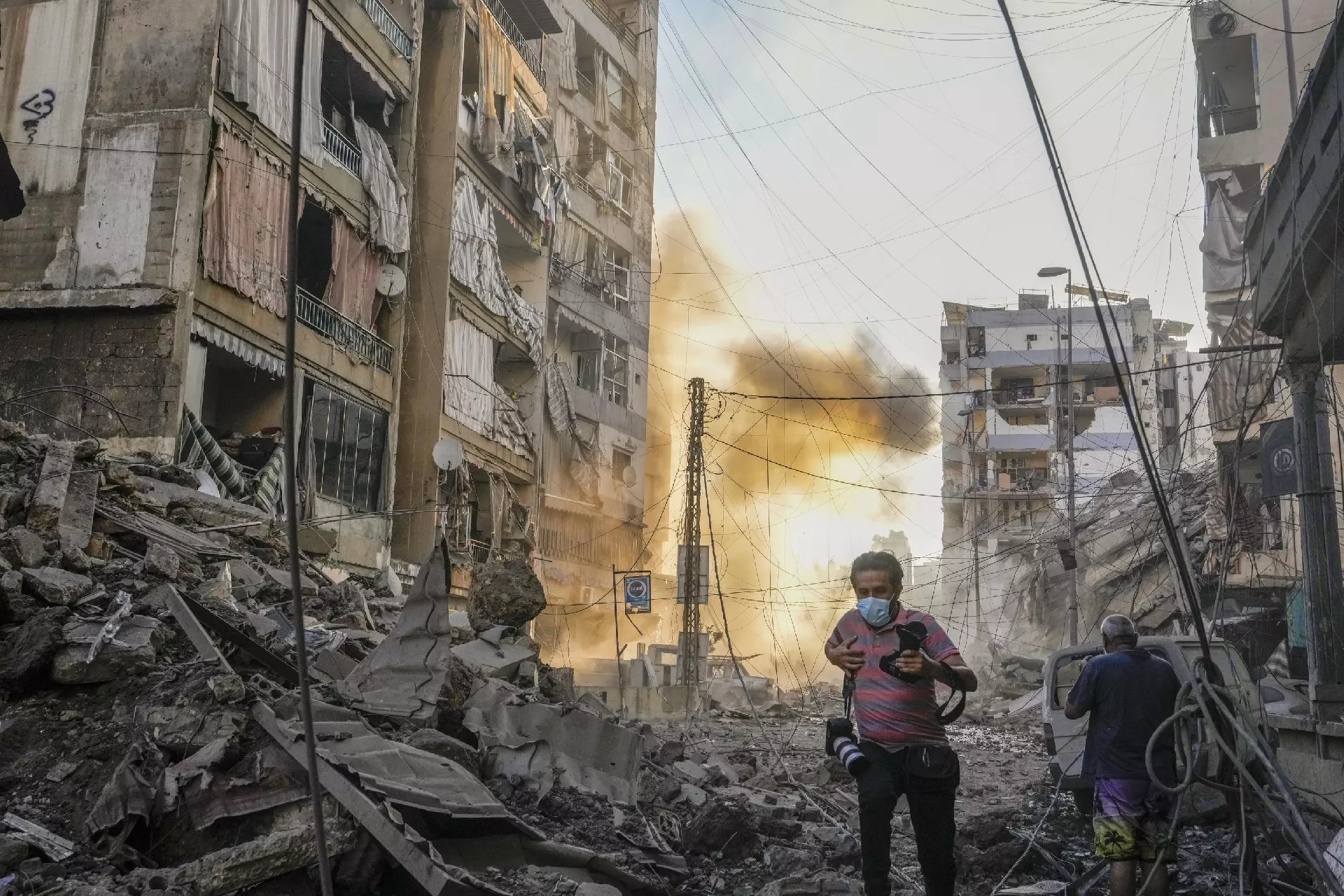
Israeli attacks on the Beirut suburb and other Shiite-populated areas follow the same pattern. Shortly before the attack, the population is informed via social media or leaflets that a certain part of the area will be bombed. Those who do not see the message in time remain under the rubble, while others try to flee. More than a million people are refugees, some within Lebanon, and some are going to neighboring Syria. The biggest victims of these attacks are Shiites.
At the same time, Israel disseminates information that weapons are hidden inside the bombed buildings. This puts a target on the back of the entire community. This policy has a clear goal – to portray Shiites as a permanent danger to other residents of Lebanon. There have been cases where members of the Christian and Sunni communities have refused to accept Shiite refugees. Some do so out of fear that their area will be the next Israeli target, while others do so at the behest of political power centers.
Israel is playing the card of division, and they have allies in this in some Christian parties, such as the Lebanese Forces (LF). They are fierce opponents of Hezbollah, and there is no doubt that a conflict based on religious and sectarian grounds could collapse Lebanon. It goes without saying that the West and a good portion of Sunni countries would support anyone against Hezbollah.
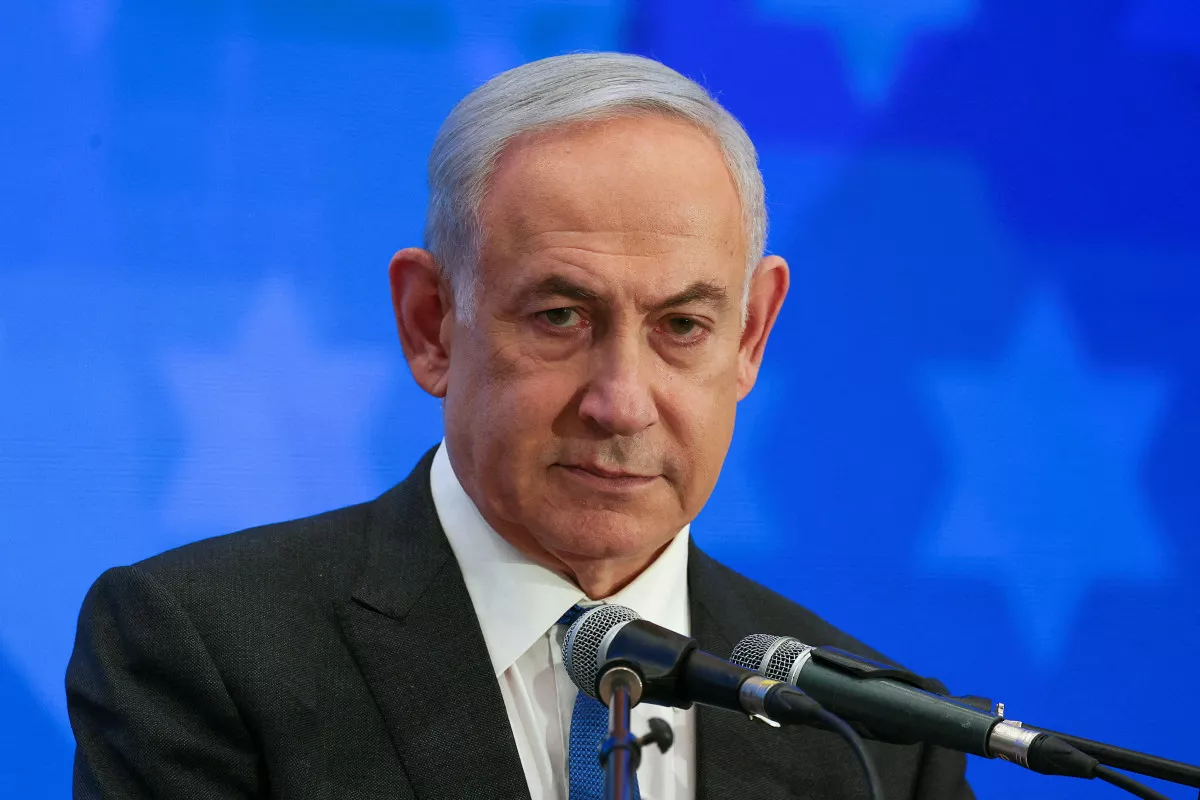
This week, Netanyahu clearly stated this in an address to the Lebanese people. He expects the Lebanese to "liberate the country from Hezbollah" so that the two countries can live in peace, otherwise Lebanon will become a new Gaza. This is blackmail to incite rebellion, i.e., to start a civil war.
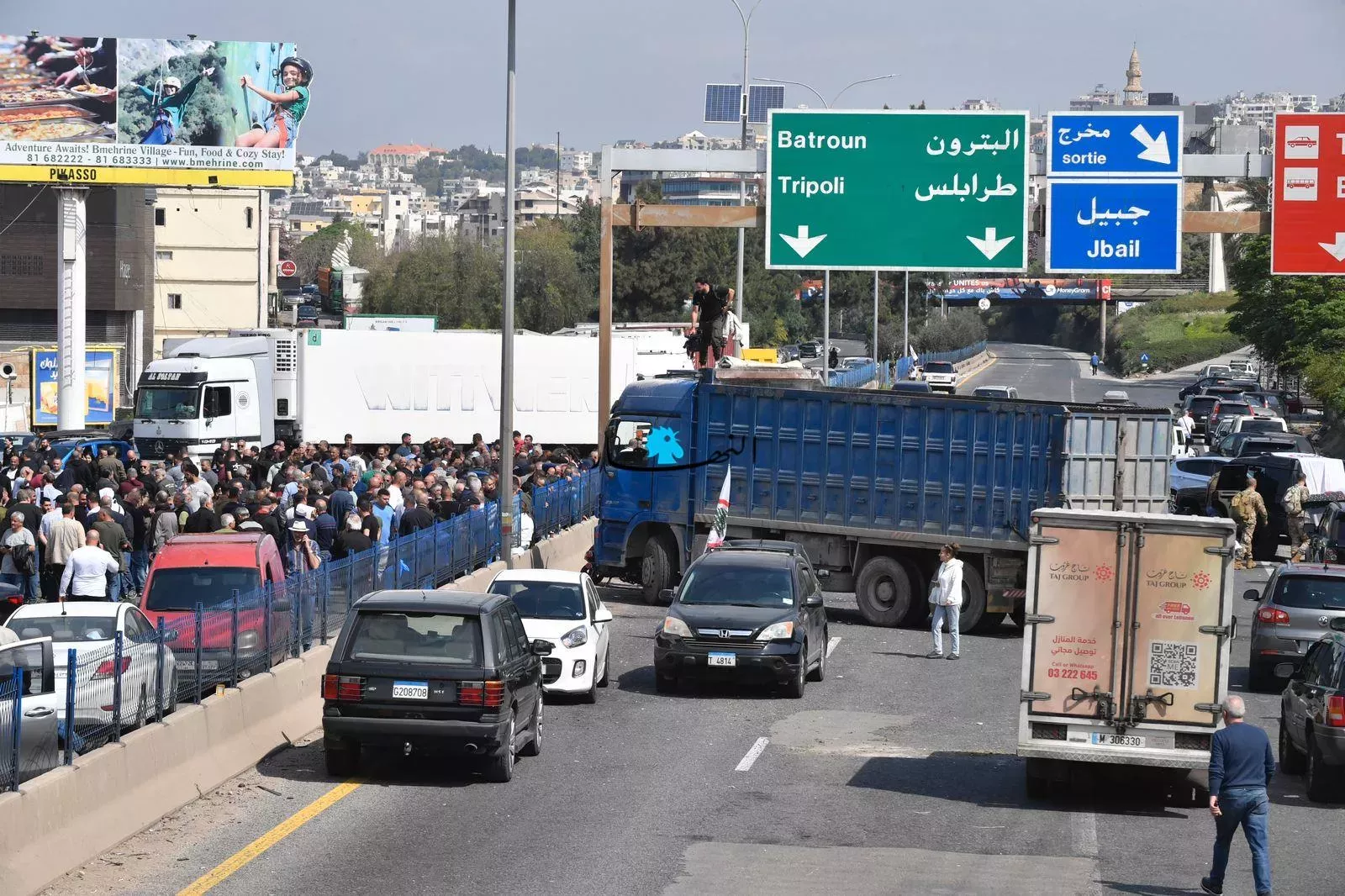
Indeed, Lebanon is divided, and power is shared on the principle that the president is Christian, the prime minister is Sunni, and the speaker of parliament is Shiite. This reflects the religious and sectarian division, where Christians, Sunnis, and Shiites each make up approximately one-third of the population. Exact numbers are not known, as it is a sensitive political issue. Furthermore, the numbers have been altered by the influx of over a million Syrian refugees, increasing the population to 5.5 million people, while Lebanon's area is almost equal to that of Kosovo.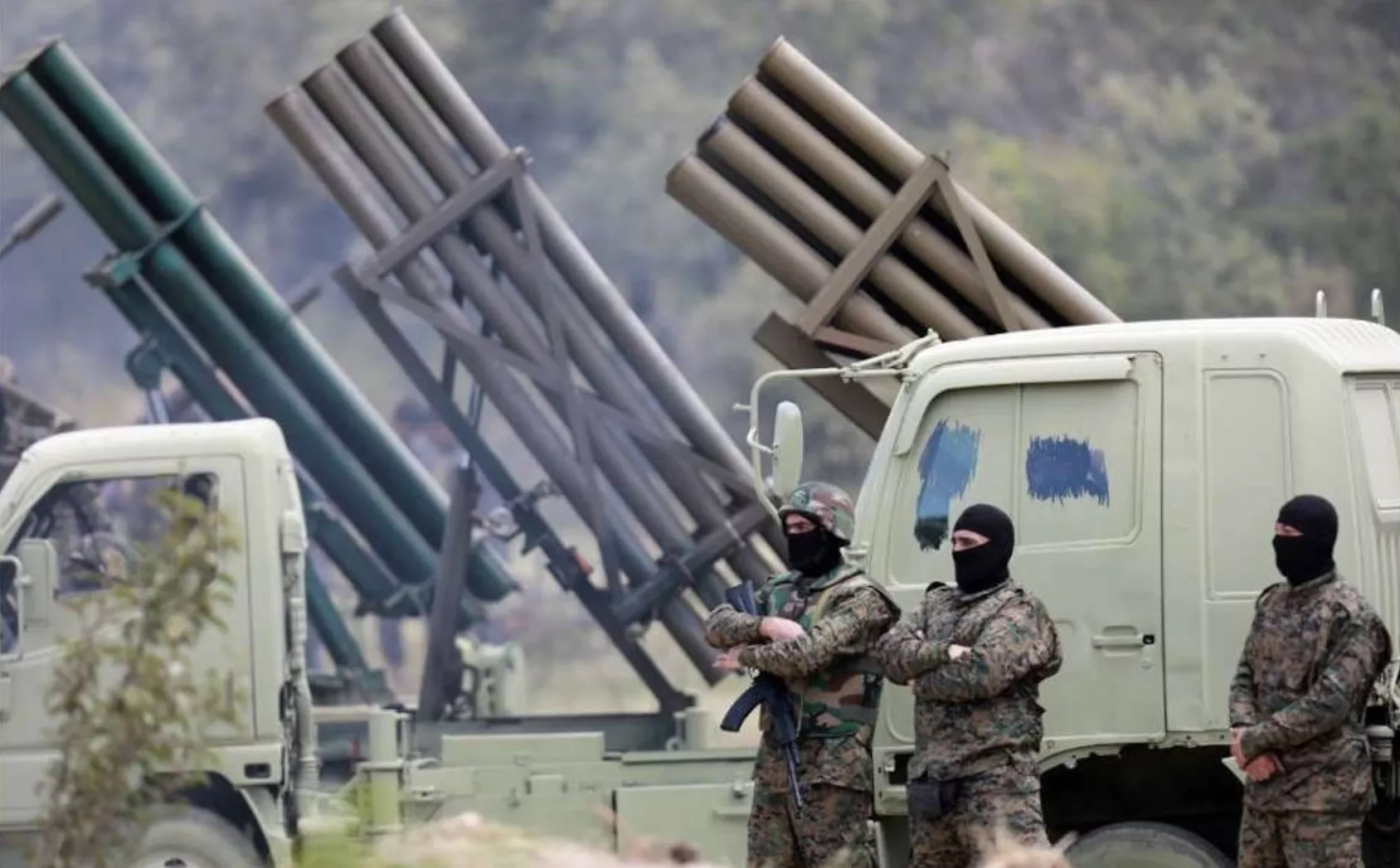
War, Ethnization, Cantonization...
Lebanon's demographic picture is an obsession for those interfering in the country's affairs. Those who do not want Hezbollah and strong Shiites believe that the birth rate in that community is higher than among Sunnis and Christians. In their view, this means that Lebanon will eventually fall under Shiite control, and Hezbollah will achieve this by being stronger than the Lebanese army. This scenario is sought to be prevented by those behind other communities, such as Saudi Arabia, Israel, or France. For example, the aforementioned LF was an ally of Israel during the massacre of Palestinians and Shiites in the Lebanese civil war.
In recent weeks, Israeli officials have increasingly spoken of historical opportunities for many things, such as the issue of Palestine, resolving the Iranian nuclear program, or destroying Hezbollah. Practically, this is an attack on almost all parts of what is called the "axis of resistance," led by Iran, by various actors for different interests. Netanyahu recently stated that the end of the current Iranian regime is "closer than people think" in an address to Iranians.
Nasrallah was not a war leader. His specialty was politics, which he conducted in the name of the "Party of God," as the name Hezbollah means in Arabic. Nasrallah knew that the key to maintaining balance in Lebanon was an alliance with Christians, when an alliance with Sunnis was not possible due to the distance between Iran and Saudi Arabia. Nasrallah formed alliances with Christians from the Amal movement, and they particularly praised Hezbollah for "defending" Lebanon from Israel.
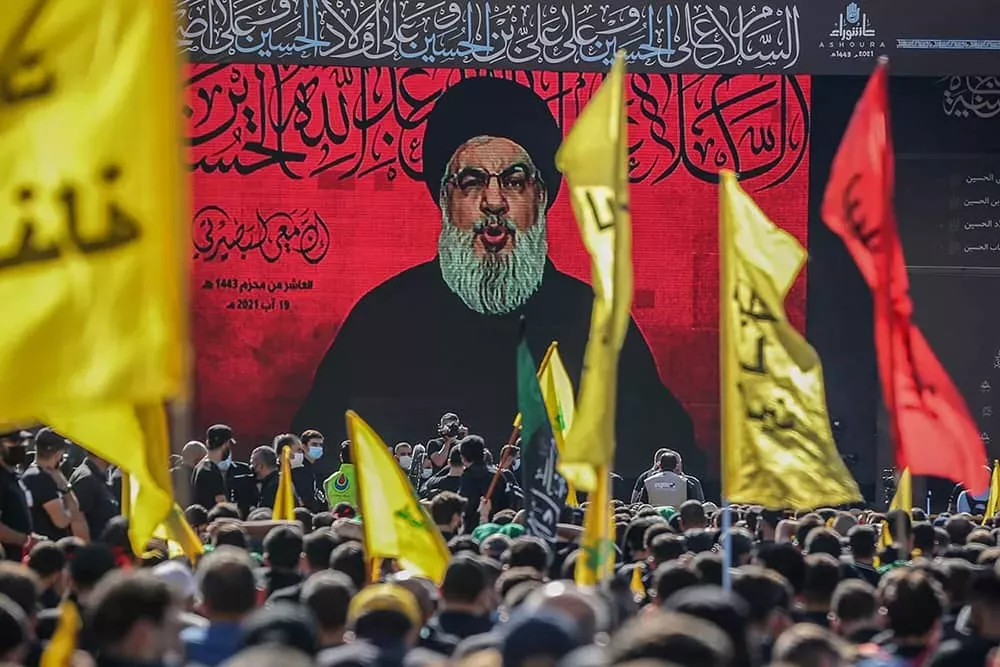
The assassination of Nasrallah and the possibility that his successor could be killed because he is a member of Hezbollah complicates matters. Calls for new elections have been heard in Lebanon, seeking to capitalize on the anger of some of the people that Hezbollah has transferred the war from the Gaza Strip to Lebanon. Namely, after Hamas attacked Israel on October 7, Hezbollah began attacking the Israeli army the very next day in support of Palestine and promised to stop when Israel stopped attacking the Gaza Strip.
In addition, they want to exploit the fact that Shiites are being displaced. As Israel targets everything connected to Hezbollah, it could happen that Shiites in Lebanon are somehow driven into a specific area and separated from other communities. This would make them targets for Israeli forces, while ethnic homogenization of the population would be practically implemented on the ground and at a certain point could be reflected through regionalization or cantonization. Many have sought a change in Lebanon's constitutional structure multiple times.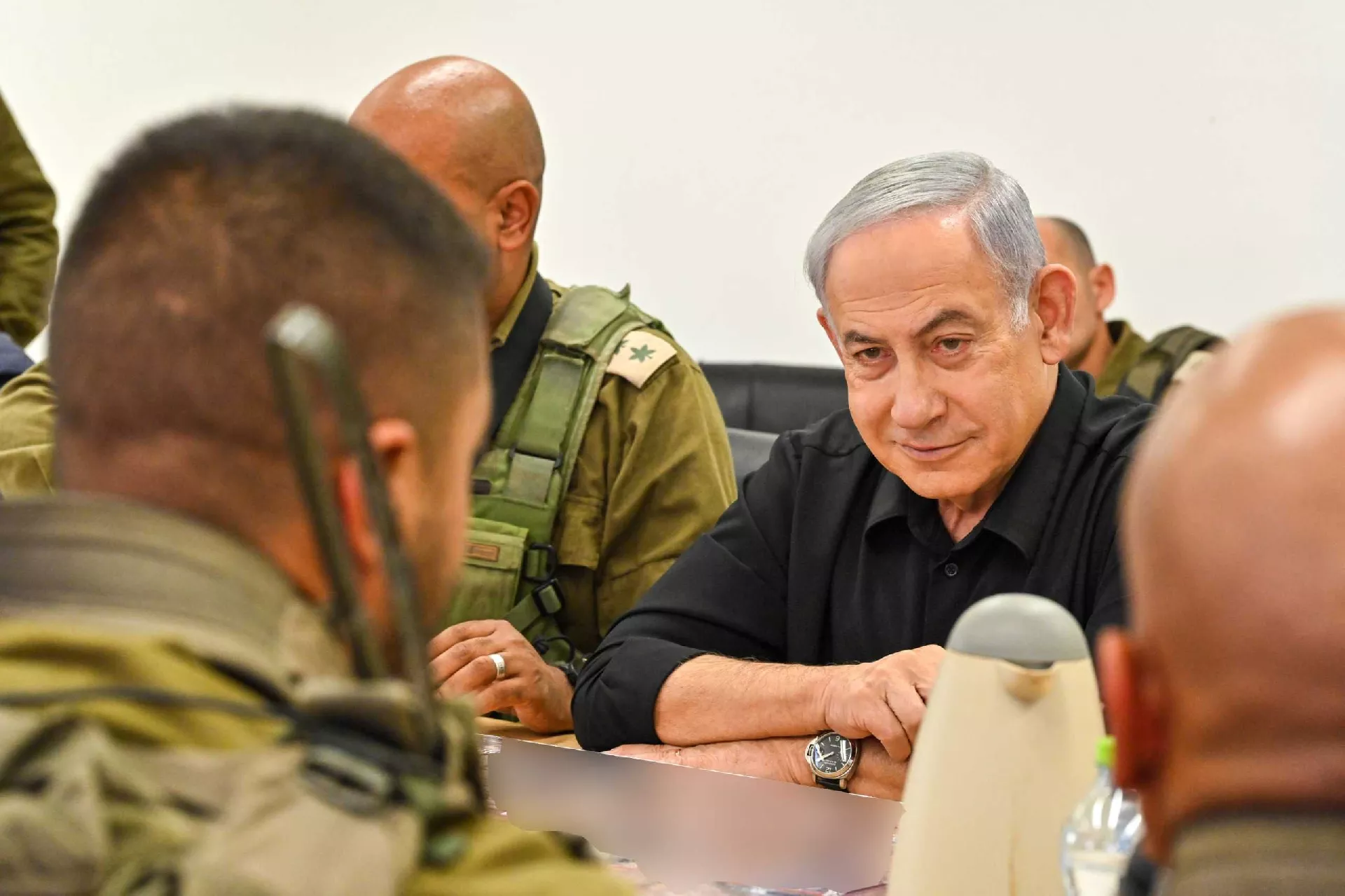
Such an undertaking is not possible without foreign interference, which is happening these days. Radical Israeli right-wingers are calling for the settlement of southern Lebanon, where Shiites primarily live, but also Sunnis and Christians. This is possible if the local population is expelled, as has been the case for decades in the West Bank and elsewhere.
New dangers await the citizens of Lebanon. Netanyahu's blackmail that he will turn Lebanon into Gaza if they refuse his demands has exposed the plan. In other words, if they listen to Tel Aviv, they will not be attacked, and if they refuse, war will follow. For Hezbollah and the Shiite community, things are more difficult, as they are threatened with destruction, leaving them with nothing but a fight. Netanyahu is playing for high stakes, while some countries are making his job easier in various ways. Thus, Lebanon could become the place from which a major regional war will start, or the place where the war could end out of fear of such a war.
Komentari (0)
Prijavite se za komentiranje
PrijavaJos nema komentara. Budite prvi!
Minuta
Sve →Iz drugih kategorija

High Representative Not Elected: Germans, French and British Against Americans, New Attempt at End of June

ČOVIĆ WITHOUT MERCY: How Those Who Brought Ademović to Office Created a Political Hell for Him



Sunny Saturday, quite warm



Tragedy in Albanian resort: Two minors drown












