
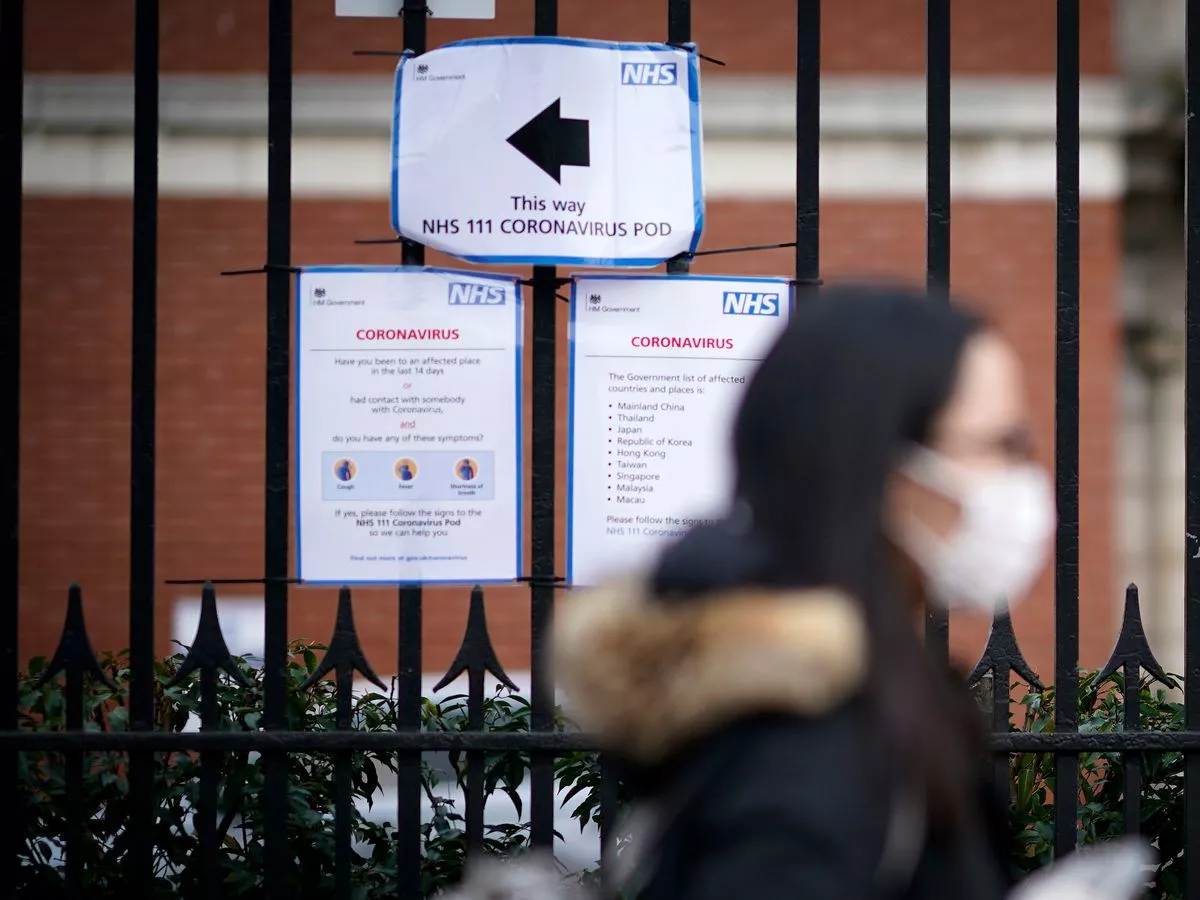
(Patria) - This year, World Mental Health Day comes at a time when our daily lives have significantly changed as a result of the COVID-19 pandemic. The past months have brought many challenges: to healthcare workers, who provide healthcare in difficult circumstances, going to work fearing COVID-19 infection; to students, who are adapting to attending classes from home, with little contact with teachers and friends and worried about their future; to workers whose livelihoods are threatened; to a huge number of people living in poverty or in fragile humanitarian conditions with extremely limited protection from COVID-19; and many people with mental health difficulties are in even greater social isolation than before. And all this cannot be compared to the stress and grief of losing a loved one, sometimes without the possibility of saying goodbye, according to the Ministry of Health of Bosnia and Herzegovina.
According to a World Health Organization (WHO) study, conducted in 130 countries between June and August 2020, the COVID-19 pandemic has disrupted or halted key mental health services in 93% of countries worldwide, while the needs related to mental health have increased.
The aforementioned study provides the first global data showing the devastating impact of COVID-19 on access to mental health services and emphasizes the urgent need for increased funding:
• More than 60% of countries reported disruptions in mental health services for vulnerable groups, including children and adolescents (72%), older adults (70%), and women needing
antenatal or postnatal services (61%).
• 67% of countries faced disruptions in counseling and psychotherapy; 65% in key harm reduction services, and 45% in maintaining opioid agonist treatment for opioid dependence.
• More than a third (35%) of countries reported disruptions in emergency interventions, including services for people experiencing seizures; severe substance withdrawal syndromes; and delirium, which is often a sign of a serious deterioration in health status.
• 30% of countries reported disruptions in access to medicines for mental, neurological, and substance use disorders.
• In approximately three-quarters of countries, at least partial disruptions in the provision of mental health services in schools and workplaces were recorded (78% and 75% respectively).
The WHO has previously highlighted the chronic underfunding of mental health: before the pandemic, countries spent less than 2% of their national budgets on mental health and struggled to meet the needs of their populations.
The pandemic is increasing the demand for mental health services. Loss of life, isolation, loss of income, and fear are triggering mental distress or worsening existing conditions. Many people may face increased alcohol and drug use, insomnia, and anxiety.
“Good mental health is absolutely essential for overall health and well-being,” said Dr. Tedros Adhanom Ghebreyesus, Director-General of the WHO. “COVID-19 has disrupted essential mental health services worldwide precisely when they are needed most.”
On World Mental Health Day, and as part of the “Movement for Mental Health” campaign, the WHO is calling on the global community to participate in “The Big Event for Mental Health,” the largest online promotional campaign to date, through which it will seek increased investment in mental health at all levels – from individuals, businesses, and civil society.
Komentari (0)
Prijavite se za komentiranje
PrijavaJos nema komentara. Budite prvi!
Minuta
Sve →Iz drugih kategorija

High Representative Not Elected: Germans, French and British Sabotaged Americans, New Attempt at End of June

ČOVIĆ WITHOUT MERCY: How Those Who Brought Ademović to Office Created a Political Hell for Him



Sunny Saturday, quite warm



Tragedy in Albanian resort: Two minors drown












