
The International Criminal Tribunal for Rwanda has convicted 61 people for genocide and crimes committed in the 100 days of 1994, when about 800,000 people were killed in the country.
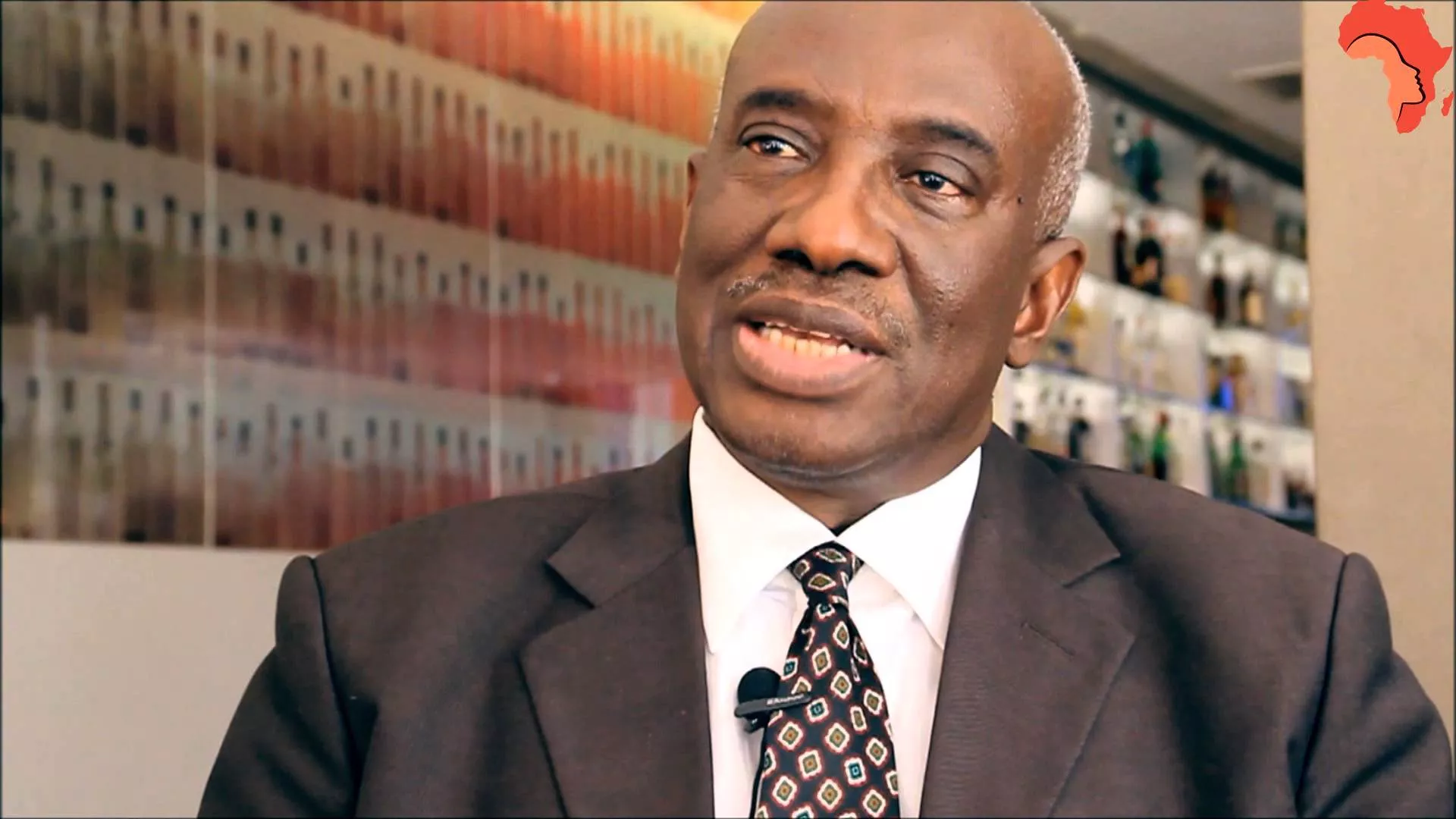
The Chief Prosecutor of this tribunal, Hassan Jallow, in an interview with BIRN – Justice Report, says that genocide was easy to prove on one hand, and difficult on the other.
- What happened in Rwanda was obvious and in the public eye in terms of the killing of Tutsis and moderate Hutus. It was clear that the killings were carried out with genocidal intent, to eliminate Tutsis as an ethnic group - explains Jallow.
In the evidentiary proceedings, the Prosecution relied mainly on witnesses, and complications sometimes arose there.
- Sometimes people were afraid to testify, so special protection measures had to be created. Some witnesses were accomplices, so questions of credibility arose. Some were insiders, people from the top of the establishment, who came to testify against their former colleagues - says Jallow.
As time went by, Jallow adds, some witnesses were no longer available, some had died or moved away, and some were unwilling to testify.
- We had to replace them, find new witnesses. But, despite everything, we had thousands of witnesses from Rwanda and other countries. Most, without any protection, came to testify and returned home. The Tribunal is extremely grateful to them - says Jallow.
He highlights as a positive aspect of the Tribunal for Rwanda's work that at one point, it was no longer necessary to prove that genocide had occurred in trials, but only the responsibility of the accused for the committed crimes.
Showing ID Cards
The way the crimes were committed gave prosecutors clear indications for proving genocide.
The killings were carried out with the intent to eliminate a group. Tutsis were targeted. For example, roadblocks were set up across the country, manned by the army and police of the ruling party, and they were looking for Tutsis. Anyone passing through a roadblock – and at some point, you had to pass because they were everywhere – had to show their ID card. At that time, ID cards had ethnic markings. If you were a Tutsi, you were immediately killed. If you said you didn't have a card, you met the same fate - explains Jallow.
He adds that killings also occurred in churches and other public places where thousands of people sought refuge. Tutsis were singled out and killed.
The infamous Radio “Mille Collines” played a significant role in the killings, Jallow notes.
- The public was asked to look for them, to hunt down Tutsis and eliminate them. Sometimes they even mentioned specific names of Tutsi families and told people where to find them. All these pieces of evidence were there and were presented to the court - says Jallow, who has served as Chief Prosecutor for Rwanda since 2003.
The Tribunal in Rwanda issued the first verdict for genocide in international law. Of the 93 accused, 61 people were convicted for crimes committed in this country.
High-ranking government and military officials, as well as paramilitary forces, and those responsible for inciting genocide through media were found guilty. For the first time, a woman was also found guilty of this crime in the first-instance verdict.
Furthermore, the verdicts of this court marked sexual violence as a means of committing genocide for the first time.
- The Akayesu verdict was the first for genocide and a historic verdict. It gave a new definition of rape... The verdict recognizes that sexual violence can constitute genocide. Rapes and other attacks on women's dignity were used as a means to destroy Tutsis as a group - explains Jallow.
He notes that sexual violence was extremely widespread and that it is estimated that a quarter of a million women were subjected to this form of violence.
Admitting to Genocide
The Chief Prosecutor for Rwanda points out that about ten accused admitted guilt for genocide. However, no one admitted responsibility for sexual violence.
- In negotiations, we rejected some allegations, but not the criminal act of genocide. Although sexual violence was widespread, no one ever agreed to admit guilt for sexual violence. They preferred to admit to genocide - states Jallow.
He says there is no longer any debate about genocide in Rwanda, as its denial is prohibited by law.
- When so many people were killed and when international and national courts have established that genocide occurred, it would be an insult to the survivors and the memory of the victims to allow people to question genocide in the name of freedom of speech. The Rwandan government has taken the right step in criminalizing denial - believes Jallow.
With the resolution of the last appeal, the Tribunal in Rwanda will close at the end of this year. The legacy of this, as well as the Hague Tribunal, according to Jallow's opinion, will continue to be assessed for some time.
Among the merits of these two tribunals, he highlights bringing high-ranking individuals to justice who would have avoided responsibility in the past. They are also responsible for the rapid spread of international criminal law.
- In practice – from our successes and failures, we have provided lessons that can be useful to national courts and the International Criminal Court, in terms of what to do or not to do certain things - adds Jallow.
Komentari (0)
Prijavite se za komentiranje
PrijavaJos nema komentara. Budite prvi!
Minuta
Sve →Iz drugih kategorija

High Representative Not Elected: Germans, French and British Sabotaged Americans, New Attempt at End of June

ČOVIĆ WITHOUT MERCY: How Those Who Brought Ademović to Office Created a Political Hell for Him



Sunny Saturday, quite warm



Tragedy in Albanian resort: Two minors drown












