
By Armin Sijamić
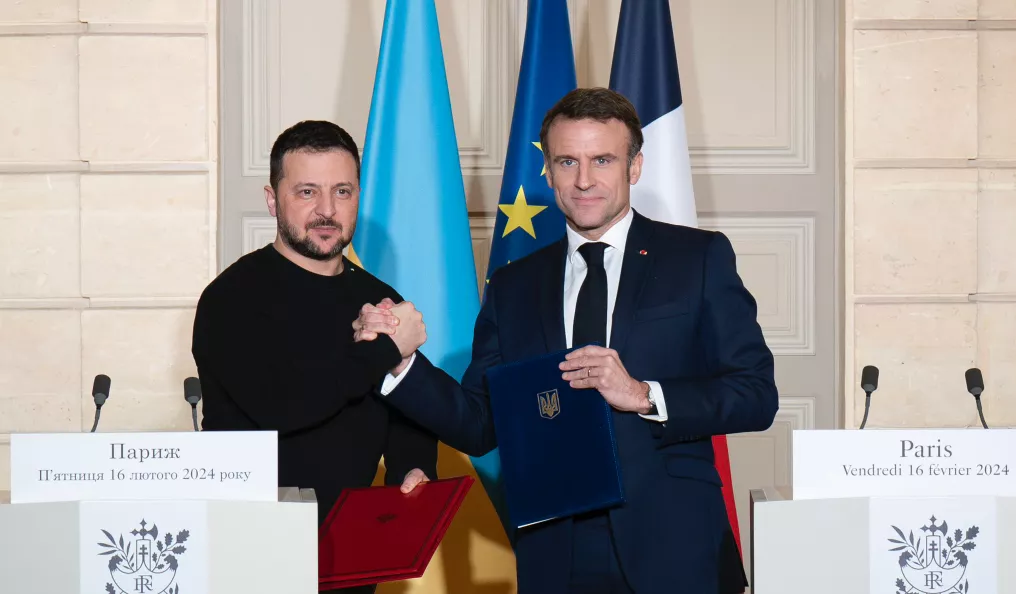
On Monday, French President Emmanuel Macron hosted a conference in Paris to discuss aid to Ukraine. It would have been just another in a series of conferences where Western allies pledge to help Kyiv if Macron had not stated that he does not rule out the possibility of French ground troops being deployed to Ukraine.
Addressing reporters after the aforementioned conference with twenty European leaders, Macron said he “cannot rule out” sending troops to Ukraine. “We will do whatever it takes to prevent Russia from winning this war,” he said. Asked if that included sending soldiers, he said, “There is no consensus to officially send troops to the ground. But regarding options, nothing can be ruled out.”
Kyiv welcomed this statement, some European and NATO allies announced they would not send troops to Ukraine, and the Kremlin stated that the deployment of troops would be the beginning of a war between Russia and NATO.
French Foreign Minister Stephane Sejourne told state parliamentarians yesterday that “we must consider new actions to support Ukraine. They must respond to very specific needs, particularly mine clearance, cyber defense, and arms production on the ground, on Ukrainian territory,” adding that some of these actions would require a presence on the ground, but without crossing the threshold of combat. “Nothing should be ruled out. This was and still is the position of the President of the Republic,” Sejourne said.
Although Macron has previously made statements that went against the positions of Western allies, the statement about the possibility of sending French troops to Ukraine is not accidental and has not been made for the first time in the context that France and European countries must take responsibility for their own security, reducing dependence on the United States and showing strength to Russia and other rivals.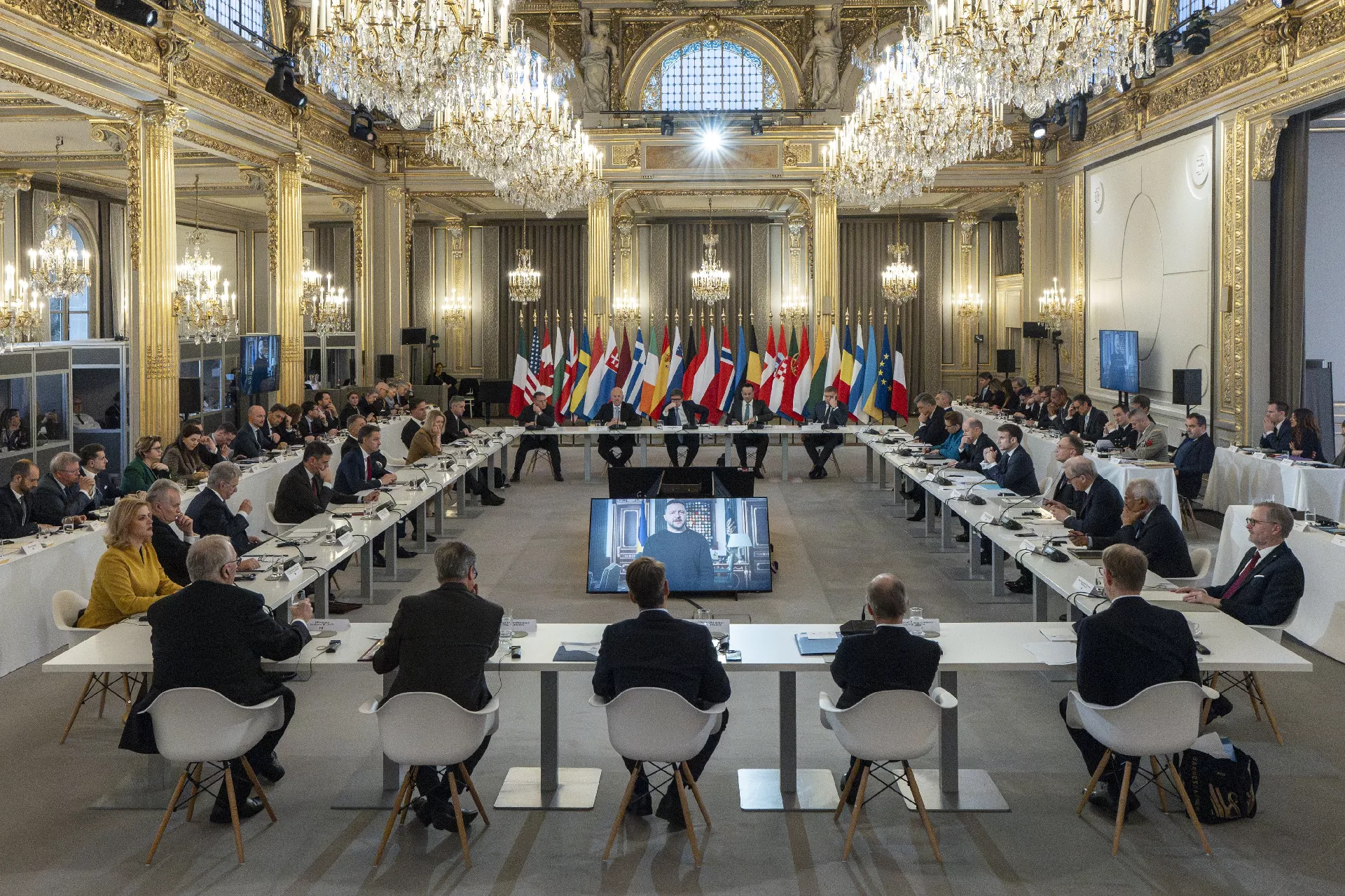
With Different Plans and the Same Goal
The statements made by Macron and Sejourne revealed one of the options on the table when discussing the war in Ukraine. “The very fact that the possibility of sending certain contingents to Ukraine from NATO countries is being discussed is a very important new element,” said Kremlin spokesman Dmitry Peskov, implicitly confirming that Russia is considering such a possibility, as almost the entire West is unanimous in the idea that Moscow must not win this war.
As things stand, some Western countries are not ready to send soldiers to Ukraine, although some have admitted to having their forces there. Thus, the spokesperson for Prime Minister Rishi Sunak, when asked to comment on Macron's statement, said that the United Kingdom has no plans to send a large number of soldiers to Ukraine. “Apart from a small number of personnel we have in the country supporting the Ukrainian armed forces, we have no plans for a large-scale deployment,” he said.
The admission that there are British instructors in Ukraine is not new, as they were there before the start of Russian aggression, training Ukrainian forces to operate Western anti-tank systems sent to them by London and Washington. In those days, the Ukrainian army prevented the fall of Kyiv by attacking long Russian armored columns.
German Chancellor Olaf Scholz said he would not send troops to Ukraine, and official Washington, Madrid, Stockholm, Budapest, Warsaw, and Prague, as well as Slovak Prime Minister Robert Fico, who said that several EU and NATO member states are considering sending troops on a bilateral basis, have sent similar messages. It should be recalled that Ukraine recently concluded security agreements with Italy and Canada, and earlier with the United Kingdom, Germany, Denmark, and France. They pledged to support Ukraine in defending itself against Russia until the country joins NATO.
Some have not rejected Macron's idea. “Times like these require political leadership, ambition, and the courage to think outside the box. The initiative behind yesterday's meeting in Paris is worth considering,” said Lithuanian Foreign Minister Gabrielius Landsbergis. General Onno Eichelsheim, the highest-ranking Dutch military officer, said Macron likely wanted to make it clear to Putin that no option was off the table. “You have to put all options on the table,” he said.
NATO Secretary General Jens Stoltenberg has previously said that it is not a question of whether Ukraine will become a member of the alliance, but only a matter of time. Speaking about Macron's statement on sending French soldiers to Ukraine, Stoltenberg said yesterday that there are no plans to send NATO soldiers and that it would require unanimous support from all members.
Ukraine has suffered several military defeats in recent months, and the biggest threat looms as the US presidential election approaches. Many fear that a victory for Donald Trump would mean the abolition or significant reduction of US military aid to Kyiv.
Macron's Russian Roulette
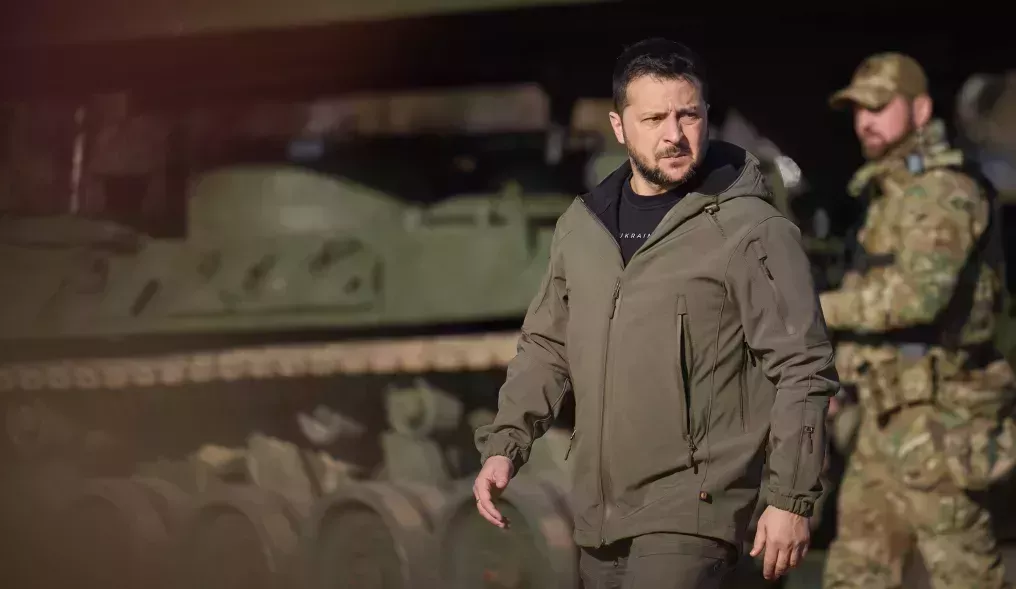
Macron, like everyone else in the West, understands that something must be done. Kyiv claims to be lacking artillery and shells and that even what was promised has not been delivered. Ukraine lacks fighter jets, air defense, and long-range missiles. This has been discussed for two years, and even when aid is approved, various problems arise before delivery.
Macron previously positioned himself as a factor in Ukraine, visiting Russian President Vladimir Putin a few weeks before the start of Russian aggression. The meeting was also remembered for the long table that kept the interlocutors at a distance. After that, France provided modest aid to Kyiv, and later began sending modern weapons, including missiles with a range of 250 kilometers.
It seems that Paris now believes that things are going in the wrong direction and that a different approach must be considered. How such engagement would look to the public is unknown, but Prime Minister Fico's words confirm that even the sending of soldiers from other countries is being discussed. Therefore, it is not surprising that Paris is coming forward with such announcements, as they are the only nuclear power within the EU and have been proposing for years that the EU establish its own military forces and reduce its dependence on NATO, i.e., on Washington.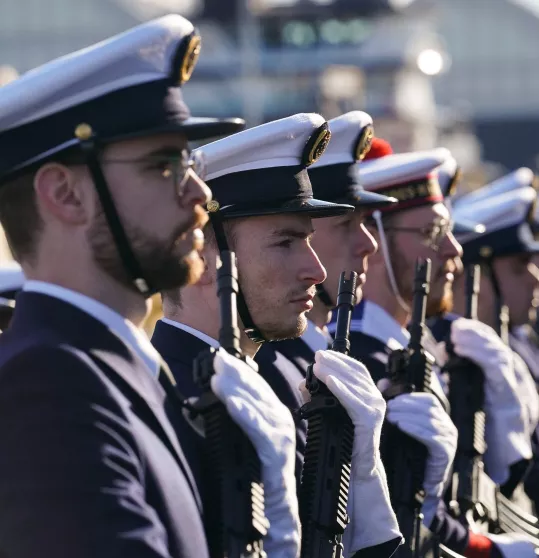
Furthermore, France and other countries have other interests in Ukraine, especially concerning the post-war period, as there are already estimates that more than 600 billion euros will be needed for the reconstruction of the country. Thus, the reconstruction of Ukraine and its further integration into the political and economic frameworks of the West could be a major undertaking that Paris and others do not want to leave to others.
What Macron will do and whether he will do what he announced is currently unknown and does not depend solely on him; it is also unknown what this “special military operation” might look like, using the language Moscow uses to justify its invasion of a neighboring country. The fact that the mere possibility of deploying French or other foreign troops poses a danger to Russian plans in Ukraine is confirmed by yesterday's statement from the Kremlin. If NATO members send their troops to fight in Ukraine, “in that case, we would no longer have to talk about the probability, but about the inevitability (of a direct conflict)” with Russia, said Kremlin spokesman Dmitry Peskov.
Paris likely does not plan to wage war against Russia, but by sending its troops, along with other NATO members, it could lead to a stalemate on the ground, calculating that Russian forces would stop their attacks where Western soldiers are. Such a plan could be in line with earlier considerations that the war in Ukraine could, at least for a certain period, end according to the Korean scenario, i.e., the establishment of a demarcation line that neither side crosses, waiting for a better opportunity to achieve its goals.
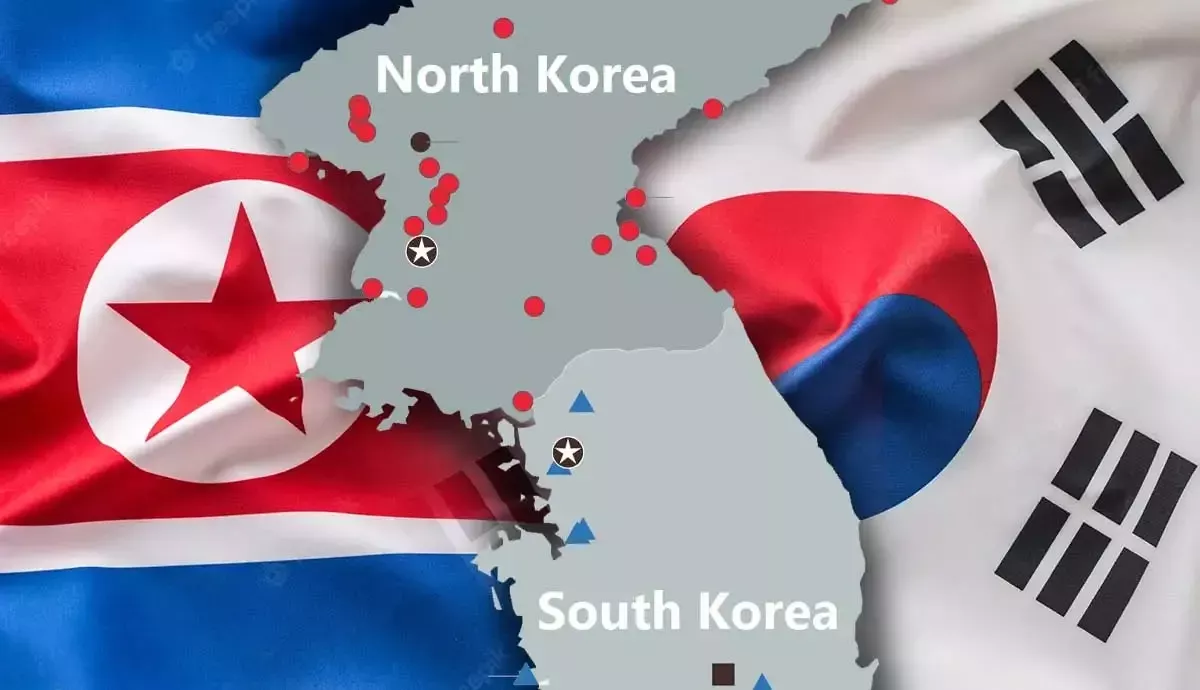
Macron's plans also depend on the outcome of the upcoming presidential elections in the United States. However, Kyiv is running out of time to wait for November and the election results, as Russian forces could launch another offensive in the spring or summer. By then, Western allies should have delivered at least what they promised to Kyiv. Macron and others did not give these guarantees to Kyiv at the aforementioned conference.
Komentari (0)
Prijavite se za komentiranje
PrijavaJos nema komentara. Budite prvi!
Minuta
Sve →Iz drugih kategorija

High Representative Not Elected: Germans, French and British Against Americans, New Attempt at End of June

ČOVIĆ WITHOUT MERCY: How Those Who Brought Ademović to Office Created a Political Hell for Him



Sunny Saturday, quite warm



Tragedy in Albanian resort: Two minors drown












