
By Armin Sijamić
In the shadow of other events in the Middle East, especially in the Gaza Strip and the war between Israel and Iran, Lebanon remained, a country into which the war first spilled after Hamas's attack on October 7, 2023.
It is difficult to find a smaller country than Lebanon where major powers have been so strongly present for decades. A country that is a third smaller than our neighboring Montenegro, and where over five million people live, has been a place of reckoning for decades. This leads to political crises, often accompanied by economic shocks and wars. In several decades, the Syrian and Israeli armies have been in Lebanon, a civil war has been fought, and several wars between Israel and Hezbollah – the party of Lebanese Shiites with its own armed wing.
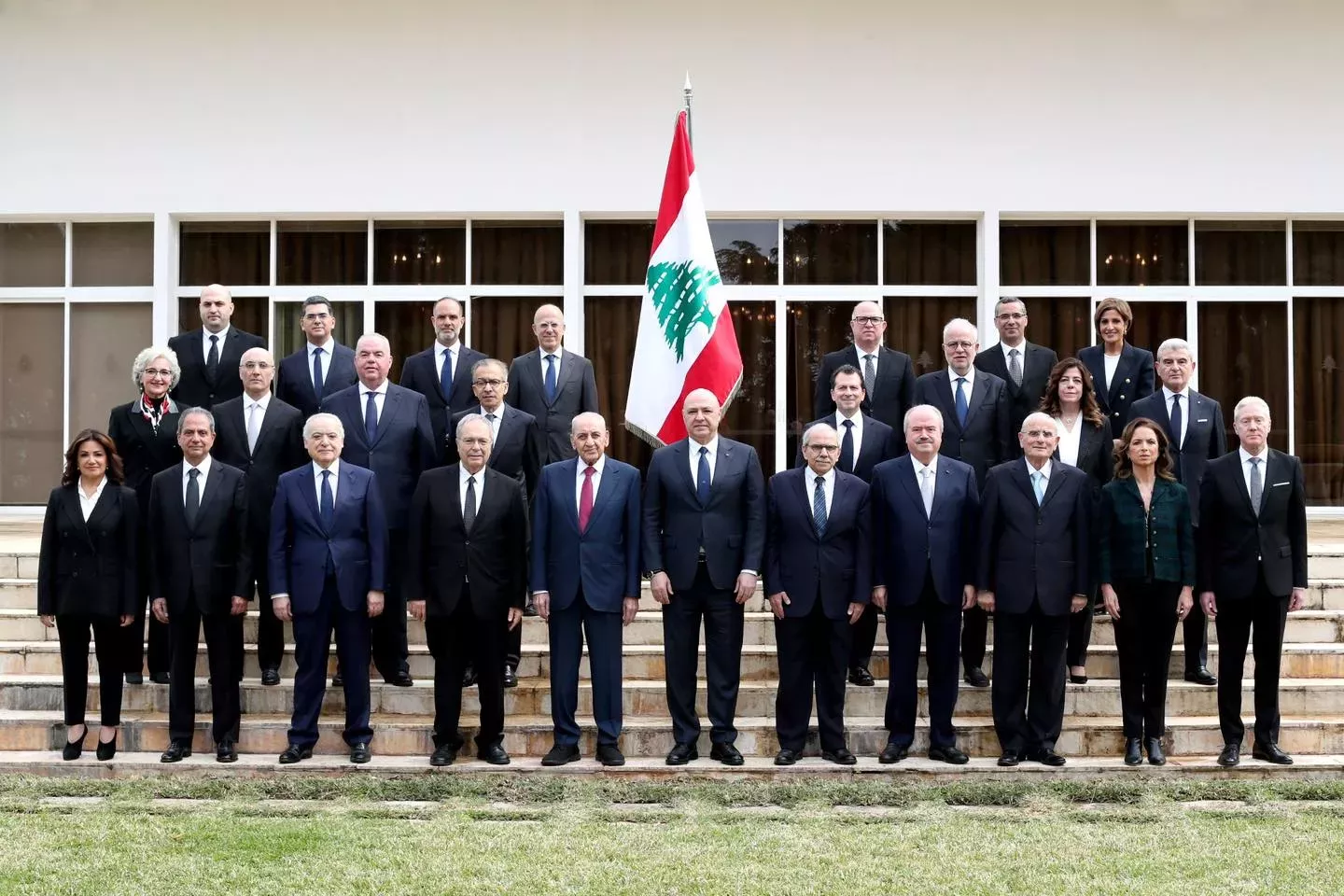
After the last war between Israel and Hezbollah, Lebanon was politically and economically shaken. A solution, at least temporarily, was found in a government that, simply put, is without Hezbollah but with its cadres and by the will of the United States and Saudi Arabia.
From Envoy to Envoy
The government has set noble goals for itself, such as rebuilding the country, returning the displaced, and economic development. However, the West, Saudi Arabia, and Israel expect the government to limit Hezbollah's influence and then disarm it. This was openly stated by Morgan Ortagus, the US Deputy Special Envoy for the Middle East responsible for policy towards Lebanon.
Ortagus is in the past, as Donald Trump has found a new solution. He was replaced by the envoy for Syria and ambassador to Turkey, Thomas Barrack. He recently visited Lebanon and told the authorities there to catch up with the region, referring to the possible establishment of diplomatic relations between some Arab regimes and Israel, and to hurry with the disarmament of Hezbollah.
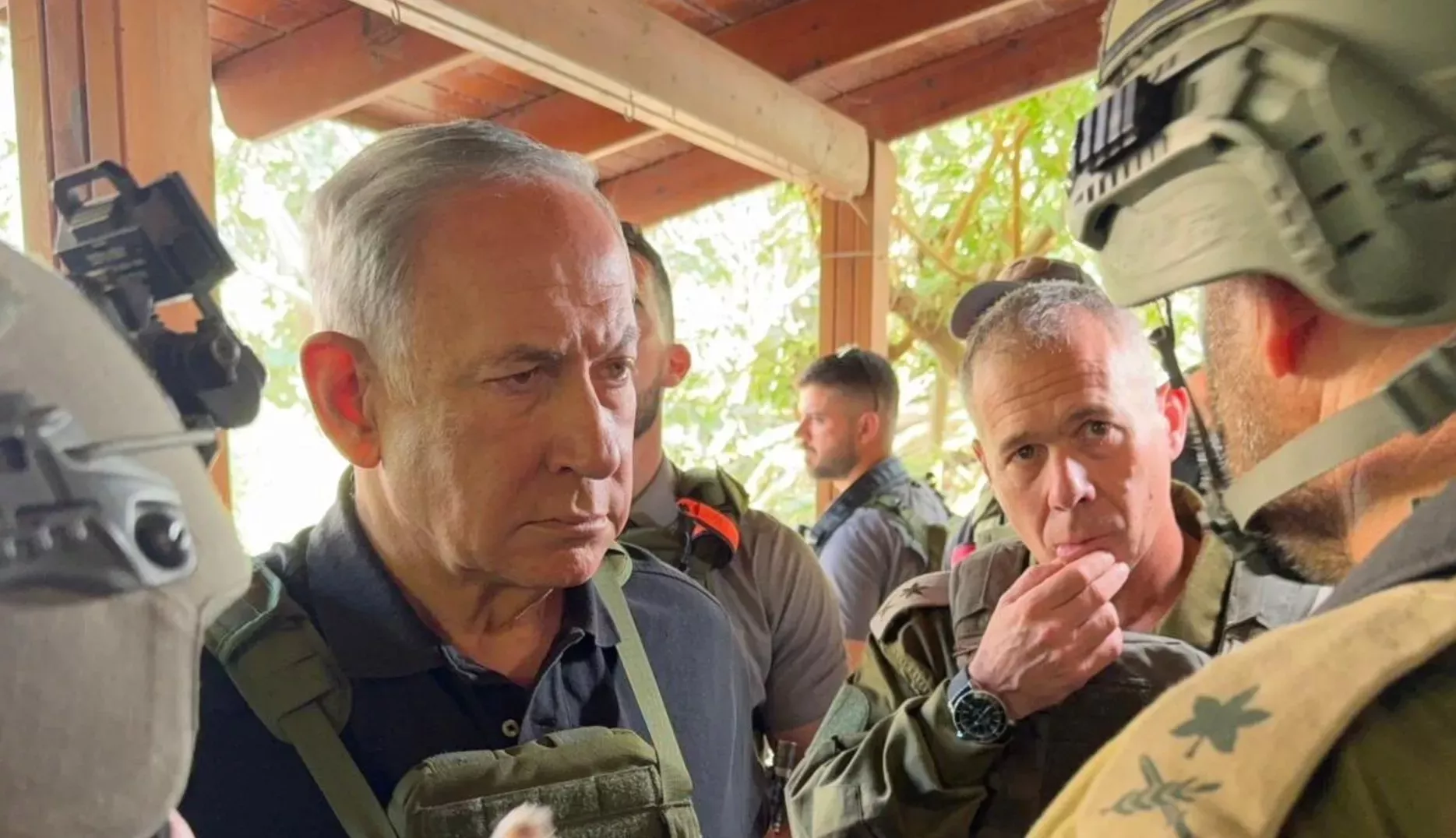
Barrack presented a wish list from Israeli Prime Minister Benjamin Netanyahu, aware that Hezbollah cannot fulfill it unless it gets what it asks for – the reconstruction of Lebanon, guarantees that Israel will not attack again and will cease violating the ceasefire, the release of captured Hezbollah members, and the withdrawal of the Israeli army from several Lebanese border towns.
The appearances of Ortagus and Barrack had different tones but the same goal. Washington and Tel Aviv want to extinguish or significantly weaken Hezbollah by taking away its missiles and drones. After the fall of Bashar al-Assad's regime in Syria and the rise to power of former ISIL and Al-Qaeda member Ahmed al-Sharaa, this would be a death sentence for Hezbollah. This is also the thinking of the Shiites who recently supported Hezbollah and its allies in the local elections, giving Naim Qassem the legitimacy to lead them.
Course of the War
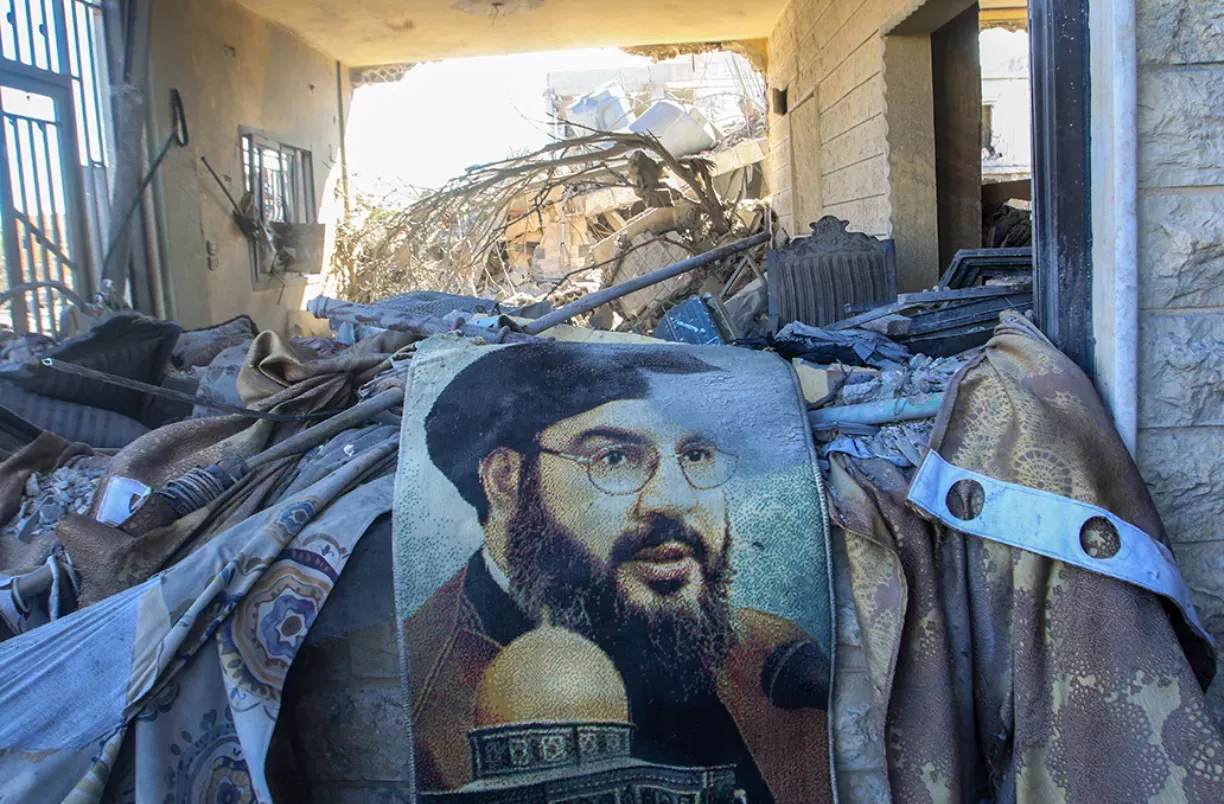
Naim Qassem, in his very first statements after taking over as the party's secretary-general, clearly showed that he was aware that he could not be the new Hassan Nasrallah, whom Israel killed by dropping tens of tons of explosives on him in Beirut.
Qassem was Nasrallah's deputy and had to lead Hezbollah at a time when almost the entire leadership was killed in a short period. Nevertheless, Qassem consolidated Hezbollah, which continued to fight Israel for months, inflicting heavy losses and preventing it from penetrating deeper into Lebanese territory, and finally signed a ceasefire that could be broken at any moment.
On Monday, Qassem gave an interview to Al Mayadeen and revealed details unknown to the public about the war between Hezbollah and Israel, emphasizing his party's readiness to continue fighting. Qassem, who is not as skilled and charismatic a speaker as Nasrallah, did not emphasize his merits and leadership, but referred to party bodies, claiming that they met during the war and that decisions were made through discussions.
Due to limited space, it is not possible to list everything important that Qassem said, so we will focus on a few topics that you could have read about on these pages since the end of 2023.
The Secretary-General of Hezbollah claims that the party leadership did not have information that Hamas would attack Israel, nor did Iran. Qassem claims that some high-ranking Hamas officials who were abroad also did not know. However, when the attack occurred on October 7, 2023, the Shura Council (the highest party body) unanimously decided, without consulting Iran, to help Hamas with a limited operation that would draw some Israeli forces away from the Gaza Strip.
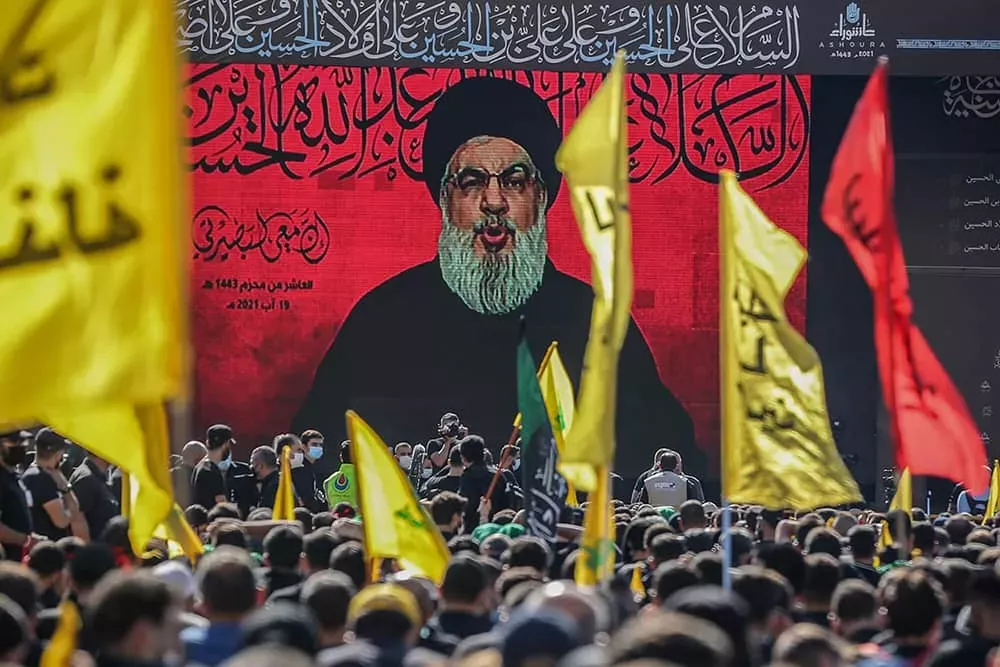
He said that Hezbollah was forced into this mode of warfare because a large-scale war requires significant preparations, and they had neither the time nor the means for it. Therefore, Hezbollah set three main goals: to divert some Israeli forces from the Gaza Strip, to create psychological pressure on Israelis through the displacement of the population from the border area with Lebanon, which would ultimately lead to a social, economic, and security crisis in Israel. According to him, Hamas, through its envoy in Lebanon, also assessed this as sufficient.
Pagers and Intelligence Work
Regarding possible lapses in Hezbollah's work during the past war, Qassem claims that an investigation is underway, including whether someone informed Israel of Hassan Nasrallah's location at the moment of his assassination, and promised to inform the public of the investigation's results.
Qassem spoke about the infamous pager explosion. He says the investigation showed the vulnerability of the group in the procurement process and adds: "We did not know that the supply chain had been discovered. With the means at our disposal, we could not detect the presence of explosives." The type of explosive device in the pagers was very advanced and could not be detected by standard methods. "This could be considered a failure or a limitation of our capabilities," he said.
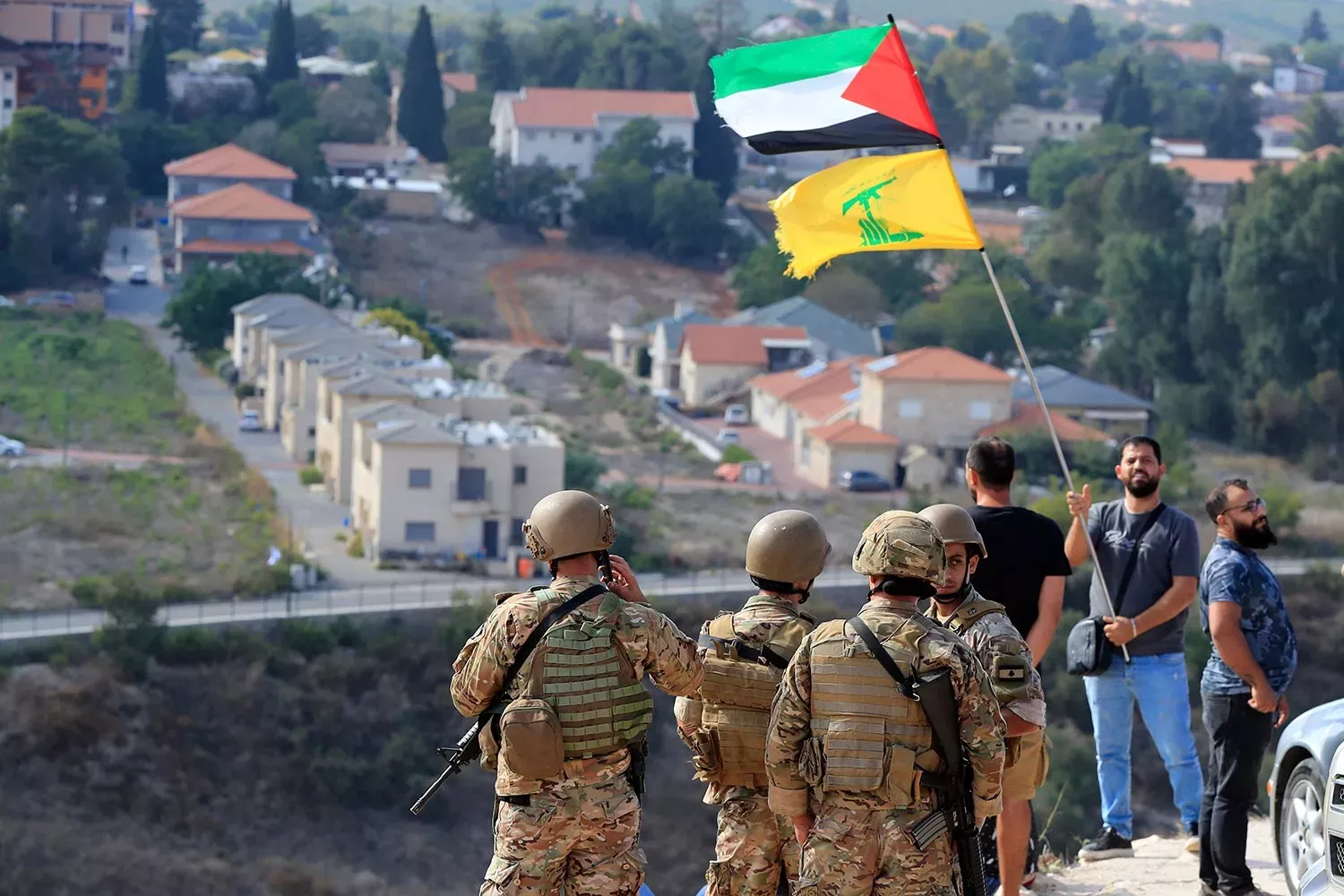
Shortly before the explosions, Qassem claims, Hezbollah members began to suspect pager malfunctions, "including attempts to open" the device. He says this may have prompted Israel to launch the attack prematurely. Hezbollah members also discovered that about 1,500 pagers were bugged, and this happened in Turkey shortly after the pager explosion. Hezbollah contacted the acting Prime Minister of Lebanon, Najib Mikati, who contacted Turkish President Recep Tayyip Erdoğan, asking for the devices to be destroyed. "This issue was quickly resolved after the explosion," Qassem said.
Qassem says there was no significant intelligence penetration into Hezbollah ranks through people. "Frankly, human penetration seems very limited compared to the vast amount of data collected through surveillance and drones." Hezbollah underestimated the extent of operations through electronic devices and from the air, as they did not "have the capacity to understand how deeply Israel" was collecting information, adding that their enemy "has been collecting data through aerial surveillance for seventeen years, documenting geographical and infrastructural changes" on the ground, which helped them hit some locations, even though Hezbollah had moved its assets during the war.
War is not desired, but surrender is not an option
Qassem was not optimistic about the future. He claims that Israel cannot be trusted, that the region has changed to the detriment of Iran's allies with the fall of Assad, and that some forces in Lebanon are trying to circumvent the Shiite will by pushing Hezbollah and their ally Amal out of power and politics.
Qassem claims that Hezbollah has recovered from the war with Israel and is ready for a new confrontation if necessary. He described the past war as a Hezbollah victory, because if it were otherwise, the existing ceasefire agreement would not exist, and the Israeli army would be "at Beirut and Sidon."
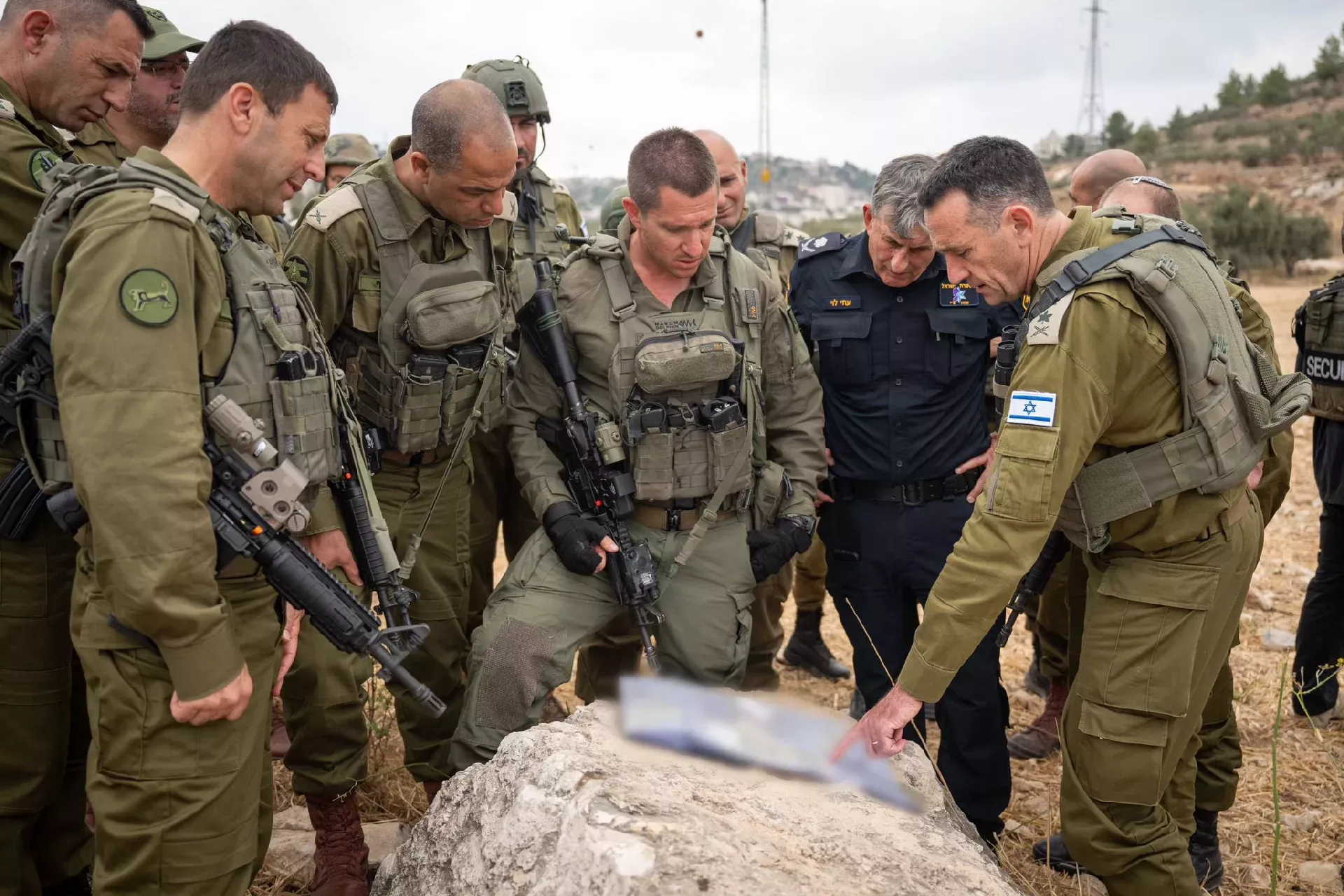
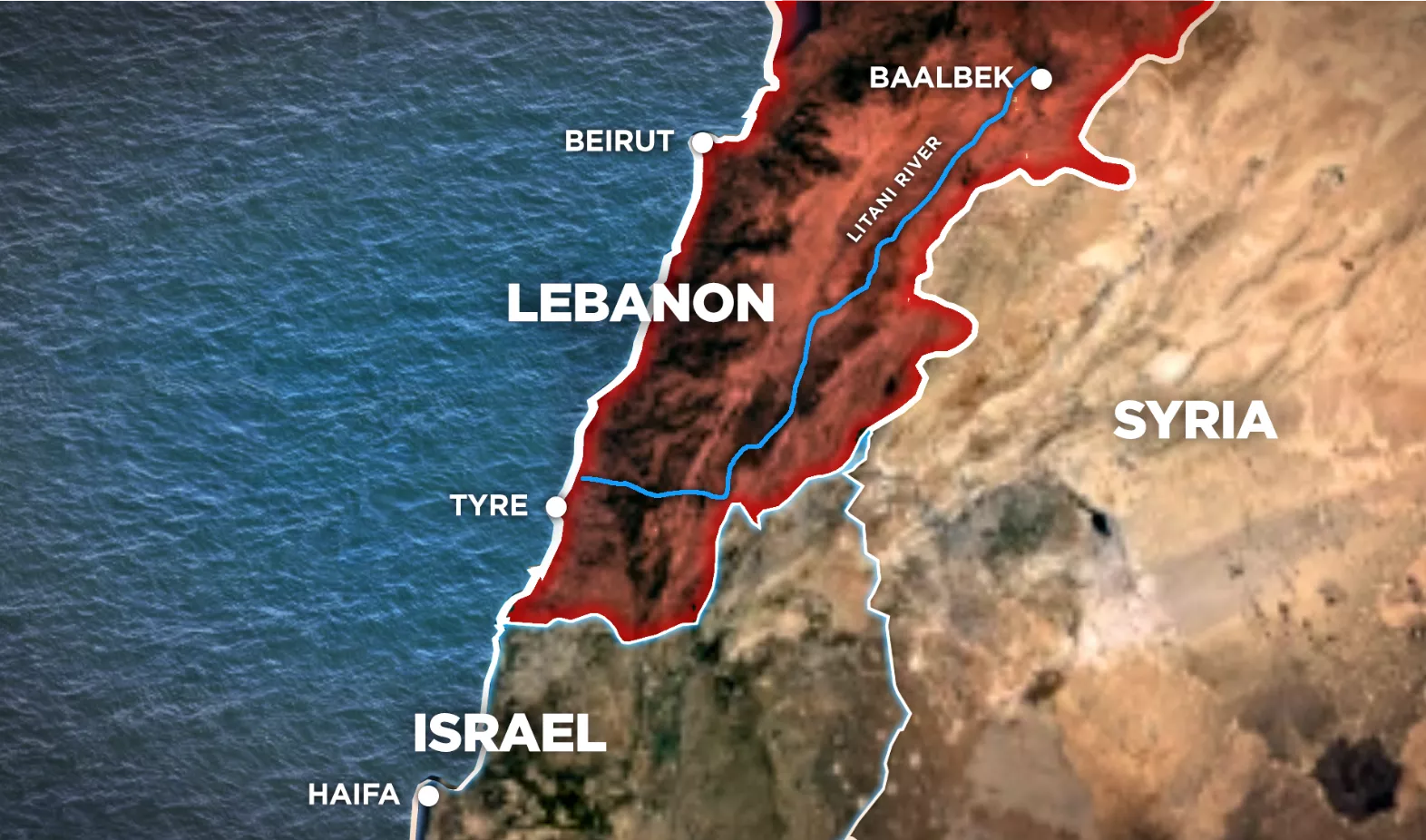
He commented enigmatically on the fact that Hezbollah withdrew from southern Lebanon, south of the Litani River, and handed over positions there to the Lebanese army. "The country is huge," he said. He stated that their patience has limits regarding constant Israeli violations of the ceasefire. Although Qassem did not talk about it, Hezbollah has been using this fact for months to pressure political rivals in Lebanon, telling them that only they can stop Israel, which does not adhere to any agreement.
He says he is ready for cooperation with Arab states and Turkey. However, he paid special attention to Iran and Syria. In the case of Iran, which he says did not ask Hezbollah to reach a ceasefire in the war against Israel, Qassem is satisfied and says it is the "source" and that the "stream continued to flow even when some channels were damaged," alluding to the interruption of the land connection through Syria, with whose government he has no contact, but fears that some foreign power could turn Damascus against Lebanon's interests.
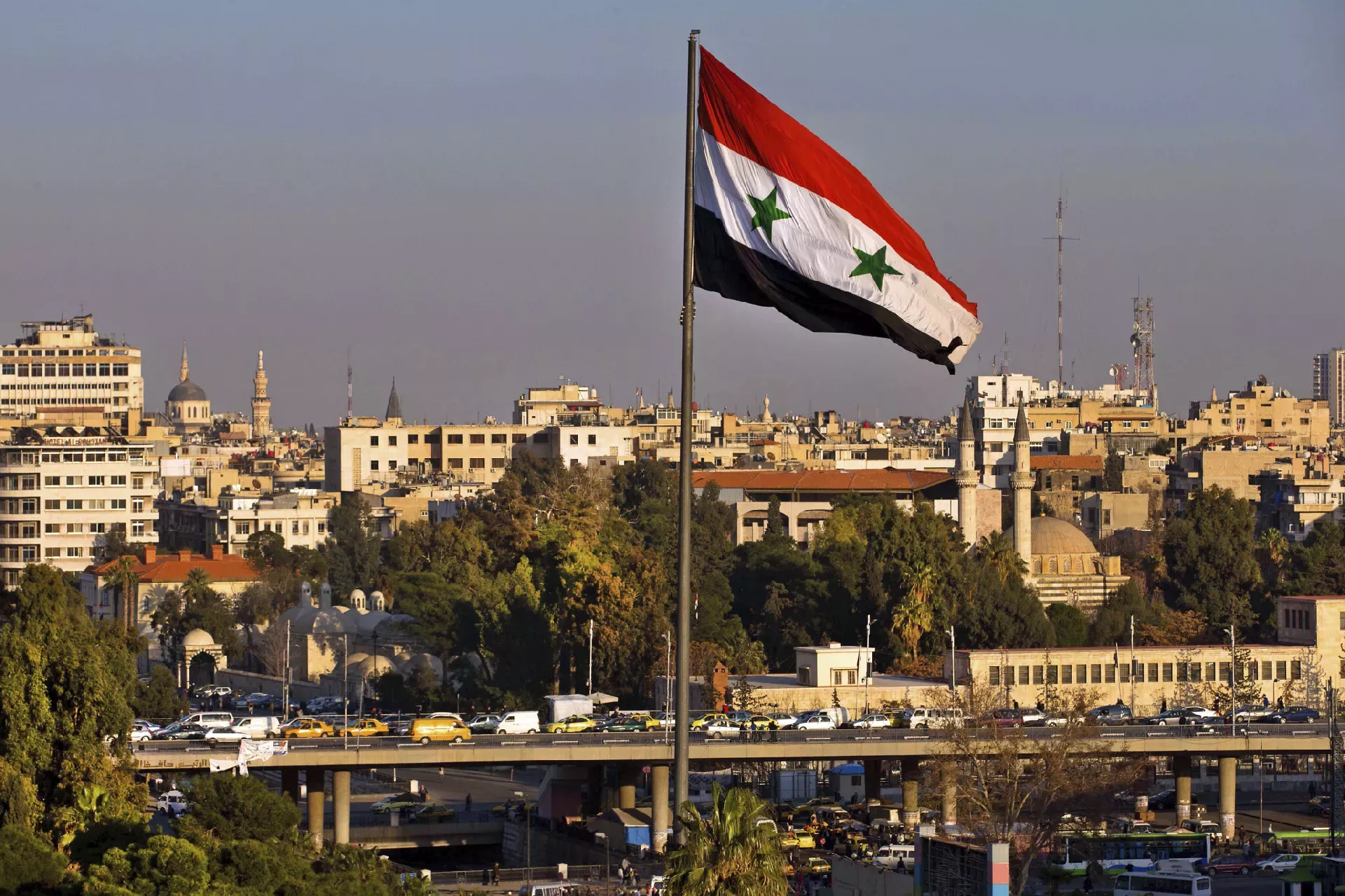
Qassem says that the change of government in Syria is a heavy blow to the Axis of Resistance, and that Damascus helped Palestinian factions, and more or less repeated Nasrallah's words that Palestine would be permanently lost without Assad, who was the "backbone" of Iranian policy from Tehran to the Mediterranean.
Hezbollah is undergoing changes, but not changing its goals, Qassem says. "Hezbollah is a movement, a belief, a national project. Weapons are only one part of it, not what defines it." Although, as he says, Hezbollah is ready for agreements, there are limits. "There is no third option between victory and martyrdom. We do not have surrender as an option."
Komentari (0)
Prijavite se za komentiranje
PrijavaJos nema komentara. Budite prvi!
Minuta
Sve →Iz drugih kategorija

High Representative Not Elected: Germans, French and British Against Americans, New Attempt at End of June

ČOVIĆ WITHOUT MERCY: How Those Who Brought Ademović to Office Created a Political Hell for Him



Sunny Saturday, quite warm



Tragedy in Albanian resort: Two minors drown












