
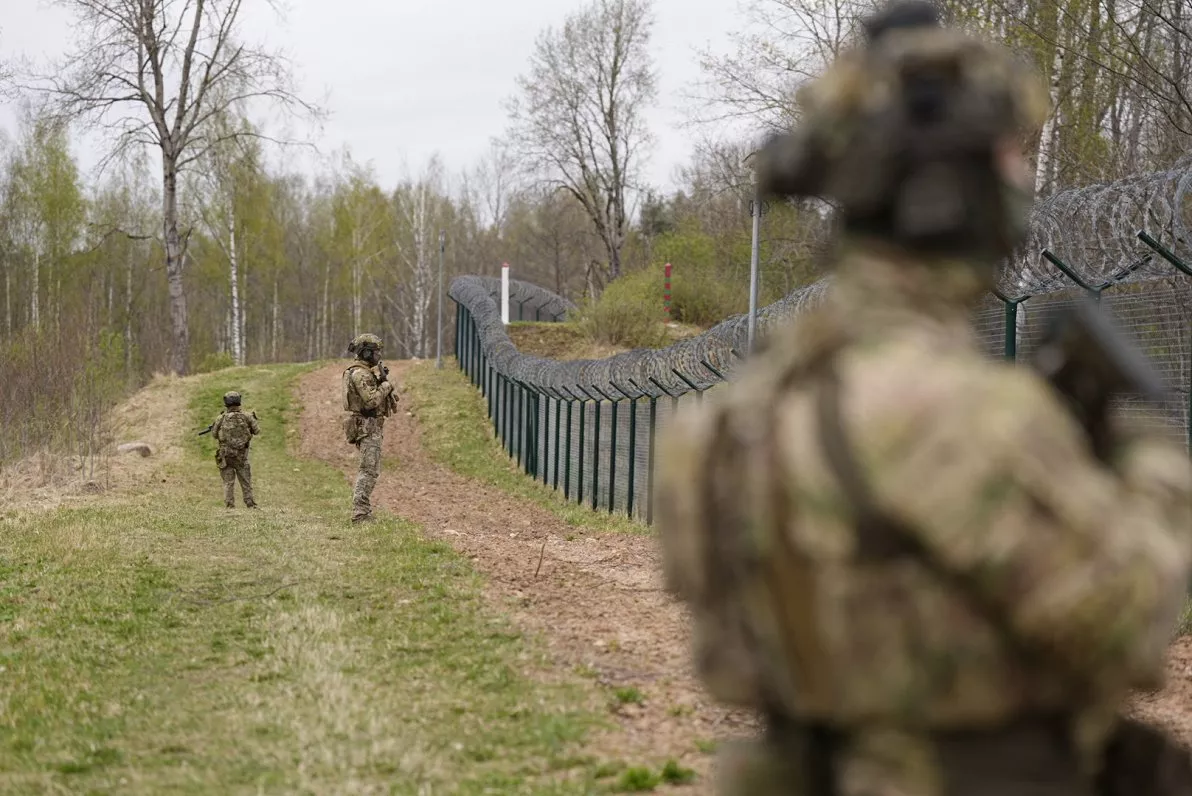
(Patria) - In places where even border markers did not disturb the landscape, heavy machinery is currently digging a trench on the border between NATO's Baltic region and Russian territory, reports RSE.
Riga will allocate around 303 million euros over the next five years for a major project to build fortifications on its border.
- We plan to dig anti-tank ditches along the border, as you see here now, and then reinforce them with 'dragon's teeth' - says Latvian Armed Forces officer Kaspar Lazdins for the Latvian media LSM.
He emphasizes that each region will have its own solutions.
- We plan to use not only state resources but also to attract other companies - he points out.
When reporters from North.Realities, a service of Radio Free Europe, visited the Russian border in Terehova, Lithuania, a long line of trucks was waiting to cross the border.
This is the busiest point on the eastern Lithuanian border due to the highway that goes directly east to Moscow and the proximity of the checkpoint with Belarus.
A fence was erected around the Terehova border crossing in 2019 to block the passage of undocumented migrants trying to enter from Russia.
Major military fortifications will soon be added to this border as part of what Riga calls its "eastern border strengthening plan".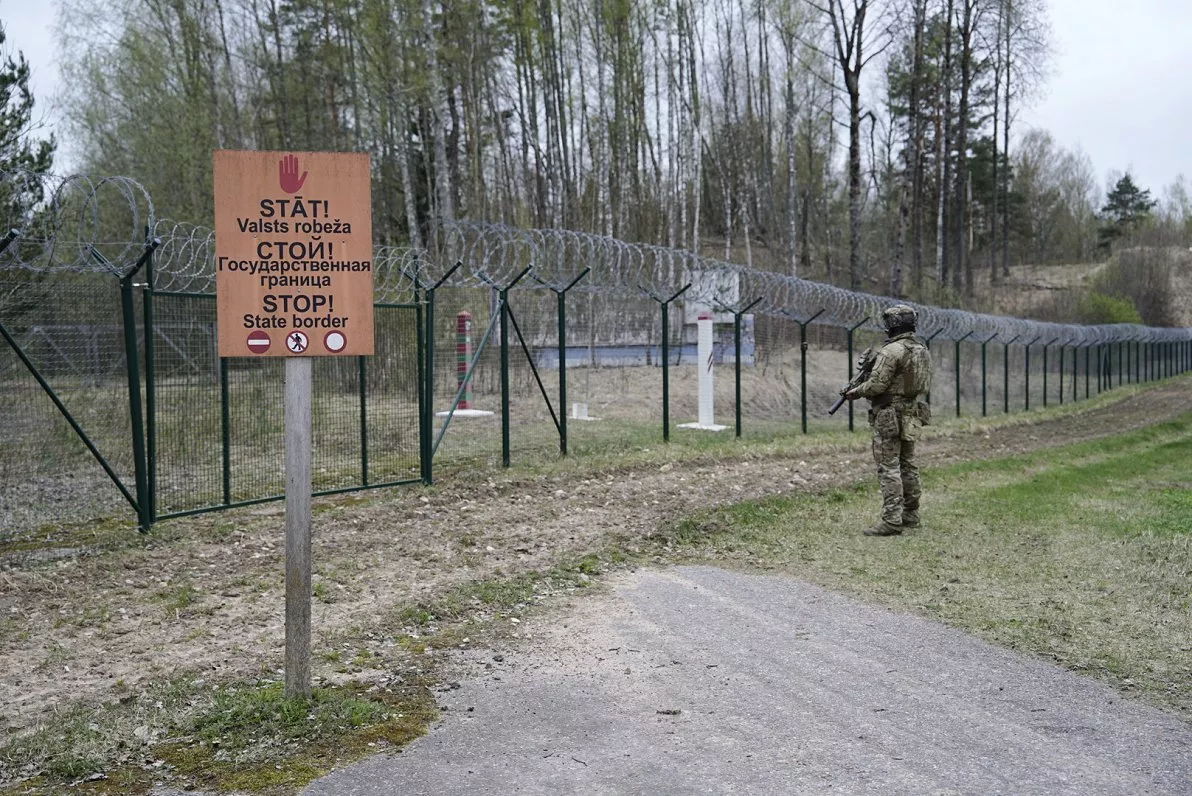
- The border doesn't bother us, we've lived with it all our lives and we don't pay attention anymore - says Ina Dukšta, an employee at the administrative office of Pasiene, a village near the Terehova crossing.
Flyers posted around the village call for the recruitment of new border guards, and in the local administration building itself there is a poster with the inscription in Latvian: "We are NATO".
- We don't know if tanks will come, but of course we are afraid of that - says young resident Julija when asked to comment on the events on the nearby Russian border.
"I have a family, children. I don't think about today, but about what is coming in the next 20 years."
Nikolaj, an older resident, however, does not feel that fear.
- It would be better if these 303 million euros were invested in roads. If, God forbid, war comes, these fortifications won't save us anyway.
I don't know about this ditch. In modern wars, nothing is more effective than diplomacy.
Embassies should not be closed, diplomatic relations should not be severed. Only diplomacy will maintain peace - says Nikolaj in a statement to Radio Free Europe.
Before the coronavirus pandemic and the full-scale invasion of Ukraine, residents of Latvia's eastern border areas freely traveled to Russia's Pskov Oblast where they could buy products cheaper.
Like many settlements along Latvia's eastern border, Pasiene is a village where Russian is predominantly spoken.
- How can you force people to speak Latvian - says Elena, a cleaner in the settlement.
- I am Latvian, we are all citizens of the European Union, but everyone studied in Russian schools - we had no others. We live like this our whole lives, it's impossible to change people - adds Elena.
Latvia gained independence in 1991 after the collapse of the Soviet Union, but lost part of its territory to Russia. Riga raised territorial claims against Moscow in the 2000s.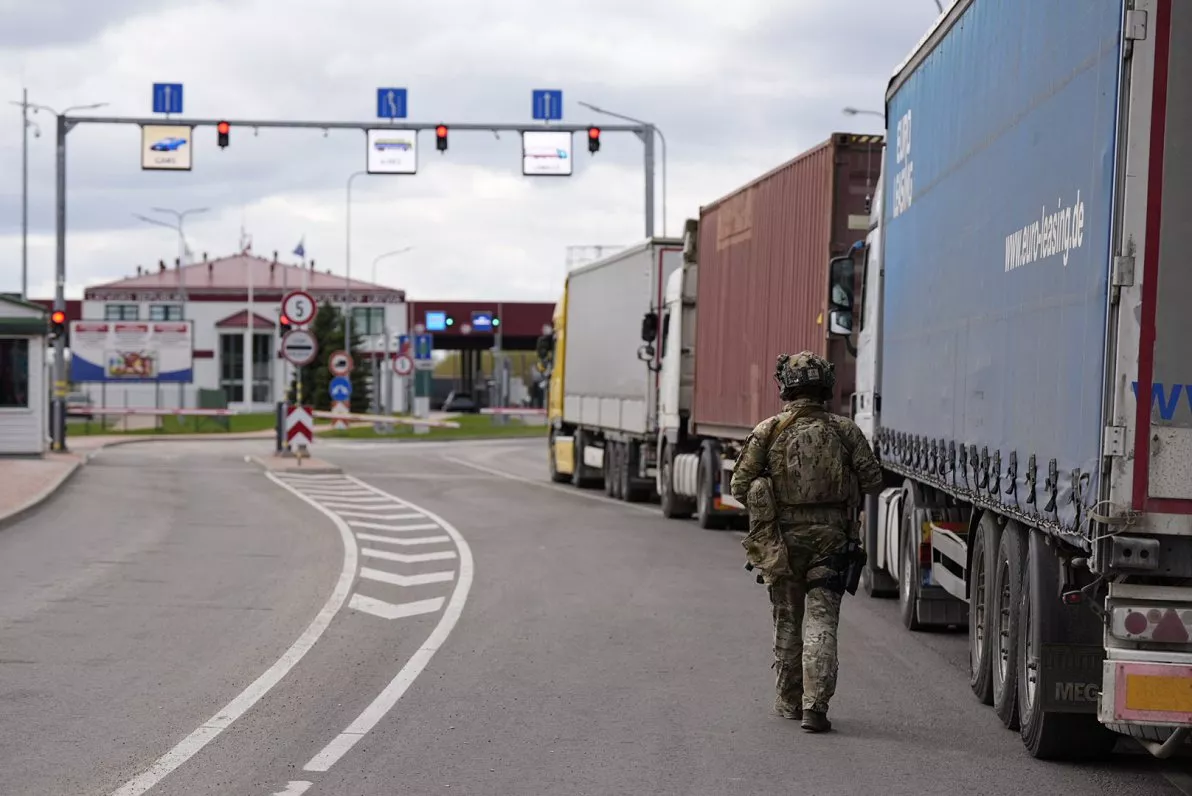
Russian President Vladimir Putin responded less diplomatically.
- We will never negotiate on the topic of any territorial claims - Putin said, adding that Riga would get "a dead donkey's ears" before any land would be handed over.
Latvia's parliament, after Russia's invasion of Ukraine in 2022, banned public celebrations on May 9, the day Russia marks the Soviet victory over Nazi Germany.
In Pasiene, a Soviet-era monument to soldiers killed in World War II still stands, but to the south, where the borders of Lithuania, Belarus, and Russia meet, a "friendship monument" has been demolished.
- There is no connection with Russia, I don't even know about our parliament - says Inna, a resident of Pasiene.
- Now they say there will be elections for the European Parliament, but I haven't seen anyone come and offer us something to talk about.
This is a forgotten land. We live an ordinary life - we sow, plow, fill out subsidy applications.
We try to earn, grow something, live off our vegetables and keep livestock - points out Inna.
Historian Ilja Lenski believes that the current fence along the border with Lithuania should have been erected 30 years ago, and mentions the influx of migrants from the Middle East who want to enter his country from Belarus.
- People are constantly walking, trying to cross. This leads to overloading of our border service. At the same time, these are attempts to identify some weaknesses in the border - says Lenski.
He believes that one of the goals of the multitude of migrants, apparently herded by Belarusian authorities towards the border with Latvia, is to provoke violence.
- It is expected that someone's nerves will give way and someone will start shooting, and then wonderful propaganda will come that Latvian border guards killed a helpless asylum seeker.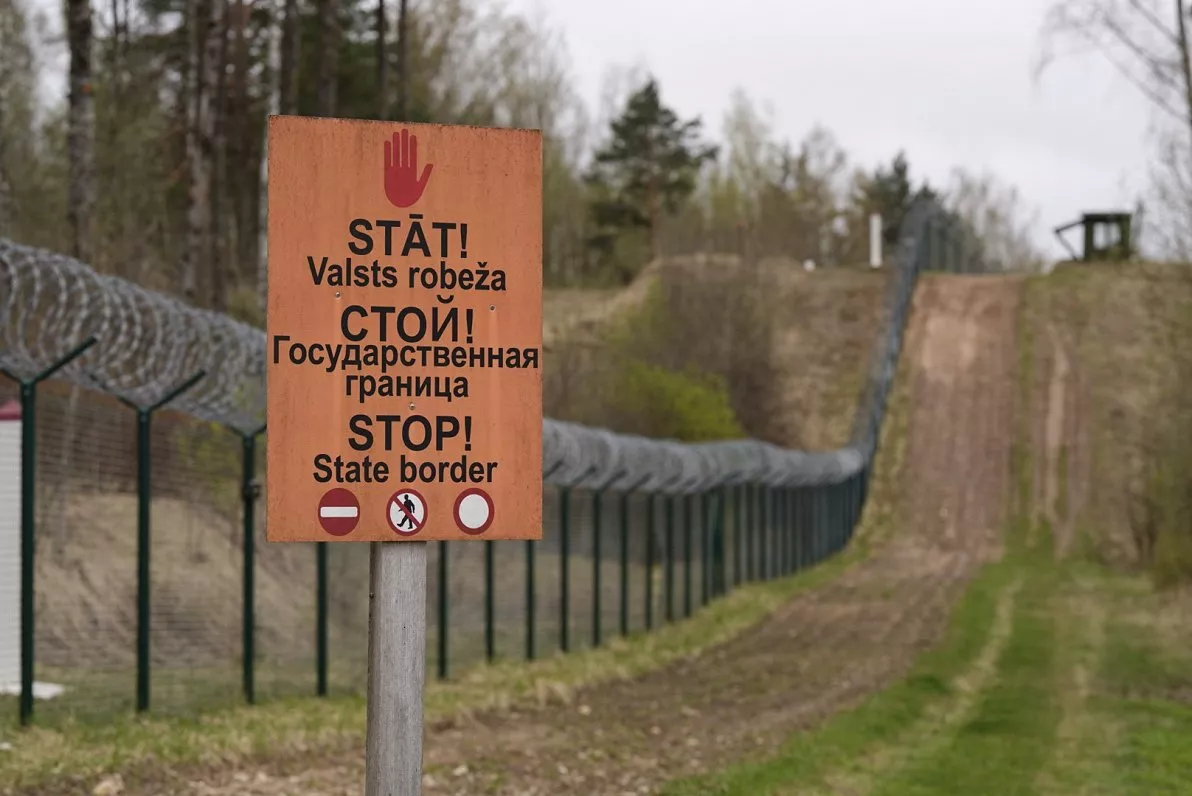
This would be very useful because the main narrative of Russian and Belarusian propaganda regarding the Baltics is that these people are unrepentant Nazis who will not share bread but kill people - says this historian.
Igor Raev, former commander-in-chief of the Lithuanian Land Forces, says that although it is now hard to imagine Putin ordering an invasion of the Baltics, the situation in Ukraine serves as a warning.
- Russia's relations with Ukraine have deteriorated over time. What was considered impossible in 2008 became unlikely in 2014, and then happened in 2022.
We don't know how the situation will develop in the future, how the conflict in Ukraine will end, and what will follow after its conclusion. Therefore, it is better to be sufficiently prepared and strong to withstand any scenario - states Raev.
He believes that the fortifications that will soon be placed along the border are just one element of Latvia's protection measures.
- Defensive structures have no impact unless your units are stationed there, covering these physical barriers that are part of the defense line - he stated.
NATO's presence in the Baltic countries has been significantly strengthened after Russia's invasion of Ukraine in 2022.
Raev believes that Moscow is significantly militarily exhausted thanks to the Kremlin's missteps.
The military expert believes that "at least five years" might be needed for the Kremlin to rebuild its military strength.
- By the time Russia eventually returns to its military potential, I think we will be ready - he says.
Komentari (0)
Prijavite se za komentiranje
PrijavaJos nema komentara. Budite prvi!
Minuta
Sve →Iz drugih kategorija

High Representative Not Elected: Germans, French and British Against Americans, New Attempt at End of June

ČOVIĆ WITHOUT MERCY: How Those Who Brought Ademović to Office Created a Political Hell for Him



Sunny Saturday, quite warm



Tragedy in Albanian resort: Two minors drown












