
(Patria) - Security and Germany's defence capabilities are a topic on the European Parliament election posters of almost all parties, writes Deutsche Welle.
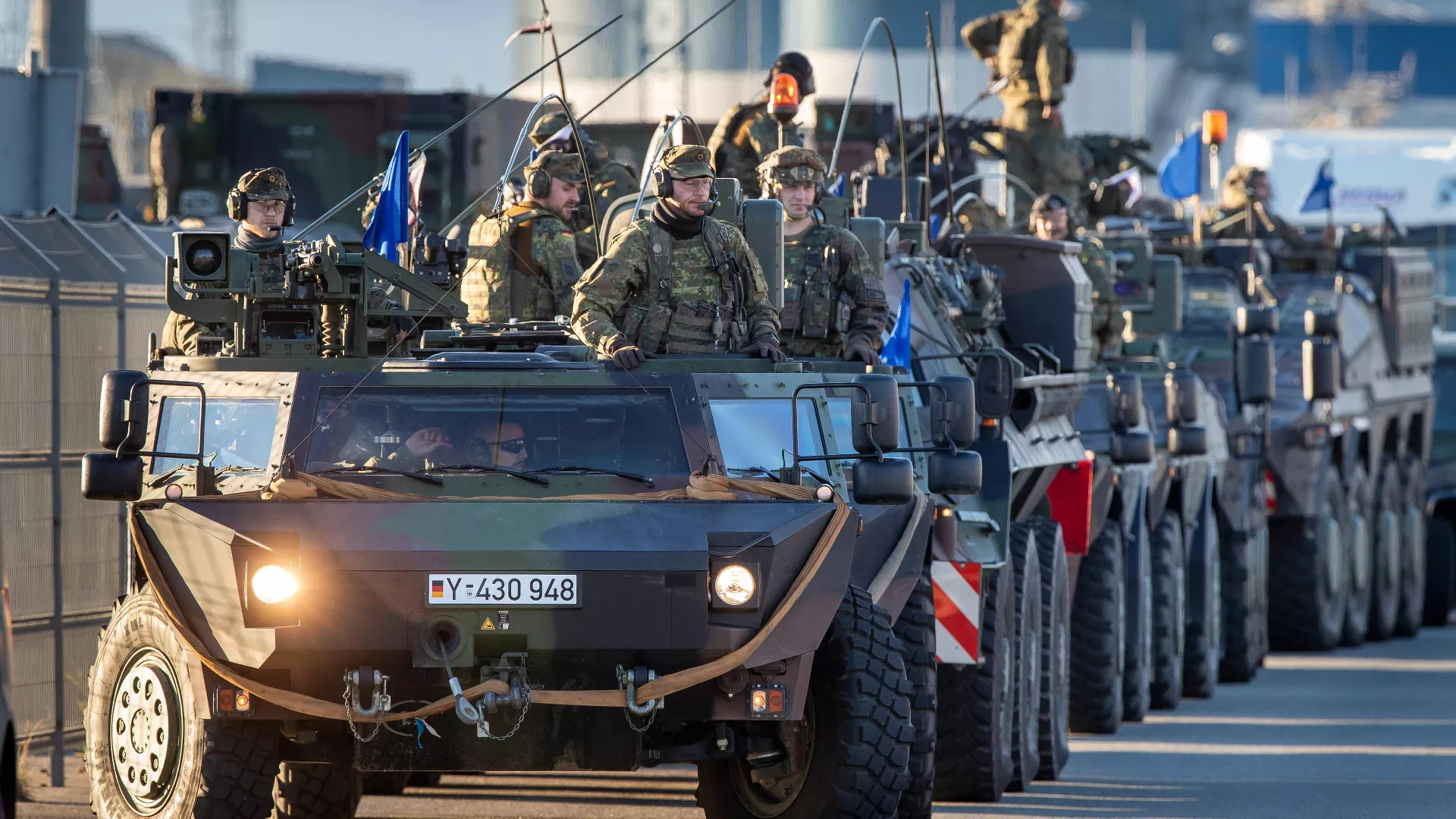
After the fall of the Berlin Wall, politicians drastically reduced military and defence spending, but now, after Russia's attack on Ukraine in February 2022, they have had to realise that the German army is in a hopelessly poor state, barely capable of defending its own territory. And that it is not capable of fully fulfilling its obligations as a NATO member.
Shortly after the Russian aggression, German Chancellor Olaf Scholz announced that a special fund would be established to equip the German army, but the announced 100 billion euros proved insufficient. German Defence Minister Boris Pistorius wants to increase the military budget for 2025 by at least 6.5 billion euros. He believes that these are exceptional circumstances in which this state expenditure should be exempt from the legal obligation of a balanced budget.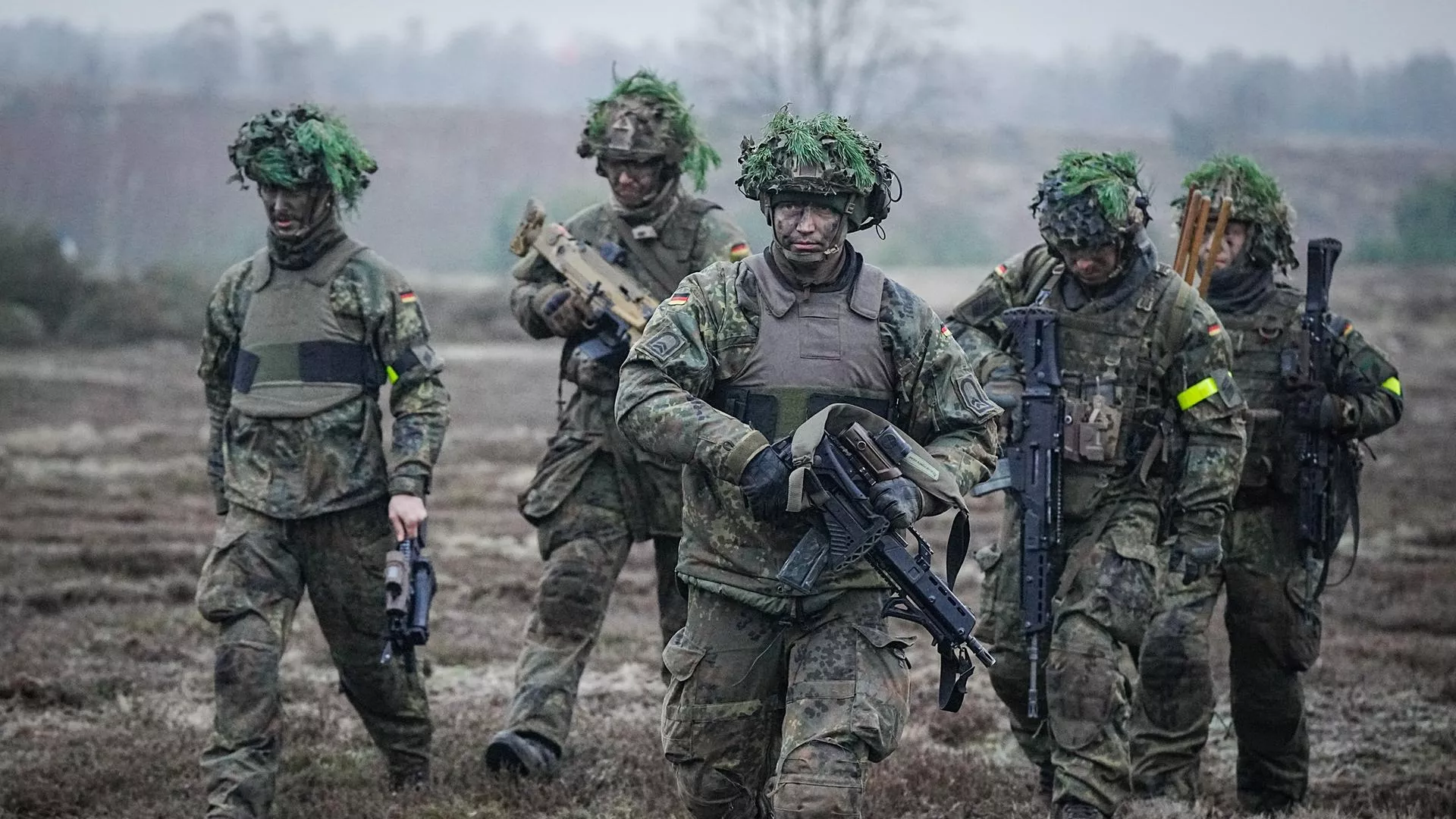
Expensive decades of austerity
German military experts, such as Frank Sauer from the Bundeswehr University, also believe that even with an additional 100 billion euros, the German army will still chronically lack money. Without an increase in the budget, by 2026, the German army will only be able to "maintain its existing operations with the greatest effort", but nothing more.
However, there is no agreement within the German government on increased defence spending. Finance Minister Christian Lindner argues that Russia's attack on Ukraine cannot be a reason for additional state debt, to which the Social Democratic Defence Minister angrily stated at a cabinet meeting that he "doesn't need such trouble" in his life and, as far as he is concerned, they can appoint someone else to do the practically impossible in the Bundeswehr.
But how big is the threat from Russia, really? The organiser of the Munich Security Conference, Christoph Heusgen, is convinced that Vladimir Putin aims for a Greater Russia within the borders of the former Soviet Union. "If Putin does not lose the war in Ukraine, we must expect that Moldova or the Baltic states will be next," he says.
The Baltic states are indeed NATO members, but Fabian Hoffmann from the University of Oslo estimates that this military alliance does not have the capacity to deter Russia's ambitions and that Europe has "at most two or three years" to create a defence that Putin would rather not attack. 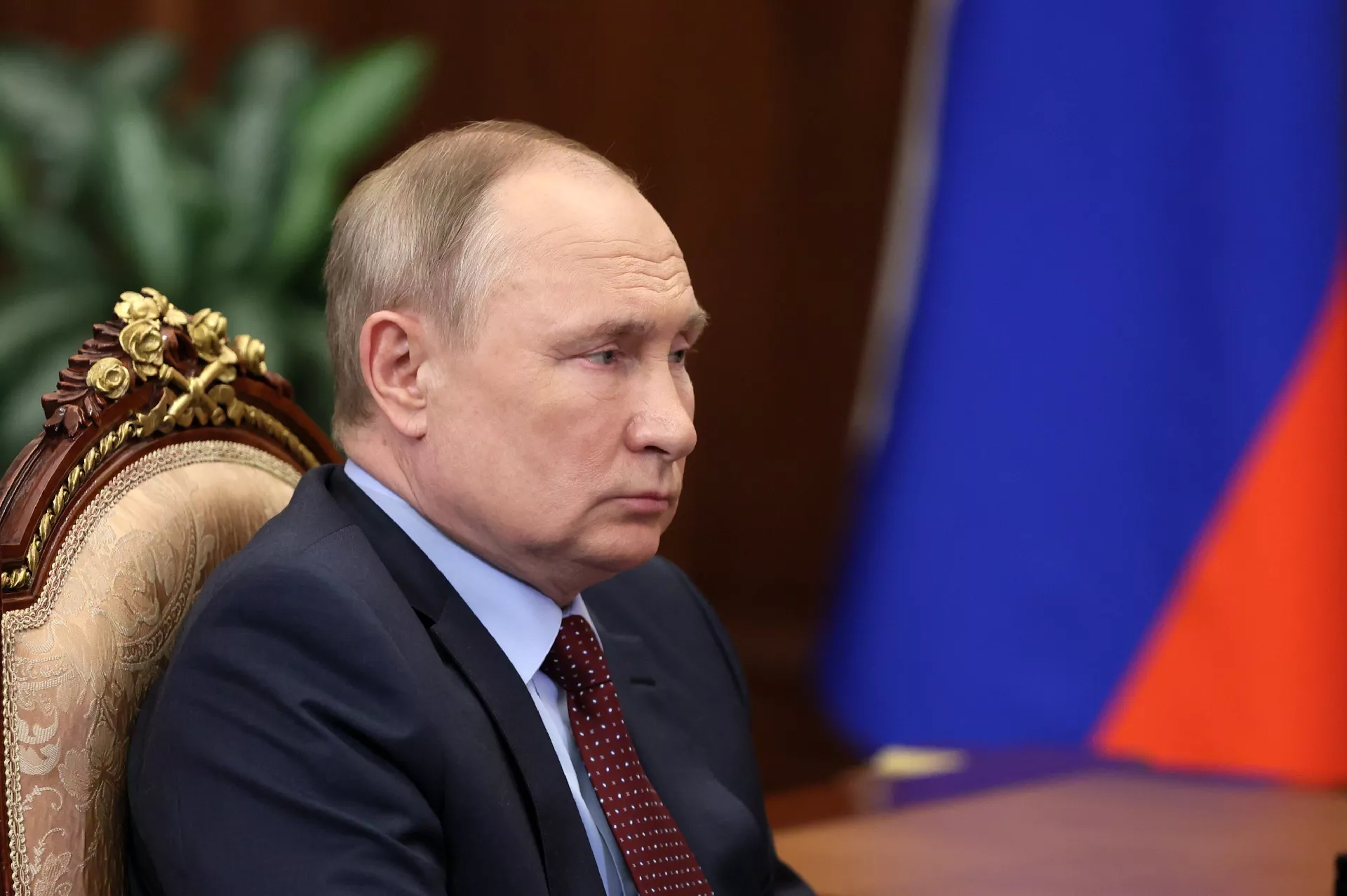
"They won't come for us either!"
A professor at a military university lists a very possible scenario: as early as this November, Donald Trump might return to the White House, who has already stated that he is more concerned about the threat from China than the troubles of European countries that do not spend enough on defence anyway.
And Putin is approaching 80 years of age, and according to Sauer, his only desire now is to achieve the vision of a Greater Russia - or at least destabilize all surrounding countries enough so that they pose no threat to Moscow. Will Russian tanks start rolling towards a NATO member? It doesn't have to be, but it is certainly a realistic possibility within the next five years, Sauer believes.
Unlike many military experts and politicians, the citizens of Germany are not yet convinced that the period of peace in Europe can end in the foreseeable future. According to a YouGov poll, only 36% of respondents think that a Russian attack on a NATO member by 2030 is "very" or "likely" possible, while 48% think it is "rather" or "completely" ruled out. And only 23% of respondents consider it likely that the target of such an attack would not be a peripheral NATO member but Germany itself, while 61% think the opposite.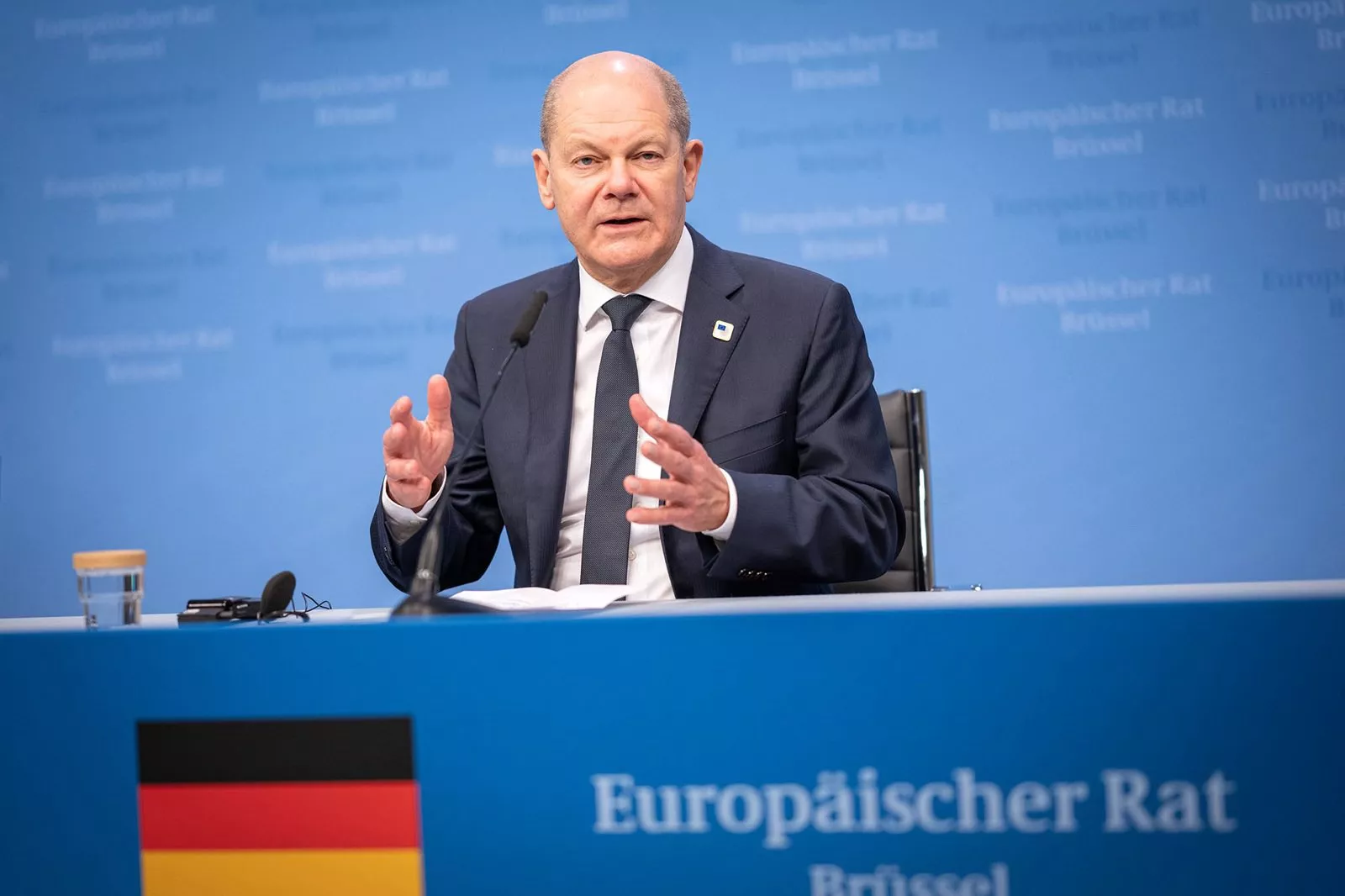
"Me with a rifle?"
At the same time, citizens are aware that the German army is in poor condition: only 2% of poll participants believe the army is "excellently" equipped to defend the homeland, 12% believe it is "quite well", and 39% each think the Bundeswehr is "poorly" or "very poorly" prepared for a possible attack.
Even more damning is the result of a Civey Institute survey conducted in March. In it, only a third of the surveyed German citizens expressed a willingness to defend their homeland with weapons, while more than half of the respondents would not do so.
- We are living in a period of immense historical change - believes Frank Sauer. But the realisation that peace is not and does not have to be an eternal state has not yet penetrated the citizens of this country, Sauer points out. He adds: "This change in people's minds takes time. And you can't force it into people's heads with a stick, nor with three speeches by politicians and five newspaper headlines".
This professor from the Bundeswehr University says: "I would also prefer to build wind turbines, solar panels, and kindergartens. But unfortunately, we have to produce armoured vehicles, cruise missiles, and drones." What and how decisions will be made, we shall see. But Sauer is convinced: "The way we have lived, especially in the last three decades in Western Europe, will no longer be possible."
Komentari (0)
Prijavite se za komentiranje
PrijavaJos nema komentara. Budite prvi!
Minuta
Sve →Iz drugih kategorija

High Representative Not Elected: Germans, French and British Sabotaged Americans, New Attempt at End of June

ČOVIĆ WITHOUT MERCY: How Those Who Brought Ademović to Office Created a Political Hell for Him



Sunny Saturday, quite warm



Tragedy in Albanian resort: Two minors drown












