
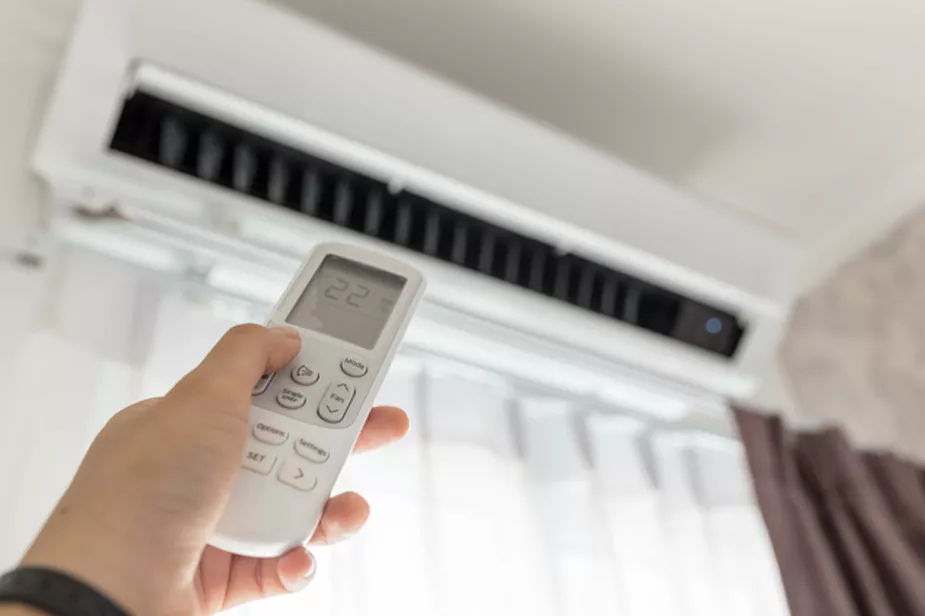
(Patria) - Air conditioning has become standard in modern life, especially during increasingly frequent hot periods.
However, many people fear air conditioning, partly justifiably, and partly irrationally, writes Index.hr
The question arises whether air conditioning is healthy or not, and which fears are justified and which are not?
Unfortunately, not enough scientific research has been done on this topic yet, but some does exist and provides certain answers and guidelines.
In short, it can be said that air conditioning generally has positive effects on health, but it can also have negative ones, and that proper use of air conditioners can maximize the positive and reduce the negative.
First of all, it should be emphasized that extreme heat, after extreme cold, is the second biggest cause of death from weather events, more than floods.
According to a study published in The Lancet, between 2000 and 2019, approximately 489,000 deaths per year could be attributed to heat, of which 45% occurred in Asia and 36% in Europe. In other words, air conditioning literally saves lives.
Benefits for people with health issues
One of the more comprehensive studies on the effects of air conditioning on health was published in the journal BMC Public Health.
It focused on the impact of air and temperature regulation through heating, ventilation, and air conditioning (HVAC) systems on hospital patients.
Overall, the HVAC system proved beneficial for patient recovery, particularly in improving vital signs, reducing instances of cardiac stress, accelerating recovery, and increasing physical activity. Furthermore, the use of HVAC systems reduced patient mortality and shortened hospital stays for patients with respiratory diseases.
Effects of air conditioning on cognitive functions
A study on the effects of air conditioning on healthy individuals, specifically students, was conducted by the Harvard Chan School of Public Health.
It showed that increased room temperatures in non-air-conditioned spaces during a heatwave negatively affect cognitive functions in young, healthy individuals.
The study followed 44 students from Massachusetts, some of whom lived in air-conditioned buildings and others in non-air-conditioned ones, before, during, and after a heatwave.
The findings indicated that during the heatwave, students in non-air-conditioned buildings performed worse on tests than students in air-conditioned dormitories and experienced a decline in five measures of cognitive function, including reaction time and working memory.
During the heatwave, students in non-air-conditioned buildings had a 13.4% longer reaction time on word and color tests and performed 13.3% worse on addition and subtraction tests compared to students living in air-conditioned spaces.
Combined, this data shows that students in air-conditioned rooms were not only faster in their responses but also more accurate. It was determined that the heat conditions in rooms caused by heatwaves in non-air-conditioned buildings resulted in significant deficits in cognitive functions.
The study authors believe that this decline in cognitive function can be attributed to increased heat stress and amplified effects of other environmental factors.
Other positive health effects of air conditioning
Air conditioning maintains body temperature, which is crucial in humid and hot regions of the world where heatstroke is a major problem during the summer.
By cooling the body, air conditioners make it easier to sleep. It is well known that it is always more comfortable to sleep in cooler rooms than in hot ones.
Air conditioners can also reduce the frequency of allergic reactions, as their filters can remove allergens if properly maintained.
Drying of the air
As we mentioned at the beginning of the article, air conditioning can also have certain negative effects, especially on sensitive individuals.
Air conditioners reduce air humidity, which is evident from the amount of water that drains from them. They cool the air using evaporators containing refrigerant. When warm air from the room passes over the cold evaporator coils, moisture from the air condenses on these coils. Dry air can lead to dry skin, eyes, and mucous membranes in sensitive individuals, and in some cases, irritation of the respiratory tract.
Additionally, people in air-conditioned spaces often drink less water because they don't feel thirsty as they do in high temperatures. This can lead to dehydration, which will be exacerbated by dry air, potentially causing headaches, fatigue, and reduced cognitive function.
Dry air can dry out the mucous membranes of the respiratory tract, which normally serve as a barrier against bacteria and viruses, potentially increasing the risk of respiratory infections.
For individuals with chronic respiratory diseases, such as asthma and chronic obstructive pulmonary disease (COPD), air drying can worsen symptoms like bronchoconstriction and difficulty breathing.
If air conditioners are not properly maintained, bacteria and mold can accumulate in them. Inhaling air contaminated with these microorganisms can cause respiratory problems and allergic reactions.
One of the bacterial diseases that can be contracted from improperly maintained air conditioners is Legionnaires' disease, caused by the bacterium Legionella pneumophila.
It can multiply in water systems used for air cooling, including cooling towers and humidification systems. When contaminated water is dispersed into the air through air conditioning systems, the bacteria can be inhaled, leading to infection.
However, it is important to note that Legionnaires' disease is most commonly associated with large air conditioning systems and water systems in buildings such as hotels, hospitals, and office buildings. The likelihood of contracting Legionnaires' disease from common residential air conditioners is significantly lower.
Sudden temperature changes
Sudden temperature changes can also cause problems.
A sudden transition from a hot outdoor environment to a cool air-conditioned space can cause stress to the body, potentially resulting in symptoms like headaches, fatigue, and muscle aches.
A sudden transition from air-conditioned spaces to heat can also be a problem. It can cause bronchoconstriction, especially in individuals with asthma or chronic obstructive pulmonary disease (COPD). Cold air from air-conditioned spaces can irritate the airways, and then sudden exposure to hot air can further irritate them, potentially causing coughing and difficulty breathing.
Sudden temperature changes can be stressful for the cardiovascular system. Individuals with existing heart problems may experience a worsening of symptoms, such as chest pain and shortness of breath. High temperatures increase heart rate and strain blood vessels, which can be dangerous for individuals with hypertension or heart disease.
Poor ventilation
Using air conditioners is not cheap as they consume a lot of electricity. Because of this, people will rarely ventilate rooms that have been well-cooled.
Lack of fresh air due to insufficient ventilation can lead to the accumulation of carbon dioxide and other pollutants, which can cause problems such as dizziness and reduced concentration.
Loss of natural adaptation ability
Regular maintenance of air conditioners is crucial for health. This includes cleaning or replacing filters every few months and professional servicing at least once a year. This reduces the risk of bacteria and mold accumulation.
It is recommended to set the air conditioner temperature to a level that is only a few degrees lower than the outside temperature. Excessive temperature differences can be stressful for the body.
In air-conditioned spaces, it can be beneficial to use humidifiers to prevent dry skin and mucous membranes.
It is important to ensure adequate fresh air circulation in rooms to reduce the risk of harmful gas accumulation and improve overall air quality.
Finally, the air from the air conditioner should not be directed directly at people. It is better to direct it towards the ceiling or walls to achieve a more even distribution of cooled air.
We can conclude that air-conditioned spaces are generally not harmful to health. On the contrary, they can be beneficial for health and can save lives, provided that air conditioners are used and maintained properly. As with all technologies, the key is moderation and proper use.
Komentari (0)
Prijavite se za komentiranje
PrijavaJos nema komentara. Budite prvi!
Minuta
Sve →Iz drugih kategorija

High Representative Not Elected: Germans, French and British Against Americans, New Attempt at End of June

ČOVIĆ WITHOUT MERCY: How Those Who Brought Ademović to Office Created a Political Hell for Him



Sunny Saturday, quite warm



Tragedy in Albanian resort: Two minors drown












