
By Armin Sijamić
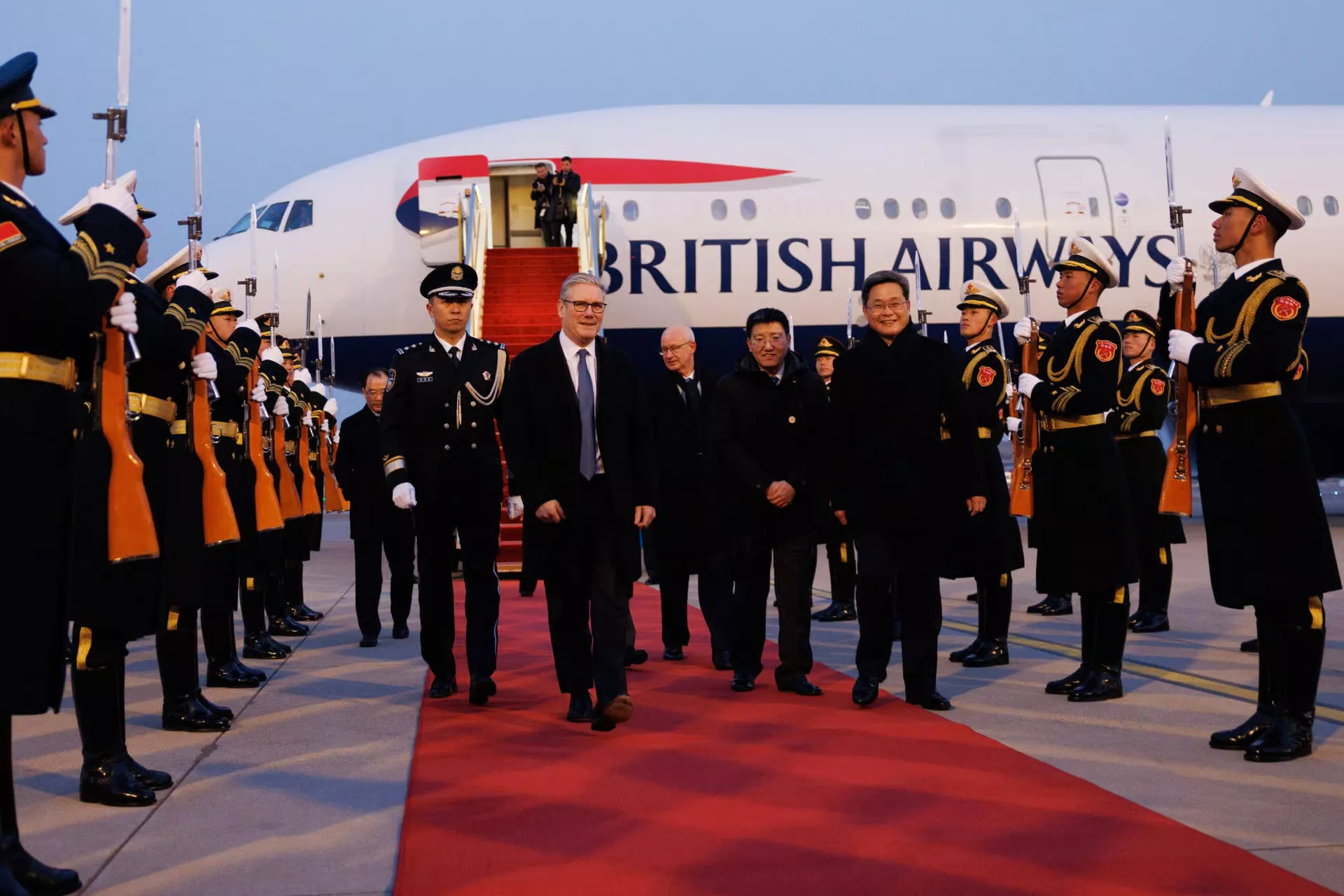
On Wednesday, British Prime Minister Keir Starmer visited China. The visit comes at a time of heightened tensions around the world and in the West itself.
"They say eight days is a long time in politics. Just imagine - eight years, because it has been eight years since the last British Prime Minister set foot on Chinese soil. So, in this delegation, you are making history," Starmer said in front of almost sixty business people from the United Kingdom whom he brought on a trip to China. "You are part of the change we are making... Because everything you do and achieve here, everything I do here is aimed at benefiting people back home," he said before meeting with President Xi Jinping and Premier Li Qiang.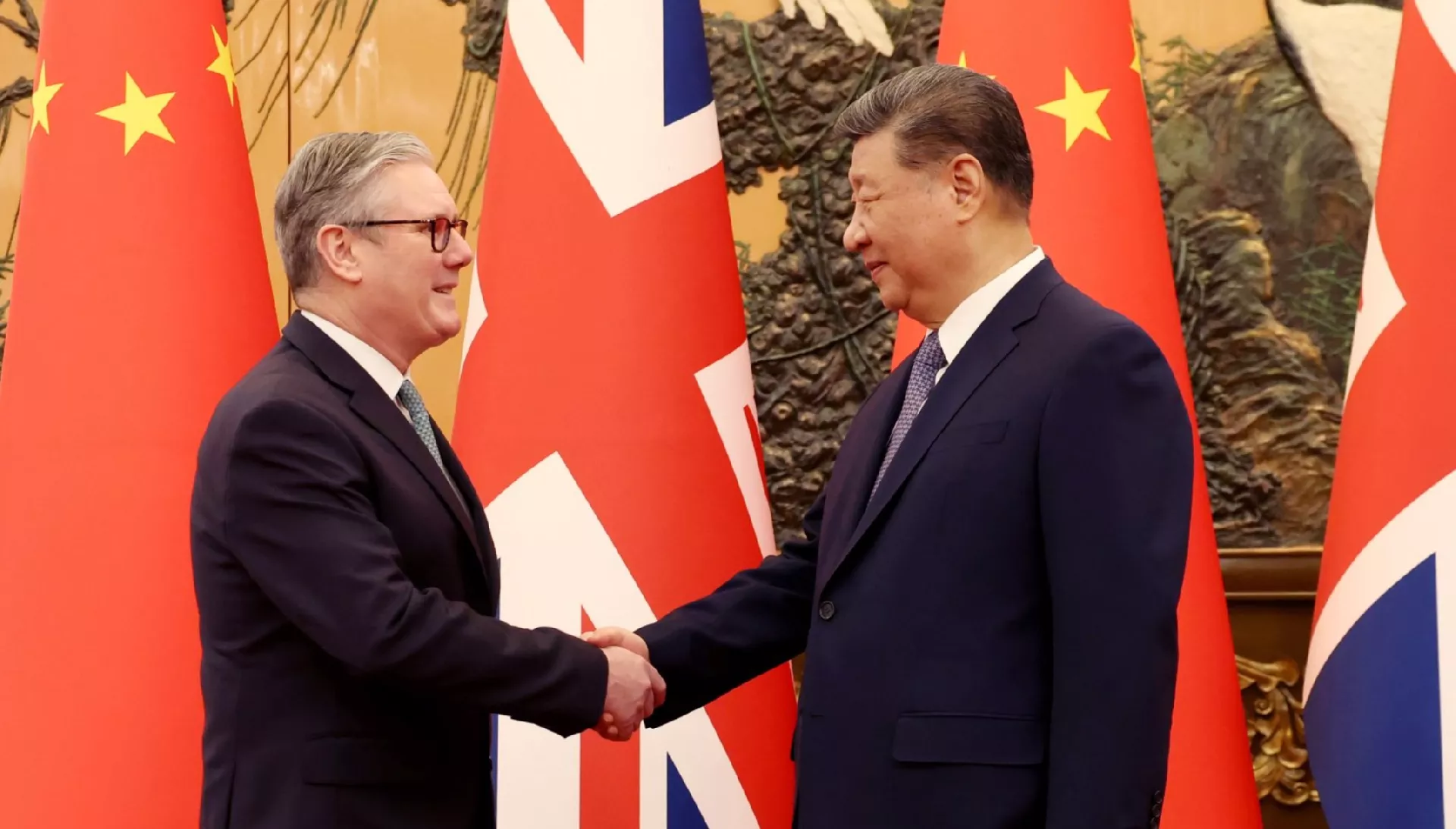
Handshake between the British Prime Minister and the Chinese President
The large delegation from the United Kingdom is not accidental. China is an economic power that continues to grow and represents the "factory of the world." Starmer's decision, to use his words when he recently spoke about the ties between the United Kingdom with the United States of America and the European Union - "I am a pragmatist, a British pragmatist who applies common sense," is therefore completely logical.
The media asked various questions about the reasons for his four-day visit to China, such as Beijing's relations with Russia, the case of Jimmy Lai, Washington's and Beijing's relations, the position of the European Union..., but Starmer remained mysterious.
Communists for Free Market and Capitalists Isolationists
The fact that Starmer did not say what he would ask from the Chinese side, which was normal until a few years ago when European and American diplomats would come to Beijing to lecture the host, is a sign that the "British pragmatist" accepts that new circumstances have arisen.
About sixty businessmen and an open hand for business is the best approach he could have chosen. In a different attempt, the visit could have looked like when German Foreign Minister Annalena Baerbock was not met by a single Chinese official at Beijing airport in October 2024, a clear message from China about what it thinks of the guest's policy and her country. Starmer was welcomed with the highest state honors, after months of preparations for his visit.
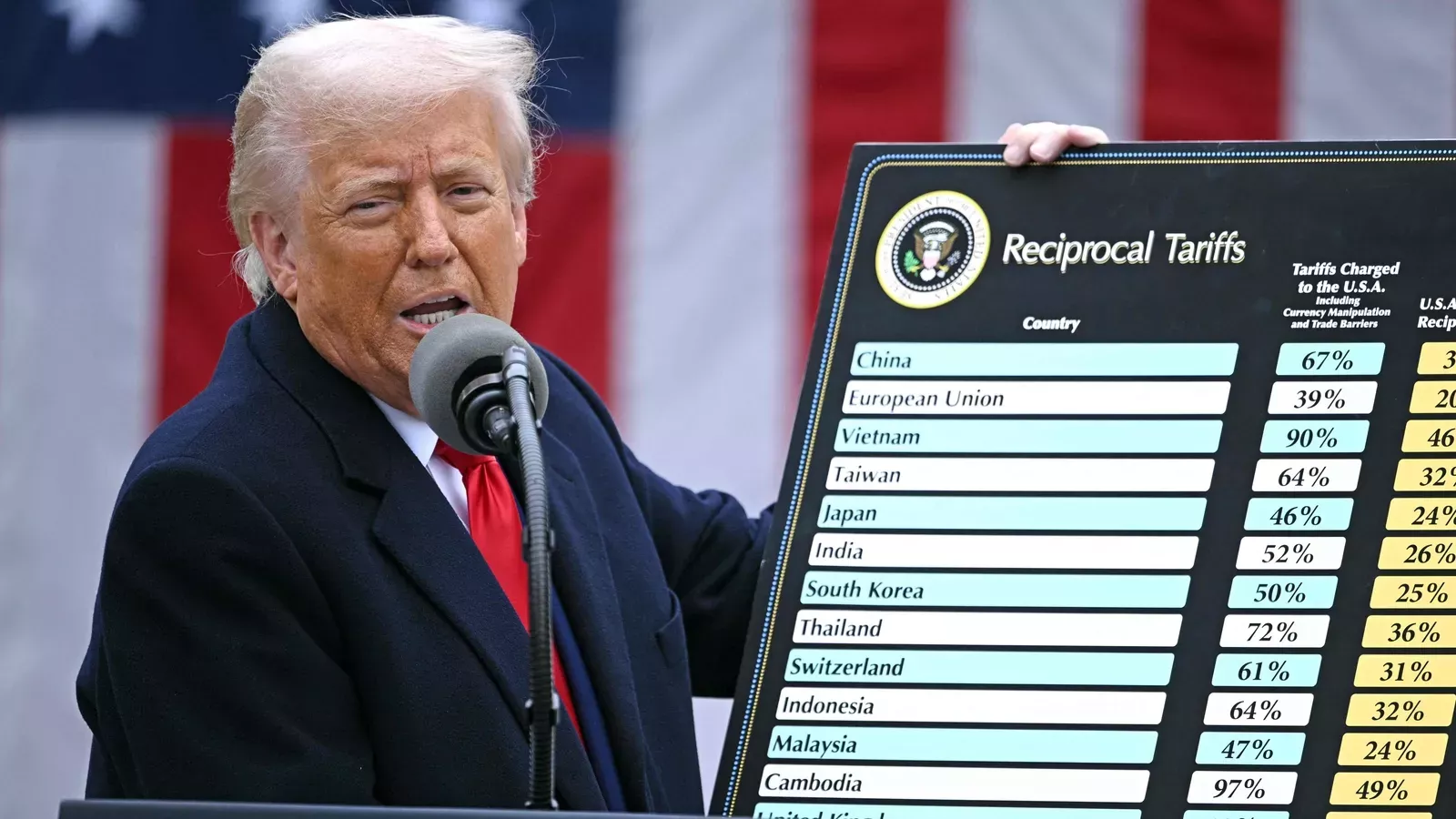
The meeting with Xi Jinping on Thursday was conducted in a tone dictated by China as a great power. The Chinese President told Starmer that "unilateralism, protectionism, and the policy of force have been on the rise for some time and that the international order has been seriously affected," which is an obvious assessment of the behavior of US President Donald Trump's administration.
Xi said that "China has always adhered to the path of peaceful development, has never taken the initiative to start a war, has never occupied an inch of other countries' territory, and no matter how it develops and grows, it will not pose a threat to other countries," Chinese media reported.
This lesson from the Chinese President to his guest from the United Kingdom shows how much the world has changed. Not so long ago, it was normal for the capitalist West to call for free trade and respect for international rules. Now, Chinese communists are doing so and criticizing the West.
"We hope that the UK will provide a fair, just, and non-discriminatory business environment for Chinese companies. China is ready to actively consider implementing a unilateral visa-free regime for the UK," Xi said.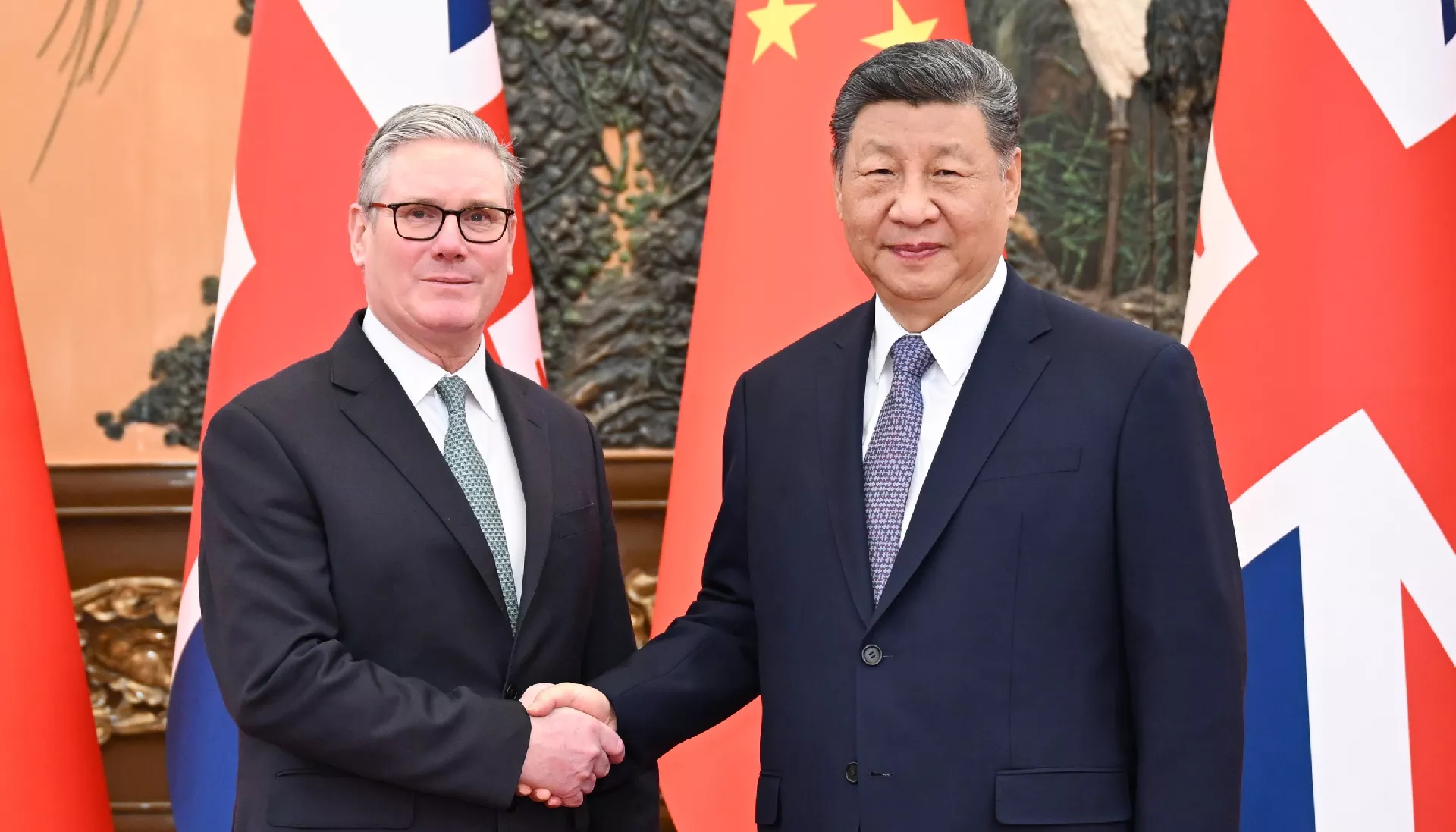
Starmer with Jinping
Shortly after this statement, the United Kingdom announced that its citizens would be exempt from Chinese visas for travel up to one month, with the start date not yet known. This was important for Starmer so that Britons would also have a privilege like citizens of about fifty other countries, which will facilitate business for British companies wishing to work with China.
Starmer's Tightrope Walk
During Starmer's visit, both sides expressed readiness to develop economic ties in various fields. This is a common interest, and important agreements will see the light of day sooner or later, as these are the second and sixth largest economies in the world that want to do business even when their policies clash.
However, it would be difficult to believe that the leaders of two permanent members of the United Nations Security Council discussed only economics. Trump's assault on (un)friendly countries around the world surely worries China, especially after the change of power in Syria and Venezuela and while Iran is threatened with military attack if it does not submit to Israel's will.
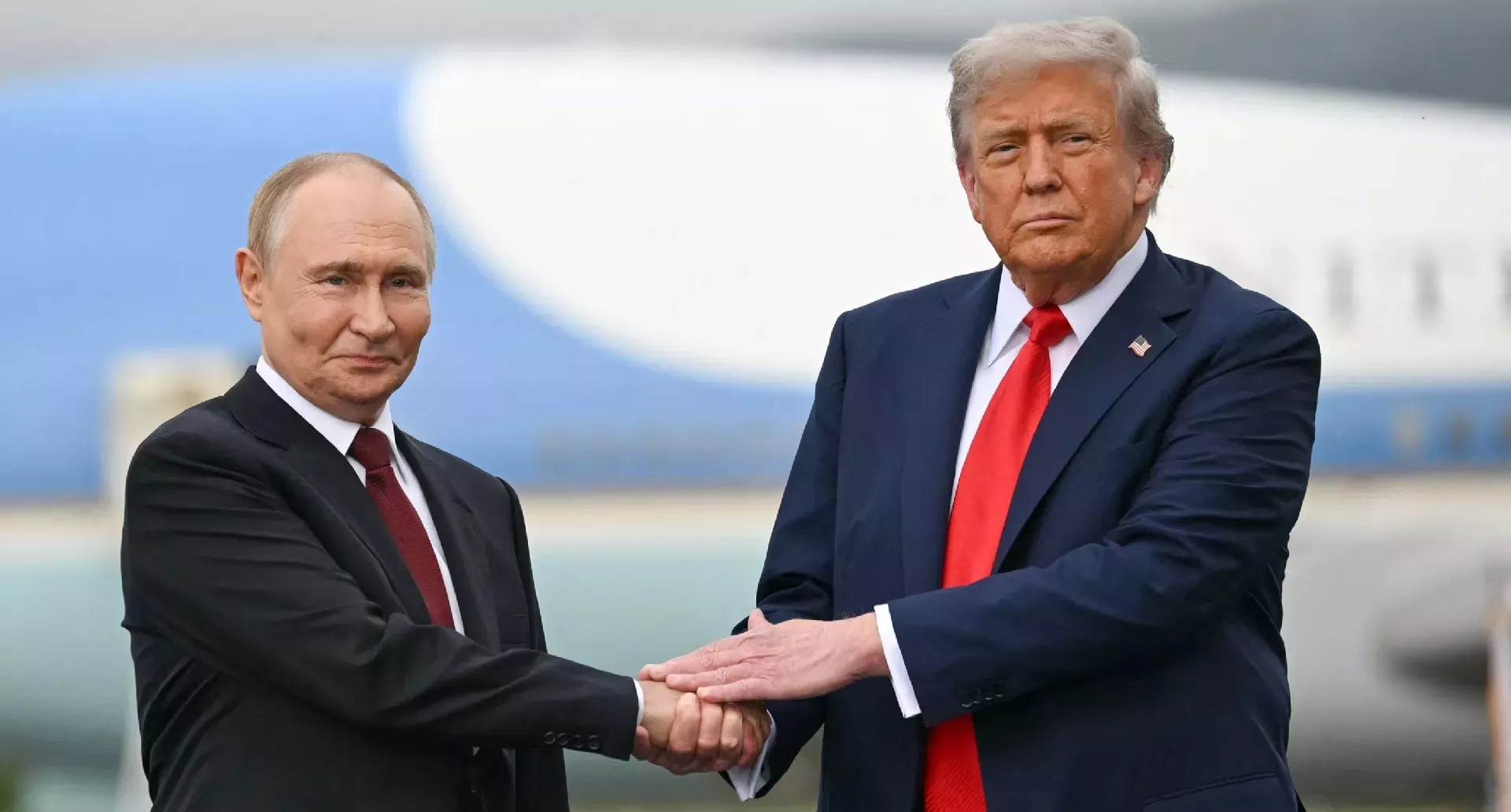
As the British Prime Minister, Starmer might be the best person at this moment to bridge the gaps between opposing sides, starting from those in the West all the way to the East. London has nurtured the best relations with Washington for decades, and in recent years has been trying to integrate into European flows after leaving the European Union. London's voice is also important for Denmark (Greenland), Ukraine, Israel, Canada, as well as for Russia, India, and China.
Therefore, it can be assumed that Starmer came to China with important messages to convey and answers to take back with him, even though he is not in a strong position with the current US administration. Even historically important agreements between London and Washington have not improved his position with Trump's people, but that does not mean Starmer can give up.
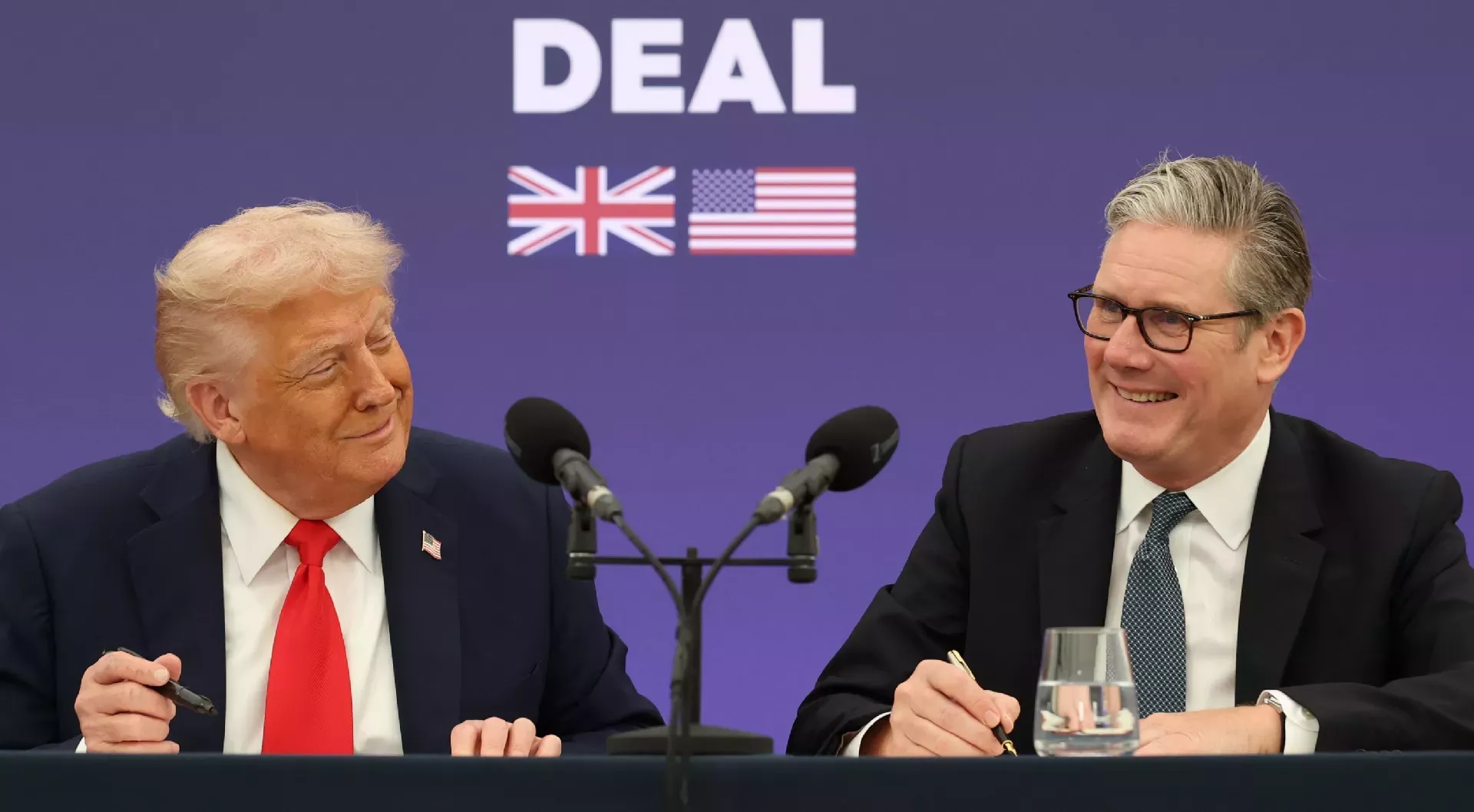
Trump's onslaught, from Venezuela to Greenland and Ukraine, to Iran and China, carries numerous dangers for the West. While China is strengthening economically and politically, Trump is attacking the foundations of alliances in the West, threatening to render NATO meaningless with his actions.
Trump's failure on one of these major issues of world politics would have both short-term and long-term consequences for the West, which London does not want to happen. For example, Washington and London's plan to curb China could fall through if the most important European countries do not support it.
Starmer's visit to China could be a wake-up call in Washington, at least for the part of the administration that recognizes the importance of Western unity. Also, Starmer's visit could have the opposite effect. Recently, Trump told Canada that he would impose 100% tariffs if a free trade agreement with China were reached. Therefore, Starmer's tightrope walk is both dangerous and necessary, whether he wants to preserve Western unity or show resistance to Trump.
Komentari (0)
Prijavite se za komentiranje
PrijavaJos nema komentara. Budite prvi!
Minuta
Sve →Iz drugih kategorija

High Representative Not Elected: Germans, French and British Sabotaged Americans, New Attempt at End of June

ČOVIĆ WITHOUT MERCY: How Those Who Brought Ademović to Office Created a Political Hell for Him



Sunny Saturday, quite warm



Tragedy in Albanian resort: Two minors drown












