
Written by: Armin Sijamić
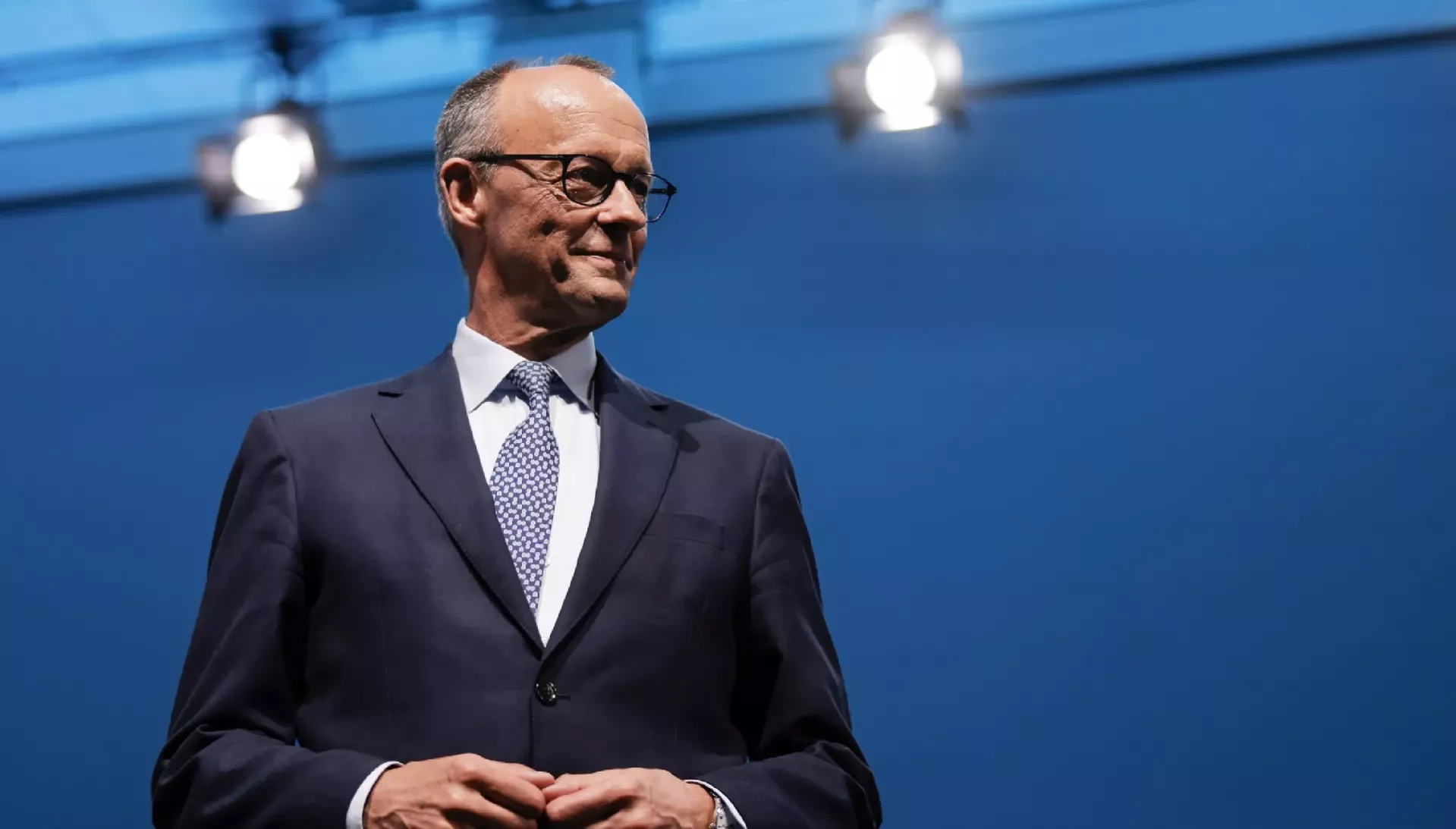
Friedrich Merz has been elected chancellor. Germany has thus gained a new government at a time when changes in the country are necessary and when many in Europe expect it to play a more active role.
Amid unplanned drama in the Bundestag, Germany got a government yesterday as expected. Friedrich Merz, leader of the Christian Democratic Union (CDU), which is in an alliance with the CSU, will be the tenth chancellor of the Federal Republic of Germany, in a coalition with the Social Democrats (SPD). Merz's cabinet will have eighteen members. The CDU and SPD will each have seven ministers, and the CSU three.
The coalition, according to the results of the February elections, is backed by 328 deputies in the Bundestag, but that number could be different. Namely, Merz received support only in the second round, after receiving 310 out of the required 316 votes in the first round of voting, which was a historic precedent. Some deputies from the aforementioned coalition did not support the new government. Some German media report that all eighteen come from the CDU, while others say they come from the SPD. In the second round, Merz's government received 325 votes.
Against the AfD
Yesterday's vote in the Bundestag was secret and brought Merz an unpleasant surprise and a heavy blow. "Eighteen rebels," "a complete embarrassment," "shaken" Merz, "brought down from his own ranks," are just some of the assessments German media made yesterday.
However, the vote showed that German politics has a compact elite, which is still not ready to make changes even under pressure from the administration of US President Donald Trump. The vote for the government in the second round showed that the agreement to prevent the Alternative for Germany (AfD) from coming to power holds.
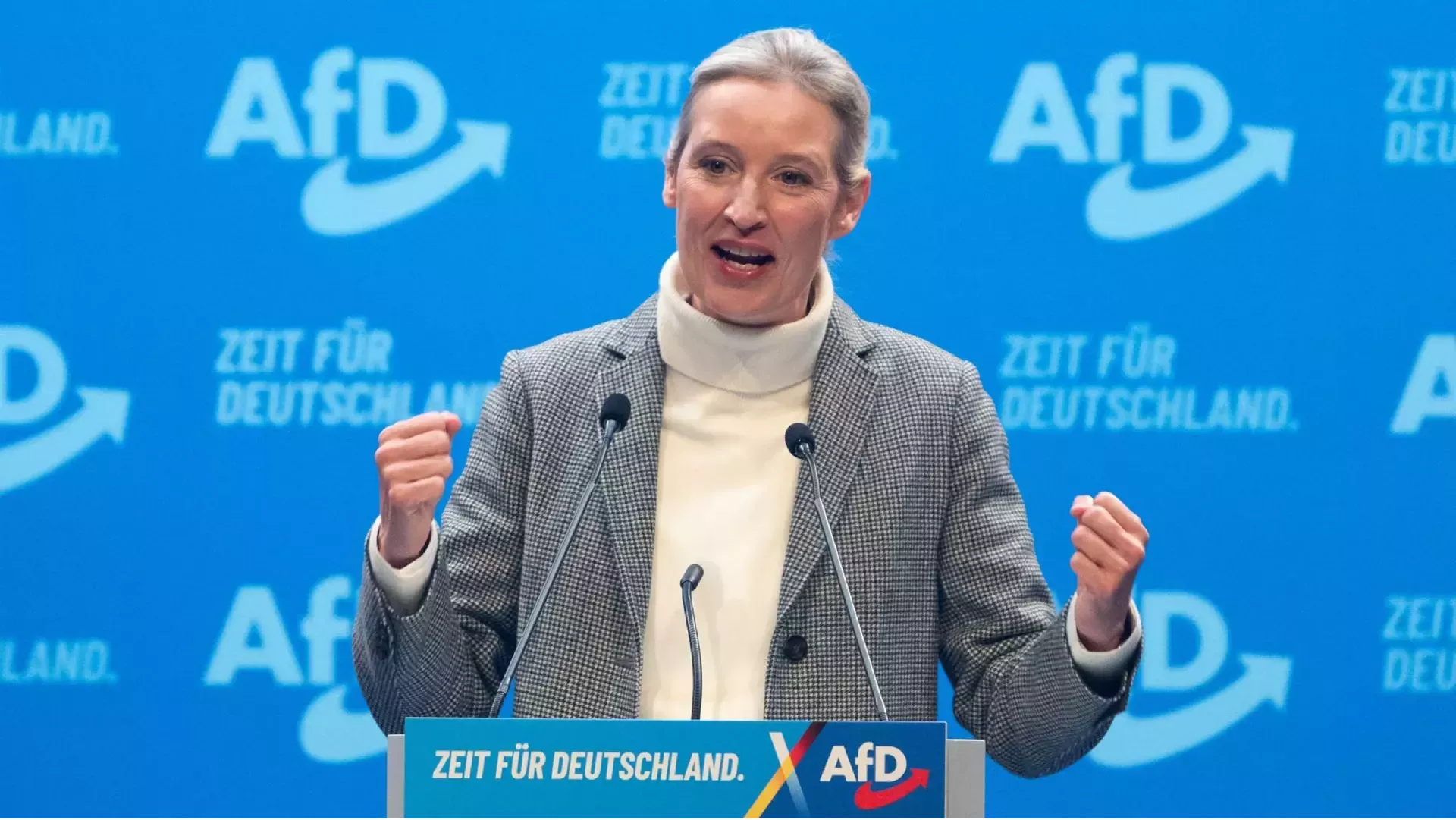
The refusal of Merz and others to bring the AfD into government is the first major defeat of the Trump administration's efforts to shape the West according to its wishes. The AfD was backed by US Vice President JD Vance, Secretary of State Marco Rubio, and the world's richest man, Elon Musk.
This trio did not hold back on insults against Germany, especially after Berlin's decision to designate the AfD as a right-wing extremist entity. Last week, Rubio called that decision "veiled tyranny" on the social network X. He said that "Germany just gave its spy agency new powers to surveil the opposition" and told Berlin to "change course." Vance joined the criticism of Berlin, while Musk has been supporting the AfD for months via his social network X and in other ways.
The German Foreign Ministry responded to Rubio's criticism by saying that this is "democracy" and that the decision was made after a "thorough and independent investigation to protect our Constitution and the rule of law." They stated that they have learned from their history "that right-wing extremism must be stopped."
For a better Germany with the same policies
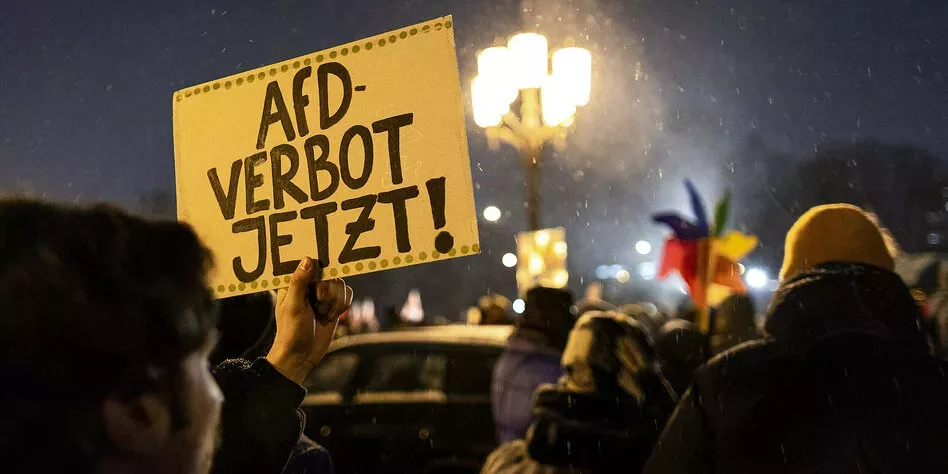
The resistance of the German political elite to official Washington in an open manner is not common. But this approach needs a continuation, in this case a political figure who will outline the contours of German policy on the domestic and international level, because Germany is in crisis and the proof is the AfD. Part of the electorate expressed their anger towards the main political parties by supporting this party as well.
Since the beginning of Russian aggression against Ukraine in February 2022, Germany has been lurching from crisis to crisis. In the first days of the Russian aggression, official Berlin was at a loss. Some of their moves were met with disbelief in Ukraine, such as the decision to help Kyiv by sending everything except weapons. However, after US President Joseph Biden decided to gather dozens of states into a group to help Ukraine, Germany became one of the leaders. Ultimately, they severed economic ties with Russia, deprived themselves of cheap energy sources, and began strengthening the German army.
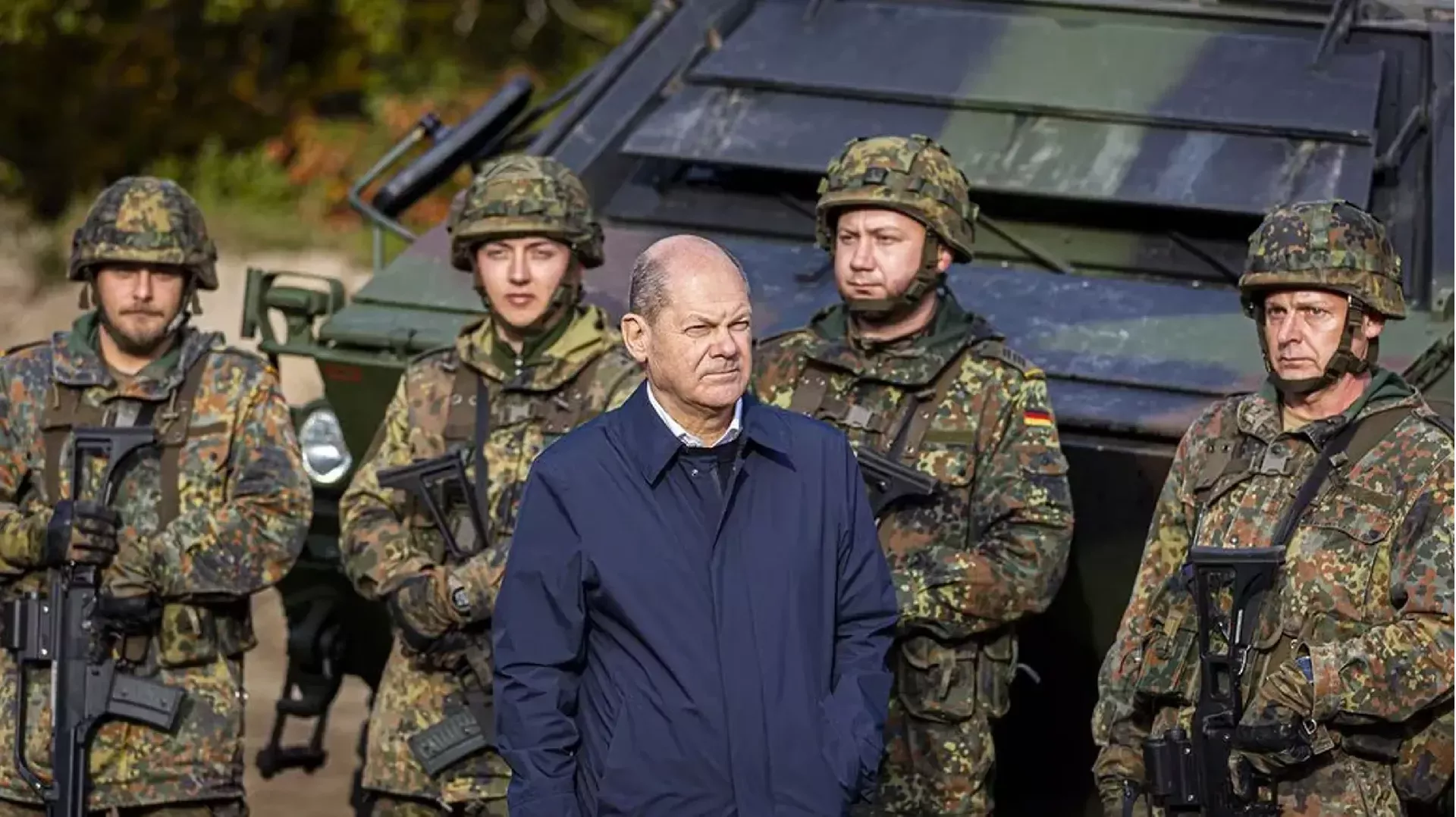
Merz's chancellorship should be a continuation of the policy of Olaf Scholz, who was forced into a sudden shift in domestic and foreign policy. Merz is also forced into certain positions. Washington holds many grievances against him, relations with Moscow are poor, and European allies demand that official Berlin be one of the leaders of the new European policy.
Upon Merz's appointment, one of the first to congratulate him was French President Emmanuel Macron. "It is up to us to make the Franco-German engine stronger than ever," and "accelerate our European agenda for sovereignty, security and competitiveness," he wrote in German.
Merz's stamp
For now, Merz will continue Germany's policy towards Ukraine and Russia, just as Macron is not ready to follow Trump unquestioningly and is aware that this means greater autonomy in the West. In his earlier political activities, he distinguished himself as a critic of Vladimir Putin, the Trump administration, and China.
Therefore, Merz must lead a more independent foreign policy and insist on his position that Europe should strengthen its defense in order to reduce dependence on NATO, i.e., on the United States. This is a task for Defense Minister Boris Pistorius, who held that position in the previous government and is leading an ambitious project to strengthen the German army.
The fact that the foreign minister will be Johann Wadephul and the minister for Europe will be Gunther Krichbaum, both CDU members, indicates that Merz intends to lead a more independent foreign policy. The CDU will have a foreign minister after many years, suggesting that Berlin could also advocate some ideas that were not close to former Foreign Minister Annalena Baerbock from the Greens.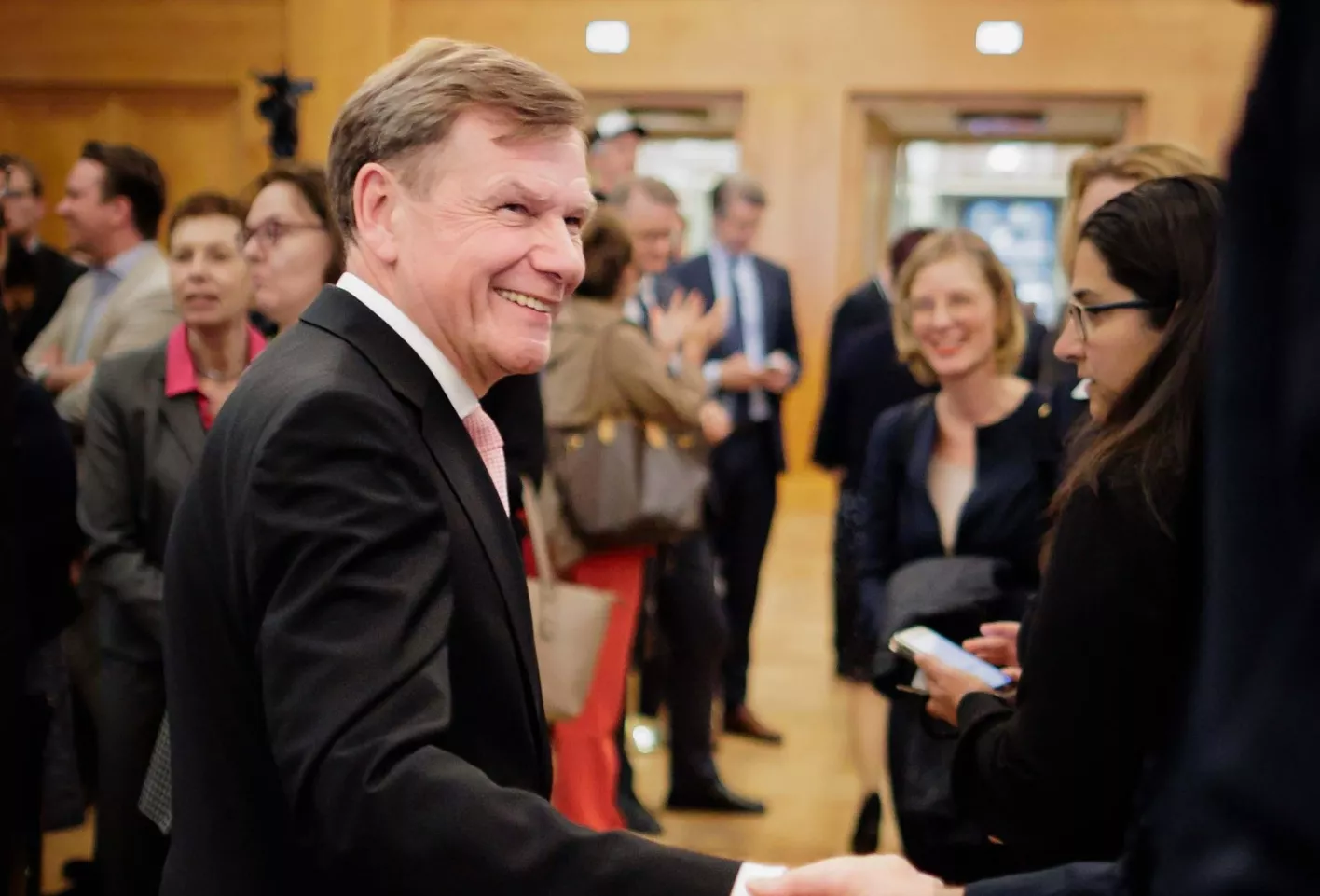
Johann Wadephul: New head of German diplomacy
Merz has previously proven himself as a pro-American politician, an advocate of Atlanticism, NATO, the European Union and a united West, as an advocate of economic liberalism and capitalism in general. This means that a clash with the Trump administration and its supporters could occur precisely along these lines, because Merz believes that the West should continue to advocate its main ideas.
Finally, let's turn to the Balkans, which is not near the top of Merz's list of priorities. However, his policy in the Balkans could be tested. Namely, if he is against Putin, then he is also against his Balkan branches. If he is for a united Europe and the West, then he should show that in the Balkans as well. Foreign Minister Wadephul cooperated with High Representative Christian Schmidt and supported him when he came to Bosnia and Herzegovina. Berlin's economic policy will have an impact on the countries in the region, which are strongly economically connected to Germany, making Merz an important factor in the Balkans.
Komentari (0)
Prijavite se za komentiranje
PrijavaJos nema komentara. Budite prvi!
Minuta
Sve →Iz drugih kategorija

High Representative Not Elected: Germans, French and British Against Americans, New Attempt at End of June

ČOVIĆ WITHOUT MERCY: How Those Who Brought Ademović to Office Created a Political Hell for Him



Sunny Saturday, quite warm



Tragedy in Albanian resort: Two minors drown












