
By Armin Sijamić
In the first six months of the war in the Gaza Strip, parts of the West have shown that there are almost no limits when it comes to aiding Israel. Unreserved aid often clouds perspective. The decision by the United States and the United Kingdom, with a group of allies, to attack the Houthis was a mistake that is already costing a lot, and the final bill has yet to be presented.
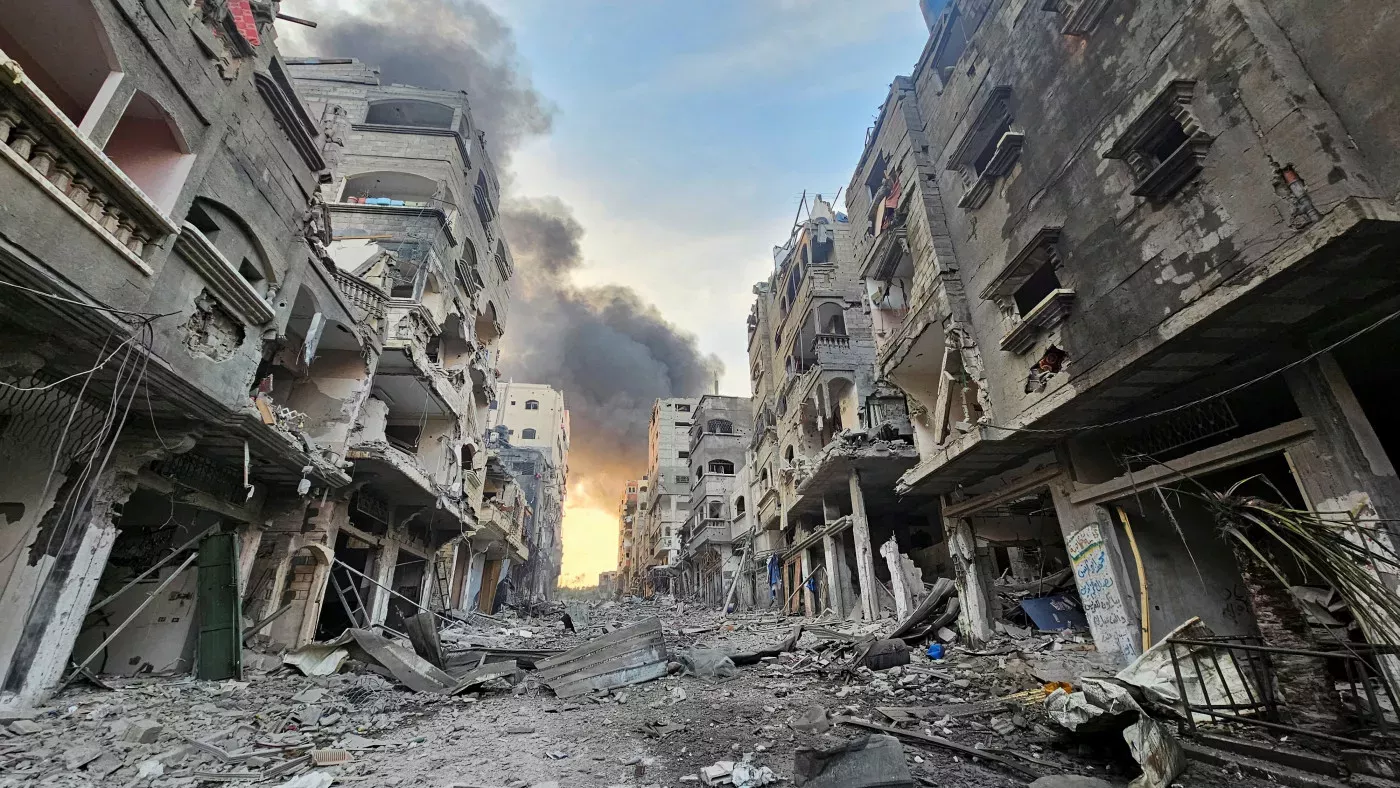
Hamas's attack on Israel on October 7 shook the Middle East. A incomparably weaker opponent dealt a heavy blow, and Tel Aviv's reaction triggered a series of wrong decisions by the West. The decision of the Yemeni Houthis to attack Israeli ships in the Red Sea, or those heading to Israeli ports, in a sign of "solidarity" with the Palestinians, probably would not have brought so much trouble to the West if Washington and London had not decided to use force, believing in their technological superiority over the Yemeni Houthis, a movement operating in the poorest Arab country.
In an effort to help Israel, strategists in the West fell into all possible traps that were obvious just a few days after the new war in the Gaza Strip began. Simply put, the new realities in the Middle East have been shaped by the war in Syria, the strengthening of Iran and its allies, the reduced interest of the West in that part of the world, Saudi Arabia's more independent policy, technological advancements, and the fatigue of the region's peoples from conflicts. The West has thus jeopardized its positions around the world, especially in the Middle East.
The Houthis are not an ordinary rebel militia
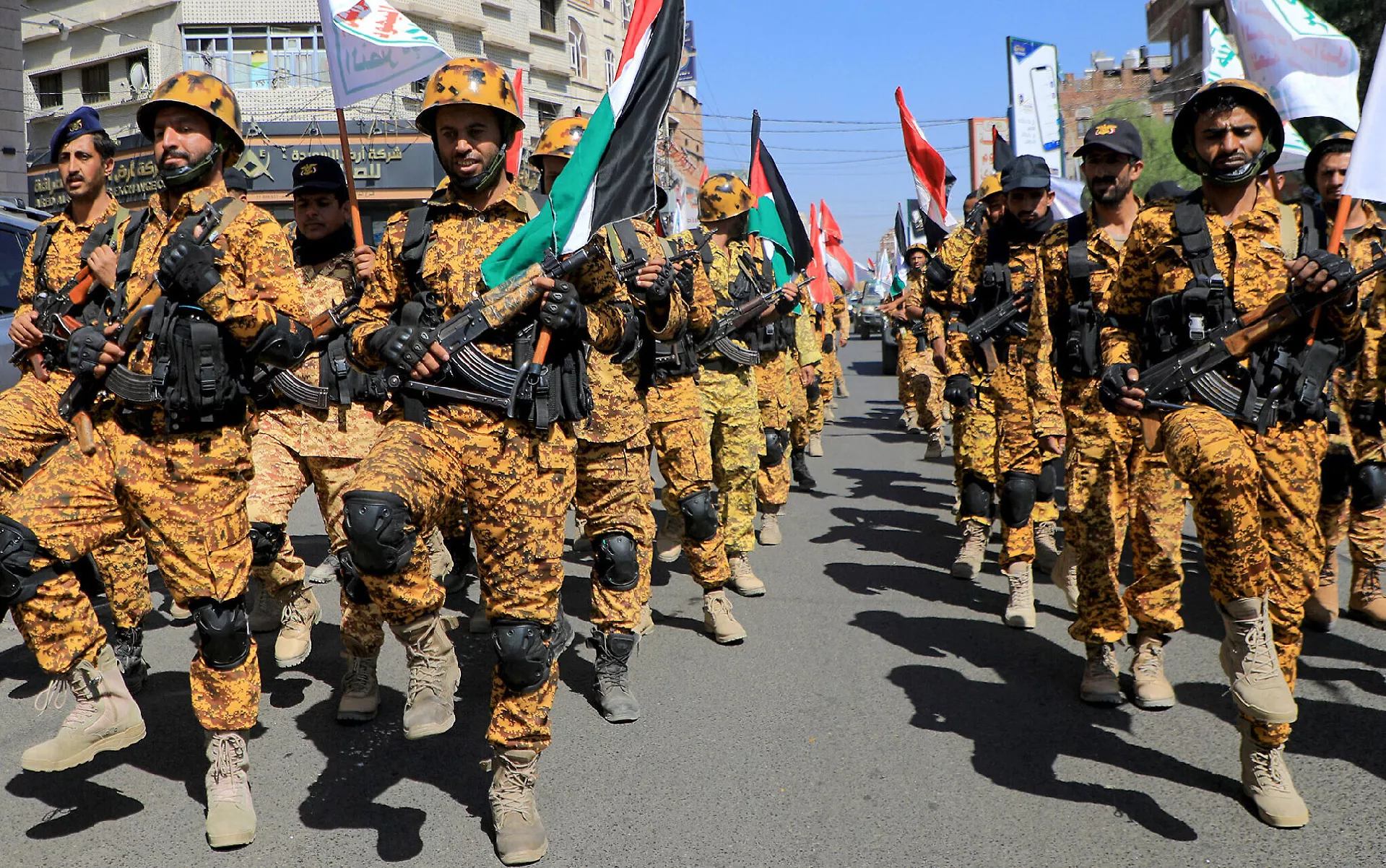
Media reports from the West, when it comes to Yemen and the Houthis, are often accompanied by footage that leaves no doubt in the observer's mind that it is a poor society and a poorly armed militia. However, the Houthis are more than that, especially the part connected to the Yemeni army, which sided with the rebels. In the war against Saudi Arabia and the broad coalition that Riyadh assembled, the Houthis have shown the ability to use the most modern systems, and even produce some of them.
The Houthis are also a serious political movement that leads complex political processes, connecting formally and informally. Ties with Iran, negotiations with Riyadh on ending the war, ties with Shiite militias, and the interest of Russia and China in that part of the world have made the Houthis a serious political factor.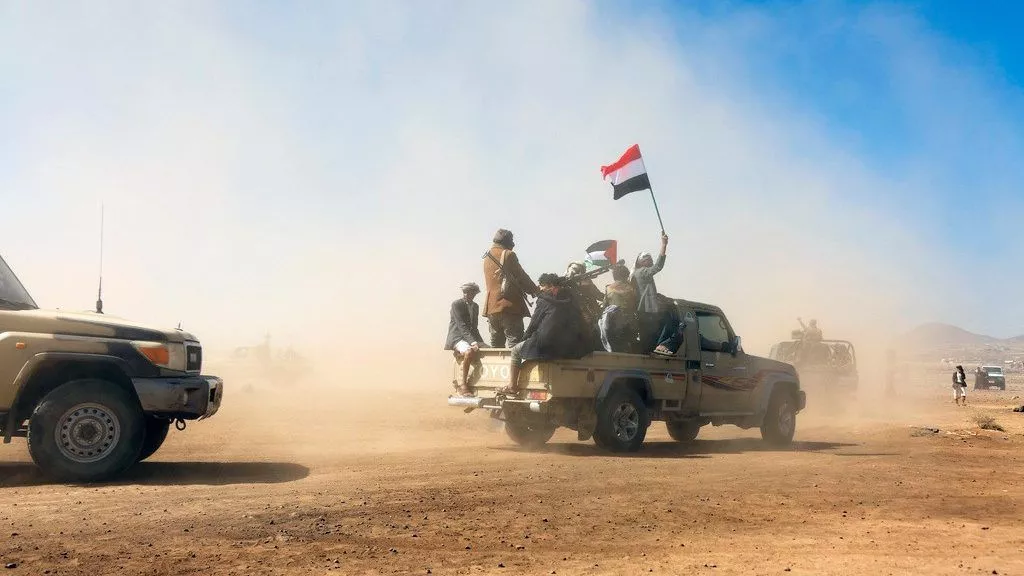
That is why Washington's decision is strange. For years, the Americans advised Riyadh to end the war in Yemen, as it could not win. By attacking the Houthis, the Americans expanded the conflict beyond Gaza, provoked attacks by Shiite militias across the Middle East, and strengthened China and Iran, which they implicitly admitted when they, directly and through intermediaries, asked Beijing and Tehran to restrain the Houthis.
Miscalculation
This is the trap that Washington and London fell into at the beginning of January, when Russia and China supported their resolution in the United Nations Security Council. Moscow and Beijing supported the United States' right to "defend its vessels from attacks" in the Red Sea. Earlier, the Houthis said they would not attack Russian and Chinese ships. Then, Operation "Prosperity Guardian" was launched, which is still ongoing and not yielding significant results, although Washington regularly announces that it has intercepted missiles or drones fired by the Houthis, or that they have hit their targets on the ground.
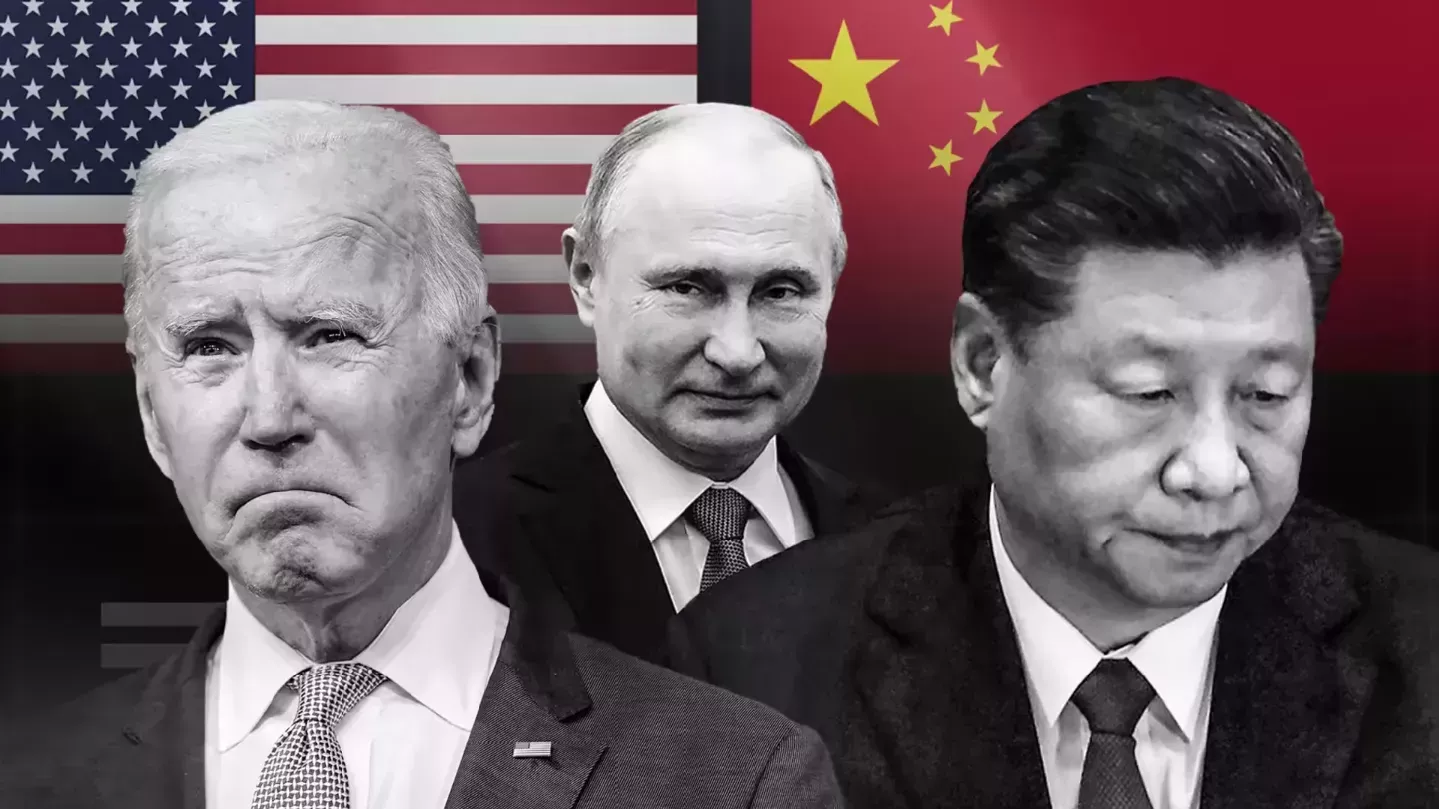
Since then, the Houthis have hit several ships and sunk one. They claim to have also hit military ships. Some British ships sent to the region have been sent to ports due to malfunctions. A large number of cargo ships are now avoiding the Red Sea and sailing around Africa, which increases the cost of trade between Europe and Asia. Meanwhile, Chinese and Russian ships are sailing in the Red Sea, and the Houthis have hit at least one such ship, believing it belonged to someone else.
The Houthis have gone a step further. Last week, information appeared in the Russian state media RIA Novosti, and later reported by agencies worldwide, that the Houthis have hypersonic missiles that they will use on targets far from the coast of Yemen, even on ships heading to Southern Africa. Experts believe that if the Houthis possess such missiles, Iran, which unveiled the "Fattah-1" missile in June, is responsible for the Houthis' entry into the elite group of hypersonic weapon producers.
Although the story about targeting ships in southern Africa sounds a bit unlikely and difficult to achieve, what sounds possible is that the Houthis, with external support, can target the Strait of Hormuz in addition to the Red Sea and Bab el-Mandeb. This means that the Houthis can target the maritime routes on which Europe's energy supply depends, or ships heading to the Gulf oil monarchies.
The naval exercises of the Iranian, Russian, and Chinese navies in the Gulf of Oman, held about ten days ago, also show that controlling the Strait of Hormuz is a goal for strategists in Tehran, Moscow, and Beijing. "The objectives of this exercise include strengthening the security of international maritime trade, combating piracy and maritime terrorism, facilitating information exchange for maritime rescue operations, and exchanging operational and tactical insights," the Iranian IRNA stated.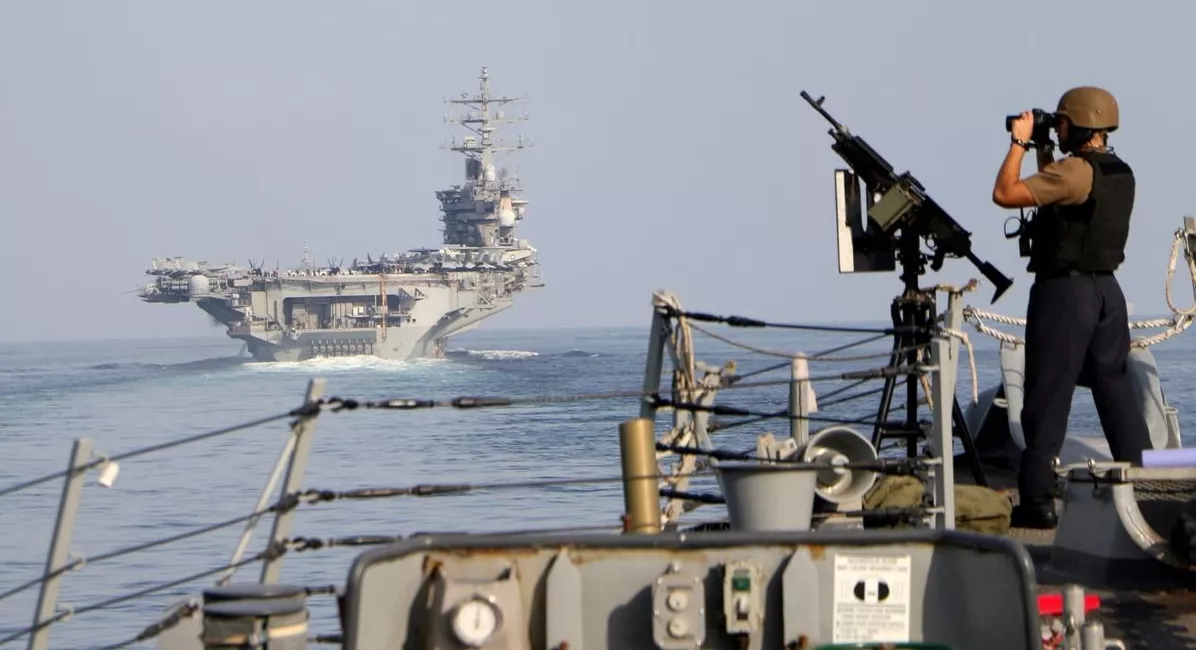
New Challenges
Yesterday, Western media reported that the Houthis, during talks in Oman, once again gave guarantees to Russia and China that they would not target their ships in the Red Sea. The news came from Bloomberg, which cited officials familiar with the meeting. In return, the Houthis expect Russia and China to be their voice in the Security Council, i.e., to block new measures against them. Representatives of the Houthis visited Moscow at the beginning of the year, which shows that communication exists.
A few days before Bloomberg's report, Ali al-Quahoum, a member of the Houthi political bureau, wrote on X: "There is continuous building and development of international relations between Yemen, Russia, China, and the BRICS countries," adding that this cooperation "has a common interest in seeing America, Britain, and the West drown in the swamp of the Red Sea and the open sea, and is intended to sink, disappear, and weaken their unilateral polarity."
There is no doubt that the Houthis want to push the traditional naval powers from the West out of the Red Sea and open the door for new ones, one of which already has a base on the other side of the Red Sea. Namely, China has a military naval base in Djibouti and is expanding its power in Africa and the Middle East from there.
Washington's attempt to prevent the war from spreading beyond the Gaza Strip has failed, and the West currently has neither the mechanisms nor a plan to stop all those who resist American control of the region. The attempt to support Israeli Prime Minister Benjamin Netanyahu's policy has also failed and threatens to become an even greater failure every day.
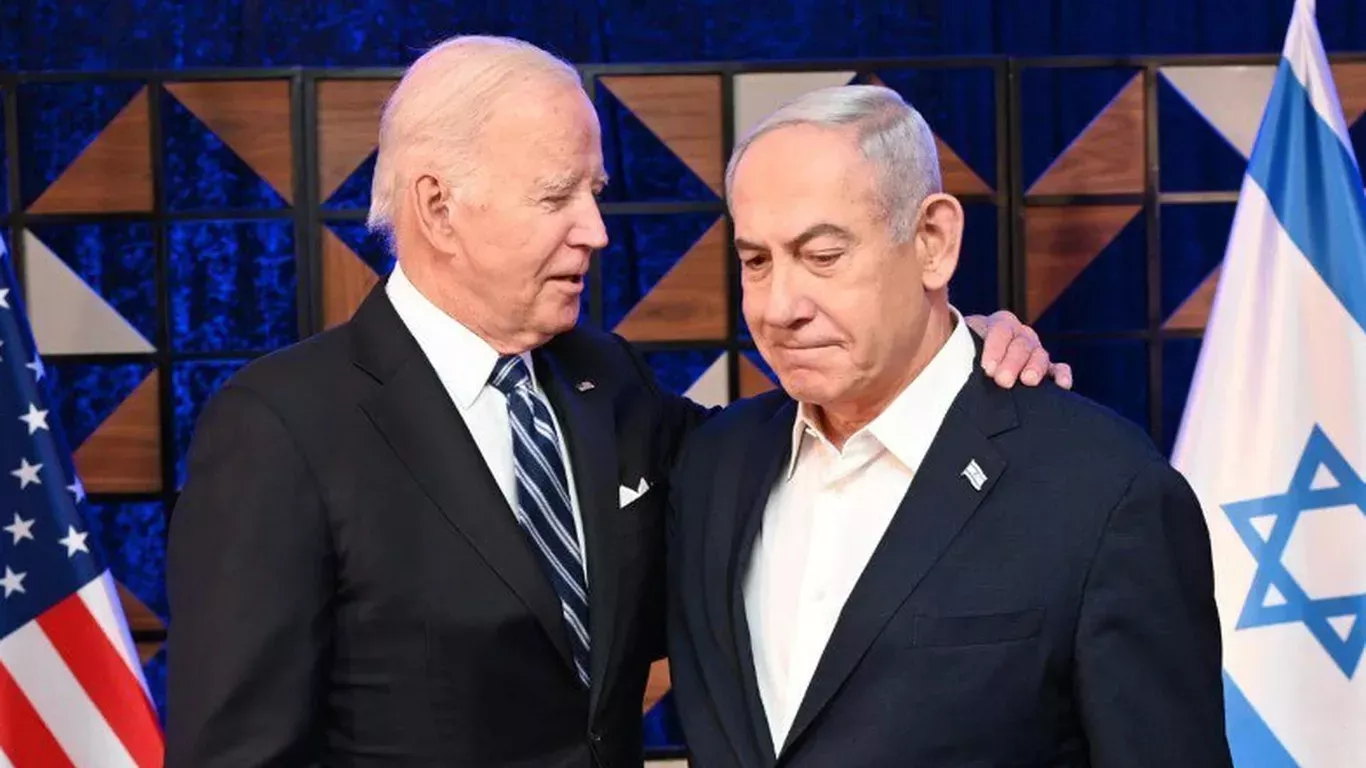
US Secretary of State Antony Blinken is currently on a tour of the Middle East, his sixth since October 7. Blinken, as during his first visit, is seeking the same things and failing, and the main obstacle is Netanyahu's policy, which has become clear even to American politicians who rarely criticize Israel. Netanyahu simply refuses to comply with the demands of the Joseph Biden administration.
Thus, six months after the start of the war in the Gaza Strip, the war has spread across the Middle East, and there are no signs that the situation will return to what it was before October 7. And for lasting peace in the Middle East, one must look beyond the day Hamas attacked Israel. However, there is no will for such an effort in Israel and most of the West.
Komentari (0)
Prijavite se za komentiranje
PrijavaJos nema komentara. Budite prvi!
Minuta
Sve →Iz drugih kategorija

High Representative Not Elected: Germans, French and British Against Americans, New Attempt at End of June

ČOVIĆ WITHOUT MERCY: How Those Who Brought Ademović to Office Created a Political Hell for Him



Sunny Saturday, quite warm



Tragedy in Albanian resort: Two minors drown












