
By Armin Sijamić
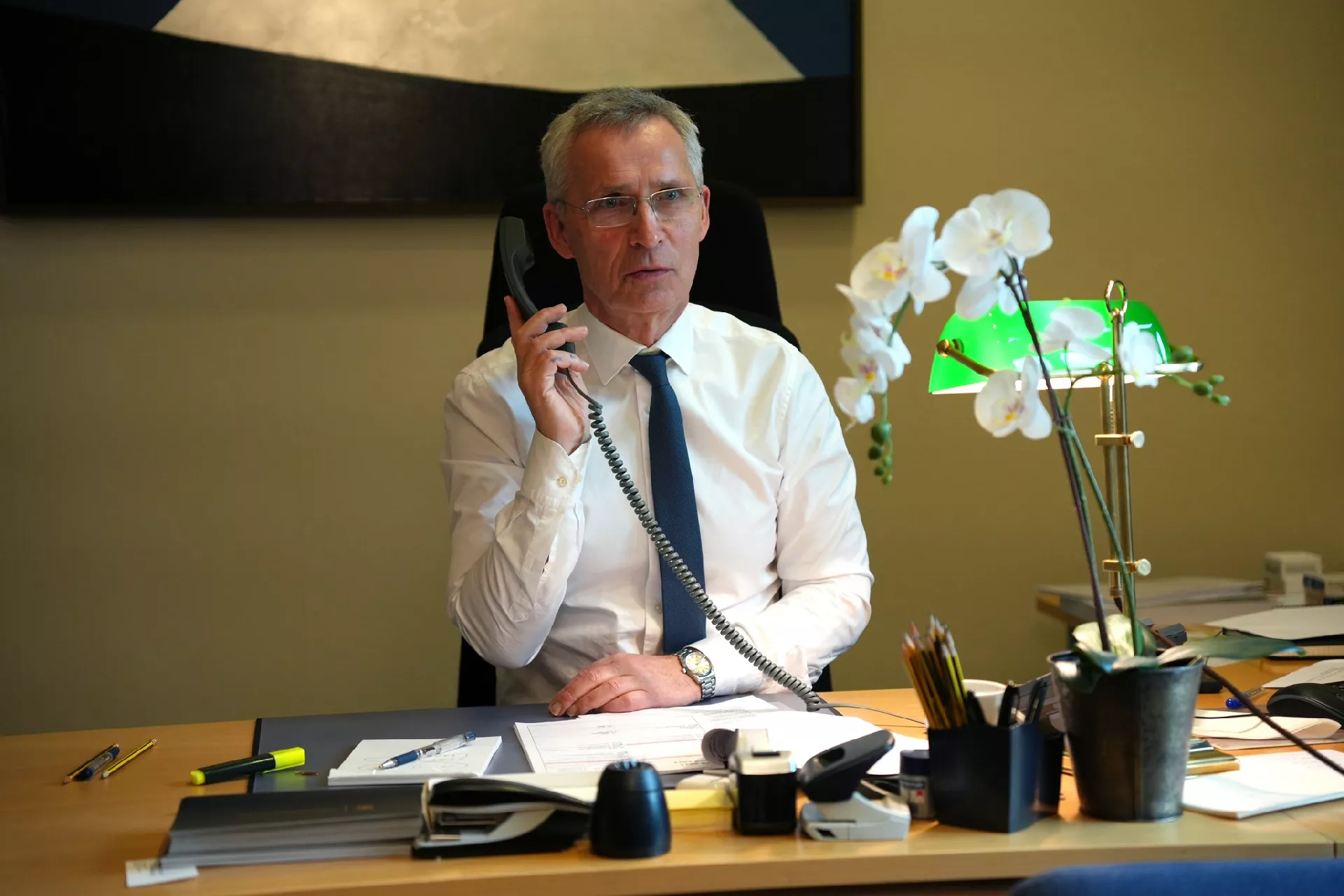
Jens Stoltenberg, former NATO Secretary General and current Norwegian Minister of Finance, gave a somewhat strange interview to the British The Times after publishing his book. Stoltenberg said, among other things, that NATO could have collapsed during his tenure.
High-ranking officials, upon the end of their political careers, and most often with a significant time lag from the events they write about, publish memoirs or try to explain the effects of their policies in other ways. They most often try to justify their decisions and defend their political legacy. Sometimes such accounts of certain events provide new and significant information.
However, Stoltenberg did not wait for a time lag; he is still in politics. After leaving the position of NATO Secretary General in October last year, after ten years in that role, he also published the book “On My Watch: Leading NATO in a Time of War,” which has been attracting media attention for weeks, and he now holds the position of Minister of Finance in the Norwegian government.
In the aforementioned appearance in The Times, Stoltenberg spoke about one of the topics in his book – the state of the NATO alliance from 2014 to 2024. This particularly relates to two events that marked his tenure: the withdrawal of the international coalition from Afghanistan and the Russian aggression against Ukraine. Stoltenberg also led NATO during Donald Trump's first term in the White House. At that time, Stoltenberg thought the military alliance would collapse.
Defeats from Crimea to Afghanistan
Why the West did not strongly punish Vladimir Putin for the annexation of Crimea in Ukraine in 2014 is a question that will haunt generations of politicians in the West. It is now clear to everyone that the Kremlin's move was a prelude, a general test, for what would happen on February 24, 2022. The fact that the government in Kyiv survived three years ago is likely due to Joseph Biden being in the White House and Boris Johnson leading the UK government.
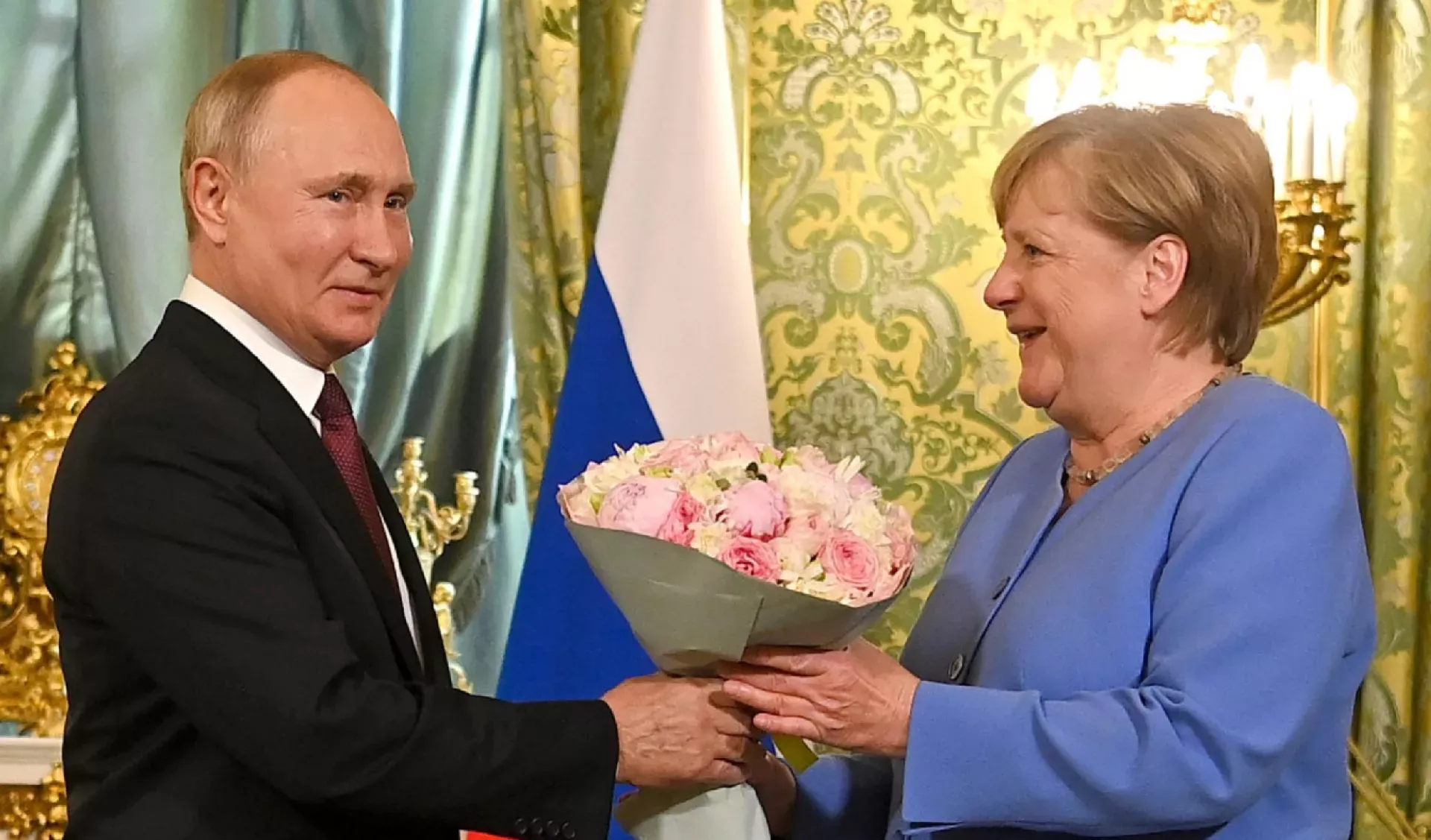
Stoltenberg believes that the Russian incursion into Crimea was an opportunity for Ukraine to be armed and thinks that if that had happened then, Russian President Vladimir Putin would not have ordered the invasion eight years later.
Stoltenberg says that the fear of a Russian invasion of Ukraine prevented NATO from helping Kyiv after the annexation of Crimea. “NATO allies provided almost no military support, or too little, and almost no lethal aid because we were afraid it would provoke Russia into an invasion.” By not helping then, NATO, according to Stoltenberg, allowed Russia to “invade much more easily.”
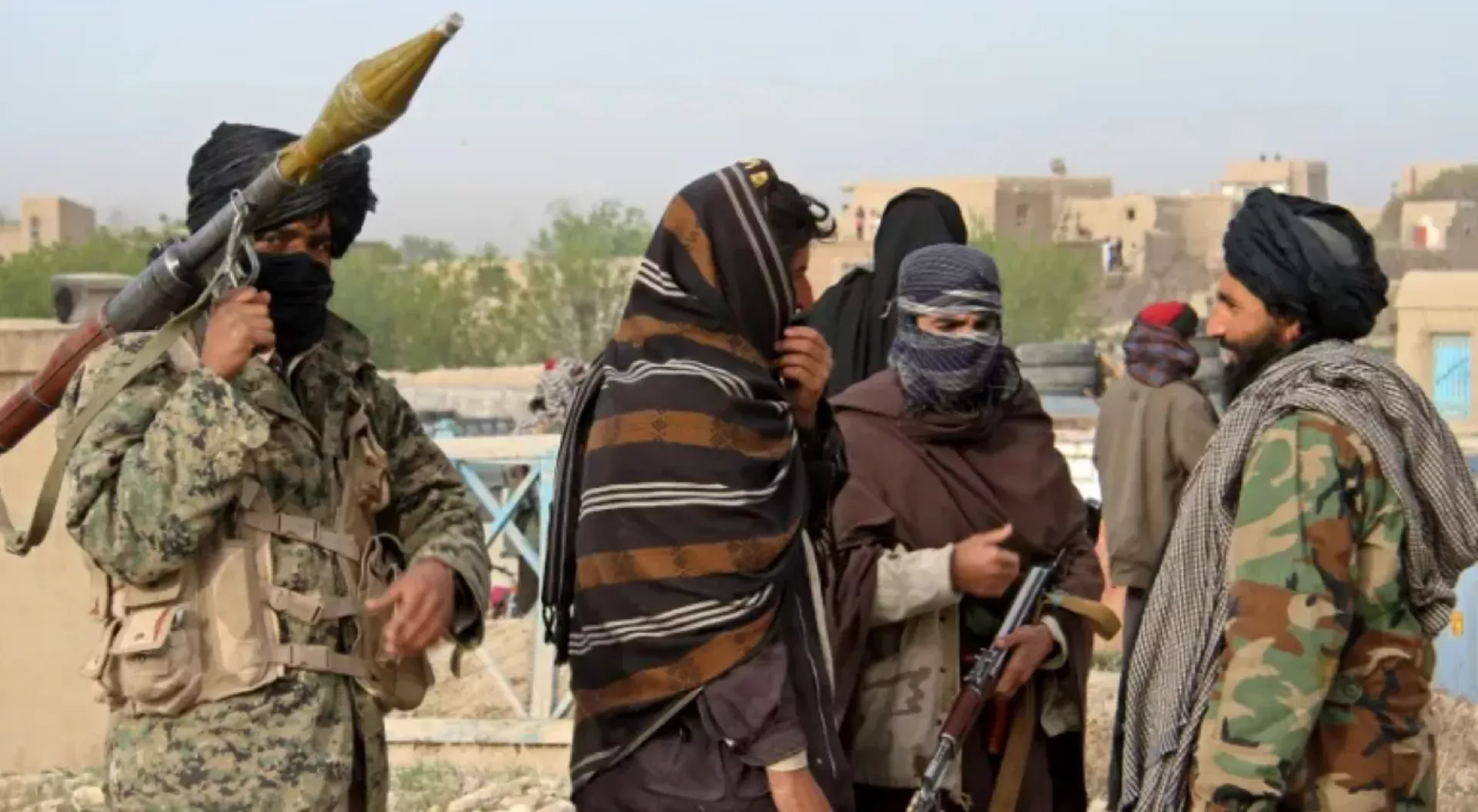
This is not the only thing that emboldened Putin to attack Ukraine in 2022. Stoltenberg will call the withdrawal from Afghanistan in 2021 “NATO's biggest defeat,” as they wanted to see a “free and democratic” country there. He will write in his book that Afghan officials told them in those days that NATO had “failed them.” This, according to Stoltenberg, emboldened Putin to believe that NATO would fail in Ukraine a year later.
NATO is waking up, but not listening to Zelensky
In the interview, Stoltenberg did not say who was responsible for NATO strongly supporting Kyiv after the Russian attack in 2022. However, from this distance, it is clear that the US, UK, Poland, and the Baltic states are most responsible, as they understood what would happen to Kyiv if it fell back under the Russian boot.
Nevertheless, not everything went smoothly at the very beginning. Stoltenberg says that Ukrainian President Volodymyr Zelenskyy “called from a bunker” and asked NATO to close Ukraine's airspace. “And he also said that 'I know NATO can do it because they have done it before.' NATO closed the airspace over Bosnia and Herzegovina in the 1990s to prevent atrocities. And NATO allies, including the UK, closed the airspace over northern Iraq to protect the Kurds,” Stoltenberg recalled the Ukrainian president's appeal. “I accept that you are not sending NATO ground troops, although I disagree. But please, close the airspace. Prevent Russian planes, drones, and helicopters from flying and attacking us.”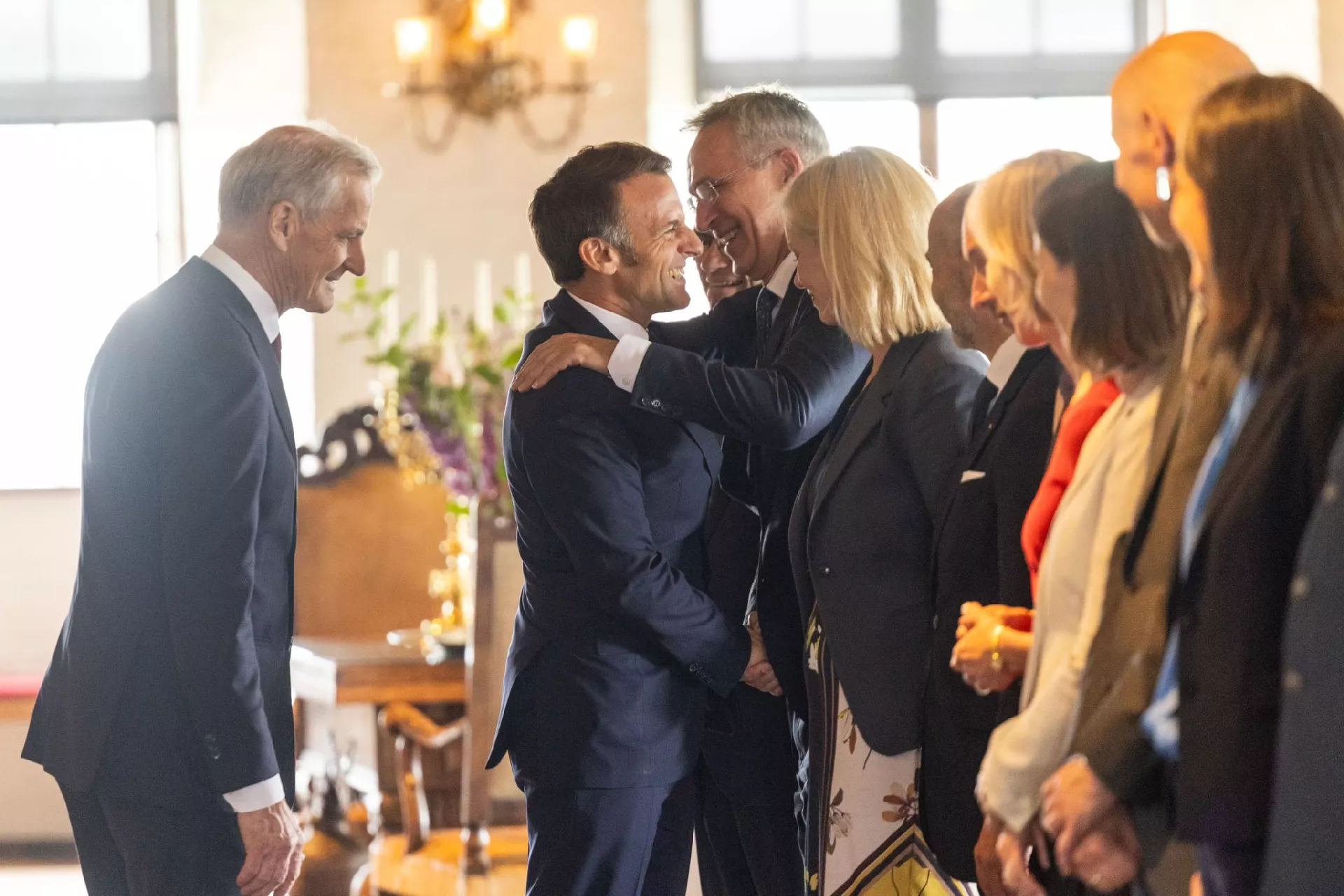
Stoltenberg in embrace with Macron
Stoltenberg rejected the request, knowing that Zelenskyy's “life was at risk.” “I understand why you are asking. But it will not happen, because if NATO closes Ukraine's airspace, the first thing we have to do is destroy Russian air defense systems in Belarus and Russia, because we cannot fly over Ukrainian airspace with Russian air defense missiles targeting NATO planes. And if there is a Russian plane or helicopter in the air, we have to shoot it down, and then we are in a full-blown war between NATO and Russia. And we are not ready for that. As Biden, who was the US President at the time, said, we will not risk a third world war for Ukraine,” Stoltenberg told The Times, describing the conversation with Zelenskyy.
Soon, NATO consolidated. First, only some NATO members provided assistance to Ukraine, and later some countries competed to see who would help more. In a short time, Kyiv received a lot of aid of all kinds, although from this distance it is clear that everything went too slowly. Namely, if NATO allies had delivered to Ukraine everything they delivered later at the beginning of the Russian aggression, the course of the war would likely have been different. All this time, there was talk of Russian “red lines,” which have been crossed many times by now. Tanks, missiles, drones, helicopters, planes... have arrived in Ukraine.
Stoltenberg explained it this way. “On the morning of February 24, when the full invasion occurred, all nations met at NATO headquarters and we made two decisions,” he said. “One was to increase our support for Ukraine, which we did. The other was to do everything we could to prevent this war from spreading beyond Ukraine and becoming a large-scale war between Russia and NATO.”
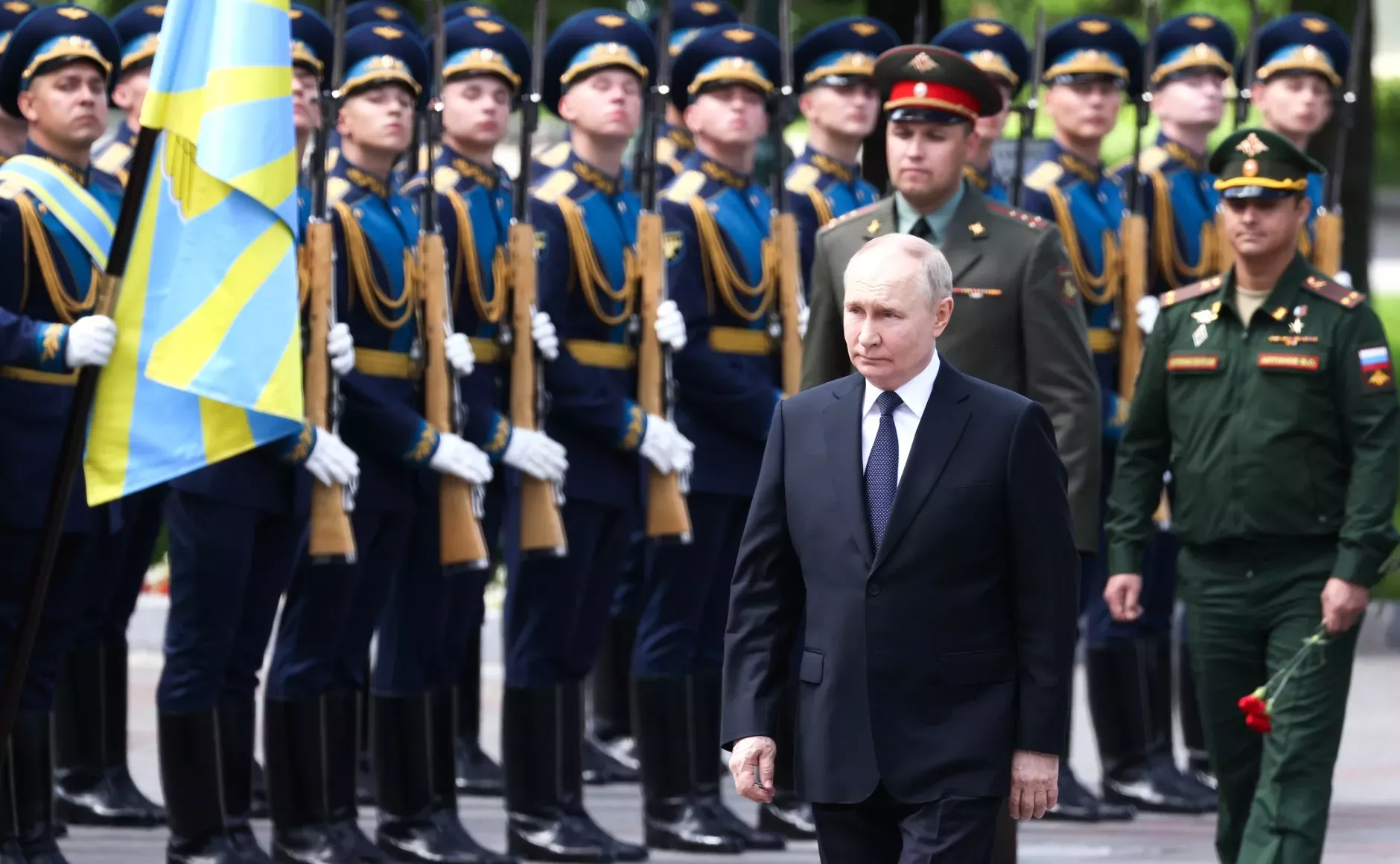
“Of course, there is an element of contradiction in these two goals because if the sole objective was to ensure Ukraine's victory, then we could have sent NATO troops and air forces and fought on the battlefield. We did not do that because we did not want a large-scale war between Russia and NATO. That is why we sent weapons and ammunition,” Stoltenberg explained.
The war in Ukraine continues, and NATO is stronger than in 2022.
“So, we continue to support Ukraine and have enabled them to truly fight, but we are not prepared to send NATO troops and be directly involved in a military conflict with Russia. I still believe that is the right approach,” he said.
The war in Ukraine continues into Trump's second term, and in his first term, he threatened to leave NATO. “At the NATO summit in 2018, where President Trump actually said he was considering leaving the alliance, I was worried that I would be the Secretary General overseeing the end of NATO,” Stoltenberg recalled. “We managed to find a compromise then – European allies promised to engage more and actually did more, and that kept the alliance together. Most are now paying much more than just a few years ago, and there are plans for further increases in defense spending.”
That message from Washington, which Trump presented as a threat, woke up the allies. Even during President Biden's term, Europeans began to increase their military budgets, and this year they raised the bar even higher, effectively making Trump the US president under whom NATO became stronger, just seven years after he threatened to leave the alliance.
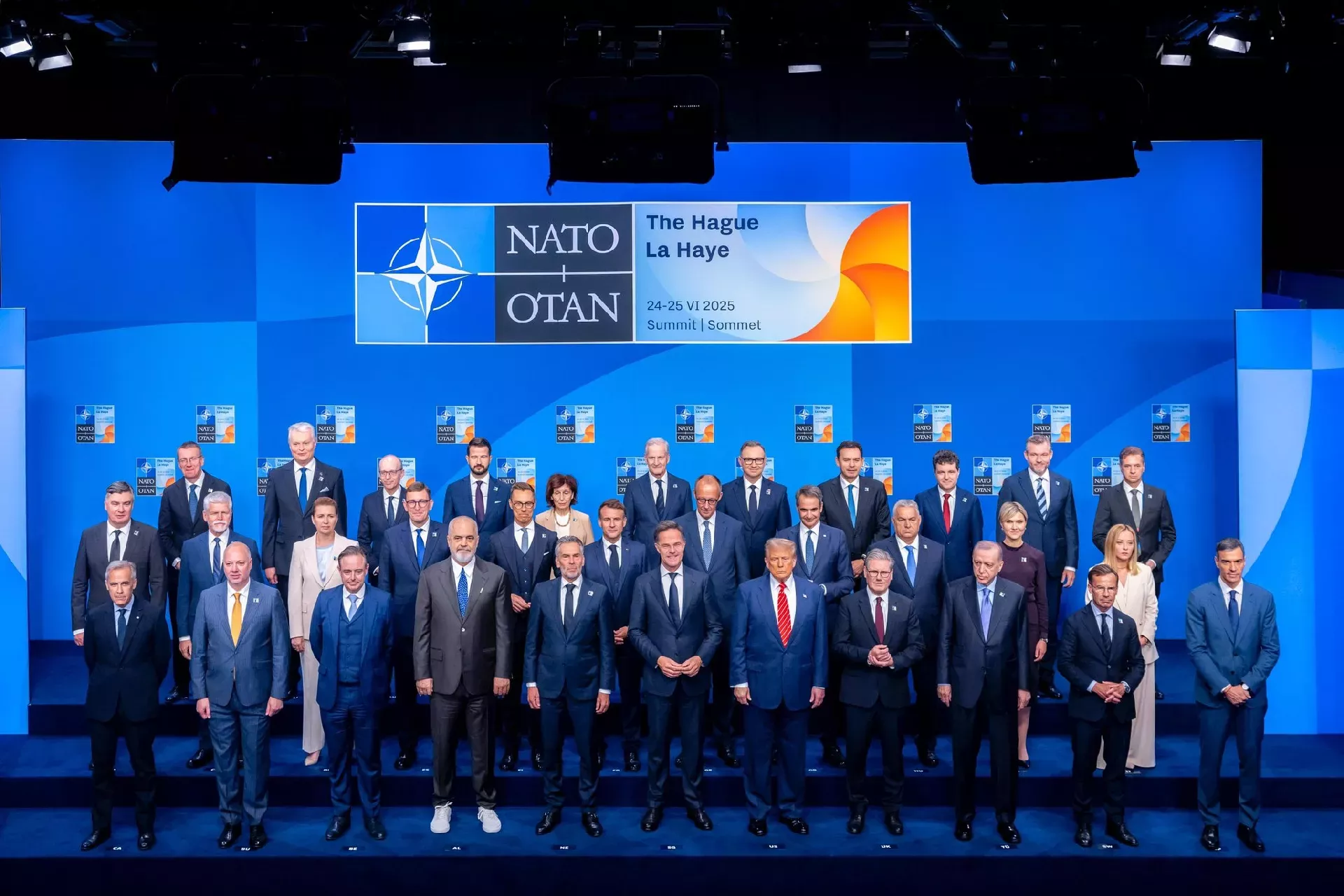
Thus, the war in Ukraine gave NATO new strength, as the correctness of the US stance was demonstrated in Eastern Europe. Europeans finally saw that decades of neglecting their own military capabilities and relying on the US military can sometimes cause more harm than good. It is not difficult to imagine what would have happened in Ukraine if Washington had not helped Kyiv and then, in various ways, persuaded allies to also help and strengthen their armies.
This, according to Stoltenberg, could also be the key to ending the war in Ukraine, as Putin is suffering losses on the battlefield. “I don't think we can change Putin's mind. He wants to control Ukraine. But I think we can change Putin's calculations. If the price he pays for it is too high, then he might be ready to sit down. Zelenskyy has offered talks. He said he is ready to accept a ceasefire. So far, Putin has rejected these offers,” Stoltenberg told The Times.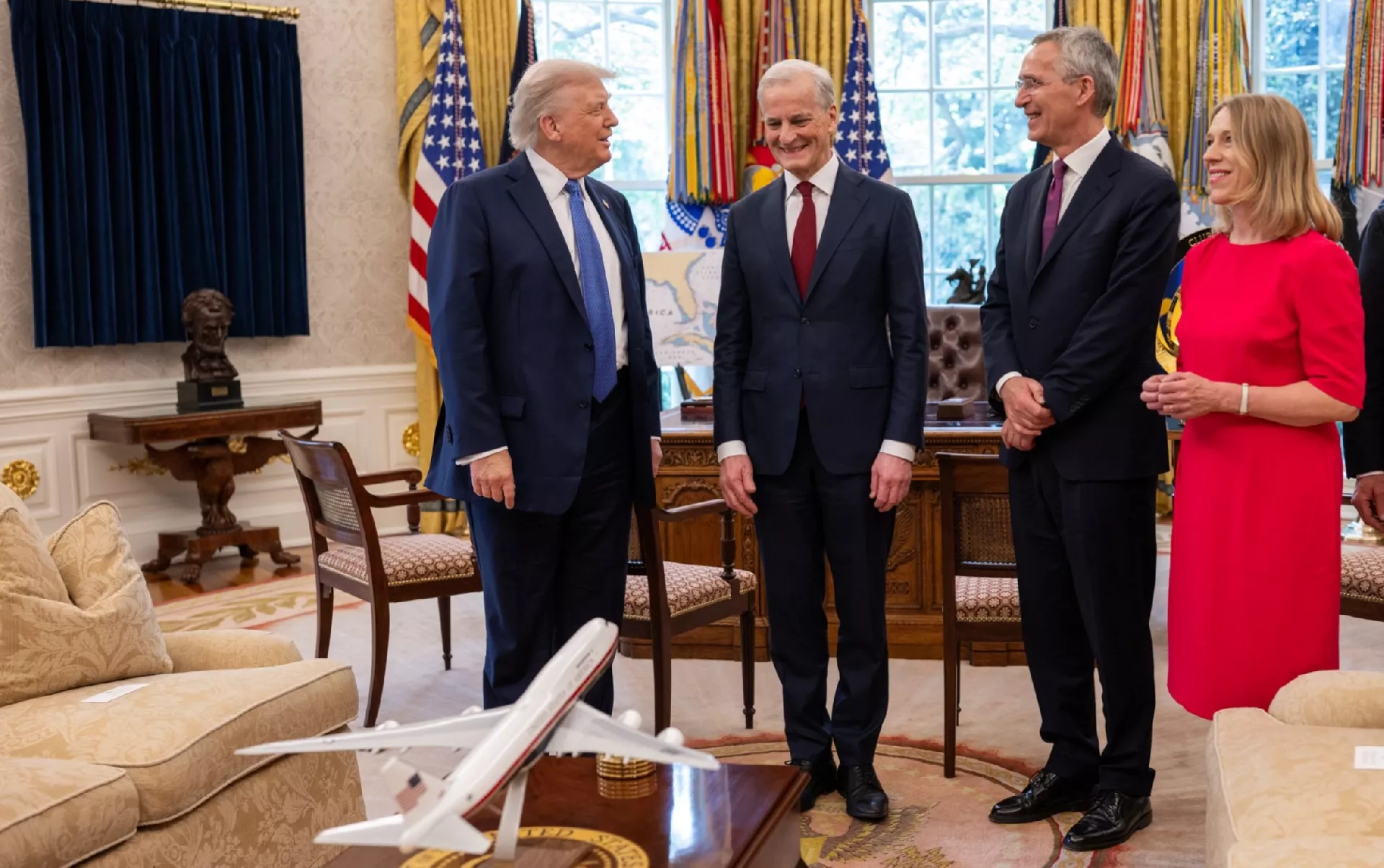
Stoltenberg in the White House
Stoltenberg discussed the so-called Finnish solution with Zelenskyy, i.e., the model by which Finland ceded ten percent of its territory to Moscow to end the war in 1940. However, Stoltenberg believes that Kyiv must decide on this, and NATO must provide “support to Ukraine.”
It has long been clear to everyone that this will not be an easy task. Both Ukraine and Russia have problems on the battlefield, in their economies, and elsewhere. In addition, some of their allies are considering changing their positions.
Currently, the current NATO Secretary General, Mark Rutte, is also active. From Romania, he called for preparations for a “long-term confrontation” with Moscow and told allies that they “must not be naive” about Russia's intentions, calling it a destabilizing force in Europe.
It seems that NATO does not want Russia to “catch them sleeping” as it did in 2014. NATO is now more prepared than then and is strengthening its capabilities, which is certainly not pleasing to Russia, which sees it as a threat. And if NATO was a threat in the eyes of the Kremlin then, it is even greater now.
Komentari (0)
Prijavite se za komentiranje
PrijavaJos nema komentara. Budite prvi!
Minuta
Sve →Iz drugih kategorija

High Representative Not Elected: Germans, French and British Sabotaged Americans, New Attempt at End of June

ČOVIĆ WITHOUT MERCY: How Those Who Brought Ademović to Office Created a Political Hell for Him



Sunny Saturday, quite warm



Tragedy in Albanian resort: Two minors drown












