
By Armin Sijamić
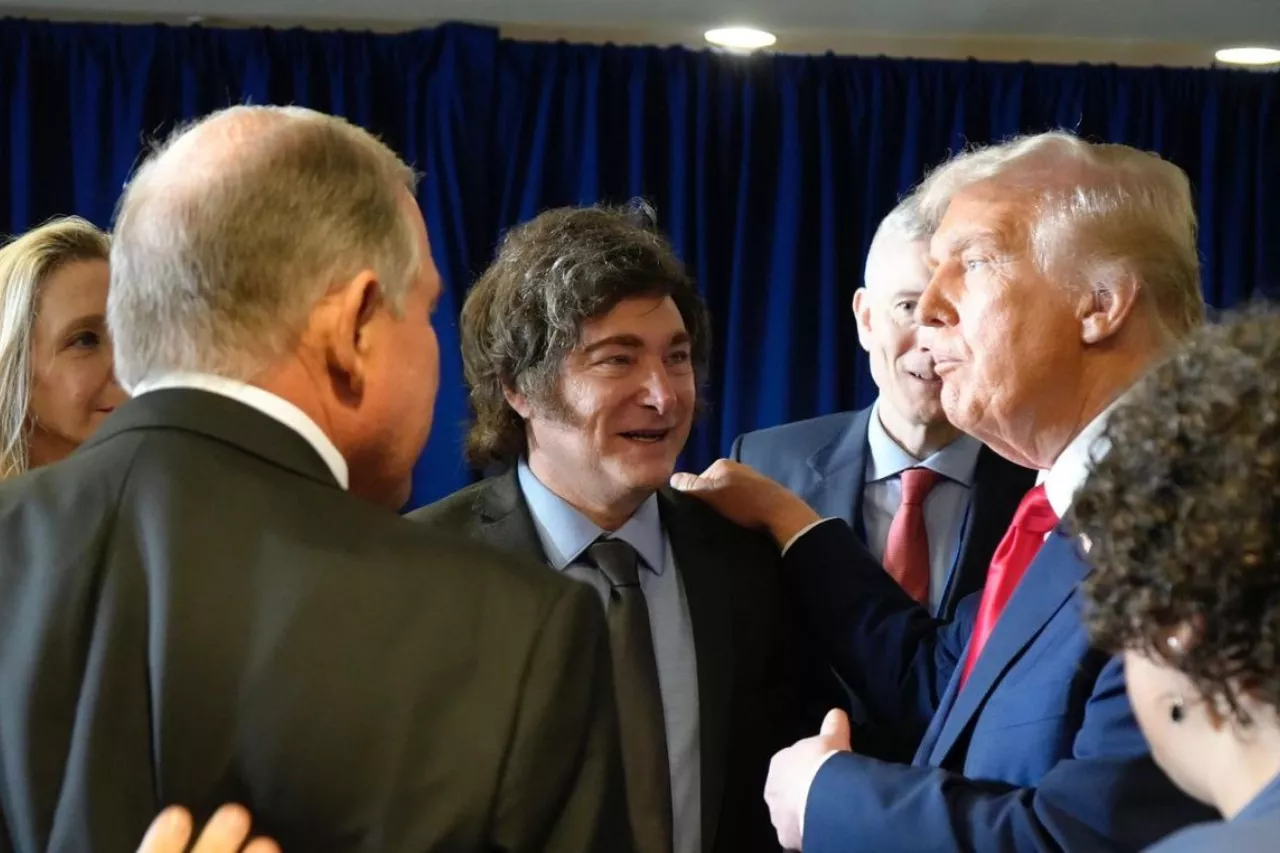
On Sunday, Argentinians went to the polls for the second time in less than two months to decide the fate of President Javier Milei's policies. Unlike the September elections, Milei now faced voters with the direct support of US President Donald Trump and achieved a brilliant result.
Javier Milei and his political program have not been defeated, at least until the next presidential election. The self-proclaimed "anarcho-capitalist" and "libertarian," and seen by some opponents as a "far-right extremist," has strengthened his position on the Argentine political scene, despite predictions by many that the midterm elections for the Argentine Congress and Senate would be the beginning of his end.
Indeed, Argentinians went to yet another election that could have ended Milei's political career, at least when it comes to the promised reforms he must complete before reappearing before voters in two years in the race for president.
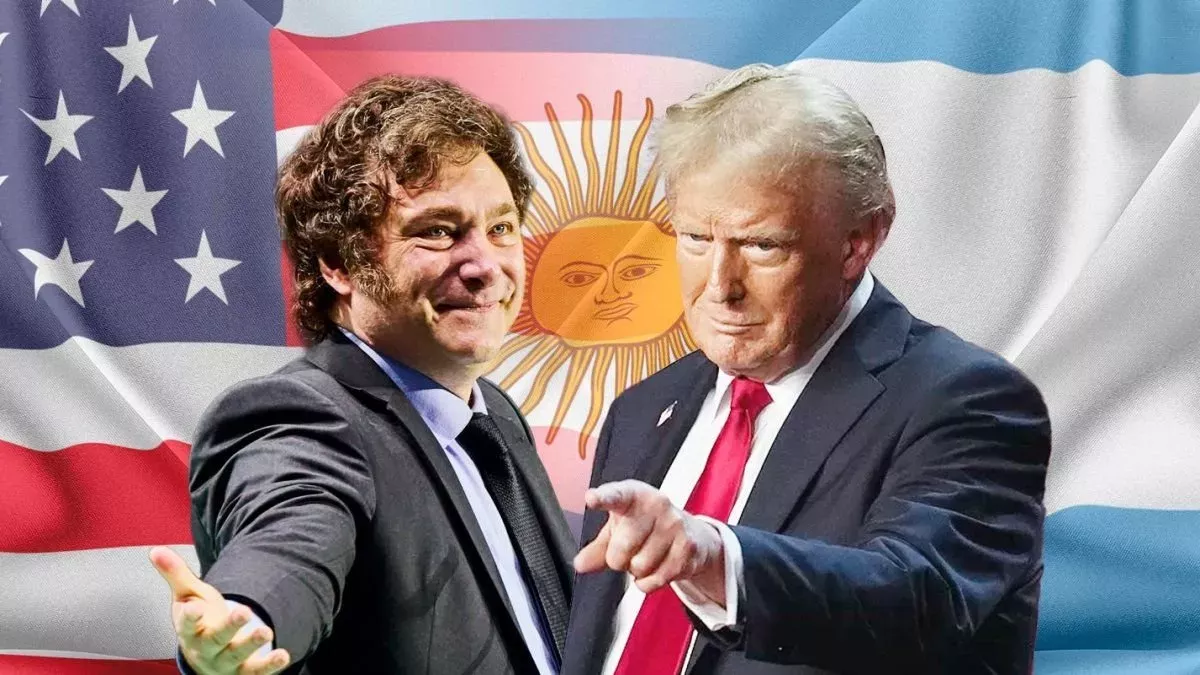
For these elections, he received "help" from Washington worth forty billion dollars. The Trump administration decided to stabilize the Argentine currency, the peso, provide loans to Buenos Aires, and open up the possibility of American investments in Argentina. Trump also invested his political reputation in these elections, as Milei is an important part of American policy towards South America, given that he is implementing a political and economic model in Argentina that appeals to people in Trump's administration and the group of businessmen behind him.
October Victory
One Argentine social media user, disappointed by the victory of Milei's party, wrote that Trump "bought the Argentine elections for forty billion dollars." This statement is not far from the truth, as Milei received more than a million votes in the province of Buenos Aires alone in less than two months, despite the crises shaking the country. It seems that some Argentinians have believed Trump that he will help their country overcome the economic crises that periodically return every few decades.
Milei's "Liberty Advances" party won forty percent of the vote, which is ten percent more than expected, or as polls indicated. This is ten percent more than the Peronist opposition, in all its party variations, which lost in 18 out of 24 Argentine provinces, even in those where they held power. Milei's party also won in Buenos Aires, after a heavy defeat in September. To make matters worse for the Peronist opposition, in some provinces, they were not even second, but third, behind local parties with whom Milei is now offering cooperation.
This means that Milei will now have, with his allies, 101 out of 257 seats in Congress. Before Sunday's elections, he had 37. In the Senate, which has 72 seats, Milei will now have 20 senators. Before the elections, only six. This is the best result for an Argentine president in midterm elections since 1985.
The elections showed that Trump has influence in Argentina. But this is only part of the answer as to why Milei achieved such a convincing victory and why the opposition did not capitalize on his mistakes.
A turnout of 66 percent, the lowest in midterm elections in forty years, is one of the reasons why the opposition did not achieve better results. Furthermore, the September elections saturated the party base, and local leaders and party members showed that elections where they were candidates were more important to them. Namely, with far fewer candidates on the ballots in these elections compared to September, there was less mobilization of the party base than usual.
The New Milei
Milei and his party did not expect such a result, and the public did not expect Milei's turn after the elections. Some Argentine commentators agree that Milei is a "new" politician after these elections, as he delivered a conciliatory speech after his election victory, which is not characteristic of him. With very little criticism and harsh words towards the Peronist opposition, Milei thanked many people who helped him in the campaign for a long time, and then offered a hand of cooperation.
"Today, the construction of a great Argentina begins," Milei said at the beginning of his speech. "In the next two years, reforms will continue," he announced, because "two out of three Argentinians do not want to return to the past."
He told Argentinians that they "live in the freest country in the world" and invited parties in parliament to cooperate on specific issues. This particularly applies to the aforementioned regional parties and their governors, through which he wants to create more allies for himself, probably counting on the Peronist opposition to, as they say, entertain themselves. Something similar happened in neighboring Bolivia, leading to a change in the leftist government after two decades.
Old Trump and Debtor Milei
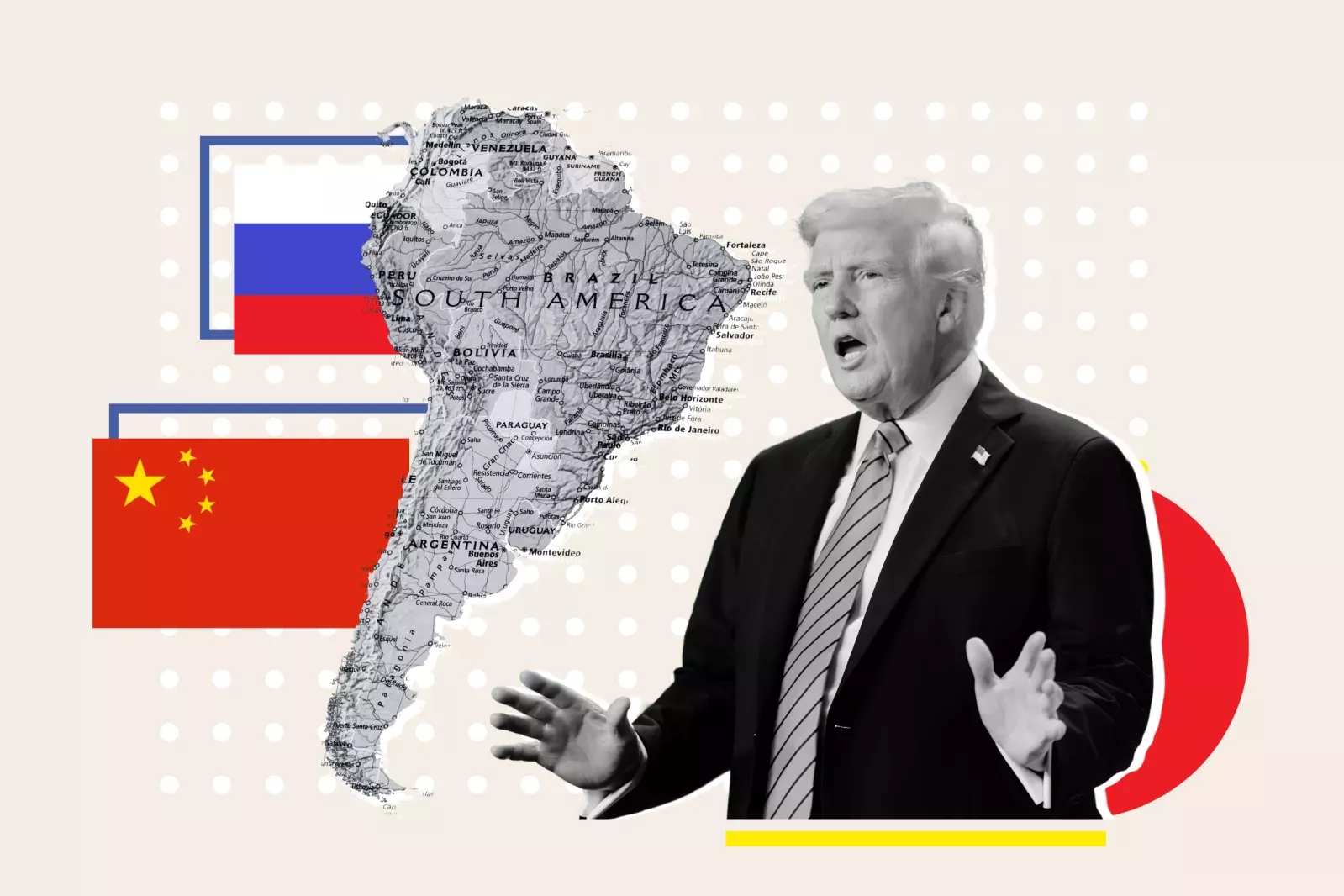
The Argentine elections will have repercussions beyond Argentina's borders. The geopolitical importance of Argentina for Latin America and Antarctica is well known. The United States is clashing with China there, which has been the primary goal of many of Trump's foreign policy moves since his first term.
In this battle with China, Trump has already recorded successes, but also defeats. Thus, in neighboring Bolivia, a pro-American government will soon be established, which will offer Bolivian resources to foreign investors, while relations with the long-time American ally, Colombia, have worsened.
Trump is now exerting diplomatic pressure on Brazil, the largest and most powerful country in South America, wanting to persuade the leftist government there to make various concessions and submit to American interests, while threatening oil-rich Venezuela in various ways.
All this has happened in ten months of Trump in the White House. Many did not expect such a development of the situation in Latin America, but it was clear that some countries in that part of the world would have to reckon with cooperation, pressure, blackmail, threats, and conflicts in their relations with Trump. Simply put, Trump has no mercy in achieving his goals in his "backyard," as the "Monroe Doctrine," which has been followed by the White House for two centuries, designates this part of the world.
However, Trump's approach to Argentina is something new in his policy. Explaining why he is helping Milei, Trump described "Argentina as a dying country," saying that "it has no money, no nothing, and it is fighting hard to survive" and continued: "They are dying, is that clear? They are dying."
Many Argentinians disagree with this statement by Trump, but they admit that a crisis exists. Milei's critics are not far from Trump's claim. They wonder what will happen to Argentina next year when the debt repayment to the International Monetary Fund and the American administration, which intervened before the elections and saved the Argentine economy, comes due.
With his election victory, Milei has gained the opportunity to show the opposition that they are wrong, probably counting on new Trump aid if necessary. But since there is no "free lunch" in politics, especially in American politics, the question is what Trump will ask for in return. Besides gaining another debtor and ally in Buenos Aires, Trump has shown that there are millions of people outside the United States who believe in him even when he needs to support someone they rejected in the elections two months ago.
Komentari (0)
Prijavite se za komentiranje
PrijavaJos nema komentara. Budite prvi!
Minuta
Sve →Iz drugih kategorija

High Representative Not Elected: Germans, French and British Against Americans, New Attempt at End of June

ČOVIĆ WITHOUT MERCY: How Those Who Brought Ademović to Office Created a Political Hell for Him



Sunny Saturday, quite warm



Tragedy in Albanian resort: Two minors drown












