
By: Armin Sijamić
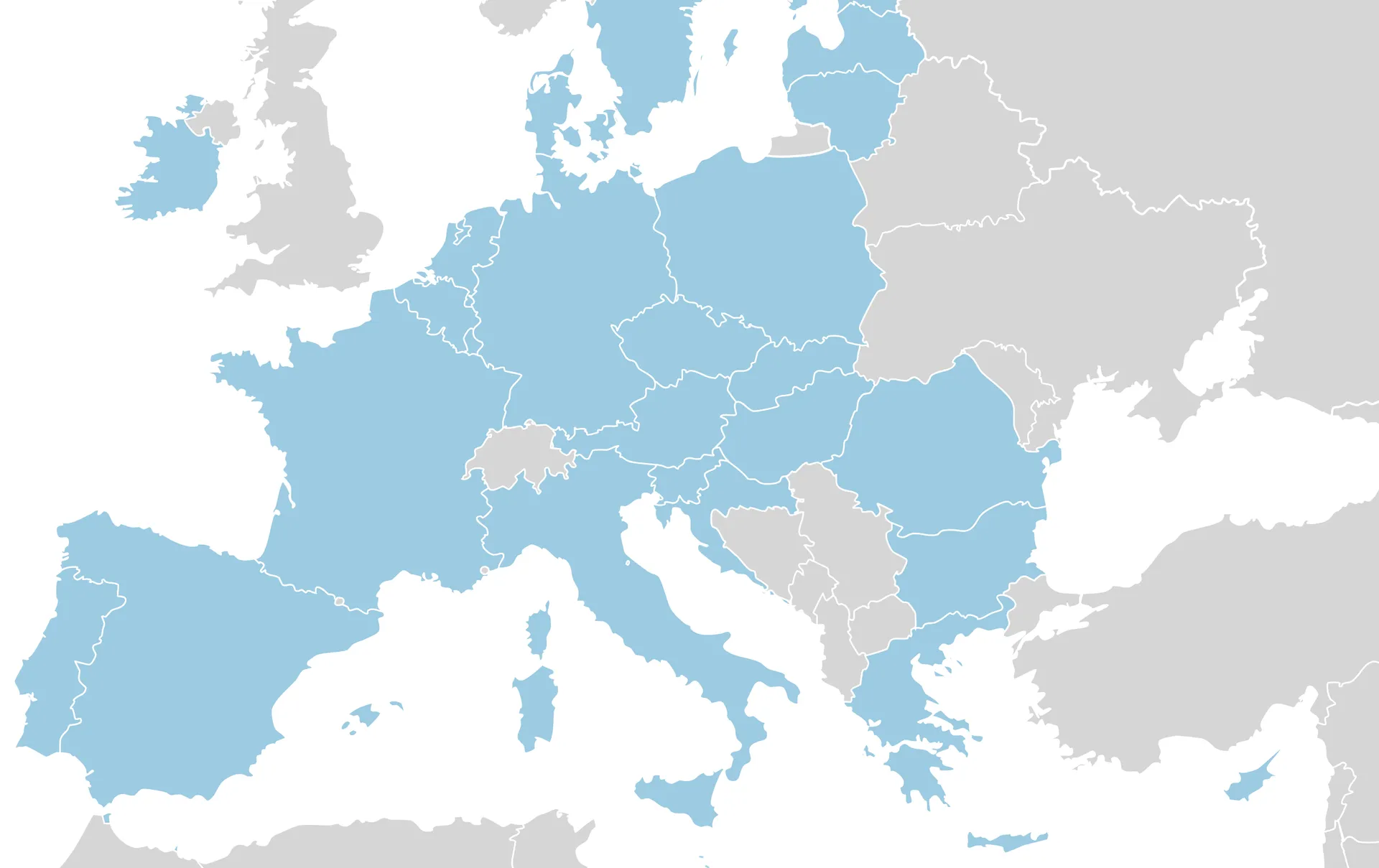
The US State Department reported to Congress last week with a brief memo on what President Donald Trump's administration wants in the so-called "Western Balkans," specifically in Albania, Bosnia and Herzegovina, Montenegro, Kosovo, North Macedonia, and Serbia.
The report came at a time of changes in American and European policies towards the world, as well as between themselves, and while the outcome of the wars in Ukraine and Iran is still unknown. It also coincided with Christian Schmidt's resignation as High Representative for Bosnia and Herzegovina (OHR), which surprised even some in Sarajevo who should not have been surprised.
It had been clear for months that Schmidt would leave one way or another, which coincides with changes in the policies of the United States and the European Union towards this part of the world.
This was also evident from the messages sent by some European, mostly German, officials who recently visited the Balkans. They stated that American and European interests in the Balkans no longer fully align. In other words, Balkan politicians are being asked to do what European officials dare not even say – to say "no" to Washington.
Report on the Continuity of American Policy
The mentioned State Department report was interpreted by some as a harbinger of an epochal shift in American policy under Trump. While this assumption might be correct, it cannot be read from this document, which is nothing more than an introduction for American lawmakers to a part of the world some of them are encountering for the first time in their work, and a way to send a message to the public in the aforementioned six Balkan countries, and to remind their politicians of their commitments made through various (implicit) agreements following Russia's aggression against Ukraine.
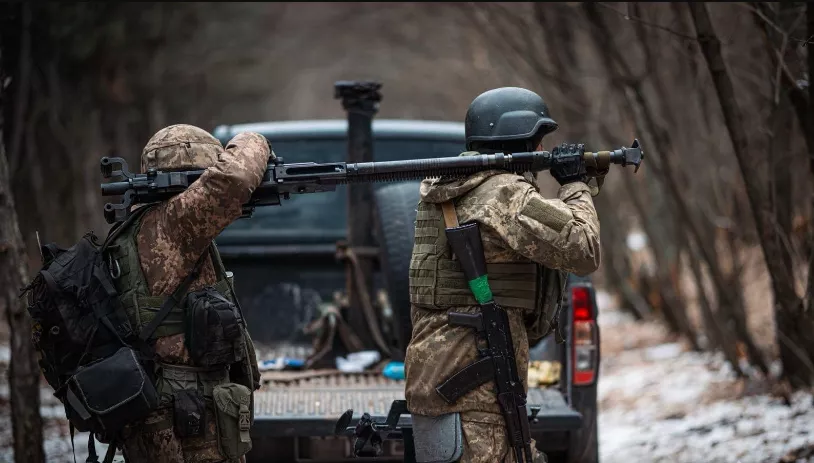
In the document, Washington asks Balkan leaders for two things: stability and conditions for economic development. To achieve this, among other things, they must strengthen military capabilities in line with NATO objectives and allocate five percent of their national GDP for it, eradicate corruption, and grant American companies the same status that Russian and Chinese companies currently enjoy in some parts of the Balkans.
All of this is clearly stated and represents a continuation of the policy of Joseph Biden's administration. More recently, this is the policy announced at the end of last year in the National Defense Authorization Act, which President Trump signed. The document specifies the American stance towards the Balkans and towards Russia and China, which are deeply involved in the politics and economy of almost all Balkan countries.
The Americans then stated that there is no place for Russia and China in the Balkans. This point indicates continuity with Biden, who, along with Brussels, has been pushing back Russian and Chinese influence from Europe since the beginning of the Russian aggression against Ukraine.
The State Department thus reminded all interested parties that the goals of the world's largest power in this part of the world have not changed, but that they are open to new ideas.
However, this does not mean that the methods will not change. After all, the Balkans have also changed and no longer need help, such as humanitarian aid, as before. For American strategists, this is an area where, according to the State Department, eighteen million people live, close to European transport corridors, with natural resources, a growing technological sector, and a skilled workforce. Therefore, American companies can now make money there, and Washington can deepen its influence.
Who Will the Balkans Belong To?
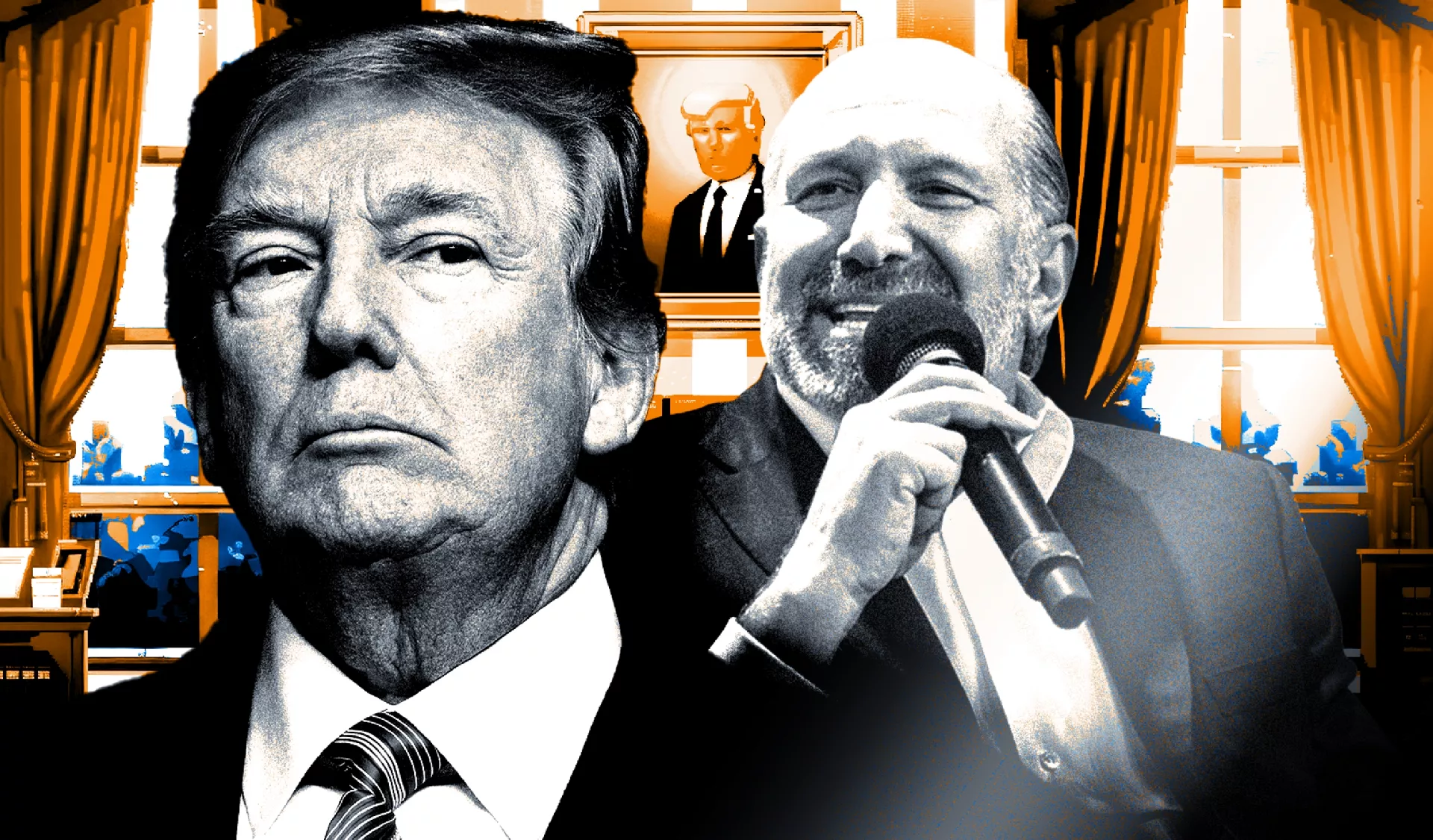
The Trump administration has no mercy for proponents of Russian and Chinese plans in parts of the world that Washington sees as its zone of influence. The economic war with China has spilled over into political and military confrontation from South and Central America to Africa and the Middle East. Such a development was expected with the appointment of Marco Rubio as Secretary of State, an opponent of everything related to communism and the left, and Howard Lutnick as Secretary of Commerce, a billionaire who attributes almost all American economic problems to China's strengthening.
But this was not an original idea of this Trump administration either. In his first term, Trump began to confront the Chinese economy, and Biden continued it. Finally, the European Union joined, developing a set of policies in response to China's "Belt and Road" Initiative.
One should recall the famous meeting at the White House in 2020, when Trump hosted Serbian President Aleksandar Vučić and Kosovo Prime Minister Avdullah Hoti, who, seated at small tables specially set up next to the US President's table, signed a document on Belgrade-Pristina relations, and also committed to expelling "unreliable" companies from 5G network business. That "unreliable" company was China's Huawei, which had long been working to establish a presence in Serbia.
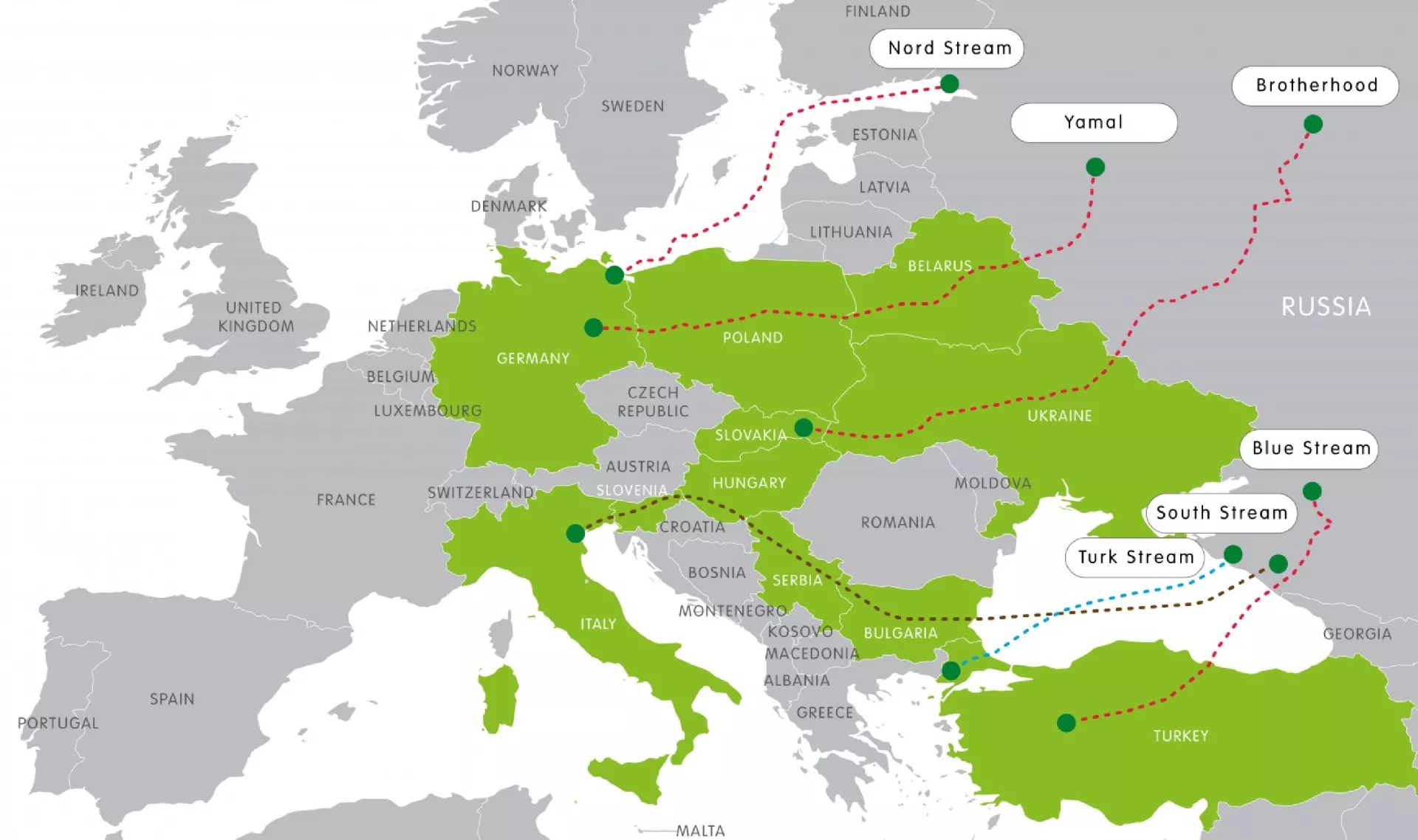
The State Department document now provides a broader list of areas where "unreliable," Russian, and Chinese companies are not welcome. Gas pipelines, hydroelectric power plants, thermal power plants, infrastructure of all kinds, defense industry, IT sector...
What Do the Great Powers Want?
The new American involvement in Southern Europe, which bothers some European capitals, will not be met with unreserved approval from the European Union. Although rarely emphasized, differences exist. For example, Kosovo's Prime Minister Albin Kurti has the support of Germany and constant reprimands from Washington.
Americans are now changing their approach. They do not treat Southern Europe, specifically the Balkans, as solely a security issue and do not rely solely on their "hard power." Now, large investments and American capital are also in play, while European allies are being left with some security-related tasks.
And here, a detail from the mentioned State Department document has attracted considerable attention from the public here. It states that the United States will no longer support "nation-building," meaning "state building," and many interpret this as the construction of (mono)national and unitary states. That era is over, it is stated, and the United States will no longer "save or fix" but rather build "stability and mutually beneficial partnerships." This point seems to have been included as a gesture of goodwill towards some regional actors so that they could later use it for their political statements.
However, history shows that Washington has almost never truly pursued such a policy in the territory of former Yugoslavia. Washington was against the breakup of Yugoslavia, then for the breakup, and respected ethnic particularities across that region. The Dayton Agreement is an example of how a state, as understood by the aforementioned term in our context, is not built; the constitutions and laws of Kosovo and North Macedonia are further proof of the insistence on ethnicity, and the removal of Milo Đukanović from power in Montenegro is a demonstration of the use of ethnic divisions in politics.
From there, the idea of moving from the "Dayton phase" to the "Brussels phase" in Bosnia and Herzegovina emerged long ago, and the intervention of the OHR on election night in 2022, carried out on the orders of the then-US administration, led in the opposite direction.
For years, Brussels has been offering money to Balkan countries in exchange for reforms, and this often yields no results. Balkan leaders, likely at the instigation of external actors, rejected such an approach even during the breakup of Yugoslavia: the infamous billions of dollars and admission into the then-European Community were not enough to stop them from forming independent and sovereign states.
More than three decades later, Brussels and Washington are offering money and political connections, and the leaders of Balkan countries are again "trading" independence and sovereignty, although they have practically "traded" them away long ago. The question remains what will be ceded from what has not already been destroyed or privatized, or what will be ceded to whom in exchange for "alliance." Therefore, if there is no authentic agreement among Balkan politicians, then the great powers will again make agreements about the Balkan peoples and states.
Komentari (0)
Prijavite se za komentiranje
PrijavaJos nema komentara. Budite prvi!
Minuta
Sve →Iz drugih kategorija

High Representative Not Elected: Germans, French and British Against Americans, New Attempt at End of June

ČOVIĆ WITHOUT MERCY: How Those Who Brought Ademović to Office Created a Political Hell for Him



Sunny Saturday, quite warm



Tragedy in Albanian resort: Two minors drown












