
By Armin Sijamić
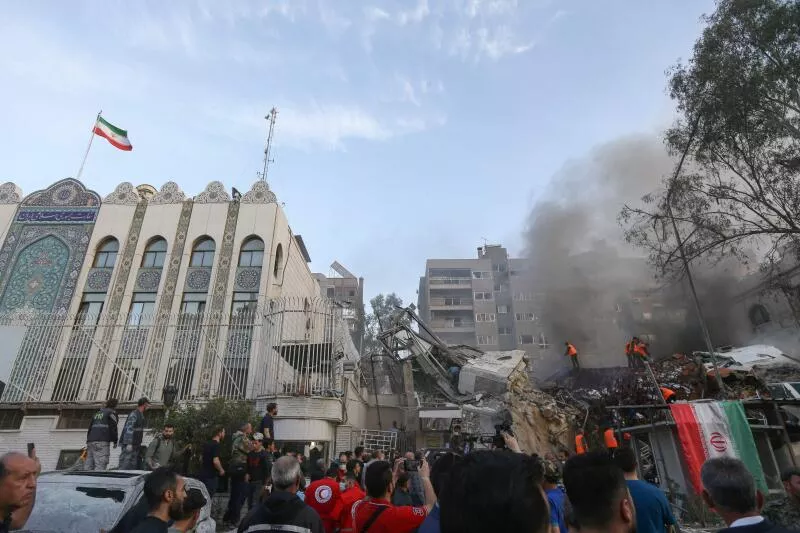
On Monday, the Iranian consulate in Damascus was destroyed in a missile attack, and thirteen people lost their lives. Attacks on diplomatic and consular missions of any state are rare incidents, as they are *de facto* declarations of war. Syria, Iran, and Russia have blamed Israel for the attack, while Tel Aviv has refused to comment. As the details of the attack are being investigated, it is worth paying attention to some events that could be part of the mosaic explaining why Israel carried out this attack and what it intended to achieve.
The conflict between Israel and Iran has been ongoing for decades, and it has intensified further since Hamas's attack on October 7th. Israel has used the Hamas attack to try to settle scores with Iran, especially from the moment the United States announced it would defend its ally and sent aircraft carriers to its shores. That Israeli calculation has not yielded the desired results so far, especially since Hamas is still resisting and Israel is facing increasing criticism from countries around the world.
In recent months, Israel, like the United States before it, has carried out targeted assassinations of (pro)Iranian officials across the Middle East, expecting Tehran to falter and thus tacitly give Tel Aviv and Washington the right to attack anyone in the region with impunity.

However, the era when one power in the Middle East could do as it pleased is behind us, and there are no indications that it will return soon, while regional powers are showing increasing freedom in their actions. Nevertheless, there are those who long for the return of the time when the Middle East was dominated by the West, and Israel was protected and acted with the blessing of the most developed part of the world.
Iran cannot allow such a development. Moreover, Iran has its own plans and is not sitting idly by, waiting for its rivals' moves. The activities of Iranian allies in Lebanon, Syria, Iraq, and Yemen indicate that Tehran has not abandoned its idea of pushing the United States out of the Middle East and confronting Israel. Tehran has shown that it is ready to attack even in neighboring Pakistan, a nuclear power, and American and Israeli targets have been in its sights for a long time.
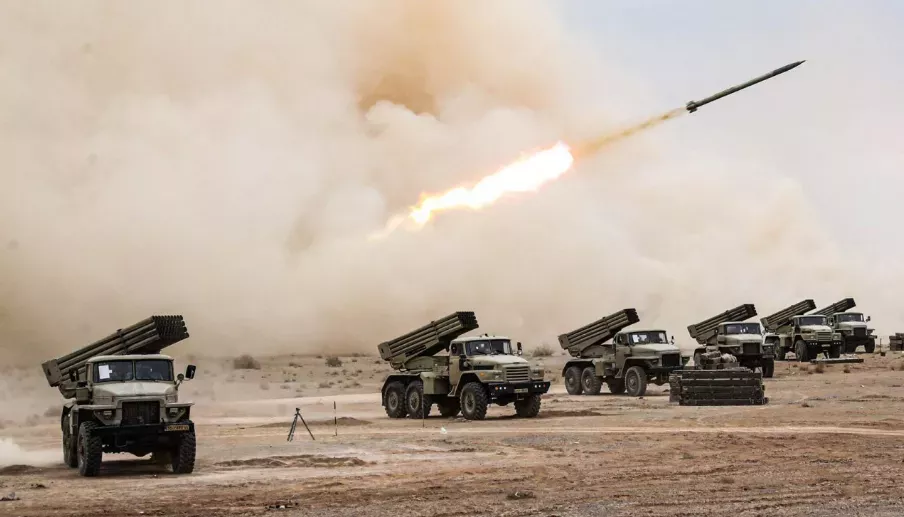
This game could have lasted for years and would likely have benefited Iran at a time when the West and its allies are building walls against Russia and China, and when the United States is increasingly focused on the Pacific and Eastern Europe, i.e., helping Ukraine defend itself against Russian aggression.
Reflections of the war in Ukraine
But the attack on the Iranian consulate is an escalation of this confrontation, and it seems that Benjamin Netanyahu's government wants to show Israelis, Washington, Moscow, and Tehran that they are ready to go to war, meaning they will not surrender without a fight. Some claim that with such attacks, Israel wants to provoke Tehran into a response that would draw Washington into a war against Iran, thereby relieving itself of a significant part of the pressure.
Although it seems that the attack on the Iranian consulate has nothing to do with Moscow, things are different. Namely, Russia has troops throughout Syria and, with Iran, ensures Bashar al-Assad's survival in power. For years, Russia has provided various forms of assistance to Syria, but carefully so as not to anger Israel, with whom it has excellent relations.
In other words, Moscow provided Damascus with assistance to defeat rebels and terrorist groups, but not to endanger Israel's positions. Thus, Moscow did not provide Syria with the best aircraft or anti-aircraft defense systems to protect its skies from Israeli attacks. It is believed that by supplying its best anti-aircraft systems, Russia, given the short distance, would give Syria the ability to track and engage Israeli aircraft from the moment they take off from the airport. The numerous Israeli air raids, as well as the latest one on the Iranian consulate, are a consequence of this decision by Moscow.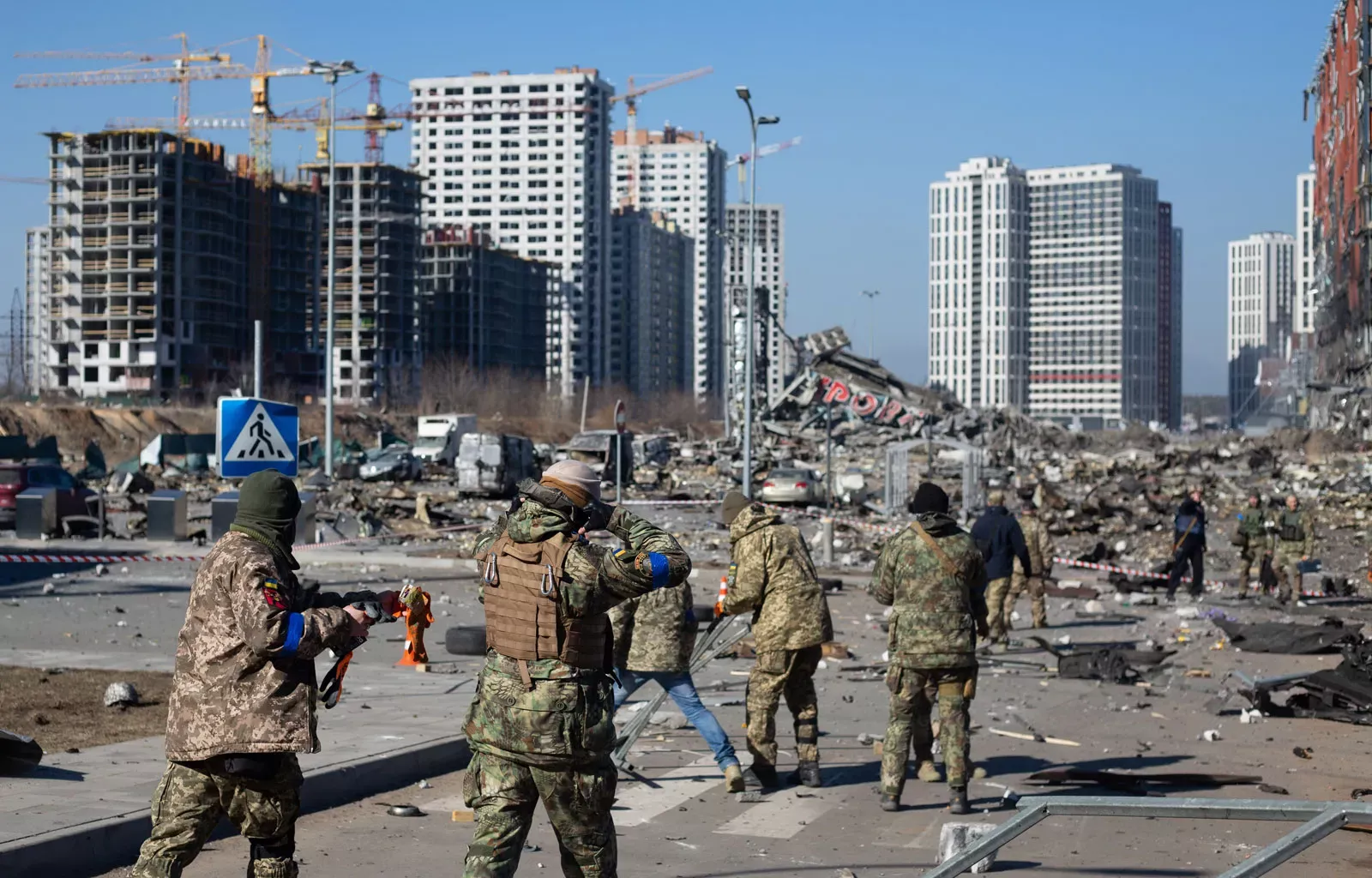
However, things are changing. Since the beginning of the invasion of Ukraine, Moscow has been taking various steps directed against Israel. For example, after Israel condemned Russia's aggression against Ukraine on February 24, 2024, Russian envoy to the United Nations, Dmitry Polyanskiy, stated that Moscow was "concerned about Tel Aviv's announced plans to expand settlement activities in the occupied Golan Heights, which is in direct contradiction to the provisions of the 1949 Geneva Convention," adding that Russia's position remains unchanged: "we do not recognize Israeli sovereignty over the Golan Heights, which is an inalienable part of Syria."
In January of this year, Moscow announced that its aircraft were patrolling along the "Bravo Line" on the Golan Heights, which serves as a separation zone between Syria and Israel. It should be recalled that Israel occupied part of the Golan Heights after taking it from Syria in 1967, and then annexed the territory, although the international community has never recognized this.
The deployment of Russian forces between Israel and Syria is precisely what Iran lacks in its plans to position itself on the Israeli borders without major losses. Israel claims that Iranian forces have been deploying along the border for years and pose a threat to Tel Aviv. Russia's presence in that part of Syria would provide the Iranians with much-needed protection from Israeli air and missile attacks.
New Risks
By attacking the Iranian consulate, Israel has sent a message to everyone in Syria that they can be targets, including high-ranking officials. Russia condemned the attack and called it "unacceptable," and many countries joined in the condemnation, stating that it was a violation of the Vienna Convention on Diplomatic Relations and a breach of international law.
Iranian Foreign Minister Hossein Amir Abdollahian stated that Iran holds the US "responsible" for the attack by the "Zionist entity." Other Iranian officials have announced revenge.
So far, Israeli attacks on Iranian officials have not gone unpunished, so there is no doubt that Tehran will take certain steps this time as well. What those steps will be is difficult to say, as is separating them from what Iran's allies in the region are already doing regularly. Namely, Iran supports Hezbollah, the Houthis, Shiite militias in Syria and Iraq, as well as official Damascus, in various ways. All of them strike blows against Israel in different ways.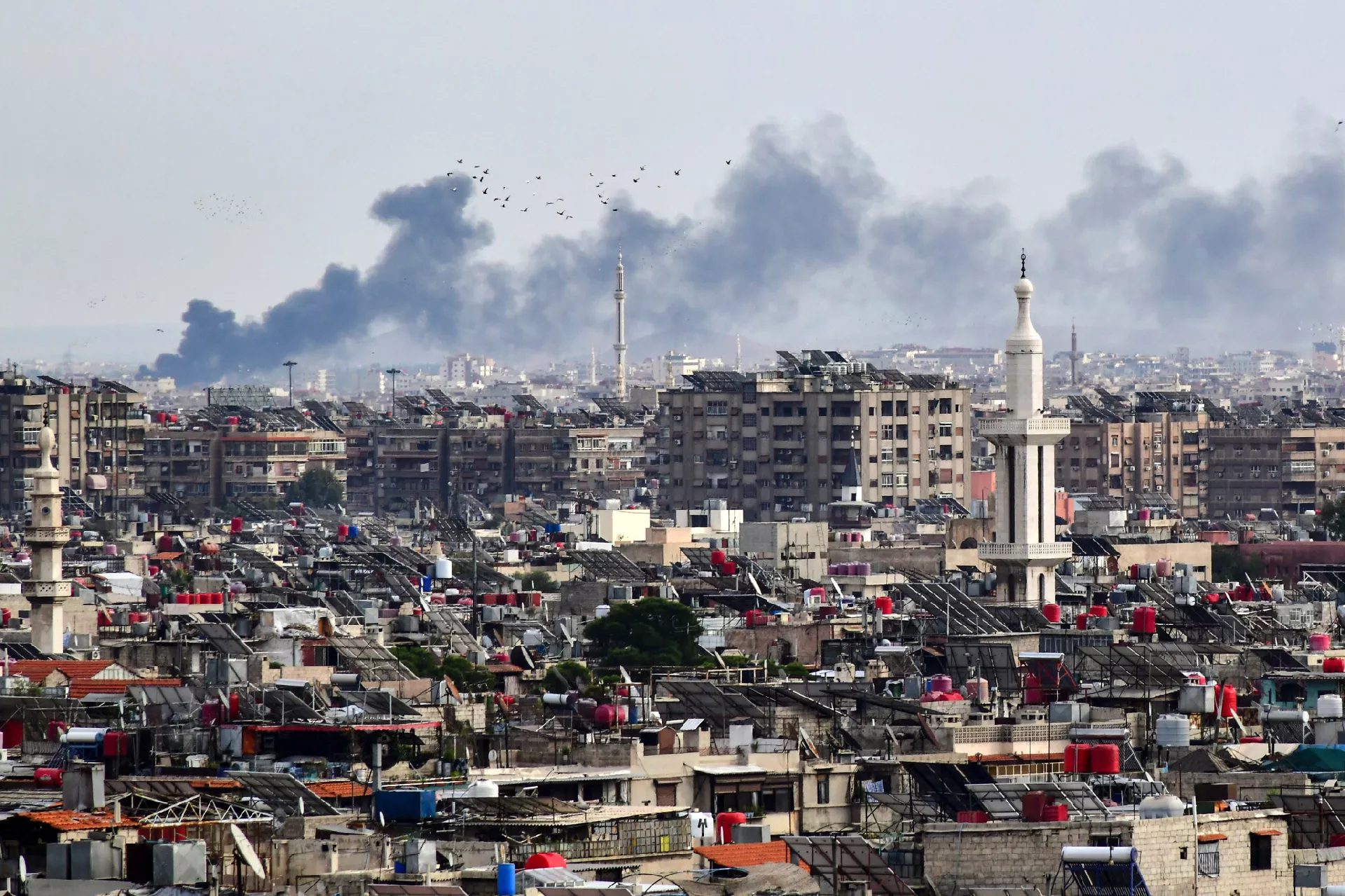
The killing of thirteen people, six from Iran and seven from Syria, indicates that Israel does not plan to stop pursuing its set goals. In the attack on the consulate, a high-ranking officer of the Iranian Revolutionary Guard, Mohammad Zahedi, lost his life, along with several of his colleagues. The residence of the Iranian ambassador in Damascus was also damaged in the attack. Let's recall that on December 25 last year, Israel killed Iranian General Razi Mousavi in Damascus in his residence.
The Israeli attack on the Iranian consulate could trigger a new spiral of violence, which many in the Middle East fear. The last six months show that in the conflict between Israel and Iran, anyone can be targeted anywhere. Essentially, this means that fewer and fewer people are protected, and the battlefield is getting larger. Therefore, Russia's and Iran's next moves in Syria, and their decision on whether to strengthen Damascus's defense capabilities and thus prevent Israel from carrying out attacks, should be closely monitored.
Komentari (0)
Prijavite se za komentiranje
PrijavaJos nema komentara. Budite prvi!
Minuta
Sve →Iz drugih kategorija

High Representative Not Elected: Germans, French and British Against Americans, New Attempt at End of June

ČOVIĆ WITHOUT MERCY: How Those Who Brought Ademović to Office Created a Political Hell for Him



Sunny Saturday, quite warm



Tragedy in Albanian resort: Two minors drown












