
By Armin Sijamić
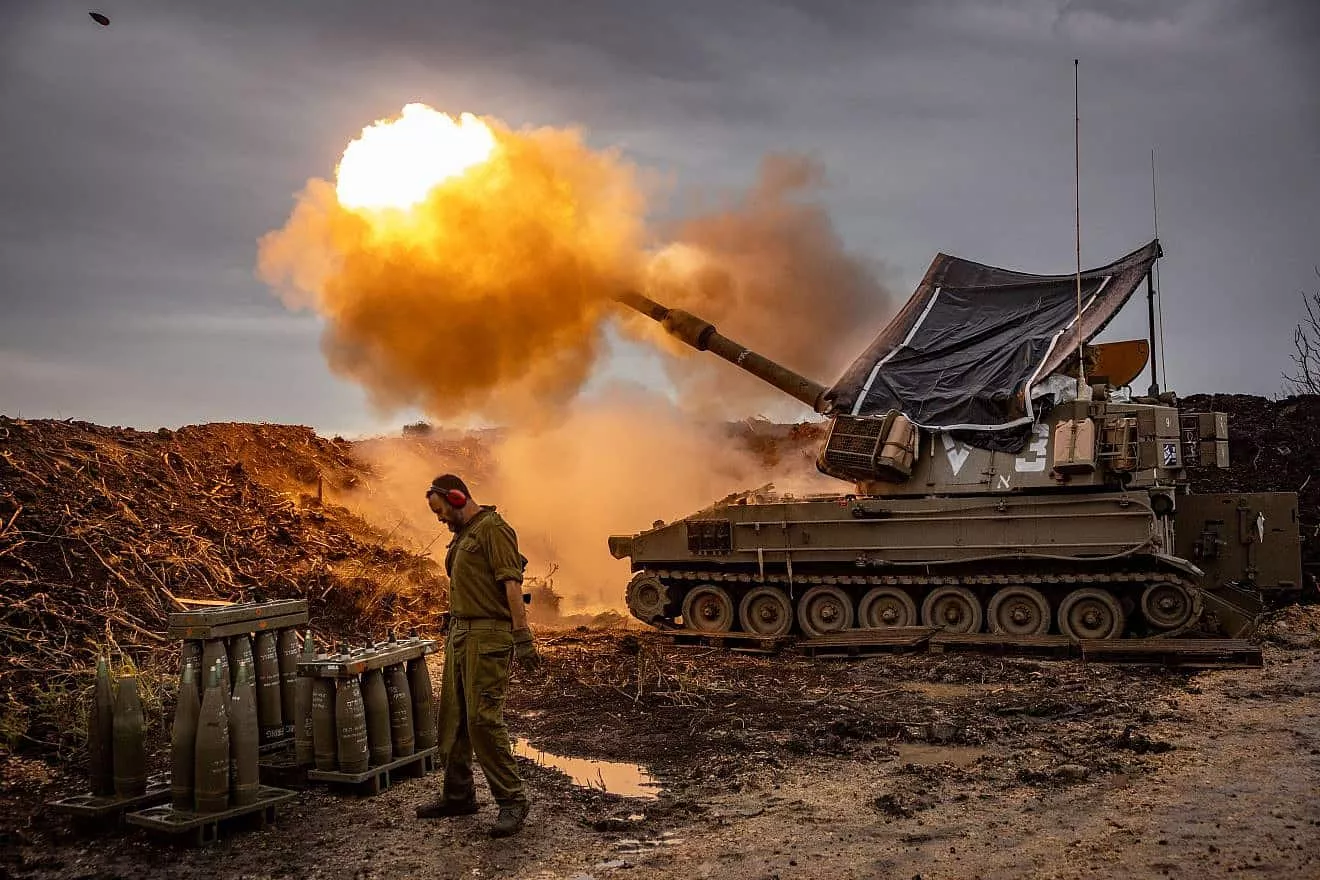
This week, Israel and the Lebanese Shiite movement Hezbollah are on the verge of what many have described as an open war, which further leads to a regional war. This war would involve several countries and likely prompt the United States to get involved and help Israel. But such a war is not in the interest of either Israel or Hezbollah, yet the war is being waged and intensified, and it will cost both sides dearly.
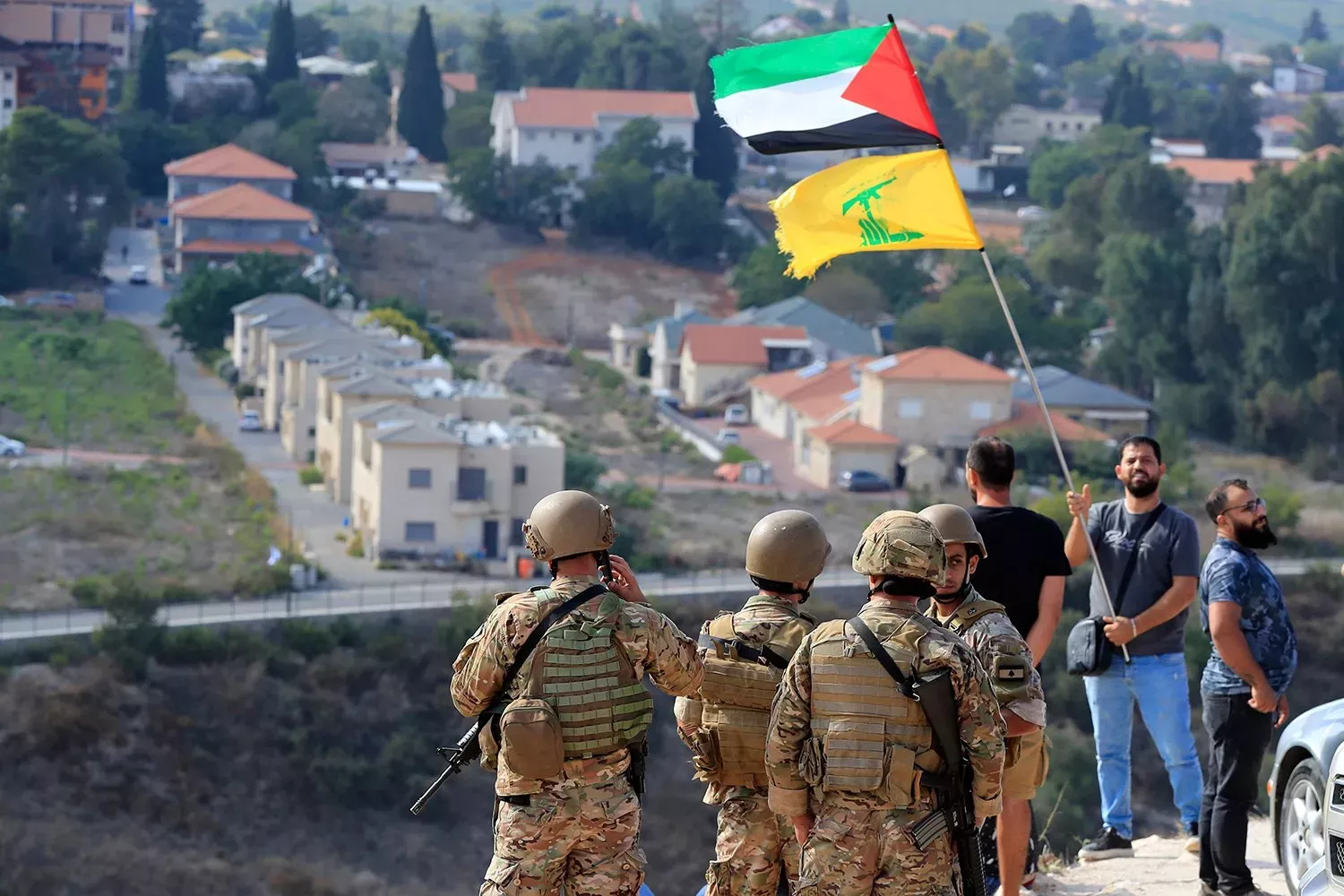
When Hamas attacked Israel on October 7 last year and then received Tel Aviv's response, Hezbollah decided to support the Palestinian movement, which, as they later explained, was a moral and religious duty, but also an important political victory in Lebanon and the Middle East. The very next day, Hezbollah targeted Israeli military bases, and after the first civilians were killed in Lebanon, it began attacking settlements. Hundreds of thousands of people on both sides of the border have been displaced.
This type of warfare suited Hezbollah, as they hit Israeli military bases with cheap missiles and destroyed the most advanced equipment the country possesses. Due to the short distance between the two armies and increasingly better technology, Israel could not stop the attacks, and Hezbollah expanded its list of targets.
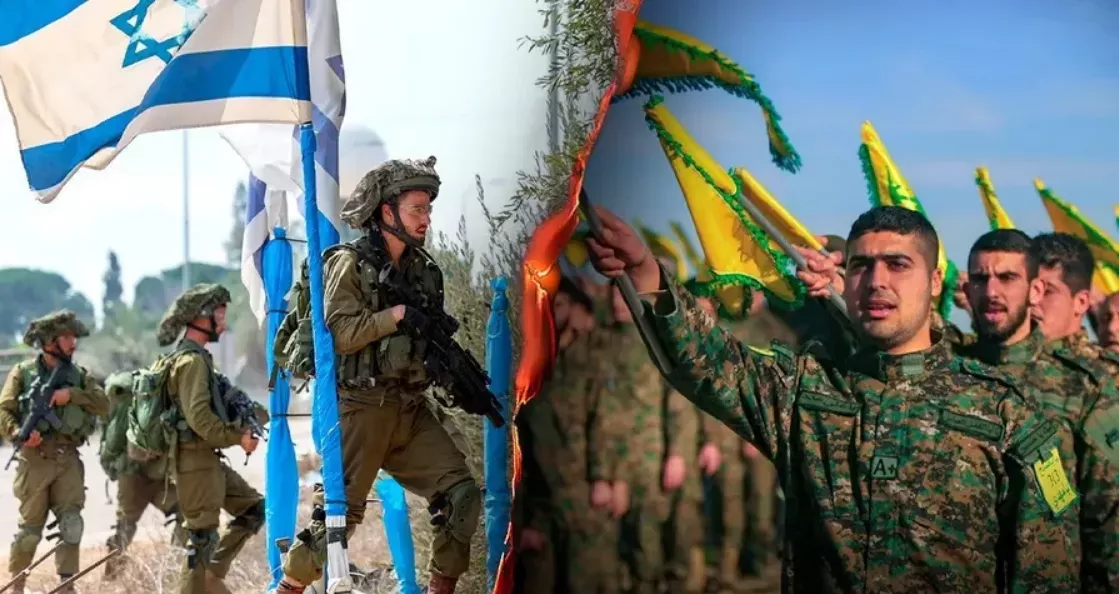
As a response to these attacks, Israel targeted Hezbollah and pro-Iranian leaders across the Middle East, an operation that could satisfy both the military and the public. However, Hezbollah cannot be defeated in this way, and this was clear to the Israeli military, which, according to media reports, warned Benjamin Netanyahu that the operations were not yielding the desired results.
Thus, in the eleventh month of the war, Israel decided to raise the stakes and launch an operation whose consequences would be felt throughout the Middle East, turning the choice of device by each individual into a matter of their own safety.
New wave of attacks
Regardless of how much damage that move caused Hezbollah, it did not bring them to their knees. Reports say that members of the most important combat units were not harmed, but mainly people within the movement who perform other types of jobs, often far from the front. Hezbollah Secretary General Hassan Nasrallah said that they received a message through intermediaries that the attack was carried out to force them to abandon their support for the Palestinians and Hamas.
Hezbollah rejected this possibility, telling Netanyahu that displacement would not bring people home and that the attacks would continue as long as Israel attacked the Gaza Strip. Israel then launched a bombing of Lebanon in which about 600 people lost their lives in just two days. Previously, leaflets were dropped from planes calling on the population to evacuate, and officials claimed that Hezbollah rockets were located in houses. Densely populated Beirut was also bombed several times. This move by Israel is reminiscent of operations in the Gaza Strip, when they claimed that Hamas tunnels were located under various buildings. Many buildings were razed by American bombs, which carry almost a ton of explosives.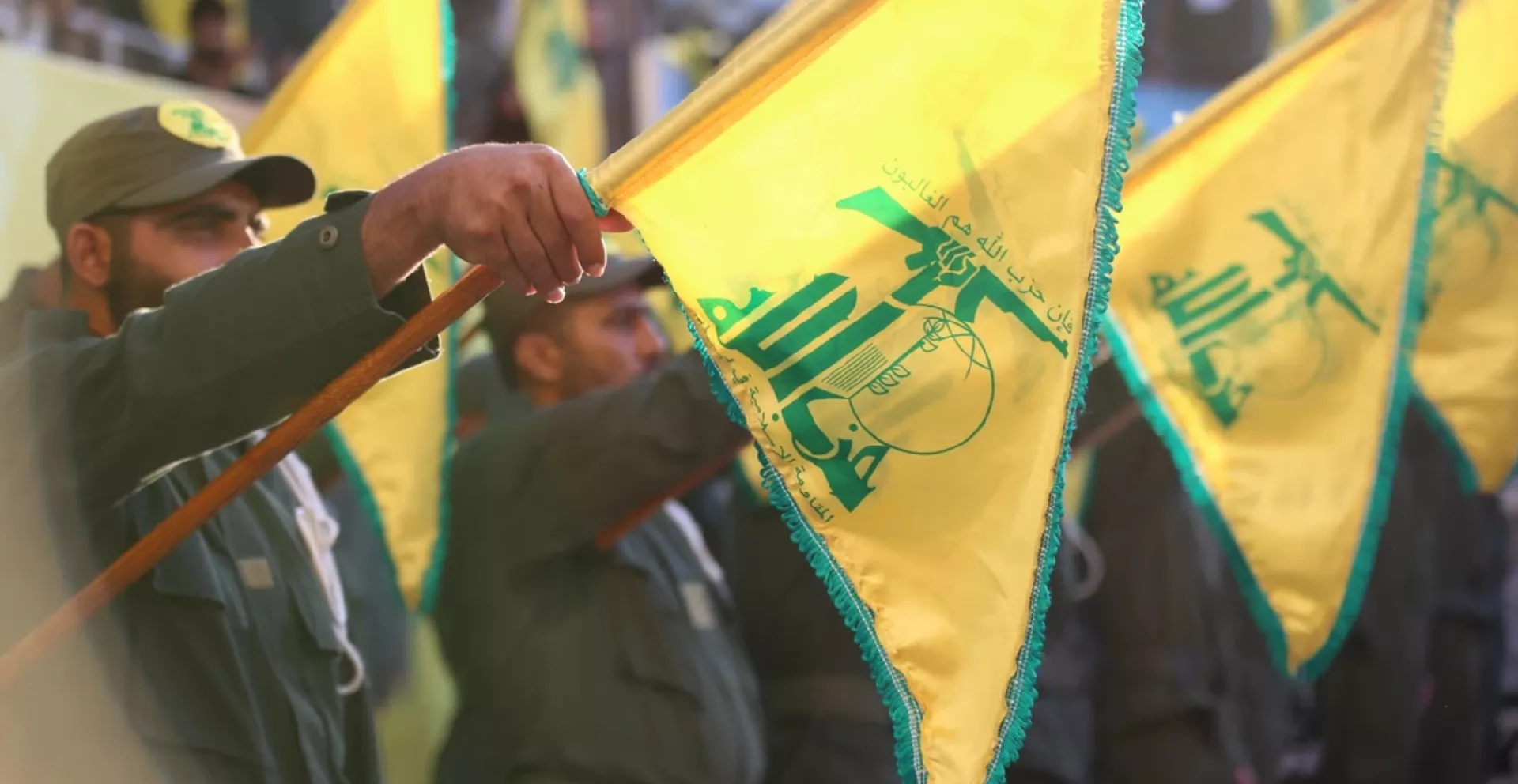
Then Israel said it had hit hundreds of Hezbollah rocket launchers and had reversed the group's progress since their last war in 2006, when the Lebanese movement won. Israel targeted the area along the border, looking for launchers. Hezbollah then targeted sites up to Haifa, increasing the range of its attacks. This indicates that Israel's claims about hundreds of destroyed launchers are not true, as Haifa was targeted with larger projectiles than the border areas, and these are harder to hide than smaller ones.
This move also resembles previous operations. Namely, in 2006, Israel bombed alleged Hezbollah positions and claimed to have destroyed them. Soon, everyone realized that this had not happened, and Hezbollah forced Israel to withdraw from southern Lebanon. After the pager explosion last week, Nasrallah said it would be a "historic opportunity" for his movement if Israel launched a ground invasion.
To peace in Gaza or to a regional war?
Many claim that Israel will launch a ground invasion of southern Lebanon, even if it is symbolic, to show that Hezbollah has been pushed back from the border. Some claim that Hezbollah could invade northern Israel using the same model. The majority believe that Israel will not invade Lebanon, as this would mean entering territory where Hezbollah has the advantage. They argue that the Israeli army is exhausted by the war in the Gaza Strip and would not be able to wage a protracted war in Lebanon.
Therefore, more and more people are saying that Netanyahu is adhering to the principle of "escalation for de-escalation," which in its simplest explanation means inflicting a heavy blow on the opponent and then seeking concessions at the negotiating table. Hezbollah knows this, but has tied its own hands with the stance that it will stop attacking Israel when the attacks on the Gaza Strip cease. On the other hand, Israel has repeatedly stated that what it agrees with Hamas does not apply to Hezbollah and has promised its public that it will defeat them.
This does not imply the final military defeat of Hezbollah. The case of Hamas in the Gaza Strip shows how difficult that is. Unlike Hamas, the Lebanese movement is not surrounded and has land routes to Syria and further to Iraq and Iran behind it. This means it can receive help. Israel sees Hezbollah's defeat in the withdrawal of the group's fighters across the Litani River, which would mean they would move thirty kilometers away from the Lebanese-Israeli border, and the return of Israeli residents to their homes in the north.
In the past two days, Hezbollah has not been idle. They have allegedly targeted Israeli military airports, ammunition factories, military bases... Some reports say that hundreds of thousands of people spent nights in shelters and that factories and schools are not operating. There are no reports of mass civilian casualties like in Lebanon.
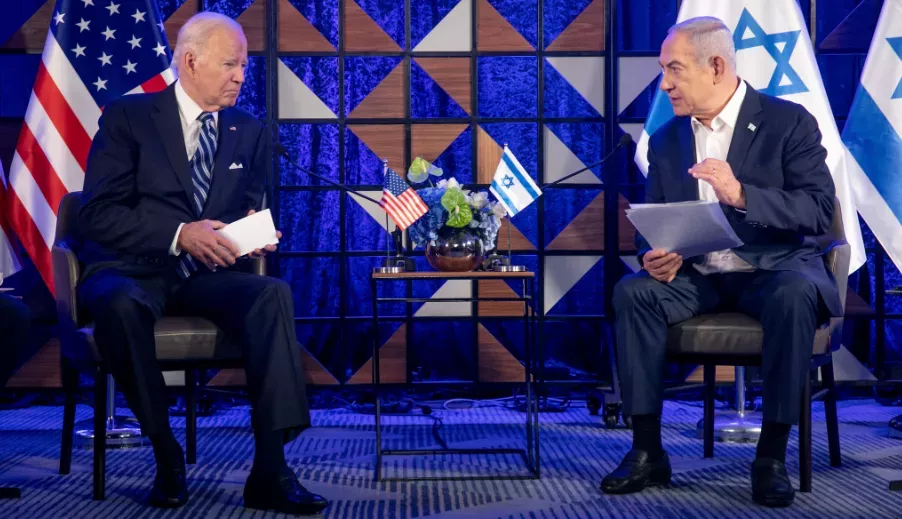
Hezbollah's ability to strike deeper into Israel, after the Israeli army's claims that they destroyed hundreds of their rocket launchers, indicates that they have not yet used their best missiles. These are deeply buried in special silos and cannot be easily destroyed. The use of these missiles will depend on Netanyahu's "escalation for de-escalation" approach, i.e., the dosage of the response. It should be kept in mind, as US President Joseph Biden also said, that it is still possible to stop this war.
Hezbollah is aware of this. When targeting Israel, they keep in mind that US forces would defend their ally if it suffered too much damage, just as they defended it during the Iranian attack in April. On the other hand, drawing Iran into a war against the US would be a great success for Israel. Hence the more conciliatory messages from Washington and Tehran, as neither side needs a war in Lebanon, which began because of the war with Hamas, which is not among Iran's close circle of Middle Eastern allies.
The war between Israel and Hezbollah has reached a turning point from which it is possible to move towards a full-scale war, a war with limited capacity (which we have witnessed for eleven months), or to reach a diplomatic agreement. Netanyahu decides, as he has Biden's peace plan for Gaza before him, which Hamas has accepted. If the war in the Gaza Strip ends, Hezbollah will lose its reason to attack Israel.
While Netanyahu decides, the fighting will continue according to the current scenario, and it is impossible to break the opposing side with air strikes or missile attacks alone. The continuation of the war at this intensity also raises the question of who can endure more, i.e., whether a part of the population will rebel against Netanyahu or Hezbollah, as all activity, including economic activity, is ceasing in increasingly large areas of Lebanon and Israel. Poor Lebanon and Lebanese civilians could become the biggest victims.
Last night, Lebanese Foreign Minister Abdallah Bou Habib said that the US is "the only country that can really make a difference in the Middle East regarding Lebanon." This is true, as only Washington can influence Israel. Otherwise, things could get out of control, and neither side can be sure of winning that war, knowing that in any case, there will be heavy losses.
Komentari (0)
Prijavite se za komentiranje
PrijavaJos nema komentara. Budite prvi!
Minuta
Sve →Iz drugih kategorija

High Representative Not Elected: Germans, French and British Against Americans, New Attempt at End of June

ČOVIĆ WITHOUT MERCY: How Those Who Brought Ademović to Office Created a Political Hell for Him



Sunny Saturday, quite warm



Tragedy in Albanian resort: Two minors drown












