
By Armin Sijamić
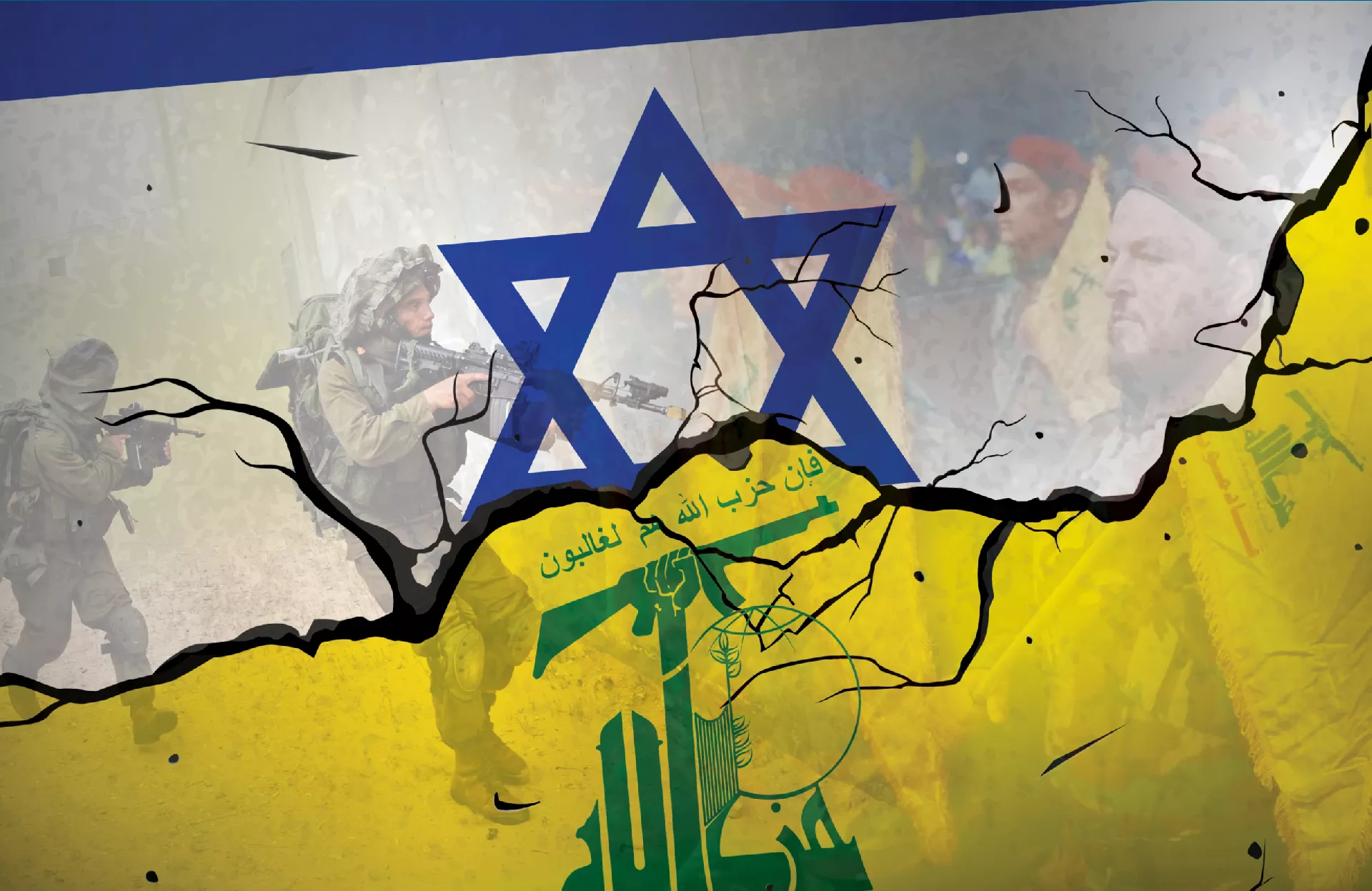
For eight months, the Israeli army and Hezbollah have been exchanging fire across the state border in northern Israel and southern Lebanon. But in recent days, there has been increasing talk that Israel is ready for an all-out attack on Hezbollah, a scenario that the United States wants to avoid.
The day after Hamas attacked Israel on October 7, Hezbollah began exchanging fire with the Israeli army. Just like the Yemeni Houthis, Hezbollah gave support to Hamas, which is not part of the Shiite axis centered around Iran. But unlike the Houthis, who are being dealt with by the American and other allied navies, Hezbollah is Israel's problem.
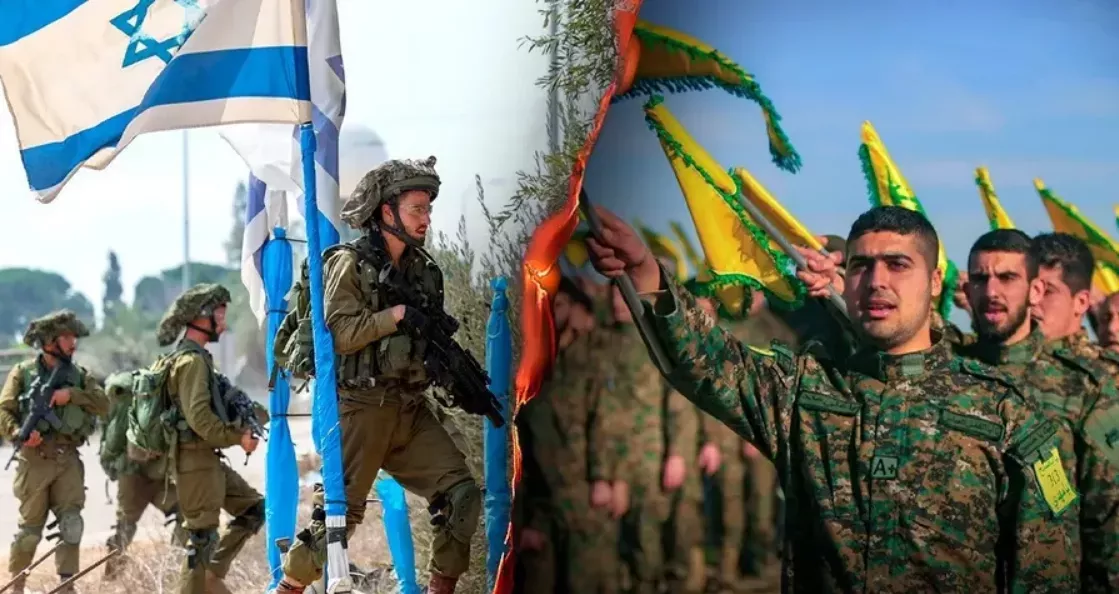
However, Israel is not eager to go to war with Hezbollah, which defeated them in the 2006 war, as the movement has strengthened in the meantime, while the Israeli army has been engaged with the weak Hamas in the Gaza Strip for eight months. Moreover, Hamas is completely surrounded, while Hezbollah has an open route to Syria and further towards Iraq and Iran, from where they can receive assistance. Last week, Hezbollah announced that it had carried out more than 2,100 operations against Israel since October 8.
The events in northern Israel demand a response, as Hezbollah has inflicted heavy blows. In addition to hitting military bases, observation posts, and outposts, Hezbollah's constant attacks have displaced hundreds of thousands of Israelis and crippled the local economy and tourism. In recent months, in response to Israeli strikes on civilian targets in Lebanon, Hezbollah has targeted cities and villages, and both sides have accused each other of deliberately starting fires that destroy forests and vegetation.
American Concern
If we recall the beginning of the war in the Gaza Strip, we will also remember the warnings that US President Joe Biden gave to Iran and its allies in the region. "Don't," he urged. The Biden administration sought to prevent the conflict from spreading across the Middle East and failed, as Hezbollah, the Houthis, and Shiite Iraqi militias attacked Israeli and American targets.
Hezbollah did not back down even when American aircraft carriers were off the coast of Israel, and the Iraqi Shiites reduced their activity after American attacks. The key American goal, avoiding a direct conflict with Iran, either by them or Israel, also did not materialize, as Iran attacked Israel.

Although Prime Minister Benjamin Netanyahu has clashed with Biden, some coalition partners, and the opposition, and has even criticized the army, the authorities in Tel Aviv are not abandoning their goals, which are unclear to many. Yesterday, the Israeli army announced that "as part of the situational assessment, operational plans for an offensive in Lebanon have been approved and confirmed."
"We are very close to the point where we will decide to change the rules of the game against Hezbollah and Lebanon. In a total war, Hezbollah will be destroyed, and Lebanon will be severely hit," said Israeli Foreign Minister Israel Katz.
US Special Envoy for the Middle East and Biden's advisor Amos Hochstein was in Lebanon yesterday, a day after meeting with Israeli leaders, seeking an "urgent" de-escalation on the Israeli-Lebanese border. At the end of April, French Foreign Minister Stéphane Séjourné attempted the same.
A full-scale war with Hezbollah would be more intense than the one in the Gaza Strip, which the American administration wants to avoid for several reasons. First, in an election year, Biden does not want another war involving his country. Second, this war could spread to the region and cause a catastrophe of unprecedented proportions. Third, every new day of conflict pushes Israel and Arab states further away from normalizing relations, which Washington insists on. Fourth, the poor relationship between Biden and Netanyahu complicates America's relationship with its closest ally, while American society is increasingly divided.

Hezbollah's Stance
In Beirut, it is clear to everyone that the city and all of Lebanon would suffer severe destruction in the event of an Israeli attack, as has happened before. In previous clashes, Israel did not hesitate to hit any location or target, causing enormous material damage to Lebanon and claiming many civilian lives.
This is also clear to Hezbollah, which, however, is not backing down and is telling Israel that it is ready for any attack and will face a response like never before. What Hezbollah is aiming for is not entirely clear, but those who know the situation on the ground say that Hezbollah has hundreds of thousands of rockets that are better than Hamas's and that Shiite militias from other countries can come to its aid.
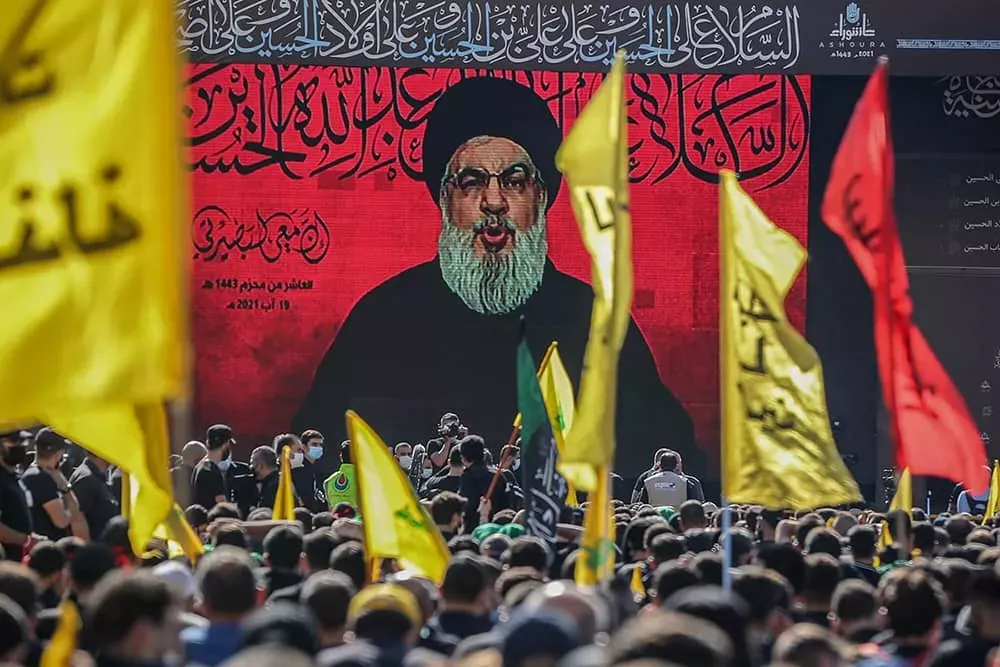
Hezbollah showed some of its capabilities yesterday, intending to humiliate Israel and its air defense. Hezbollah released a nine-minute video that raised many questions. It features a drone flying over Israel and identifying potential targets, even in the port of Haifa, which is 27 kilometers from the Lebanese border, confirming the words of Hezbollah leader Hassan Nasrallah, who said in November that he was sending drones over Haifa. The mayor of Haifa, Yona Yahav, said yesterday that the video was "psychological terror for the residents of Haifa and the north."
Even earlier, Nasrallah made much more dangerous statements for Israel. He claimed that Hezbollah could hit the Dimona nuclear reactor, refineries, and other strategically important locations. The footage released by Hezbollah a few weeks ago, showing the group destroying Israeli air defense systems, namely the "Iron Dome," also suggests that these words should be taken seriously.
Diplomacy or Weapons?
The Americans understand how Netanyahu would behave in a new war. Protected by the American umbrella, he shows no sign of wanting any agreement other than one that means complete Israeli victory. He has previously told Washington that Israel will fight, even if it is left alone, after demands to stop the attack on the city of Rafah. On the other hand, Iran has shown in recent years that it will not sit idly by while its interests are ignored.

Netanyahu is elusive to the American administration, publicly opposing Biden and Secretary of State Antony Blinken, whom he accused yesterday of delays in arms deliveries. At the same time, some American Republicans support Netanyahu more than their own president, so they invited the Israeli prime minister to address Congress, even though the White House did not invite him for a visit.
"We have seen an escalation in the last few weeks. And what President Biden wants to do is avoid further escalation into a larger war," Hochstein said yesterday. "The conflict... between Israel and Hezbollah has been going on long enough," he said in Beirut, meeting with the Prime Minister, Speaker of Parliament, and Chief of Staff of the Lebanese Army. "It is in everyone's interest to resolve this quickly and diplomatically – it is both achievable and urgent," he added.
"Whether diplomatically or militarily, one way or another, we will ensure the safe return of Israelis to their homes in northern Israel. This is not up for negotiation. October 7 cannot be repeated anywhere in Israel or on any of Israel's borders," said Israeli government spokesperson David Mencer.
Mencer's comment is a kind of message to Hochstein, but also to Hezbollah, which said it would cease fire the moment Israel stopped attacking the Gaza Strip. Tel Aviv previously responded to Hezbollah's formulation by stating that any agreement in the Gaza Strip does not apply to that Lebanese group, which further complicates mediation and convincing Netanyahu to reach peace with Hamas.
Komentari (0)
Prijavite se za komentiranje
PrijavaJos nema komentara. Budite prvi!
Minuta
Sve →Iz drugih kategorija

High Representative Not Elected: Germans, French and British Against Americans, New Attempt at End of June

ČOVIĆ WITHOUT MERCY: How Those Who Brought Ademović to Office Created a Political Hell for Him



Sunny Saturday, quite warm



Tragedy in Albanian resort: Two minors drown












