By Armin Sijamić
On Sunday, presidential elections were held in Venezuela, in which, according to official results, the current president Nicolás Maduro Moros won. The united opposition refuses to accept the results, claiming that their candidate Edmundo González Urrutia is the winner of the election.
Another election in Venezuela has passed in a similar scenario to the last decade. Maduro claims victory, and the opposition claims to have been robbed. The candidates' performances were almost the same. Maduro claims the opposition is a servant of Washington and big capital, while the opposition claims the country is heading for disaster.
In divided societies, both sides often exaggerate their assessments, but voters in Venezuela are choosing between two sides. There are no forces emerging that will say they will retain the good aspects of Maduro's rule and change the bad ones.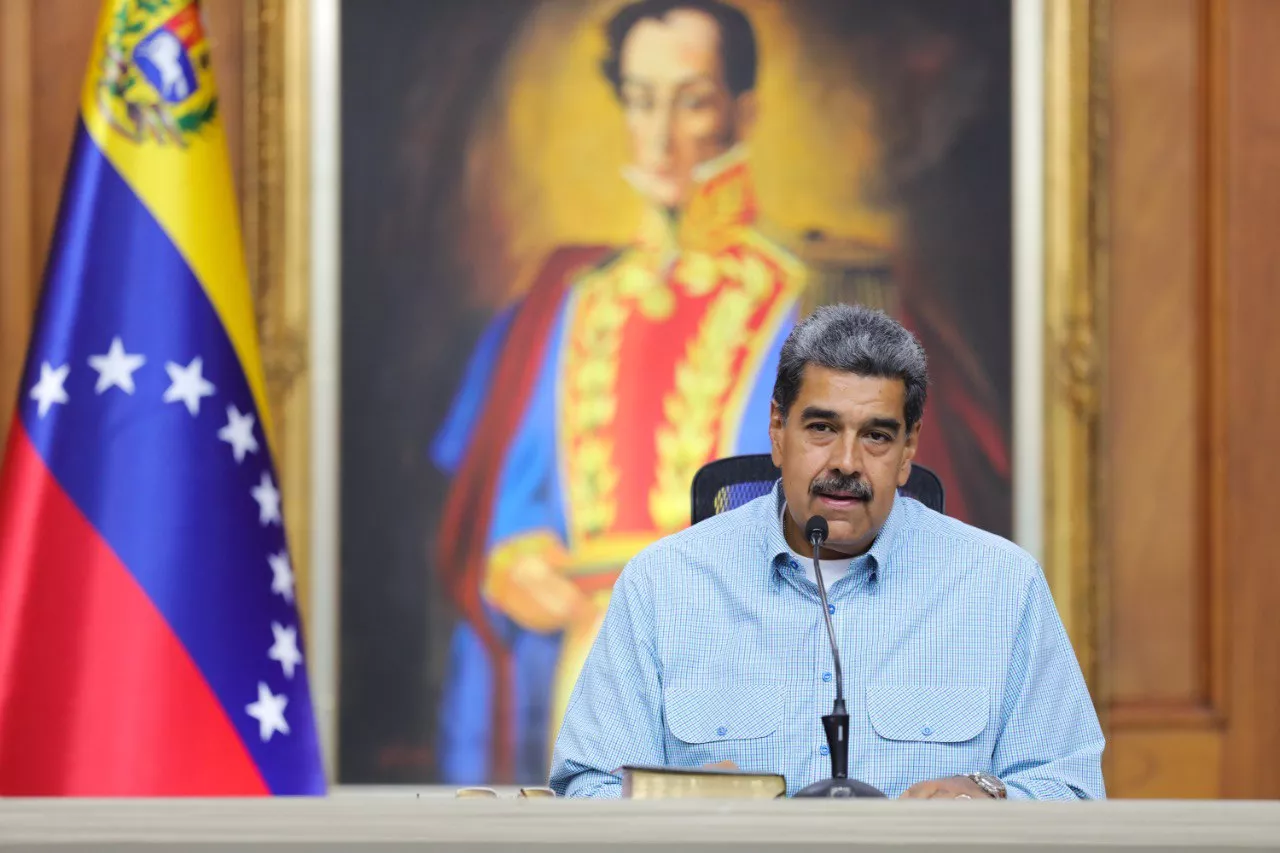
Chávez's Legacy
Although it may sound like blasphemy in the West, it must be said that Maduro had positive aspects during his rule, or rather, he rode on the achievements of his predecessor Hugo Rafael Chávez Frías. For example, before Chávez came to power, millions of residents had never had the opportunity to be treated by a doctor, even though the country was doing better in absolute terms than today. Profits from oil sales remained in the hands of a narrow circle of people, while millions benefited nothing from it.
Chávez remains Maduro's main support, although from this perspective, it can be said that the current president is one of the former's biggest mistakes. Maduro's failures are enormous, and the opposition rightly criticizes him for many things. The former bus driver, who rose to prominence through labor unions under Chávez, lacks the skills to successfully govern a country like Venezuela.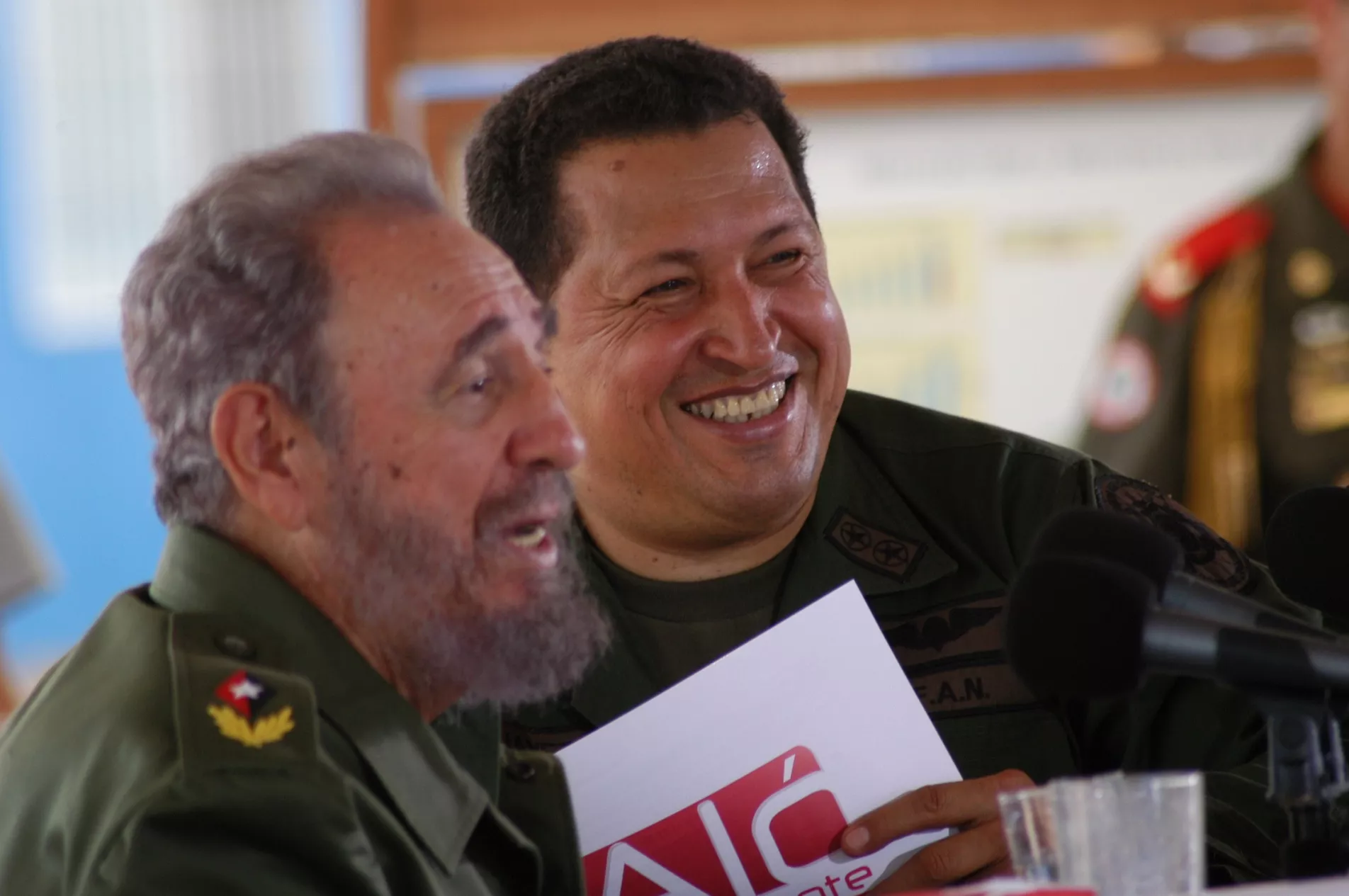
Maduro blames Washington and sanctions for all misfortunes, which is partly true. But his government has proven incapable of producing even fuel, so Iran had to save them with shipments, and the stores were empty. Although this is also a consequence of sanctions, there is no excuse why Venezuela has not developed poultry farming when the country lacked meat and eggs. Or why a country located in the Amazon cannot produce toilet paper, even in years when a left-wing government close to him was in power in neighboring Brazil.
In addition, gangs are rampant on the streets of Venezuela, and there have been years when the murder rate in the country was comparable to the murder rate in Iraq or Libya, where war was raging. After a new round of sanctions imposed by then-US President Donald Trump, more than five million people left the country, crossing into neighboring Colombia, while cross-border crime of all kinds is developing.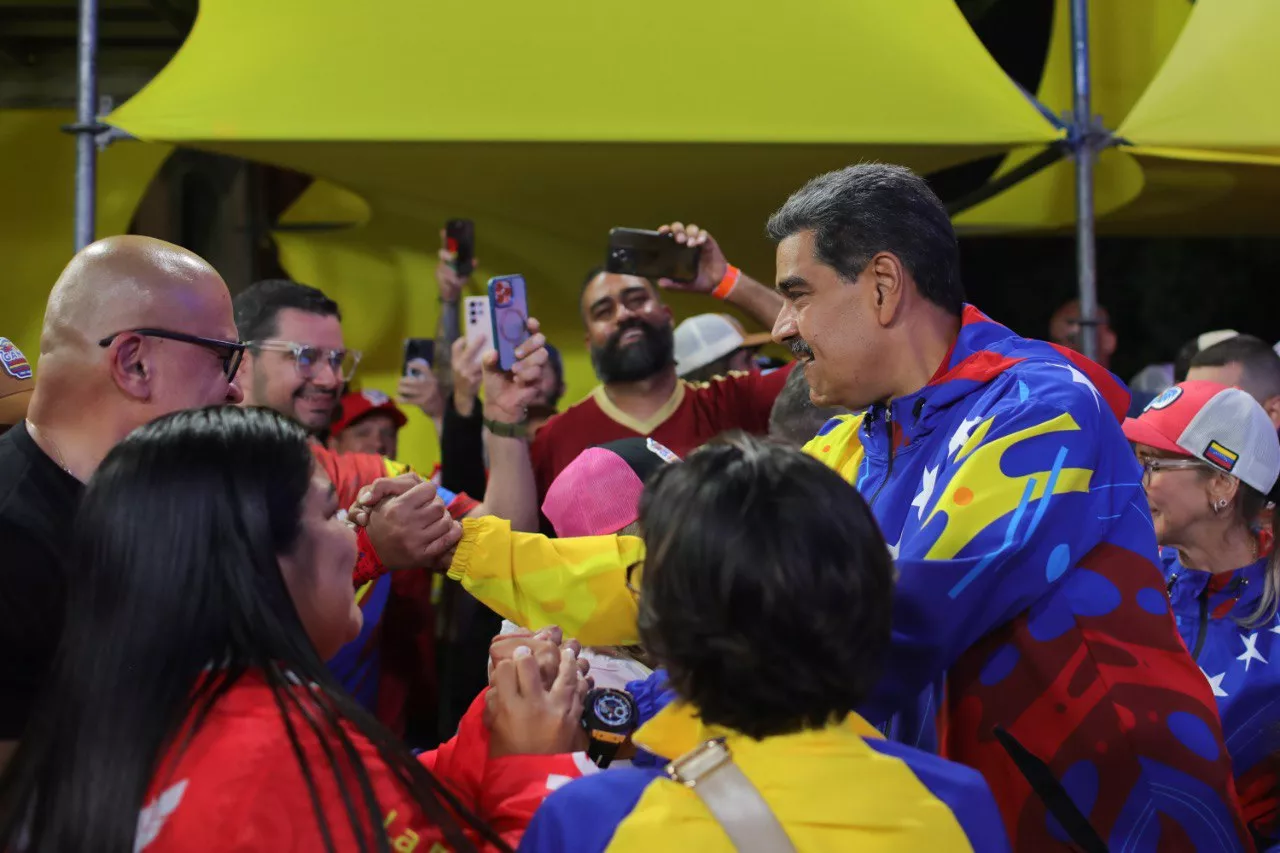
Pro-Western Opposition
In his struggle with the opposition, Maduro lacks creativity. He treats them from a position of power, accusing them of treason and serving Washington, continuing the path of Juan Gerardo Antonio Guaidó Márquez, whom the West recognized as the President of Venezuela and later largely withdrew that recognition.
This narrative is strengthened by the opposition, as was evident before these elections. María Corina Machado Parisca won the election for the opposition presidential candidate, but the authorities banned her from running, allegedly for previously calling for intervention against Venezuela and seeking sanctions. Machado Parisca then supported the little-known González Urrutia as a candidate.
Machado Parisca has been in politics for many years, and her policy has always been to defeat "Chavismo," the policy founded by the former president and poorly continued by Maduro. Maduro used her alignment with the West and her call to confront the policy that provided millions of people with homes, healthcare, and education to build a voter base around him that consistently gives him a large number of votes, regardless of the country's situation.
In October last year, Maduro agreed with Washington to improve electoral conditions and, in return, received a six-month suspension of some sanctions on oil sales. This money came in handy before the elections, before the sanctions were reimposed after the deadline expired.
Geopolitical Game
The government claims that Maduro received slightly more than 51 percent of the votes in the election, and González Urrutia received 44 percent. The opposition claims their candidate received 72 percent of the votes. Supporters of both the government and the opposition took to the streets. While the government claims this is a new color revolution supported from abroad, which has been initiated several times in Venezuela, the opposition claims to be defending the popular will.
Shortly after the results were announced, three blocs emerged in the region and the world. Some supported Maduro, others the opposition, and a third group called for a transparent vote count. However, such a count is now impossible to conduct without at least one side having doubts. Russia, Cuba, Bolivia, Honduras, Nicaragua, and others stood behind Maduro. The USA, Argentina, Chile, Peru, Costa Rica, El Salvador, and others stood behind the opposition. Brazil, Mexico, Colombia, and Spain called for additional verification of the results.
“The people of Venezuela voted peacefully and in large numbers on the future of their country. Their will must be respected. Ensuring full transparency in the electoral process, including a detailed vote count and access to polling station records, is vital,” said the EU's High Representative for Foreign Affairs and Security Policy, Josep Borrell, essentially summarizing the election day, the continuation of what is likely to follow, and how the election results will be treated, i.e., whether Maduro will have the strength to remain in power for his third six-year term.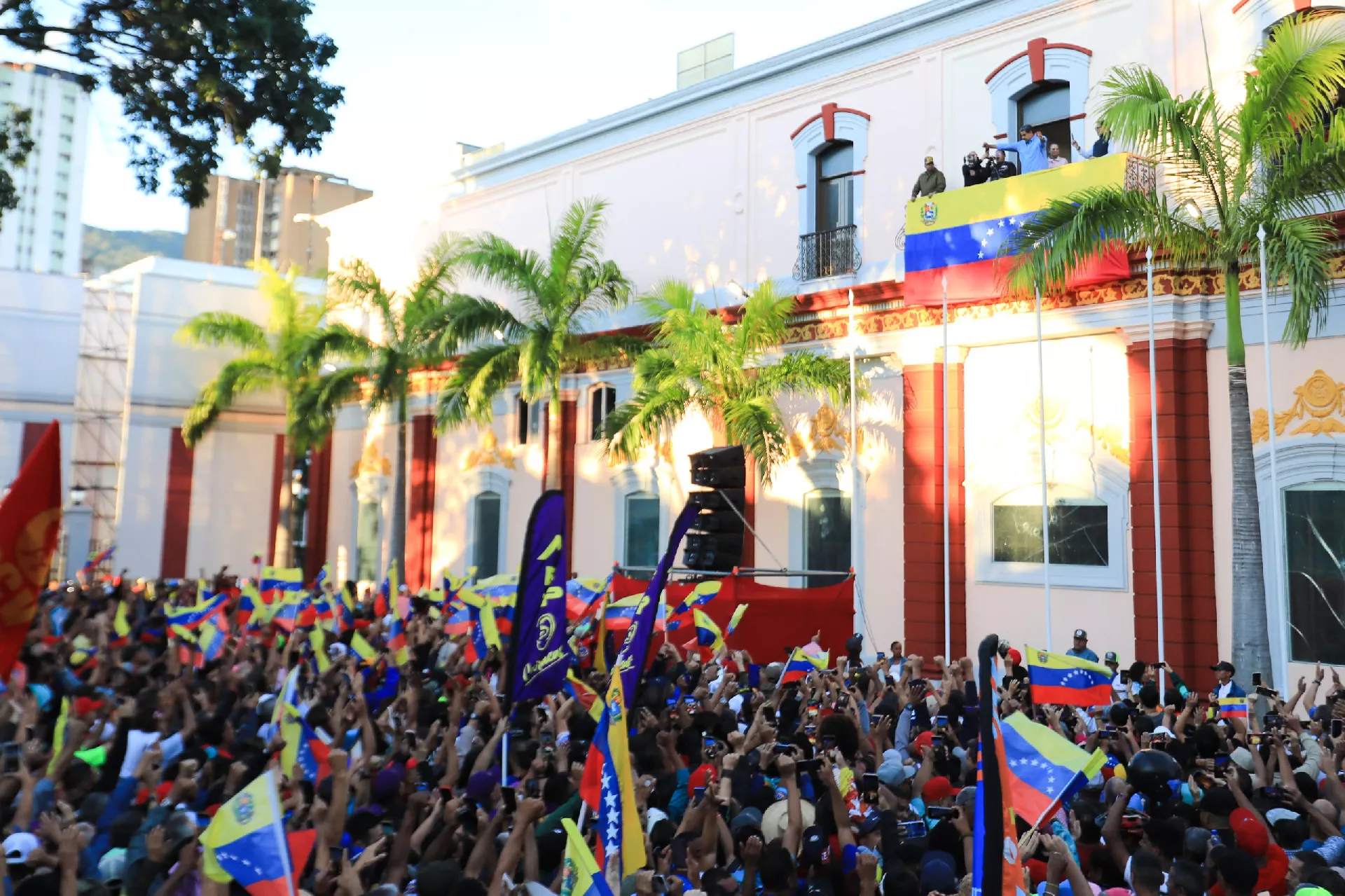
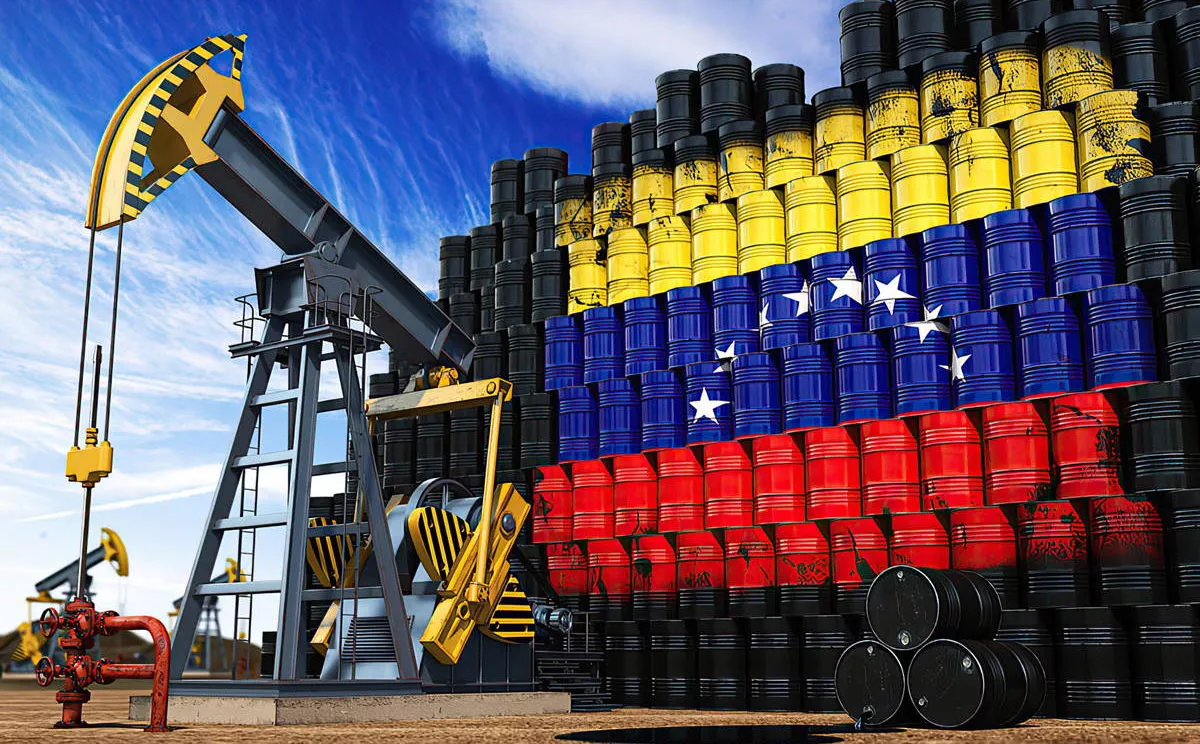
Venezuela's suffering continues. The country with the world's largest proven oil reserves will continue to suffer from extreme poverty, where monthly wages vary from a few to several hundred US dollars over twenty months. Paradoxically, because of oil. Thus, Petróleos de Venezuela, S.A. (PDVSA) has become the most important factor in policy towards that country.
That oil is a magnet for the US and China, but also for Russia. When the West imposed sanctions on Russia for its aggression against Ukraine, Washington's idea was for Venezuela to fill the gap in the market, especially for the United States, as had been the case before. But there was no agreement with Maduro, partly due to his demands for the lifting of all sanctions and non-interference in Venezuela's affairs, meaning an end to support for the opposition, and partly due to opposition in Washington, especially from Trump's supporters.
Since Sunday, people have been on the streets of Venezuela, and no one is sure how the situation will unfold. But what is certain is that Maduro will not give up power unless forced to do so, which he will once again explain by the need for "Chavismo" to live on. When he began his presidential campaign in 2013, he stated that a bird had flown into his chapel, where he was praying alone, and that it was Chávez giving him his blessing. Whether someone will come to him in his prayers this time is unknown, but if they do, they will surely tell him that he is better than the opposition and that the people and the army must defend the president, who has been living off his predecessor's glory for ten years. That will be enough for many to support him again.
Komentari (0)
Prijavite se za komentiranje
PrijavaJos nema komentara. Budite prvi!
Minuta
Sve →Iz drugih kategorija
High Representative Not Elected: Germans, French and British Sabotaged Americans, New Attempt at End of June
ČOVIĆ WITHOUT MERCY: How Those Who Brought Ademović to Office Created a Political Hell for Him

Sunny Saturday, quite warm
Tragedy in Albanian resort: Two minors drown