
By Armin Sijamić
After years of threats to directly attack Israel, Tehran did so on the night of April 13-14. That date will be remembered in history as one of those dates that mark the beginning of the end of one era or the beginning of a new one. Iran dealt Israel a blow that few expected and showed hundreds of millions of people in the Middle East on what foundations the current order in that part of the world rests.
Regardless of what Western officials say about it, and regardless of whether the Iranian attack on Israel is considered proportional and appropriate, Tehran did what any self-respecting state would do. "Strategic patience," as stated by Tehran, has ended, and the last straw was the Israeli attack on the Iranian consulate in Damascus. That de facto declaration of war on Iran by Israel, as part of the risky policy pursued by Prime Minister Benjamin Netanyahu, reached its peak on the night of April 13-14 when Tehran carried out an operation it had long prepared.
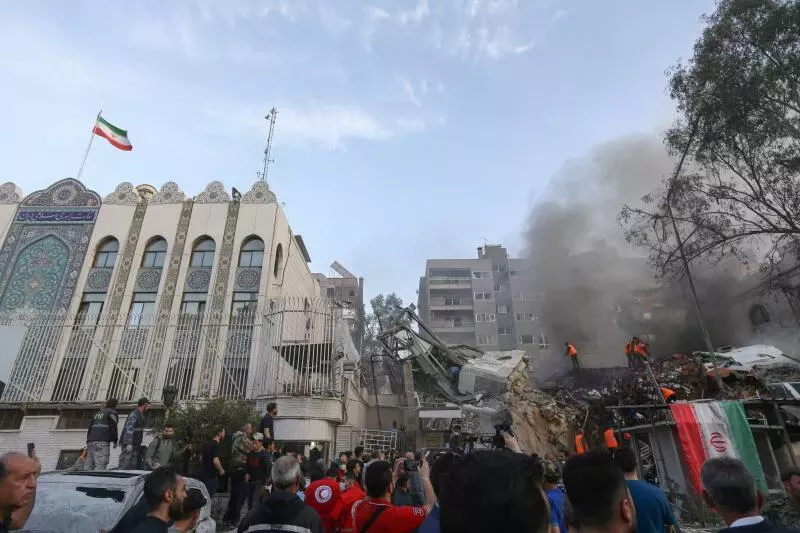
Tehran stated that they waited two weeks for the United Nations Security Council to condemn the attack on the Iranian diplomatic and consular mission, but it did not happen. It would be naive to believe that Tehran could not have anticipated this. Simply put, the United States, the United Kingdom, and France view Israel differently than other Middle Eastern countries.
The Iranian response was carefully prepared, as admitted by Iran itself. For days, they consulted with regional states and sent messages to Washington. Then, 72 hours before the attack, they informed many that they would launch an attack. Thus, Iran prepared the ground and then launched an attack that was politically successful, and many claim it was even more successful militarily.
The administration of Joseph Biden understood what Tehran wanted and entered a game where they protected an ally (Israel) and allowed a regional power (Iran) to further establish itself as a factor on the ground without American soldiers having to fire.
Operation "True Promise"
When politics set the stage, then Iranian military formations and Shiite allies from Lebanon, Syria, Yemen, and Iraq entered the scene. They showed that they can act in a synchronized manner, which is a nightmare for Iran's enemies. The operation "True Promise" was launched, according to Iranian media.
The details of the attack are not yet known to the public, but some outlines are visible from what has been released. First, Middle Eastern countries were informed that an attack was imminent, and they closed their airspace. Then, Iranian hackers attacked Israel's power grid and reportedly left some parts of the country in darkness, previously spreading panic among Israelis who had been expecting an attack for days.
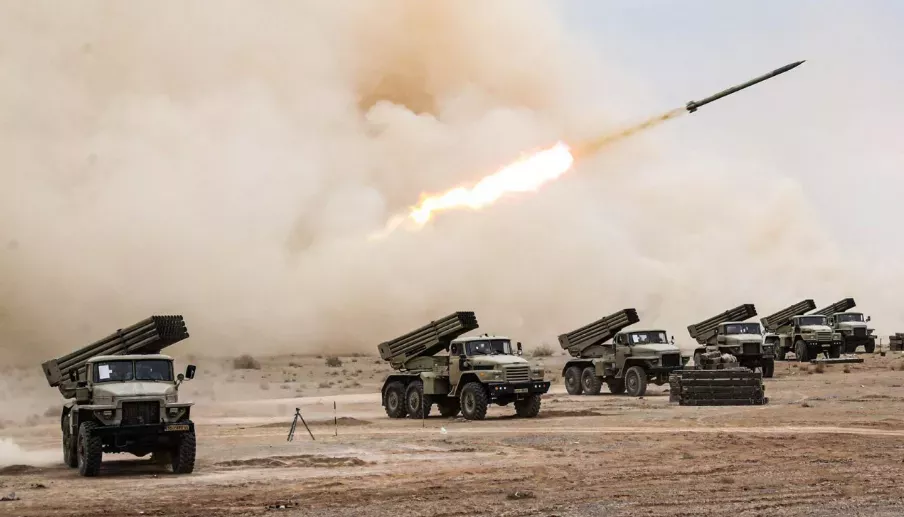
Then Iran sent drones in the first wave, followed by ballistic missiles in the second and third waves. There is conflicting information about which missiles were used, but there is consensus regarding the drones – mainly "Shahed 136" drones were used. The Jerusalem Post writes that the choice of these drones reflects Iran's desire to present them to the world, and later to sell them, as the "new AK-47s," meaning to show that anyone can have and use them, just like the famous Soviet rifle. Some other media outlets claimed it was the largest single drone attack in history and a turning point in warfare, demonstrating Iran's weapon strength and technological development level.
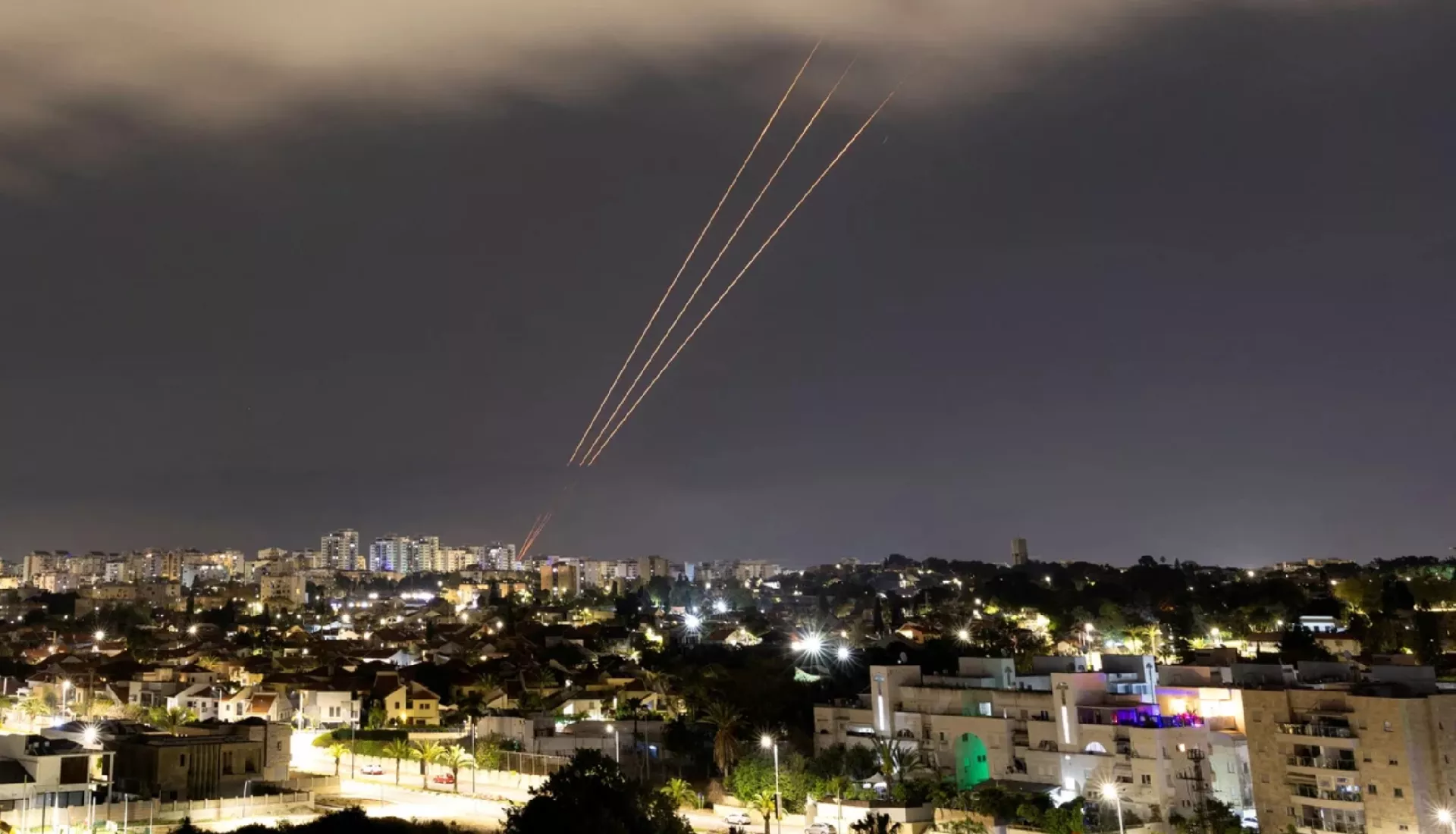
Israel and its allies had prepared defenses. According to what has appeared in the media so far, in addition to Israel and the United States, the territory of the attacked country was defended by the United Kingdom, France, Jordan, as well as Saudi Arabia and the United Arab Emirates, which provided minor assistance. The slow and relatively large Iranian drones were mostly intercepted by modern aircraft and air defense systems of Israel, Jordan, the United States, and the United Kingdom.
The Law of Large Numbers
And therein lie some of Iran's greatest victories. They showed the people in the Middle East the public and secret order in the region, revealed who is ready to defend Israel and how, and how much the Jewish state has the capacity to fight. Finally, and importantly, they tried to help the Palestinians in any way possible. The phased attack served Iran to gauge Israel's capabilities, i.e., how many interceptors the batteries across the country have and how quickly they can be prepared for action again.
After the drones had to be shot down by Israeli systems, an opportunity arose for Iranian missiles to hit the ground. Although there are different claims about which missiles were used, some pro-Iranian media claim that Tehran did not use its strongest assets, which is particularly worrying for the West. These sources say that Iran did not use hypersonic missiles that could reach Israel in a few minutes.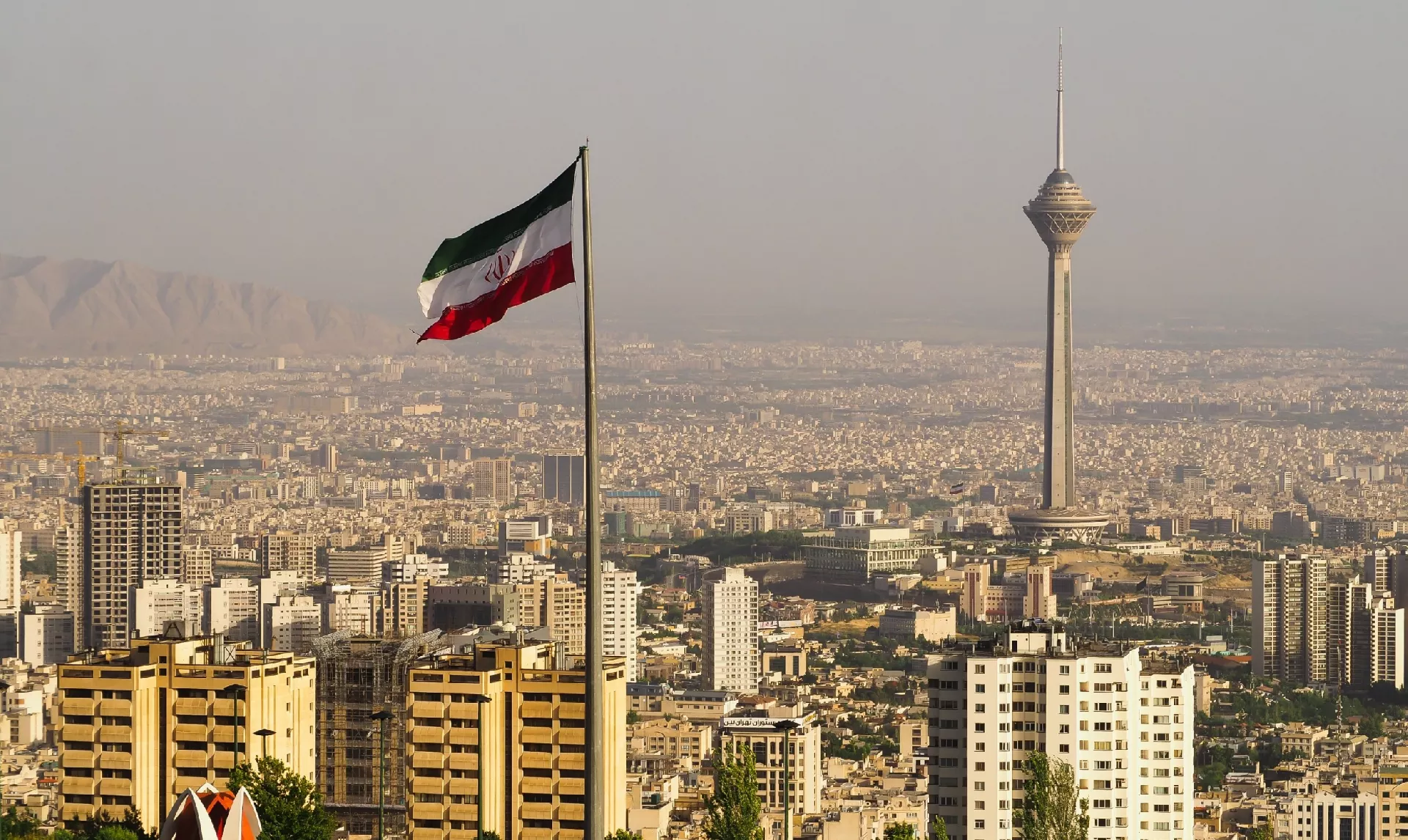
Panorama of Tehran
Furthermore, there are differing claims about how many missiles hit Israel; some claim one, while others claim nine. Israeli claims of almost no damage have been questioned after a video from Jordan posted on social media. The video shows a large fire caused by a downed missile. In other words, fragments of downed missiles with hundreds of kilograms of explosives and fuel can have destructive power upon their destruction. Additionally, there is evidence that Iranian missiles hit some targets in Israel.
Some media outlets have also focused on the cost of the entire operation. Ram Aminach, former economic advisor to the Chief of the Israeli General Staff, stated that the Iranian attack cost Israel between $1.08 and $1.35 billion, and that the cost only includes the interception of drones and missiles, not ground losses. He believes Iran spent only a tenth of this amount. Some pro-Iranian media claimed the sum was even smaller, not exceeding $70 million.
Iran Sends a Message to Washington
After the attack on Israel concluded, Tehran sent a message that they consider the case closed and will not attack further, but that anyone who attacks them will be met with a response. The Biden administration, already in conflict with the Netanyahu government, understood the message and told Israel that it must attack Iran itself if it wishes, calling for an end to the conflict. Even before the attack on Israel, Tehran struck where it hurt the West the most – they seized a ship in the Strait of Hormuz. This was a message that Iran could close this sea passage leading to the oil fields of the Persian Gulf.
Strategists in Washington were aware of Iran's growing power even before, and Biden, as Vice President in the Barack Obama administration, sought an agreement with Tehran on its nuclear program and to lift sanctions, as isolation from the West pushes them into the embrace of China and Russia. After the attack on Israel, Washington surely wondered what would happen if Tehran and its allies launched several thousand projectiles, after a few hundred caused this disruption, and what if weapons of mass destruction were among them. In a small territory like Israel, this would lead to catastrophe.
Netanyahu's right-wing government does not see things this way and announces revenge. The Israeli military claims to have multiple ways to retaliate, while pessimists warn that Tel Aviv will need years to further strengthen its air defense and acquire large quantities of drones. Previously, Israel carried out assassinations of (pro)Iranian officials in the region and undertook other operations.

Tehran can be satisfied after the attack, as it has reasserted itself in regional frameworks as it desires, i.e., as a regional power to be reckoned with and as a force uniting dissatisfied opponents of the West and Israel across the Middle East. However, the matter is not over, and it is certain that Iran's rivals will not sit idly by while Tehran increases its influence.
Komentari (0)
Prijavite se za komentiranje
PrijavaJos nema komentara. Budite prvi!
Minuta
Sve →Iz drugih kategorija

High Representative Not Elected: Germans, French and British Against Americans, New Attempt at End of June

ČOVIĆ WITHOUT MERCY: How Those Who Brought Ademović to Office Created a Political Hell for Him



Sunny Saturday, quite warm



Tragedy in Albanian resort: Two minors drown












