
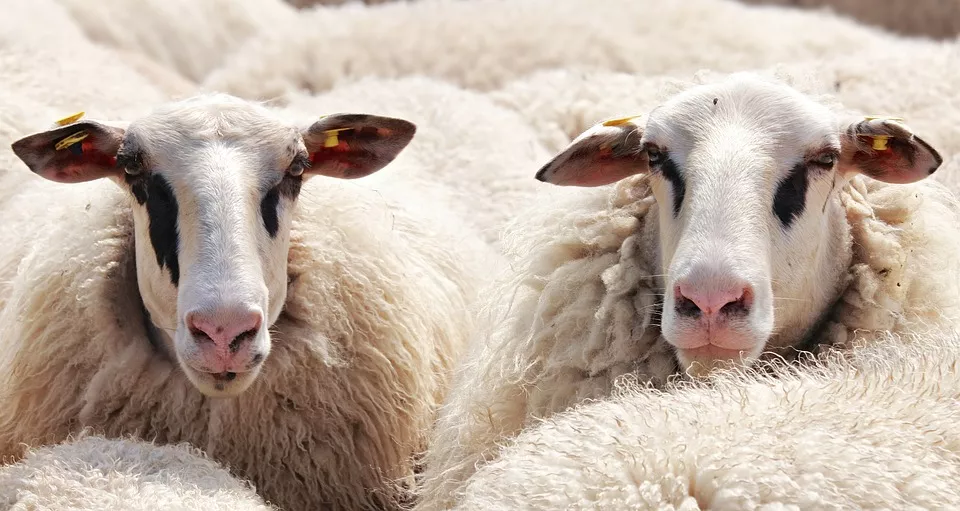
(Patria) - On the occasion of the upcoming Eid al-Adha, which Muslims celebrate on August 21, the Institute for Health and Food Safety of Zenica warns all those who intend to perform the traditional slaughter of sacrificial animals in households and improvised conditions, outside of registered slaughterhouses, that a veterinary-health examination of the animals before slaughter, and of the meat and organs of the slaughtered animal after slaughter, is mandatory and necessary.
"Although it is recommended that the slaughter of sacrificial animals be carried out in slaughterhouses, by certified and professional individuals, a portion of households organize it themselves every year, so it is necessary for them to be informed in a timely and proper manner about the health aspects of the slaughter procedure itself," the Institute stated in a written press release.
"Due to the possibility and danger of infectious and parasitic animal diseases (zoonoses), which can be transmitted to humans through direct contact with a sick animal, via meat and meat products, internal organs of slaughtered animals, excreta, organic waste after slaughter, water or the environment, it is necessary to carry out the procedure in a proper manner."
Experts from the Institute for Health and Food Safety recommend purchasing or obtaining only animals marked with ear tags, along with possession or provision of a veterinary examination of live animals, by taking and submitting animal blood for laboratory testing for brucellosis. Only animals with normal laboratory results may be slaughtered, and their meat and organs used for food.
In order to reduce the risk of subsequent meat contamination, it is necessary to ensure clean hygienic conditions for slaughter, a clean space, hygienically sound water for washing meat, hands, tools and equipment used, clean containers for collecting organs, and the like. Persons performing the slaughter and handling the meat must be healthy and have good hygiene habits.
During the summer period, when thermally unprepared and unprocessed meat is significantly more prone to spoilage and transmission of infectious and other diseases, special attention should also be paid to the safe disposal of animal waste, as improper disposal of remains and waste can further endanger the health of people and animals.
The Institute for Health and Food Safety has prepared and distributed sufficient quantities of informative brochures and leaflets detailing the necessary procedures and steps that need to be followed to ensure the health safety of sacrificial meat and products used for human consumption. All materials are available online, on social networks, and in cooperation with the institutions of the Islamic Community in the Zenica-Doboj Canton, they are also available to believers through their mosques and communities.
The INZ calls on all Muslim believers who intend to perform the religious ritual of slaughtering sacrificial animals at the designated time to ensure all prerequisites in a timely manner, primarily confirmation of the health soundness of the animal, its meat, and the entire slaughter process, as well as the meat that will be shared - distributed. Any doubts should be checked with a veterinarian.
Komentari (0)
Prijavite se za komentiranje
PrijavaJos nema komentara. Budite prvi!
Minuta
Sve →Iz drugih kategorija

High Representative Not Elected: Germans, French and British Against Americans, New Attempt at End of June

ČOVIĆ WITHOUT MERCY: How Those Who Brought Ademović to Office Created a Political Hell for Him



Sunny Saturday, quite warm



Tragedy in Albanian resort: Two minors drown












