
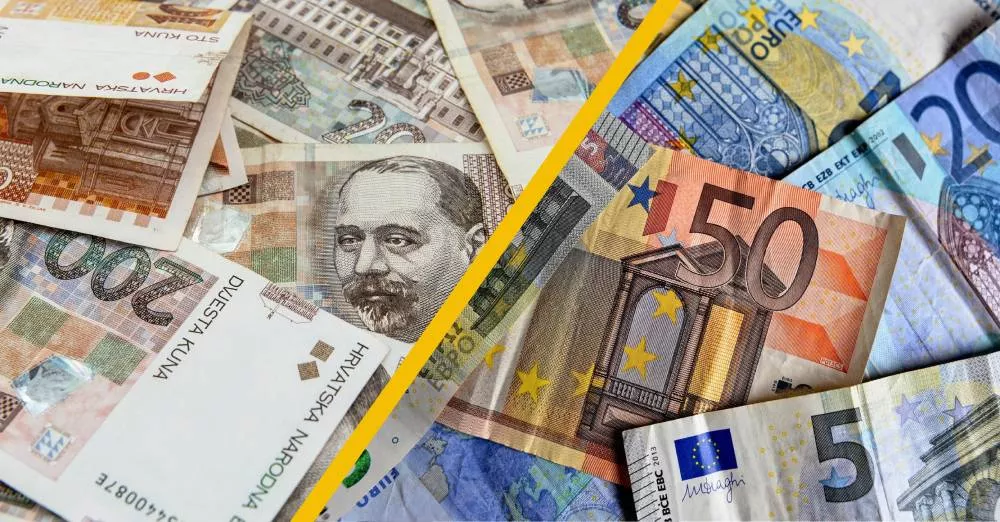
(Patria) - In Croatia, which has joined Schengen and introduced the euro as its currency, citizens are rushing to exchange kuna, and the police are urging caution due to the possible appearance of counterfeit banknotes.
The police point out that in countries that introduced the euro, the number of counterfeit banknotes on the market doubled, and the most frequently counterfeited are those of 50 euros.
Given that Croatia is a tourist country, an increase in the number of counterfeit euros on the market is expected, as well as counterfeit coins, HRT reports.
The police appeal to citizens to conduct financial transactions through financial institutions as it is the safest way, and note that penalties are possible even in cases of receiving counterfeit money.
Counterfeit money is most often passed off in cafes, disco clubs, but also in markets.
In Europe, an average of 35,000 counterfeit banknotes are detected monthly.
Annually, there are 420,000 in circulation, and they are most often produced in Southeast European countries.
The penalty for offenders is up to ten years in prison.
In Croatia, which yesterday joined Schengen and introduced the euro as its currency, the kuna was in use as the official currency for more than 28 years, and it will remain legal tender until January 14.
Komentari (0)
Prijavite se za komentiranje
PrijavaJos nema komentara. Budite prvi!
Minuta
Sve →Iz drugih kategorija

High Representative Not Elected: Germans, French and British Sabotaged Americans, New Attempt at End of June

ČOVIĆ WITHOUT MERCY: How Those Who Brought Ademović to Office Created a Political Hell for Him



Sunny Saturday, quite warm



Tragedy in Albanian resort: Two minors drown












