
By Armin Sijamić
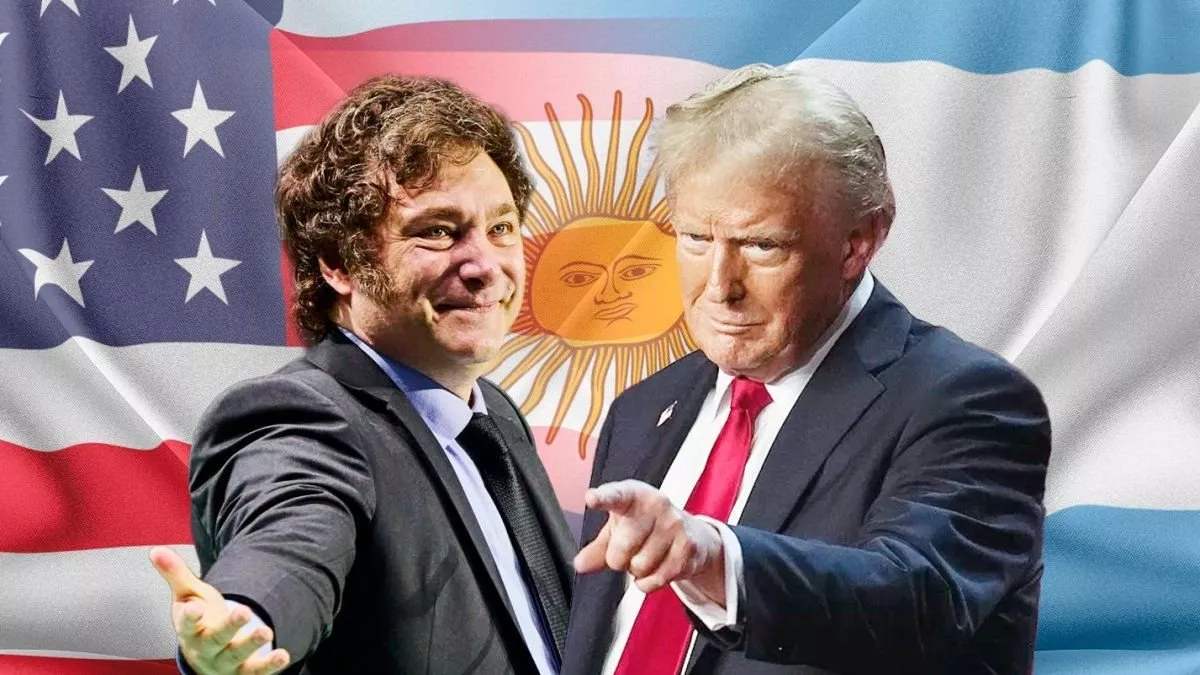
U.S. President Donald Trump, after numerous cost-cutting measures within his own country and aid to allies, showed last week that he knows how to play differently. The goal is to save Argentine President Javier Milei's policies and economic program.
On his way to the White House, Trump repeatedly stated that "America First" was his priority and that the country could not sustain its current level of spending. Upon returning to the White House, Trump began fulfilling his promises and tasked businessman Elon Musk with reforming American state institutions.
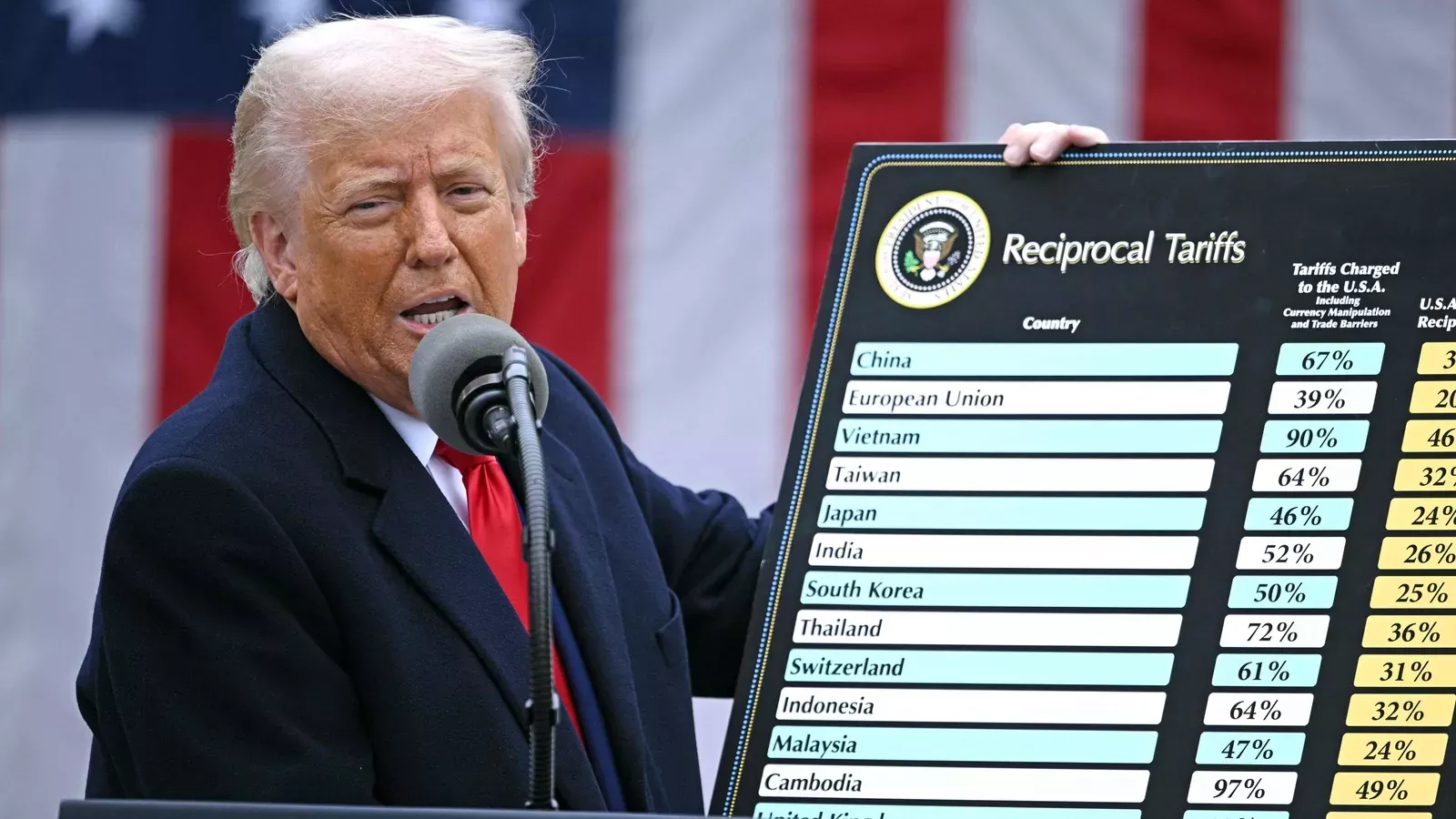
Trump's policy has been described by many as isolationist, drawing parallels with previous U.S. presidents. After imposing tariffs on most countries worldwide for imports into the United States, he showed that such views are not unfounded.
However, Trump is not pursuing an exclusively isolationist policy. The U.S. administration is active worldwide, indicating that some fundamental tenets of American policy have not changed with the arrival of the new president. The world's largest superpower remains involved in various parts of the globe, and Trump's flirtation with isolationism cannot bring about radical change so easily.
Southward and Against the Left
This was evident even before he imposed tariffs on friends and foes. In a classic display of American geopolitics, where everything south of the U.S. border is considered Washington's "backyard," Trump pressured Panama to distance itself from China and made it clear to that small nation that he might use military force against it.
Further south, Trump clashed with the leftist Colombian President Gustavo Petro, when within hours they imposed and then withdrew measures against the opposing side. In Ecuador, a neighbor of Colombia, the Trump administration is preparing the ground for the return of the U.S. military, while for weeks there have been discussions about a military intervention in Venezuela.
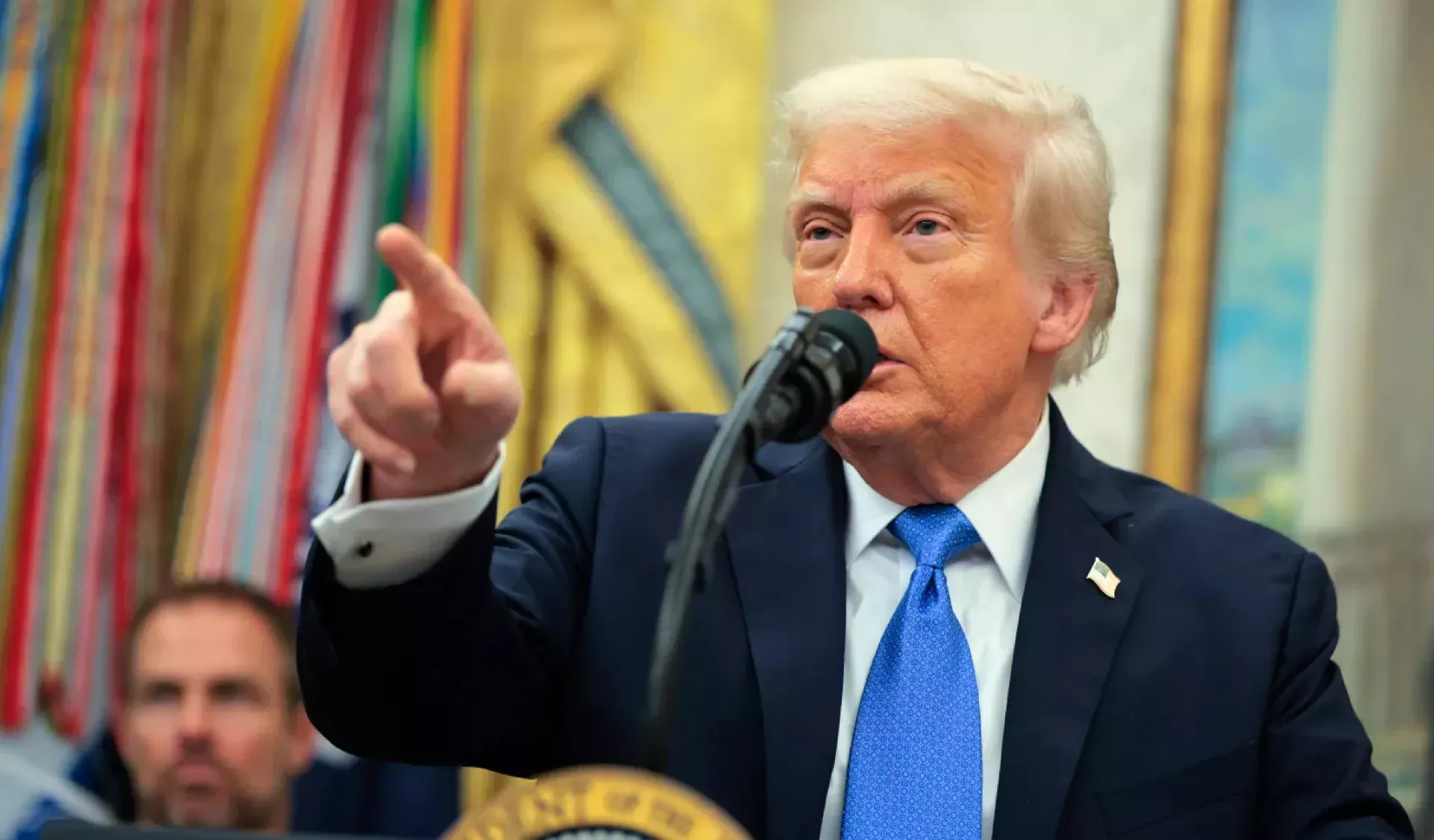
All these examples from Latin America illustrate the importance of the battle Washington is waging in its "backyard" to break leftist governments and expel China from the region. Argentine President Javier Milei, who eagerly awaited Trump's return to the White House, rejoiced at this prospect.
However, the self-proclaimed libertarian and "anarcho-capitalist" has fallen into serious trouble and needs help. At the beginning of last month, Milei lost provincial elections in Buenos Aires, with the opposition left winning by fourteen percentage points and nearly fifty percent of the vote.
The left, led by former president Cristina Fernández de Kirchner, who is under house arrest, has thrown down the gauntlet to Milei, who is implementing unpopular reforms. Milei's "Liberty Advances" party won about a third of the votes.
Help from a Friend
Thus, Milei's reforms, which included the abolition of entire ministries and government agencies, deregulation, mass layoffs, and the elimination of aid to the poor, received a poor rating from citizens, despite his success in reducing high inflation.
The defeat came for Milei at the worst possible time, as Argentines will elect a national parliament on October 26. The elections in the province of Buenos Aires, home to about forty percent of Argentina's population, were supposed to be a preparation for gaining a majority at the national level. The left has the largest number of deputies in the current parliament, influencing the retention of some of their policies, which has thwarted Milei's plans to build a parliamentary majority for two years.
If he were to lose the parliamentary elections midway through his term, or win less than what he needs to form a majority with coalition partners, Milei would be handcuffed, and his entire political program would be called into question. His heavy defeat in the wealthiest part of Argentina suggests how poorly Milei might fare in the poorer regions of the country, among people to whom he has been cutting various forms of aid for two years. For example, in the second most populous province, home to about nine percent of Argentines, the opposition holds power.
In this case, it is not about the political program of yet another eccentric leader in Latin America. Trump's people praise Milei's departure from the positions of the previous government, and part of the American business elite is enthusiastic about the idea of running the country like a company solely focused on profit.
Now that the fate of Milei's policies is at stake, Trump has decided to help. The Trump administration is ready to allocate twenty billion dollars to strengthen Argentina's national currency, the peso. "All options are on the table," said U.S. Treasury Secretary Scott Bessent a dozen days ago. He described Argentina as a "systemically important U.S. ally in Latin America."
Indeed, Milei's government has depleted its foreign exchange reserves in an effort to stabilize the domestic currency's exchange rate. This has caused panic, leading many to withdraw money from Argentina. Trump's aid is intended to bring stability to the Argentine currency and convince investors that the Argentine economy is on the right track.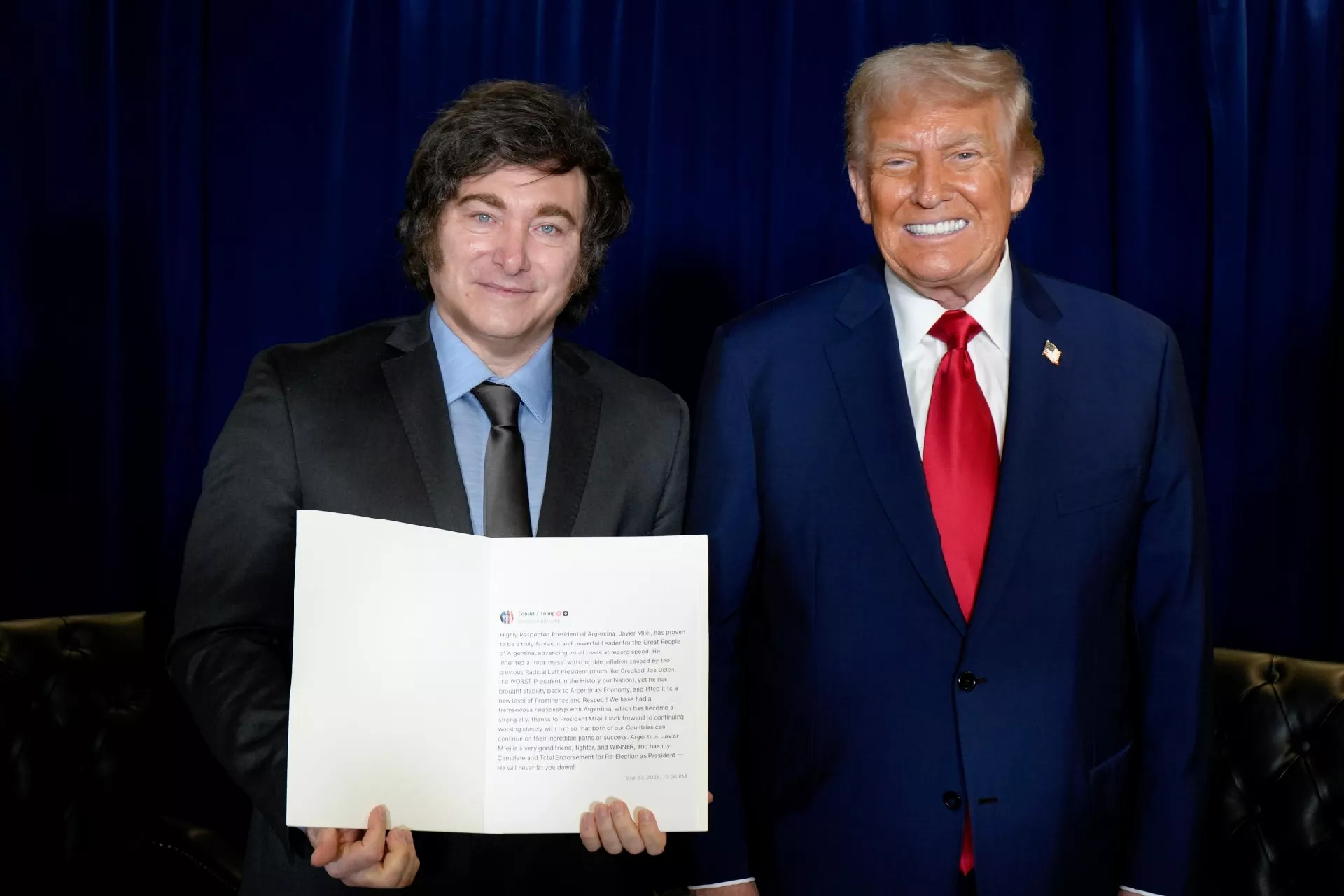
A Different Trump and a Milei Who Cannot Choose
Bessent said last week that the U.S. would purchase Argentine dollar-denominated bonds when necessary. The initial aid package is set at twenty billion dollars. Furthermore, Washington will provide loans to Buenos Aires, purchase Argentine government debt, and assist Argentine entrepreneurs. Bessent stated that this would pave the way for investments by American companies in Argentina.
In April, Washington welcomed Argentina's credit lines from the International Monetary Fund totaling twenty billion dollars, a credit from the World Bank worth twelve billion, and from the Inter-American Development Bank worth ten billion.
Thus, by saving Milei's policies, Trump has shown that he will not pursue an isolationist policy and turn the United States into a mere observer of global changes. On the other hand, Milei has abandoned his policy that the state should not interfere in the market.
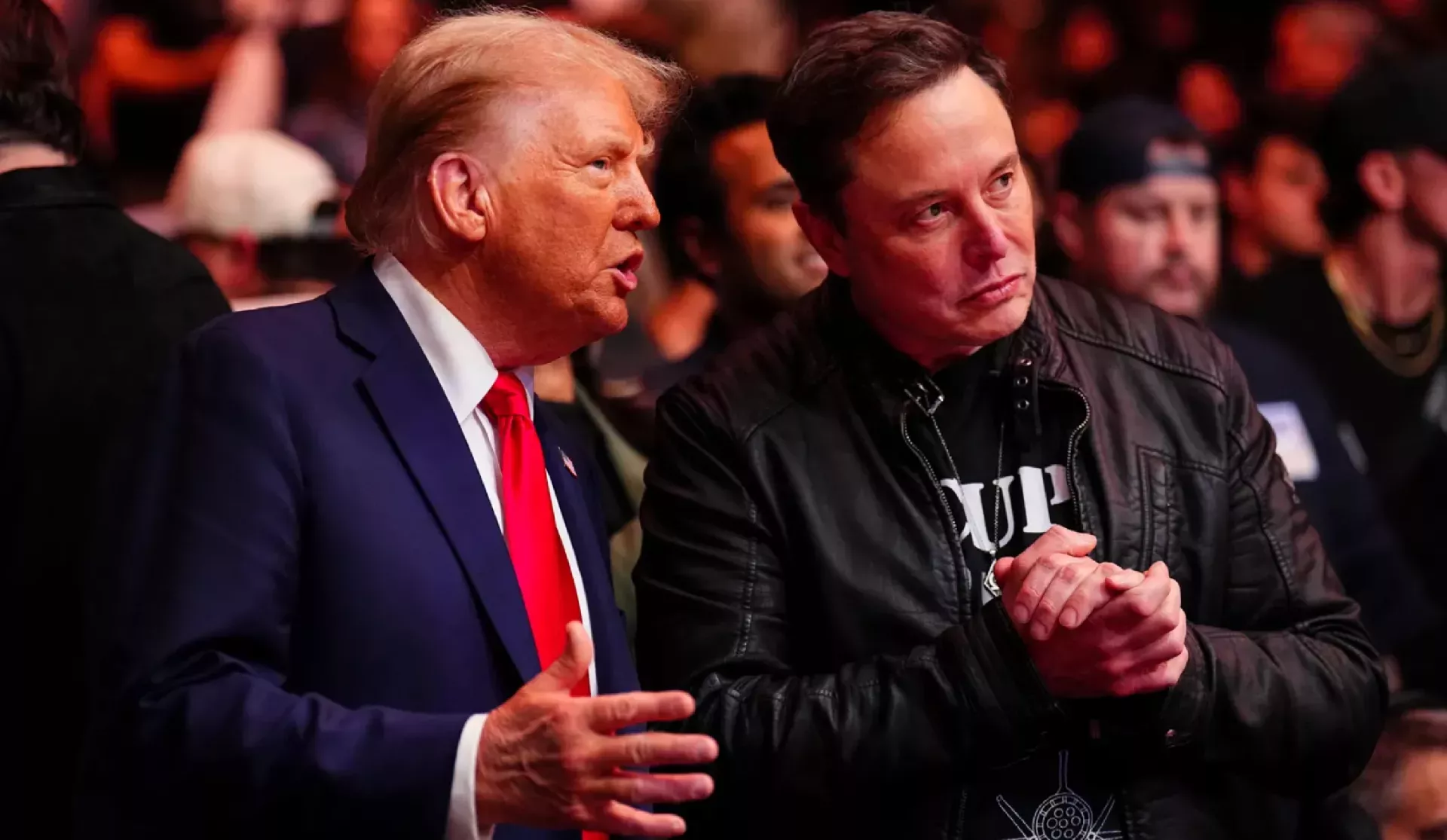
By saving his "favorite president," as he once called him, Trump is actually saving an economic vision that Elon Musk was supposed to test in the Department of Government Efficiency (DOGE). The fact that the world's richest man admired Milei's economic policy shows how important this economic and political experiment is for the current U.S. administration.
With this move, according to some economic experts, Washington has bought time for Milei but has not solved the problem, as the foundations of the Argentine economy have long been endangered. Some of Milei's opponents have called Bessent's measures a shift from one debt to another.
When Trump and Milei met on the sidelines of the UN General Assembly last Tuesday, the U.S. president said he believed Argentina did not need help but was there to ensure "everything necessary for Argentina to be great again."
Whether Argentina will become "great again" and when that will happen depends on the October elections, but what is happening with the currency, debt, and government measures is reminiscent of events at the beginning of this century when the country was brought to its knees. In the upcoming elections, Argentine voters, to whom Milei promised suffering before better days arrive, will pass judgment on all of this.
Komentari (0)
Prijavite se za komentiranje
PrijavaJos nema komentara. Budite prvi!
Minuta
Sve →Iz drugih kategorija

High Representative Not Elected: Germans, French and British Sabotaged Americans, New Attempt at End of June

ČOVIĆ WITHOUT MERCY: How Those Who Brought Ademović to Office Created a Political Hell for Him



Sunny Saturday, quite warm



Tragedy in Albanian resort: Two minors drown












