
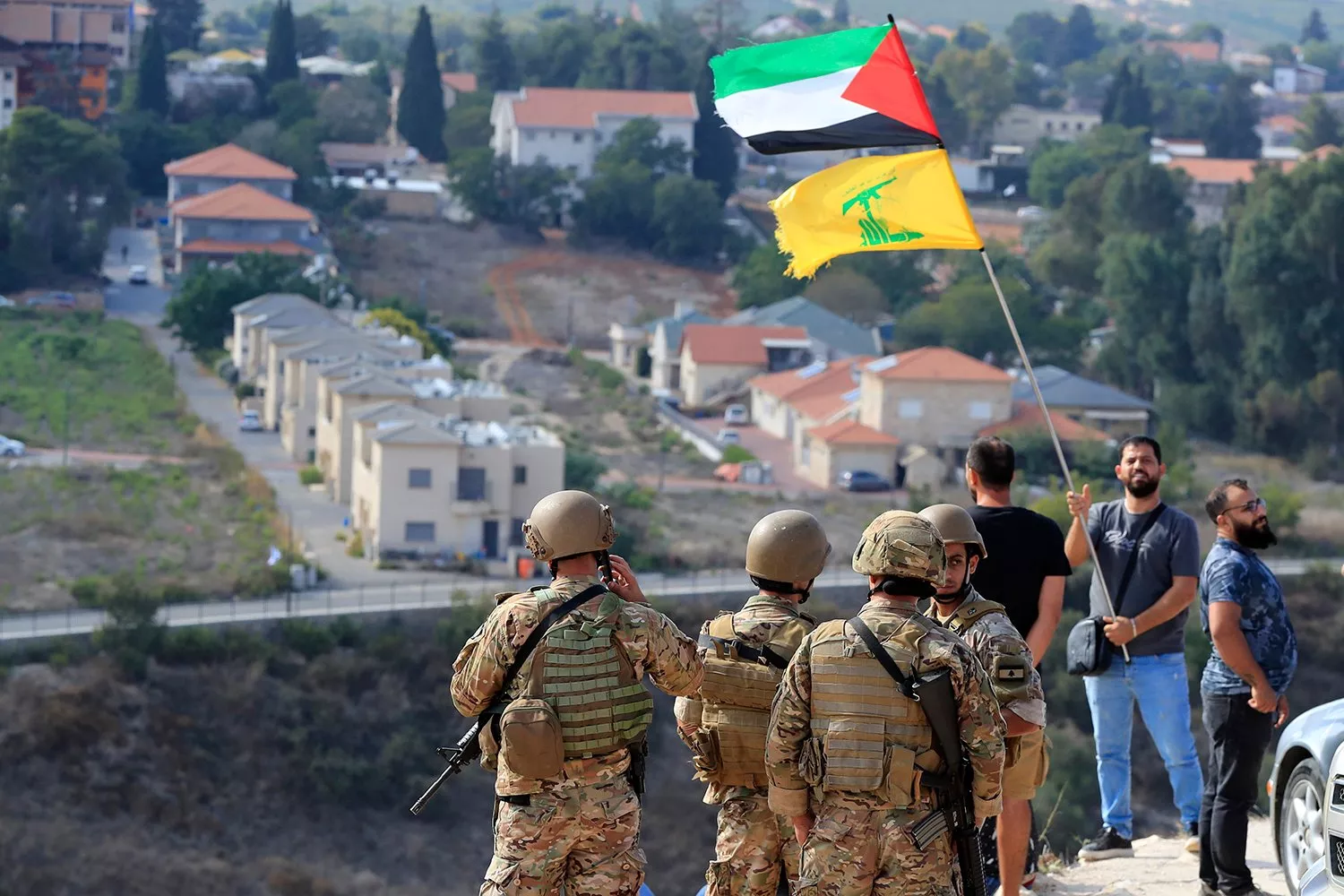
By Armin Sijamić
News coming from Lebanon this week reads like a summary of a spy or action movie. Communication equipment explodes, killing and injuring users. The story, however, is true and speaks to how warfare is changing and how far Israel, a technological giant, and Hezbollah, a Lebanese Shia movement, have gone in this regard. The event could have consequences for the global economy and security.
On Tuesday, news from Lebanon reported on the explosions of pagers, a device popular in the 1990s. Afterwards, reports indicated they were used by Hezbollah members, and then by some services in Lebanon. Around five thousand units exploded. Where did so many pagers come from in Lebanon?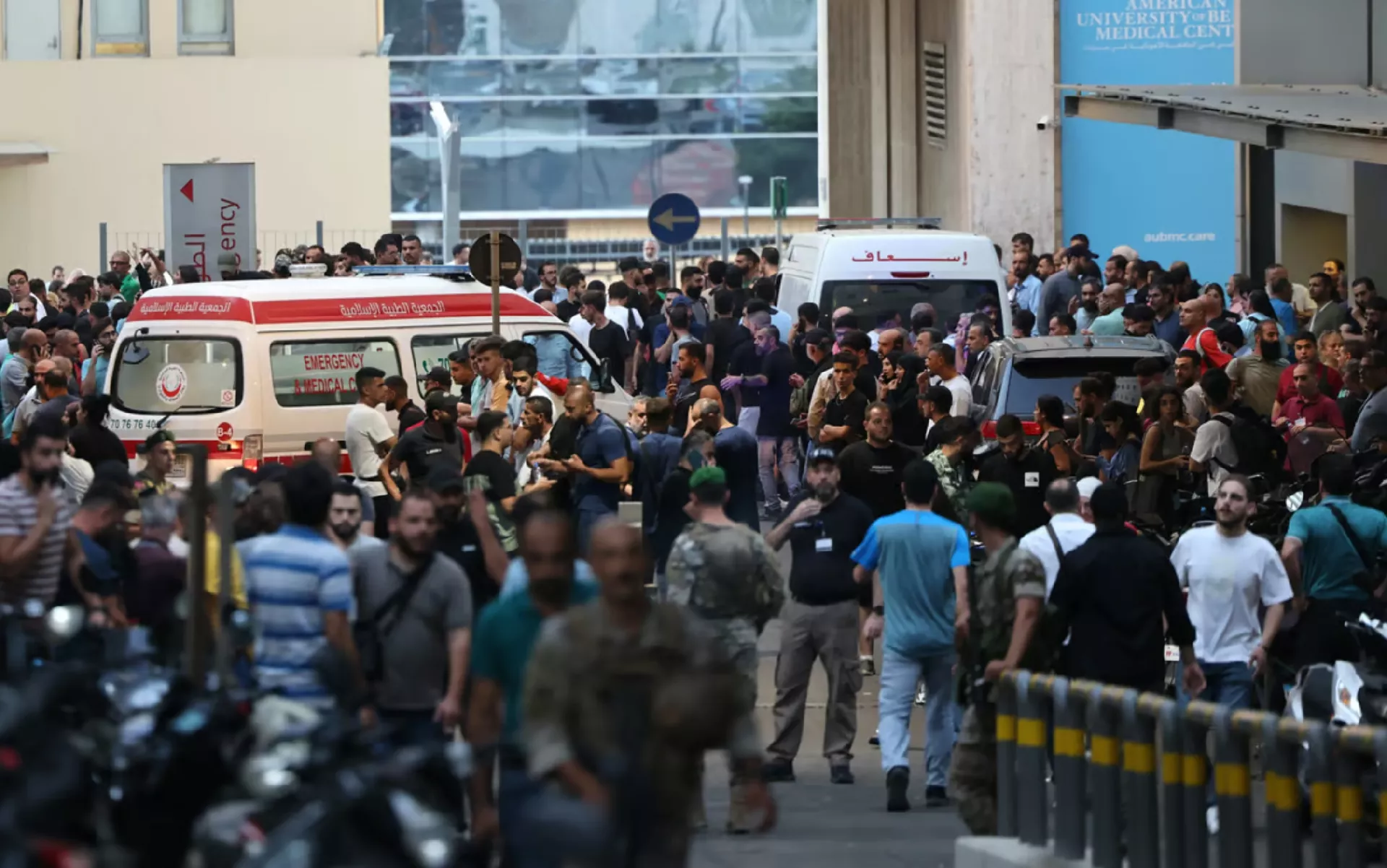
To answer this question, we need to go back to the recent past. Lebanon was literally on the brink of collapse. Inflation was eating away at citizens' money, there was no government, and the country faced frequent power outages. Lebanon then recovered somewhat. The government, at least in a caretaker capacity, did something, aid (financial and energy) arrived in the country, the coronavirus subsided...
In Lebanon, pagers are important for those working in services such as the army, police, and hospitals... Power outages, which make it impossible to charge phones and use the internet and phone transmitters, are a major problem. Often, a pager is available where a phone is not.
Hezbollah Communications and Israeli Operation
Hezbollah members have an additional reason to use pagers – to avoid espionage by rivals in Lebanon and Israel and its allied services. To illustrate how difficult this is, consider this fact: Israel is the size of Slovenia, and Lebanon is half that size. Surveillance in such a small territory in the age of high technology is not a problem. Moreover, Israel is a technological and intelligence giant.
Hezbollah is a non-state actor, but it behaves like a state. Hezbollah does everything a state does while fighting Israel and expecting an attack from the air, drones, sea, or land at any moment... By using pagers, they protect their communications because, unlike smartphones, these devices do not have cameras, locators, speakers, microphones, and do not leave a trace on the network after use.
According to the media, Hezbollah ordered 5,000 devices from Taiwan. The intermediary was reportedly from Hungary, and then there was talk of a company from Bulgaria and Norway. Some believe Israel intercepted the shipment and planted explosives. Some claim Israel seized the shipment and sent other pagers to Lebanon. There are claims that Israel established the intermediary company specifically for this operation.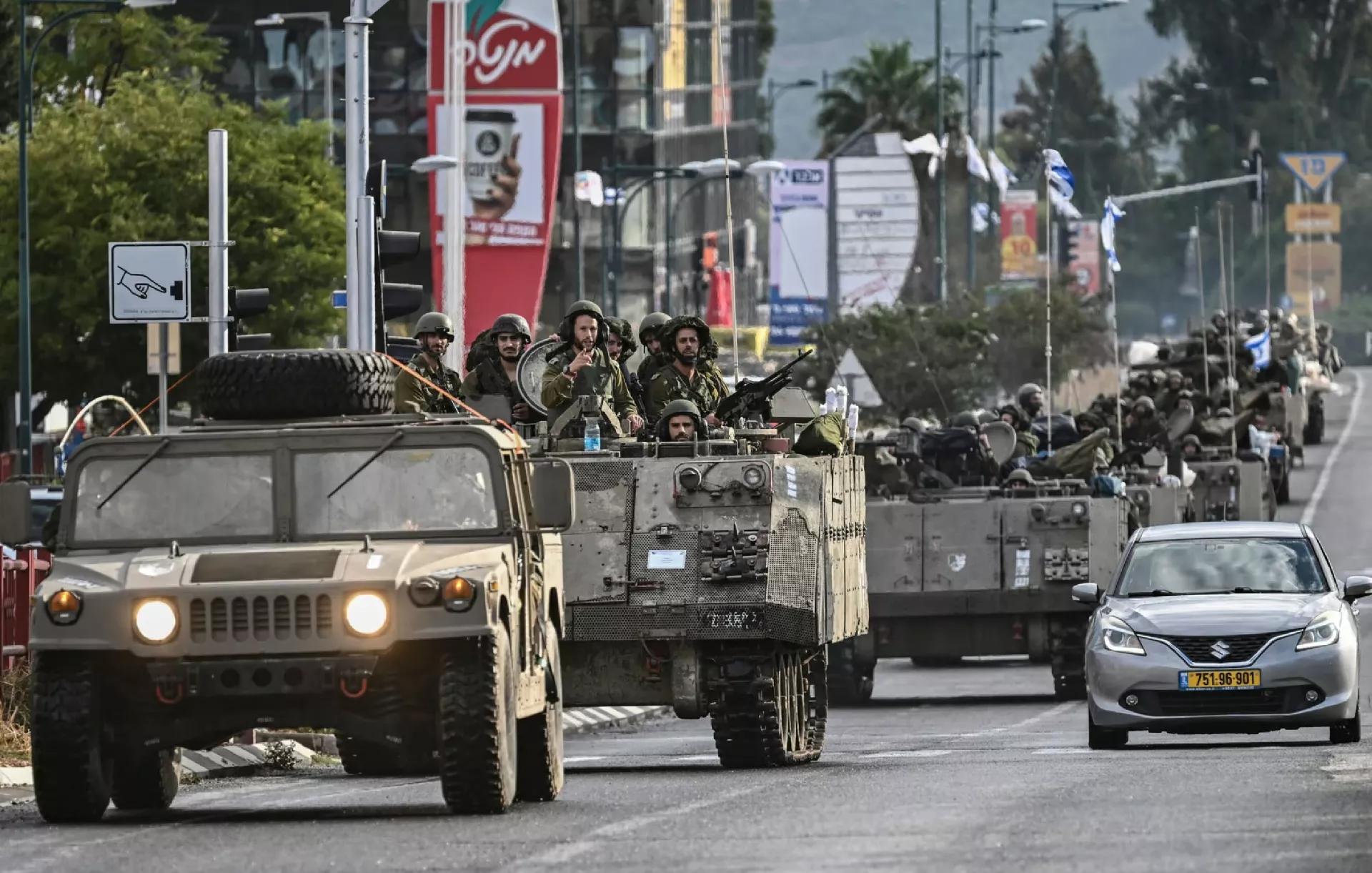
The media further claims, and there is no official information yet, that Hezbollah somehow discovered the deception, and that Israel found out, and decided on Tuesday to activate the explosives in the devices. Some claim it was through a message users received, while others claim it was through another type of operation that caused the devices to overheat, leading to the explosion. Reportedly, Israel was supposed to activate the explosives when the war with Hezbollah escalated, thus gaining a battlefield advantage at a specific time.
On Wednesday and Thursday, media reported that explosions occurred on other devices. Walkie-talkies used by Hezbollah exploded, with a Japanese company allegedly being the manufacturer. The Japanese announced that they no longer produce these devices and that these were counterfeit copies bearing their company's name. Information also emerged that some solar systems had exploded.
Hospitals are overwhelmed. Around thirty people were killed, and four thousand were injured. Eyes and faces, hands and fingers, and body parts near the device, in pockets or on belts, were affected. Some exploded further from the user, in bags, cars, on shelves... and did not cause (serious) injuries.
The War That Doesn't Stop
Hezbollah's reaction was expected – anger and a promise of revenge against Israel, which has not directly commented on the operation. Hezbollah will not forget this slap in the face, just as Israel has not forgotten the humiliation inflicted by the group. Since the start of the war in the Gaza Strip, Hezbollah has displaced northern Israel and attacked military and other infrastructure. Months ago, Hezbollah showed a video with locations inside Israel, filmed by a drone. In other footage, Hezbollah showed how it destroys the "Iron Dome" systems, which are supposed to intercept drones and missiles that hit them.
Previously, the two sides exchanged heavy blows. Hezbollah's actions were a humiliation for a high-tech army like Israel's. It was clear they would not stop there.
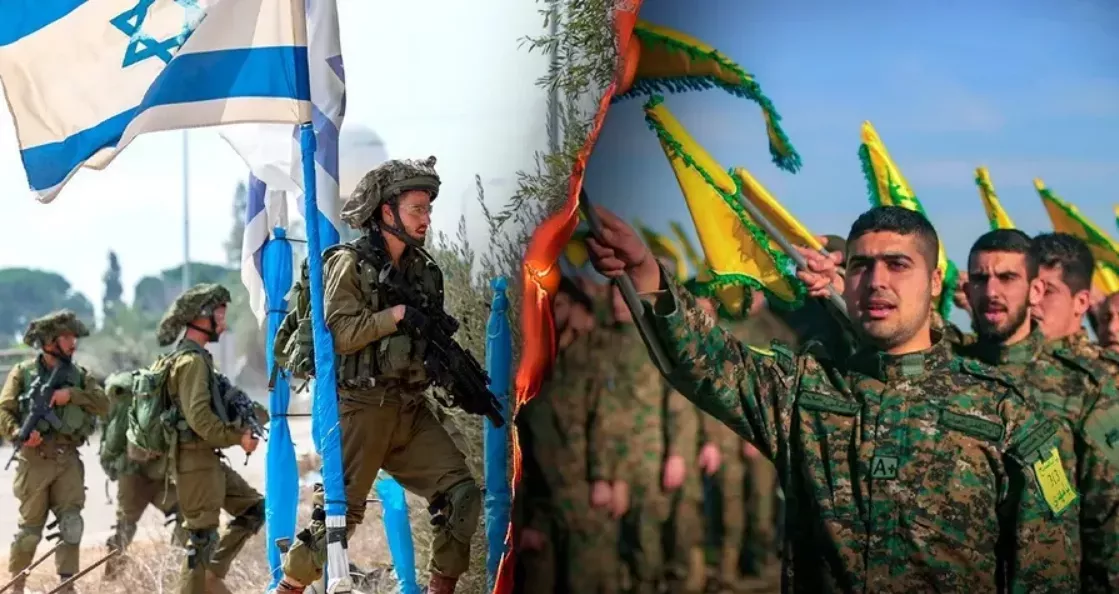
This week's incident shows the scale of the conflict. The operation demonstrated that in the war between Hezbollah and Israel, almost anything can become a weapon. Israel has a significant advantage, and it's a wonder how Hezbollah fights. Its ability to survive, operate in politics and society, and wage war in and outside Lebanon indicates that Hezbollah is not just another group in the Middle East. This recognition has been given to Hezbollah by Israeli officials, former US President Donald Trump, and others.
Hezbollah has labeled the use of civilian equipment for warfare as "terrorism," and Israel has not been shaken by this qualification, as the country, along with most Western nations, classifies the entire movement, or at least its military wing, as a terrorist organization. Following the device explosions, Lebanese authorities have called for a response from the United Nations.
Far from the front lines, some have wondered what would have happened, for example, if a pager had exploded on a civilian flight. On Thursday, Lebanese authorities banned walkie-talkies and pagers on flights from Beirut. Lebanese media reported that children and civilians were among the casualties.
Hezbollah announced that none of its high-ranking commanders were killed, and media reported that the Iranian ambassador to Lebanon was injured in a pager explosion. However, they admitted to a severe blow. In an address on Thursday, the movement's Secretary-General Hassan Nasrallah accused Israel. "What happened is genocide and a great massacre, which is added to the terrible massacres committed by the enemy since the creation of this cancerous tumor in our region. This can be called a declaration of war."
He attributed Israel's ability to carry out such an attack to its "technological superiority because it is supported by the West" and added that after Tuesday's attack, they "received messages through official and unofficial channels stating that our goal in this attack is for you to stop supporting Gaza." He rejected this possibility, stating that it is a moral and religious duty to help Gaza and Palestine.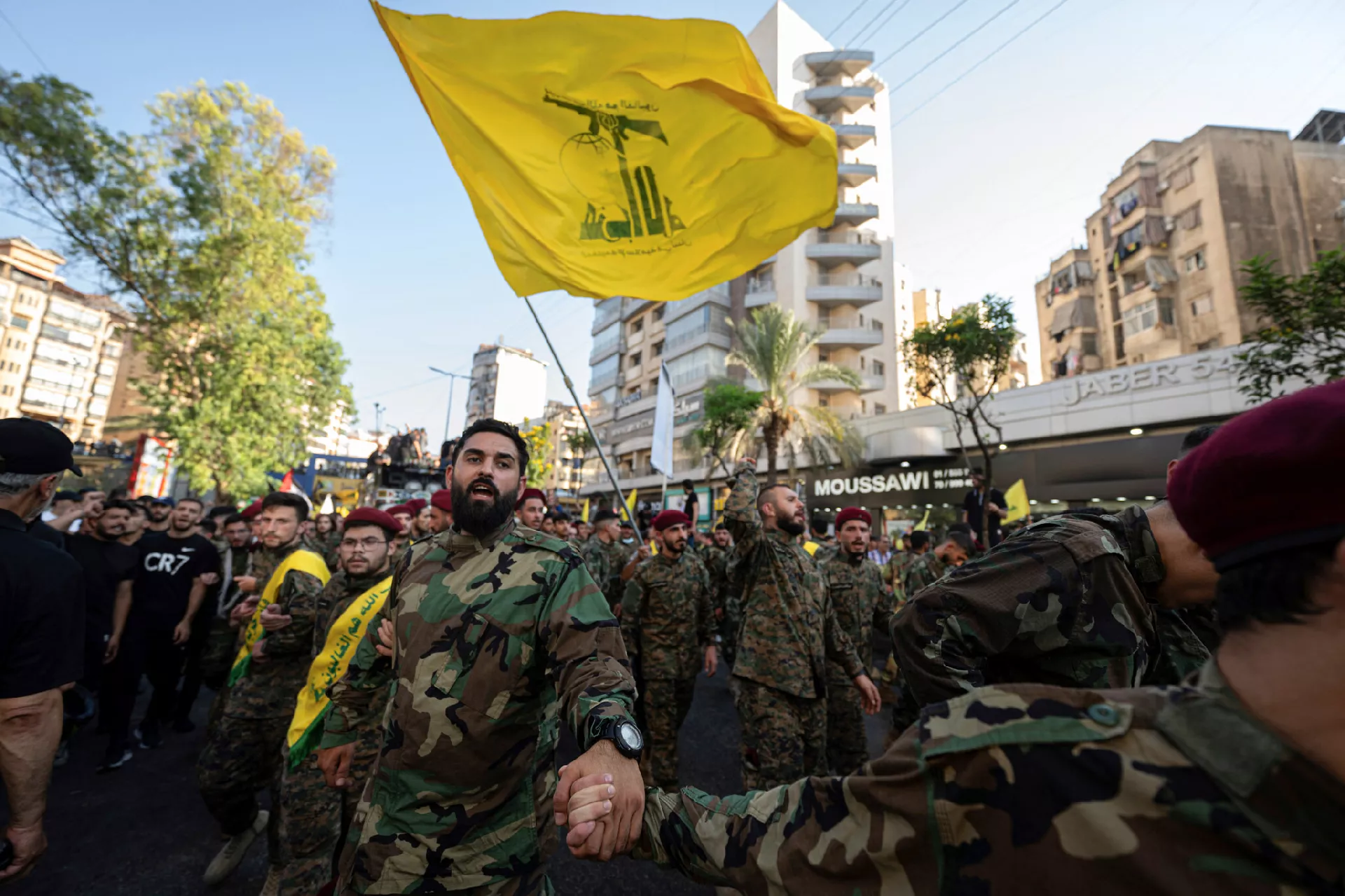
Revenge and Further Escalation
"As for the severe reckoning, the response will be what you will see, not what you will hear, because we are in the most delicate, sensitive, and profound phase of the conflict," Nasrallah stated, announcing revenge and readiness to continue the fight. "Allow me to speak in a different tone today, because this attack was carried out secretly. The reckoning will come and it will be severe. It will come from sources you could never have imagined. I will not speak of a date or time. You will know about it when it happens, you will not hear about it beforehand."
During Nasrallah's speech, which was broadcast live on television, Israeli military aircraft flew over Beirut. The Israeli army also targeted some villages in Lebanon, and Hezbollah targeted sites in Israel.
Israeli media report troop movements from the Gaza Strip towards northern Israel. The population there has been displaced by Hezbollah in recent months, and Prime Minister Benjamin Netanyahu has promised to return them home. Nasrallah said in his speech that they would not return them and would displace additional numbers, making the cessation of Israeli attacks on the Gaza Strip a condition for ending the fighting.
Israel had previously stated that peace in the Gaza Strip does not mean peace on the border with Lebanon and that whatever they agree on with Hamas does not apply to Hezbollah. It is believed that the Israeli army intends to create a kind of security zone by invading Lebanon and pushing Hezbollah fighters away from the border. Nasrallah said in his speech on Thursday that they expect this and that the Israeli army will be met there by "hundreds injured on Tuesday and Wednesday, as they have become more determined."
Appeals from the West and the region to stop the war in the Gaza Strip and on the Israel-Lebanon border are not reaching Netanyahu. More and more people are claiming that he wants war and expects to draw Iran and the US into it. Due to his inability to reach an agreement with Hamas, Netanyahu is facing considerable criticism from within Israel, from the opposition to military officials and the families of hostages held by Hamas in the Gaza Strip.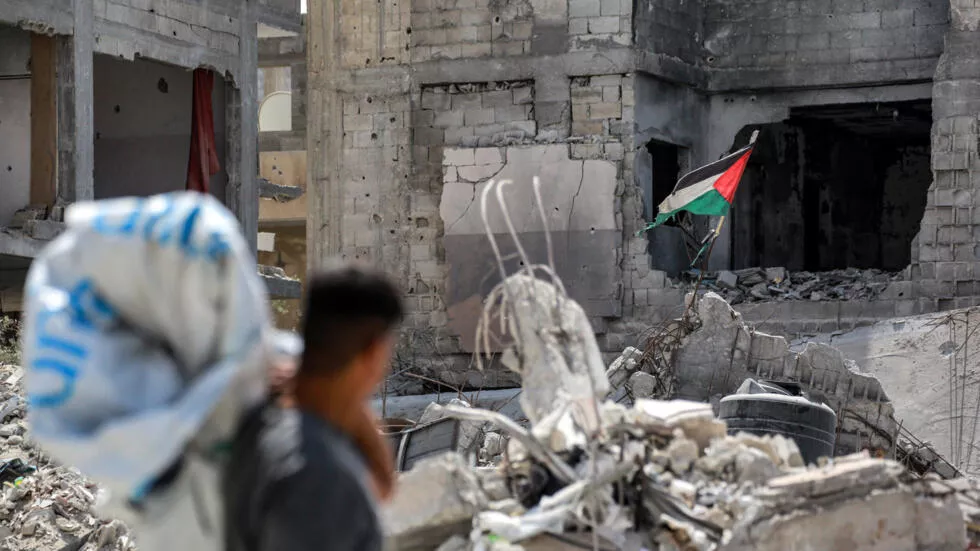
Economy and Security
While diplomacy attempts to prevent a regional war, the device explosions should be viewed from another perspective. For the first time in history, people have a device in their home or pocket that can kill them at the press of a button, after humanity has agreed to be tracked everywhere by using devices.
The device explosions have raised questions about the supply chain. According to reports, panic has spread among some segments of the population in Lebanon that any device could explode. This could lead people to choose which goods to buy based solely on the country of origin. Thus, in some countries, after being the case for groups, the purchase of technology could be based on political stances.
Russia used to buy technology from the West until sanctions were imposed. The Kremlin saw no problem in buying, for example, a German car or an American computer while clashing with Berlin and Washington. After the Edward Snowden case, Russian media reported that some parts of the Russian services communicate using typewritten messages that are destroyed after delivery. According to some reports, Hamas maintains its communications using Chinese technology, believing that equipment from the West is within Israel's reach.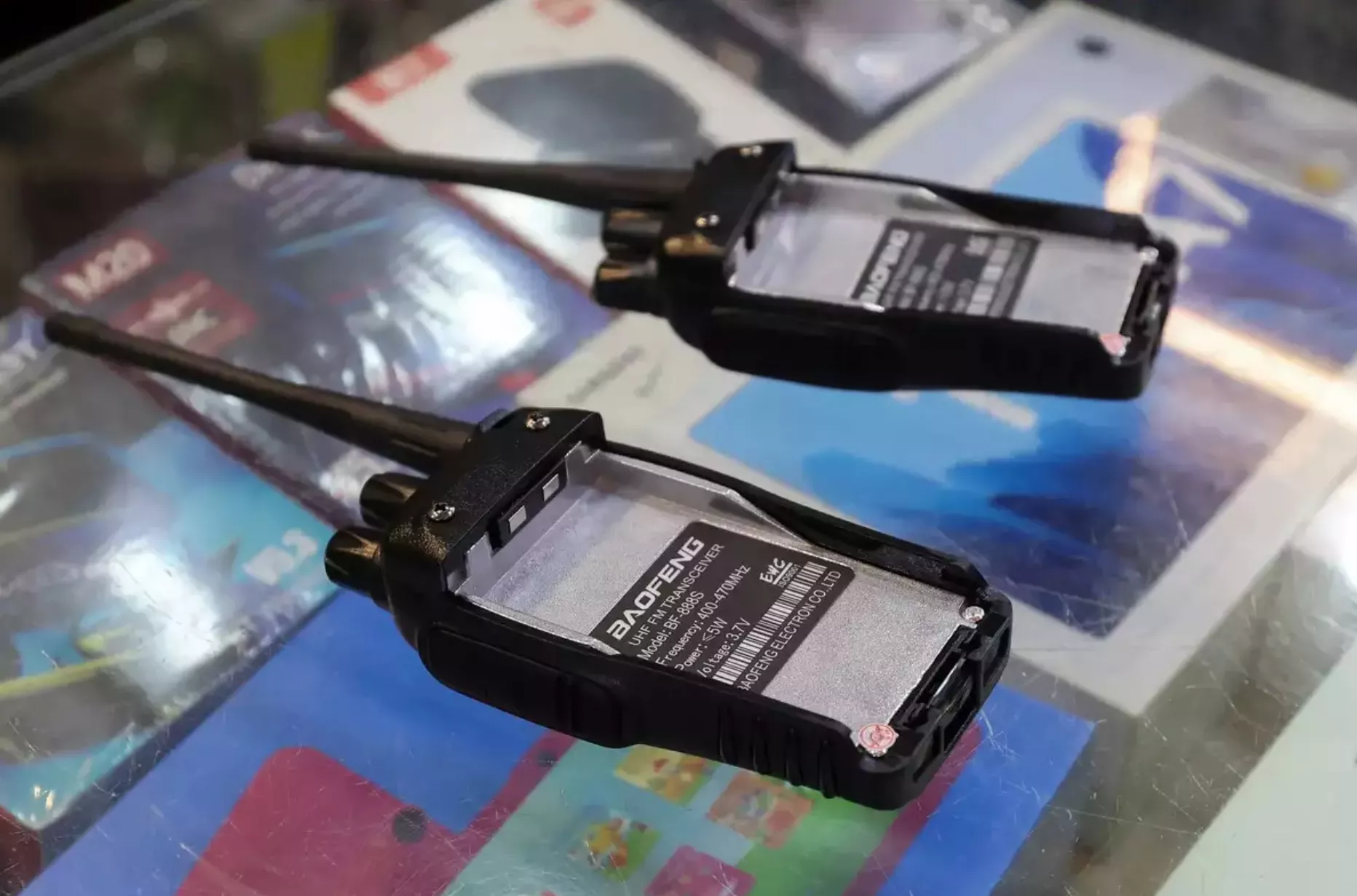
Following the incident in Lebanon, ordinary people might adopt this logic. This would complicate companies' operations, cause delivery delays, and some countries might inspect every device like never before, leading to only certain firms having representation and thus destroying the free market. Ultimately, any (unfounded) suspicion could lead to boycotts of manufacturers from a certain country and cause them losses.
For example, the US and its allies have banned the use of Chinese technology for 5G networks, and there is no difference between the Trump and current administrations. Now Washington wants to ban TikTok, believing that user data goes to Beijing and can be misused.
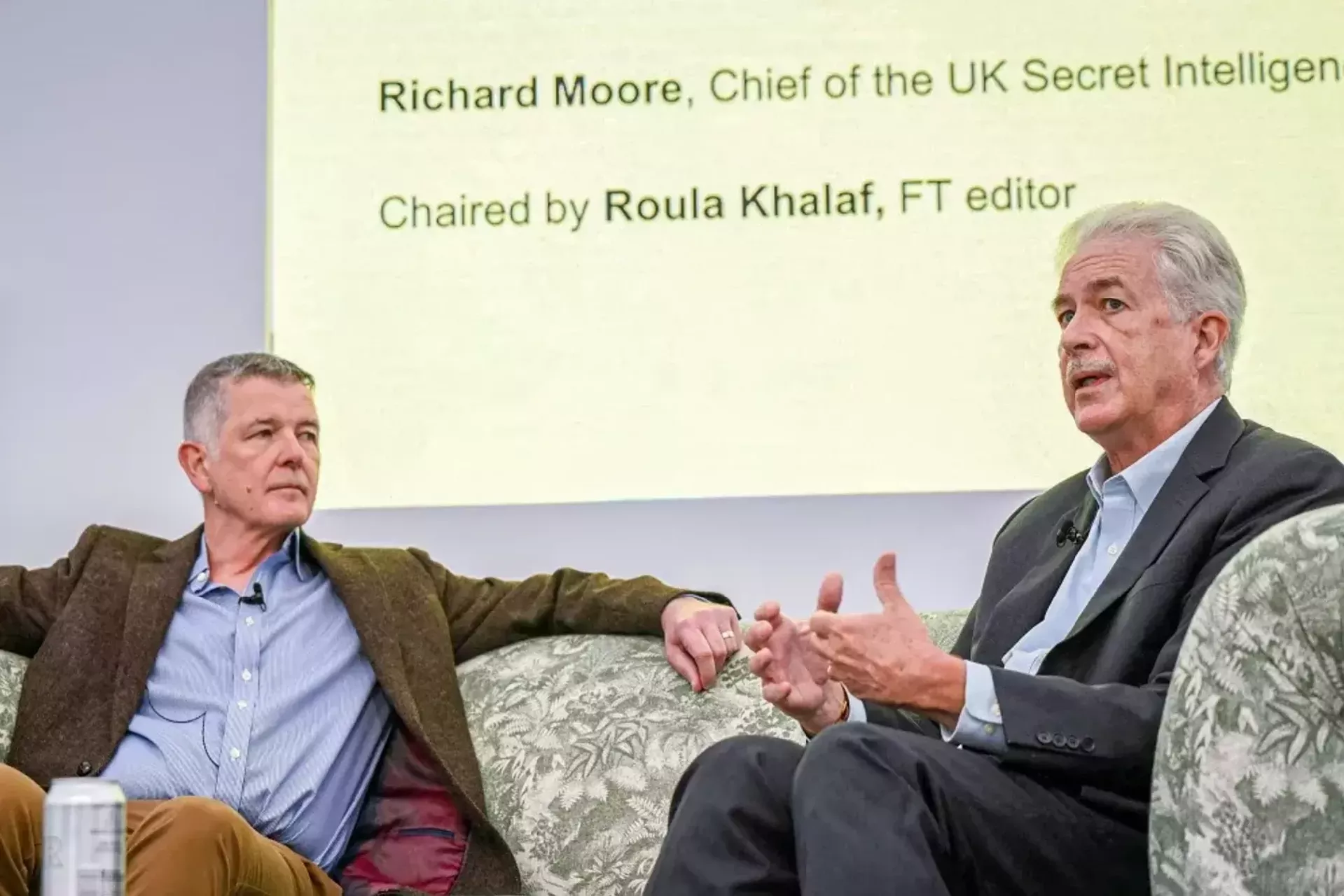
The consequences of the incident in Lebanon sound like what the heads of the US CIA, Bill Burns, and the British SIS, Richard Moore, recently announced, warning of the changes that have arrived, where technology, the internet, and consequently devices are the new battlefield.
Technology, more than ever before, could redefine state relations and the daily behavior of individuals. The choice when purchasing any type of device could now become a first-class political and security issue, even for those who have never paid attention to it before.
Komentari (0)
Prijavite se za komentiranje
PrijavaJos nema komentara. Budite prvi!
Minuta
Sve →Iz drugih kategorija

High Representative Not Elected: Germans, French and British Sabotaged Americans, New Attempt at End of June

ČOVIĆ WITHOUT MERCY: How Those Who Brought Ademović to Office Created a Political Hell for Him



Sunny Saturday, quite warm



Tragedy in Albanian resort: Two minors drown












