
By Armin Sijamić
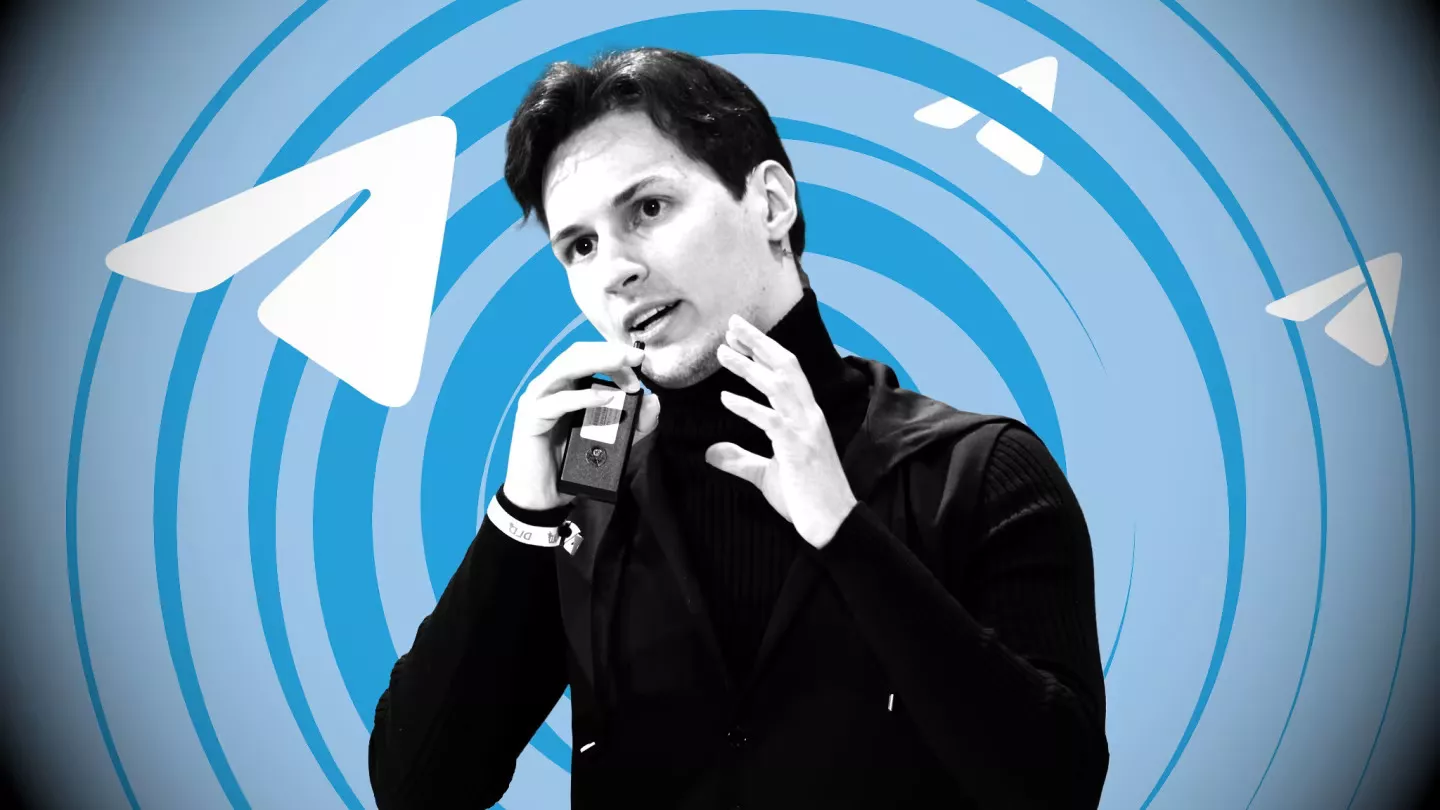
On Saturday evening, Pavel Durov, the founder, owner, and director of the social network Telegram, was arrested in France. Durov, whom some called the "Russian Mark Zuckerberg," faces various charges. Does this arrest have anything to do with security and law, as those who support the move argue, or is it an attempt to stifle freedom of speech in the West, as Durov's supporters claim?
Durov's arrest is more significant than it currently appears. Some have already compared the case to that of Julian Assange or Edward Snowden. However, these comparisons are incorrect, as Durov is not a journalist like Assange, nor an employee of a state institution like Snowden. Therefore, it is better to compare the case to Durov's experience in Russia. Namely, brothers Pavel and Nikolai came into conflict with the authorities because they refused to cooperate. At that time, it concerned the VKontakte (VK) network, which, since its founding in 2006, had been a kind of post-Soviet Facebook. Moreover, it was more popular there than Facebook.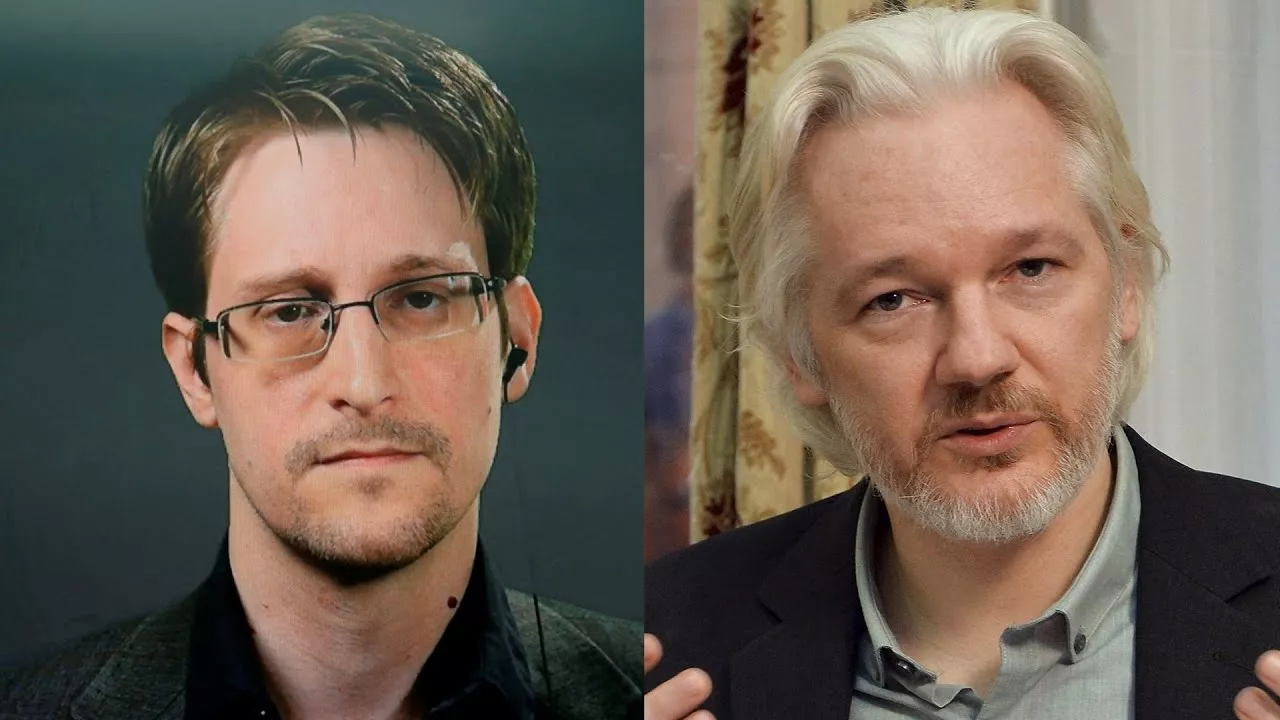
VK was a platform where, among others, Russian opposition figures operated to criticize the government. One of the users was Alexei Navalny, who recently died in prison. Vladimir Putin's government demanded that Durov limit the content on the network, to put it mildly. The Durov brothers refused, sold VK, and left Russia. This move by Russia was condemned by many, including in the West. Pavel Durov's arrest in Paris was condemned by Elon Musk, owner of the X social network, and a small number of public figures.
In 2013, the Durov brothers launched Telegram and operate from the United Arab Emirates. The younger brother, Nikolai, is responsible for programming, coding, and encryption, while the now forty-year-old Pavel is in charge of design. Thus, a network was created that allows the exchange of messages, files, audio and video calls, live streams... But unlike its competitors, Telegram rarely removes content posted by users. Furthermore, it is difficult for governments, for example in the West, to control the content, either because part of the servers are in the UAE or Russia, or due to encryption and protection.
The West, North Macedonia, Israel, and Iranian hackers
The fact that Telegram has little influence on the content shared on the platform stems from Durov's idea of no censorship and that content is rarely removed, especially when compared to Facebook, Instagram, or Twitter before Musk bought it. This was clearly seen during the coronavirus pandemic, when Telegram gained importance, and the number of users has now approached a billion in a month.
Another reason why Telegram has less control over its users is the fact that very few people work at Telegram. Pavel Durov said in an interview that this is enough, which might be a vicious cycle in citing these two reasons. Therefore, Durov has few employees at Telegram because he does not want to interfere with what users post, and people have their limits in their work.
Many have flocked to the network. If you want to watch uncensored material from the war in Ukraine, it is possible on Telegram. Ukrainian President Volodymyr Zelensky, Putin's propagandists, and Russian bloggers are active there... There are also so-called "channels" of various militant groups, far-right and far-left extremists, drug dealers, illegal traders, and pornography promoters...
Pavel Durov defends this as freedom of speech and does not want to ban them from advertising, nor allow any country to have a "backdoor" into the network, meaning access to users' content and data. Telegram very rarely removes content at the request of governments or organizations. For example, a "group" appeared where content with child pornography was posted. The phone numbers of victims were published, many of whom were young girls from North Macedonia, so the official Skopje requested its removal in 2021. Telegram shut down the "group" with about seven thousand members.
These days, Telegram has once again come into conflict with a country. According to the Israeli newspaper Haaretz, Iranian hackers infiltrated Israeli institutions and stole numerous documents and information, which they then published on Telegram and elsewhere. Durov refused to remove the content, following an appeal from Israel, which, according to Haaretz, is now trying to "censor the internet." The hackers' intrusion into Israeli systems was seen in that country as a blow to the reputation of a state that is a cyber power.
Serious charges against Durov and France
Upon landing his private jet at Le Bourget Airport near Paris, Durov was arrested. Reuters reported that France accuses him of a lack of content moderation on Telegram and enabling criminal groups to communicate. In other words, Paris accuses its citizen, as Durov has held a French passport for several years, of being responsible for the lack of restrictions on his network, and thus charges him with several criminal offenses, such as aiding terrorism, drug possession, money laundering, fraud, receiving stolen goods, and possession of child sexual abuse material. The investigation has been entrusted to the French cyber unit of the gendarmerie and the anti-fraud office, agencies reported.
French President Emmanuel Macron also commented on Durov's arrest, emphasizing that the case has no political connotations. Russia also commented, as Durov is also their citizen, and offered assistance. After the experience with VK, can Durov trust Moscow? The UAE also commented and offered assistance to their citizen. Reportedly, Pavel Durov also holds passports from other countries.
Russian authorities view the arrest as an American conspiracy. The head of the Russian Duma, Vyacheslav Volodin, claims that the United States pressured France to arrest Durov. "Telegram is one of the few and at the same time the largest internet platforms over which the United States has no influence," Volodin said, adding that it is important for Washington that President Joe Biden "takes control of Telegram" before the US elections.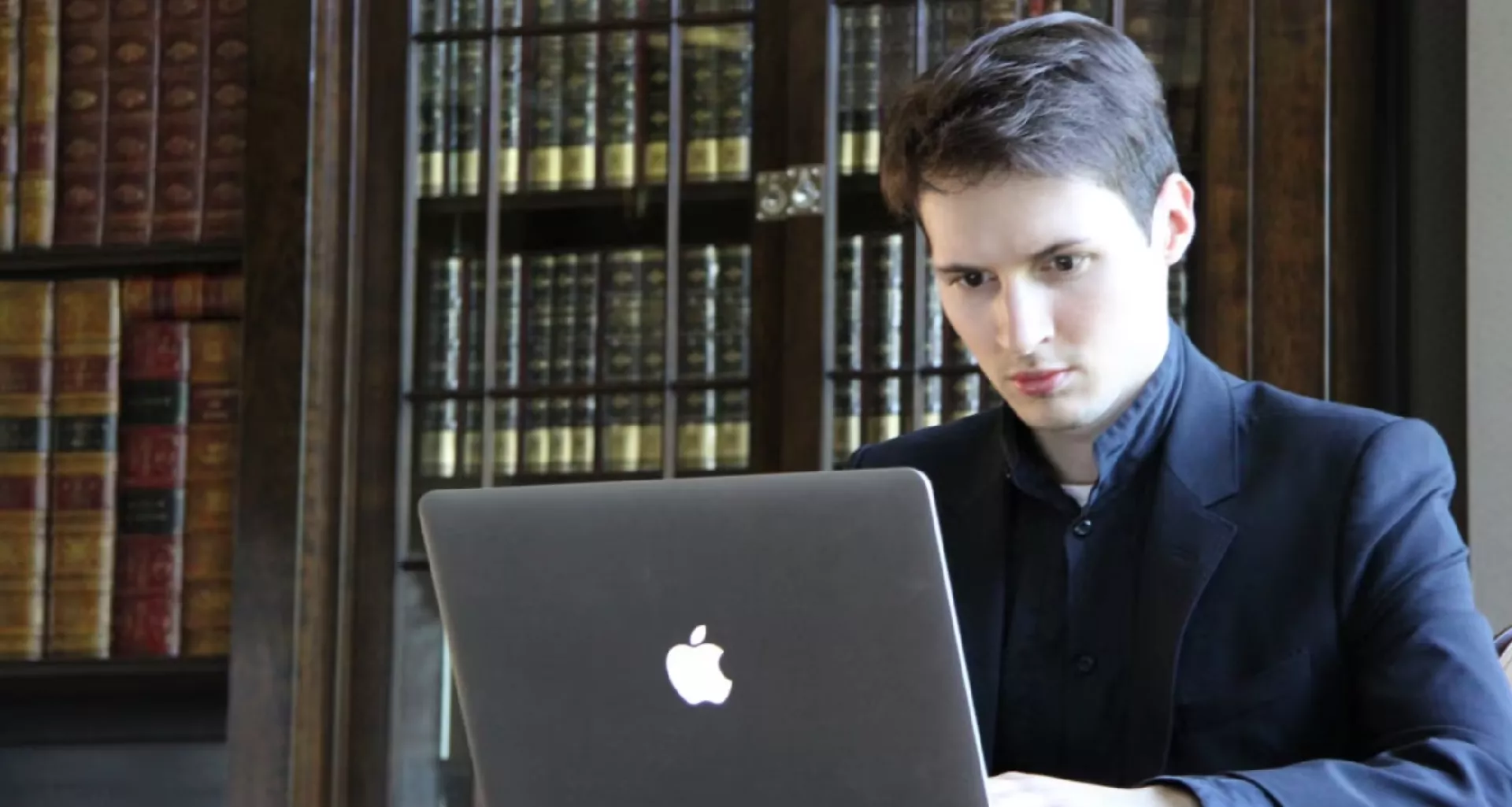
Lawyer Dmitry Agranovsky also commented, stating that his client's detention is "absolutely ridiculous" and an attack on freedom of speech. He compared the charges against Durov to accusing a car manufacturer because their vehicles are used to commit criminal offenses.
The company also commented. "Telegram complies with EU laws, including the Digital Services Act – its moderation is within industry standards and is constantly improving. CEO Pavel Durov has nothing to hide and travels frequently in Europe. It is absurd to claim that the platform, or its owner, is responsible for the misuse of the platform," they stated in their announcement and expressed their expectation that the problem will be resolved quickly.
Durov also received support from Snowden, who accused Macron of descending to the level of taking hostages. He described Durov's arrest as an attack on fundamental human rights, freedom of speech and association, and said it humiliates the dignity not only of France but of the entire world.
Leonid Volkov, former advisor to the late Russian opposition leader Navalny, also defended Durov, claiming that he "is not an accomplice in the crimes committed by Telegram users."
Will Telegram be banned?
Forbes estimates Durov's wealth at $15.5 billion, and the question is how his business will develop in the future. But for many around the world, the more important question is whether Telegram will survive and continue to operate as before. This question is particularly important in the context of the attempts to ban the Chinese network TikTok in the United States and elsewhere in the West.
Those who fear that internet freedoms are threatened cite the case of Elon Musk and his verbal confrontation with UK Prime Minister Keir Starmer and subsequent discussions about what can be published on social media. In other words, many on social media connect Durov's arrest with governments' intentions to decide what can be published online. And such bans already exist in many countries, including China, whose TikTok is fighting for survival in the West.
As social networks have entered almost all pores of society, the argument often made that you can protect yourself from bad content by not watching a certain TV channel or visiting a certain website, does not apply in this case. Governments are expected to protect citizens in cyberspace, which is becoming increasingly difficult with the growing number of internet users and the expansion of service provision. Regardless of how the Durov case ends, these questions remain, as does the question of where individual freedom ends and censorship by those who control public space begins. With the development of artificial intelligence and its mass use, this problem demands an urgent answer.
Komentari (0)
Prijavite se za komentiranje
PrijavaJos nema komentara. Budite prvi!
Minuta
Sve →Iz drugih kategorija

High Representative Not Elected: Germans, French and British Against Americans, New Attempt at End of June

ČOVIĆ WITHOUT MERCY: How Those Who Brought Ademović to Office Created a Political Hell for Him



Sunny Saturday, quite warm



Tragedy in Albanian resort: Two minors drown












