
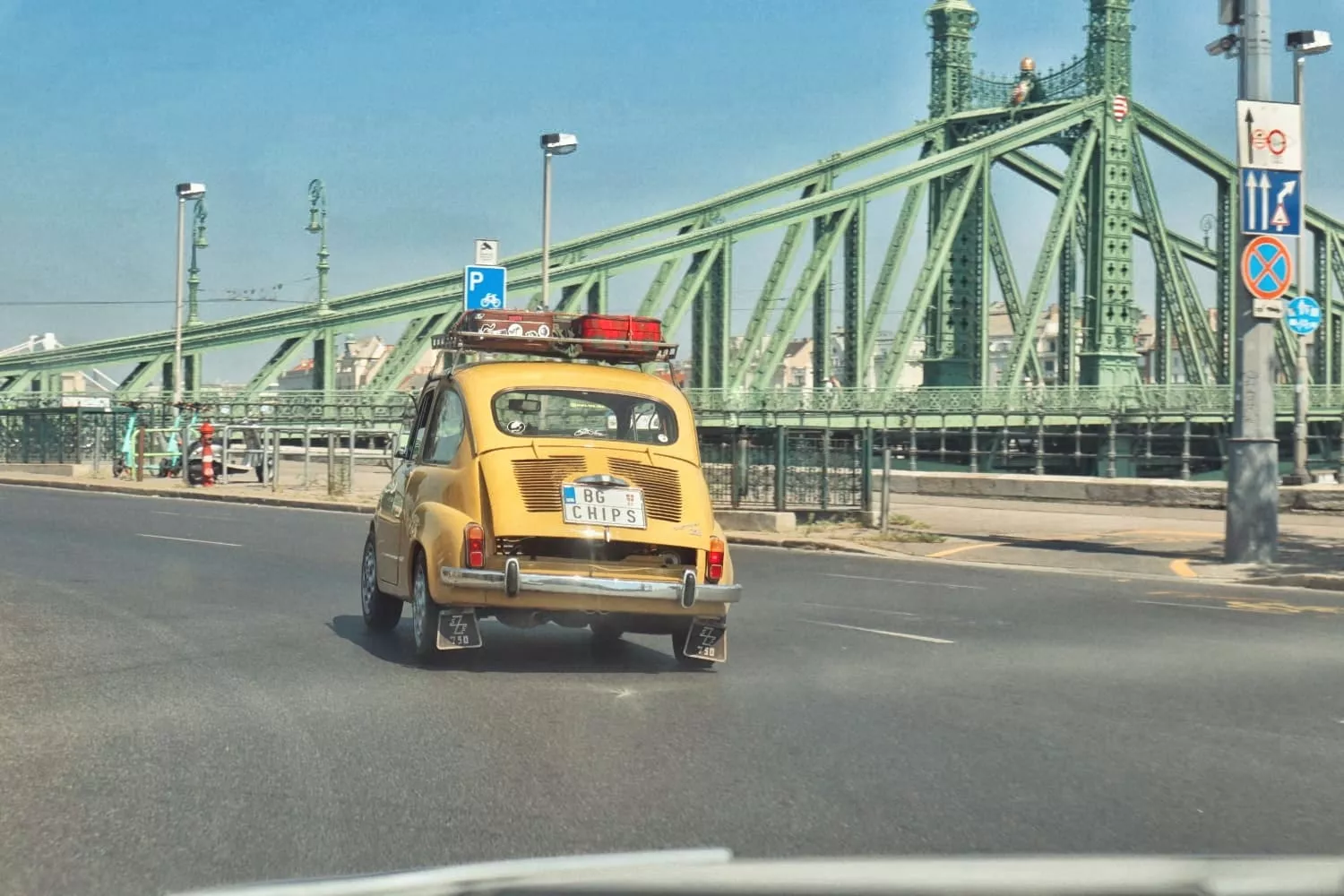
(Patria) - The first of 923,487 "Zastava 750" cars, popularly known as Fićo, was produced at the "Zastava" factory in Kragujevac on October 18, 1955.
The car, which appeared at a time of industrial development in Yugoslavia, was made under license from the Italian Fiat, after which it got its nickname.
It was a favorite car due to its economy, so even an "average" citizen could afford it.
In addition to citizens, Fićo was also used by state services - police, post offices, health centers, and others, writes Danas.rs. It all began after the country emerged from World War II. The newly formed Federative People's Republic of Yugoslavia rapidly moved towards industrialization, but the standard of living and purchasing power of citizens remained very low.
At that time, a Fićo cost 450,000 dinars (approximately 50 average salaries), while the last series from 1985 cost 476,000 dinars (about 15 salaries in the then SFRY). Today, it would cost around 750,000 dinars.
Regardless, the state leadership considered the production of passenger cars. However, for the factory to operate sustainably, it was estimated that it had to produce and sell at least 10,000 cars annually.
As this seemed impossible, the justification for the project was questioned.
At that time, the military leadership requested the VTZ company in Kragujevac to purchase a license for the production of the Jeep Willys-Overland vehicle for their needs, and these were the first vehicles assembled at "Zastava" back in 1953.
Later, at the appeal of the "Zastava" leadership, despite the tensions Yugoslavia had with Italy, reflected in the Trieste Crisis, the state decided - "if Trieste is not ours, perhaps Fićo could be".
Negotiations with Fiat began, led by engineer Branko Nikolić. After four months of arduous negotiations, a final agreement was reached under secrecy, and in 1954, assembly began, first of the military off-road vehicle Fiat AP-55, also known as Campagnola, and then of the passenger vehicles Fiat 1400 BJ and Fiat 1100 B.
On October 18, 1955, everyday life in Yugoslavia changed because the "Zastava 750" car was made at the Kragujevac "Zastava" factory.
The first model had only 23 horsepower, and the last one, produced in 1985, had 27 horsepower and is still preserved in the "Zastava" museum today.
Sales did not decline even when much better cars appeared, and Fićo achieved global popularity.
A total of almost five million units of this car were produced worldwide, with the largest number from the factory in Turin (2,695,197), followed by Zastava (923,487), Spain (814,926), Argentina (304,016), Germany (172,000), and Chile (around 12,000 cars).
"Buying a Fićo in the sixties of the last century was an event comparable to the birth or death of a family member. The initiation of the new 'pet' involved the owner loading an incredible number of enthusiastic neighborhood children and driving them around the area...", wrote Dejan Novačić in the "Lexicon of YU Mythology".
Fićo was a symbol of a time when almost everyone could buy something that represented exceptional capital at the time, but also a symbol of a country's prosperity, which cared for the ordinary working man by providing him with the opportunity to afford an economical car at an affordable price for himself and his family.
Komentari (0)
Prijavite se za komentiranje
PrijavaJos nema komentara. Budite prvi!
Minuta
Sve →Iz drugih kategorija

High Representative Not Elected: Germans, French and British Against Americans, New Attempt at End of June

ČOVIĆ WITHOUT MERCY: How Those Who Brought Ademović to Office Created a Political Hell for Him



Sunny Saturday, quite warm



Tragedy in Albanian resort: Two minors drown












