
(Patria) - The most powerful emperors of ancient history built their fortresses and cities along the ancient Aegean trade routes where the most significant historical changes took place. The mysterious past of these times is located along beaches surrounded by olive groves on the Turkish part of the Aegean Sea, better known as the "Turkish Riviera of Happiness".
If you are tired of classic destinations and are a lover of ancient places, mysticism, and history, the cradle of civilization awaits you: from former cultural capitals full of temples, tombs, impressive theaters, nymphaea, and fountains to mythical cities whose secrets remain unknown to this day. A walk through these places will take you back thousands of years...
Troy, the City of Chivalry and Love
Located in the village of Tevfikiye in Çanakkale, the ancient city of Troy is one of the most important ancient cities in the world and among the most intriguing destinations in this part of the world.
With nine archaeological layers and a 3,000-year history, Troy was included in the UNESCO World Cultural Heritage list in 1998. This ancient site is also the first stop on Aeneas's Way, the first and only cultural route of the Council of Europe.
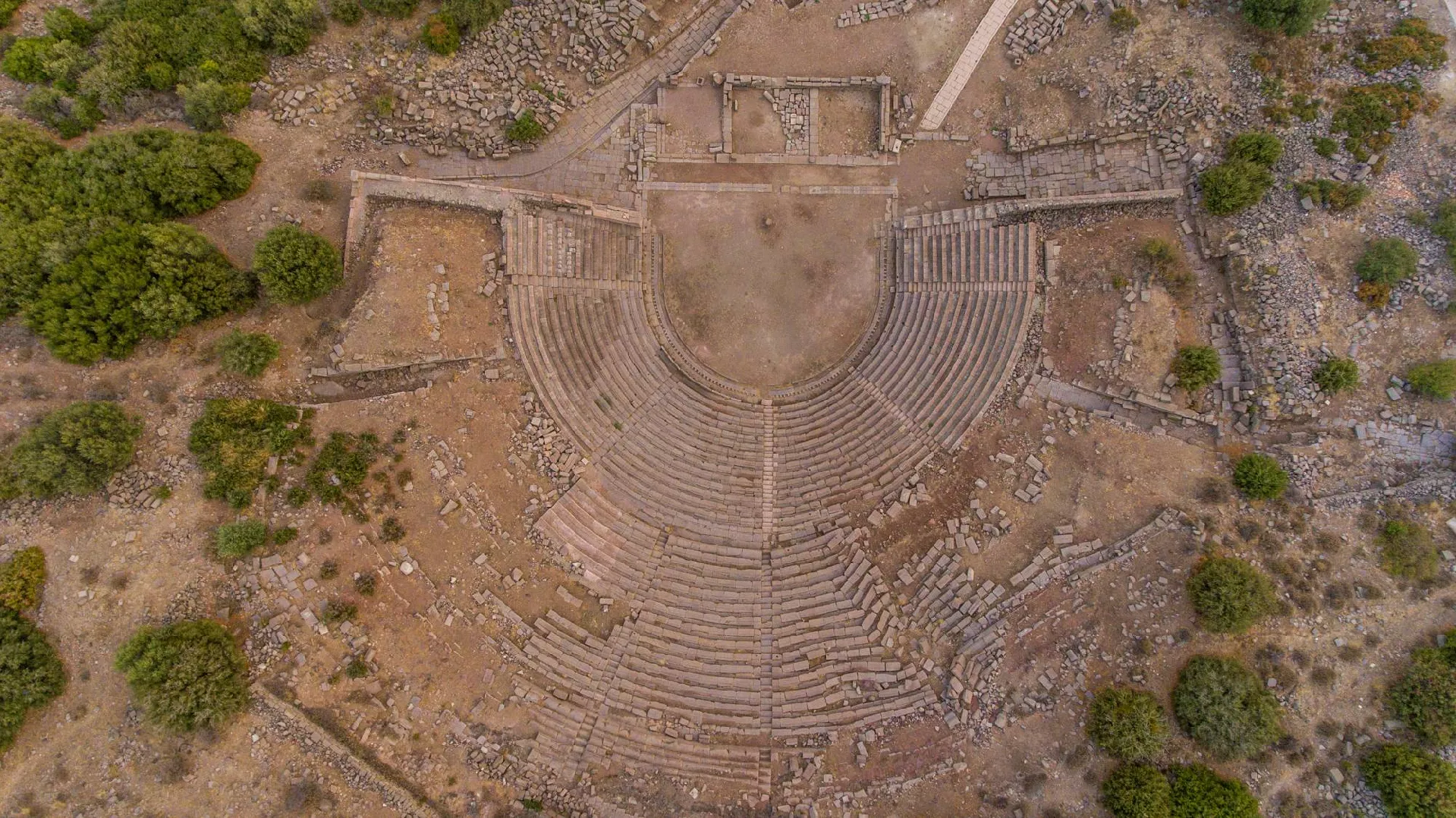
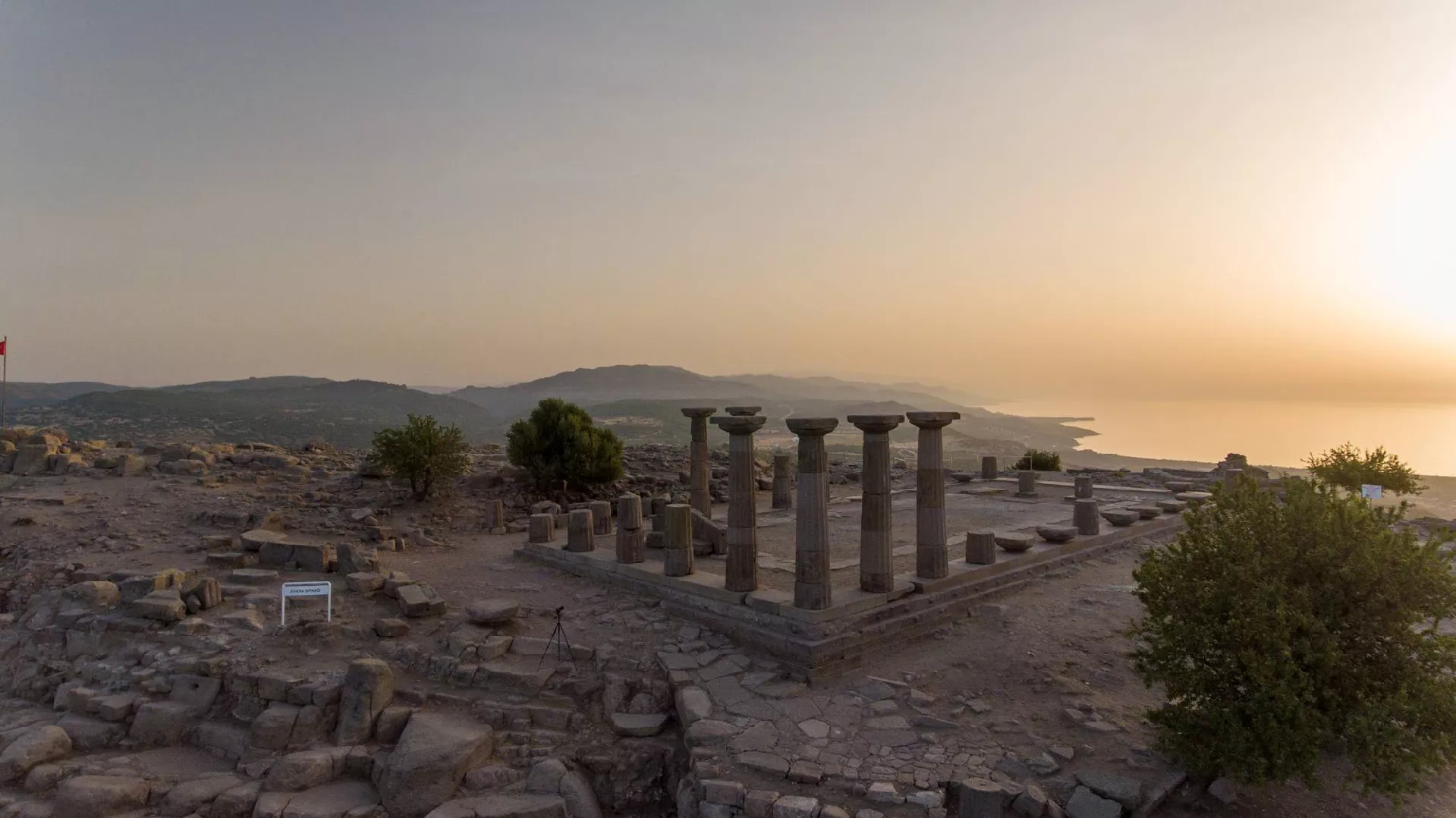
The outstanding Troy Museum, awarded the most prestigious European museum awards, contains a collection of artifacts and findings from regional archaeological excavations. In the province of the same name, 80 kilometers away, lies the ancient city of Assos, perched on a hilltop overlooking the sea. Assos is home to the Temple of Athena, at the highest point of the city, and below it stretches an amphitheater with 5,000 seats. This ancient city also features an agora, a gymnasium, and a theater.
One of the most famous residents of Assos was Aristotle, who founded a renowned philosophical school here before traveling to Hungary to teach Alexander the Great.
Ephesus, Ancient Pearl
In any story related to the ancient cities of the Turkish Aegean coast, the ancient city of Ephesus, visited by thousands of tourists every year, is indispensable. Ephesus, which was considered one of the largest port cities of its time during the Hellenistic and Roman periods, has been on the UNESCO list since 2015. The preserved remains of the Library of Celsus with a capacity of 30,000 visitors, the ancient theater, the Gate of Mazeus and Mithridates, the Temple of Hadrian, and the Temple of Artemis – one of the Seven Wonders of the Ancient World – best illustrate how wealthy the families who lived in the "golden age" of Ephesus were and how they lived. The House of the Virgin Mary, the Tomb of St. John, and the Cave of the Seven Sleepers are also located in Ephesus.
Bergama, in Izmir, is another ancient city on the UNESCO World Heritage list. An important center during the Hellenistic, Roman, and Byzantine periods, Bergama is home to one of the seven significant churches mentioned in the Book of Revelation. Structures in Pergamon that have survived to this day include the Temple of Athena, the Trajaneum, and the Library of Pergamon. A walk from the Upper Acropolis to the modern city of Bergama offers a panoramic view of the entire city from the hill. Today known as the "Red Basilica," the Temple of Serapis is also another "pearl" of Bergama.
Spas
In addition to the famous ancient cities on the Aegean coast, many ancient settlements are located in the interior of the region. Among them are the city of Aizanoi in Kütahya and the ancient city of Sardis in Denizli, both on the UNESCO World Heritage list. Another outstanding monument in Denizli is the ancient city of Hierapolis, which, along with the travertine terraces of Pamukkale, was added to the UNESCO World Heritage list in 1988 as cultural and natural heritage.
In Burdur, on the road to Aydın, lies Aphrodisias, named after Aphrodite, and it was included in the UNESCO list in 2017. Muğla is where the Aegean Sea ends and the Mediterranean begins. This region also holds ruins that date back 8,000 years. In Muğla, there are the ancient cities of Kaunos, Knidos, and Tlos, while Xanthos and Letoon are on the UNESCO list. In Xanthos, the former capital of Lycia, there are Lycian tomb monuments from antiquity. On the road to Datça, a peaceful town in Muğla, you can visit the ancient city of Knidos, located at the mouth of the Aegean Sea into the Mediterranean. In Knidos, a city of culture and art and once an important trading center, you can observe where the Aegean Sea and the Mediterranean meet from the magnificent city theater and embrace the magic of this unique geography where history was written.
Komentari (0)
Prijavite se za komentiranje
PrijavaJos nema komentara. Budite prvi!
Minuta
Sve →Iz drugih kategorija

High Representative Not Elected: Germans, French and British Against Americans, New Attempt at End of June

ČOVIĆ WITHOUT MERCY: How Those Who Brought Ademović to Office Created a Political Hell for Him



Sunny Saturday, quite warm



Tragedy in Albanian resort: Two minors drown












