
By Armin Sijamić
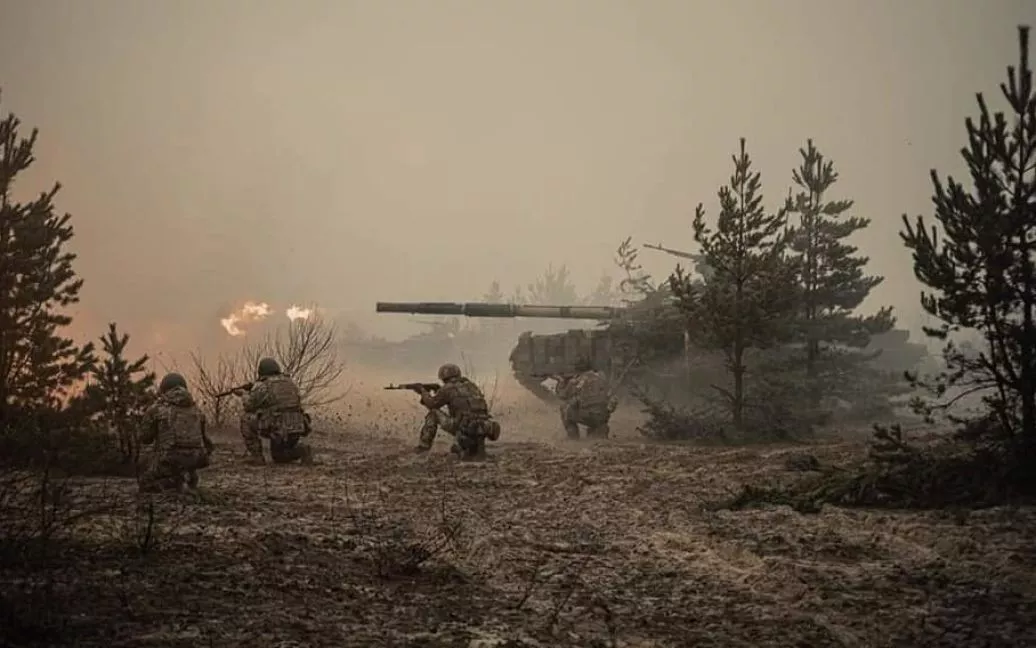
The end of September and the beginning of October will be remembered by many in Ukraine. Two heavy military defeats come along with the uncertainty of the US presidential election on November 5. The Russian army is advancing in the east, regardless of the losses it is suffering, and is causing nervousness in the Ukrainian ranks.
At the end of last month, Ukrainian President Volodymyr Zelensky visited the United States, where he presented his "victory plan" to President Joseph Biden and Vice President Kamala Harris, who is a candidate in the upcoming presidential election in a close race against Republican candidate Donald Trump. Zelensky also presented his plan to Trump at a meeting at his residence in New York.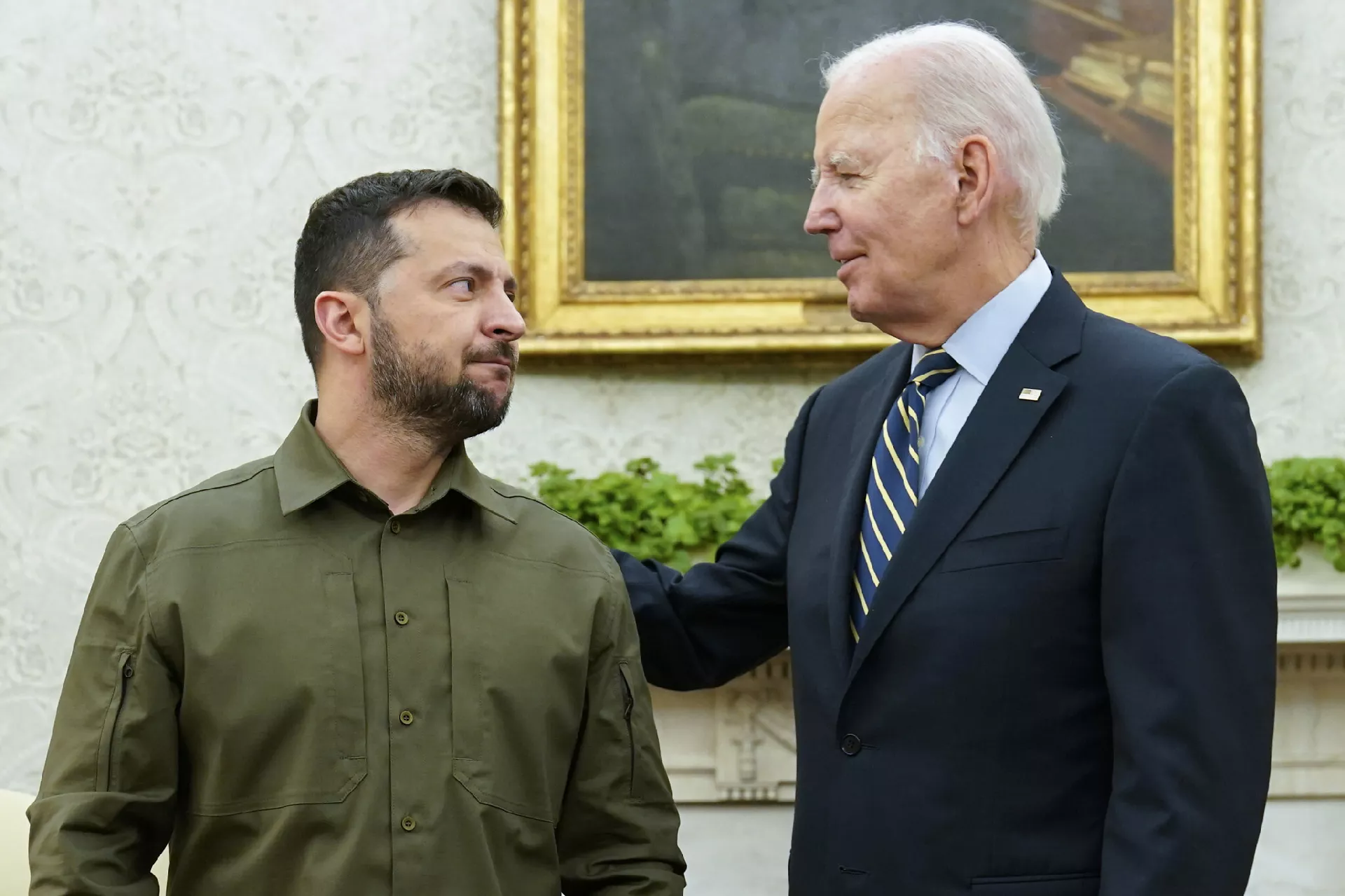
According to reports from American media, some officials were not enthusiastic about the plan, because insisting on the territorial integrity of Ukraine means a military defeat for Russia, which can only happen if Russia is militarily broken, and that Kyiv needs new quantities of weapons and strong diplomatic pressure on Moscow for this purpose.
On Friday, Zelensky will present the plan to allies at a meeting in Germany, at the Ramstein military base. In front of a large number of officials, Zelensky is expected to reiterate the demands made in the United States and specifically insist on permission to use Western weapons deeper into Russian territory.
Further from Donetsk
What is the point of weapons if they cannot be used? Permission to use weapons on internationally recognized Ukrainian territory is yielding fewer and fewer results, as Russia keeps its strategic forces far from the front line.
The use of such weapons might help Kyiv defend Vuhledar, which was called the "fortress city." Russia attacked the city for thirty months; before the war, it was an important logistical hub in Donbas. Since the beginning of the aggression, it has been an important hub for Kyiv to deliver logistics to forces in southern Donbas. From there, Ukraine could target Russian logistical routes between Donetsk and Mariupol.
Located on hilly terrain and surrounded by plains, Vuhledar gave the Ukrainian army an advantage. From there, the army stopped Russian advances west towards Zaporizhzhia, or north towards Pokrovsk. With the loss of Vuhledar, which occurred on the last day of September or the first day of October, Russia will have the opportunity to use the railway between Donbas and Mariupol, from where it can supply Crimea by land, which is connected to Russia by a bridge and has been hit by Ukraine multiple times.
Ukrainian media claim that the Russians suffered heavy losses during the capture of Vuhledar. The development of the situation on the front seems to have resembled the battle for Marinka and Avdiivka, where Ukraine suffered one of the biggest defeats in this war.
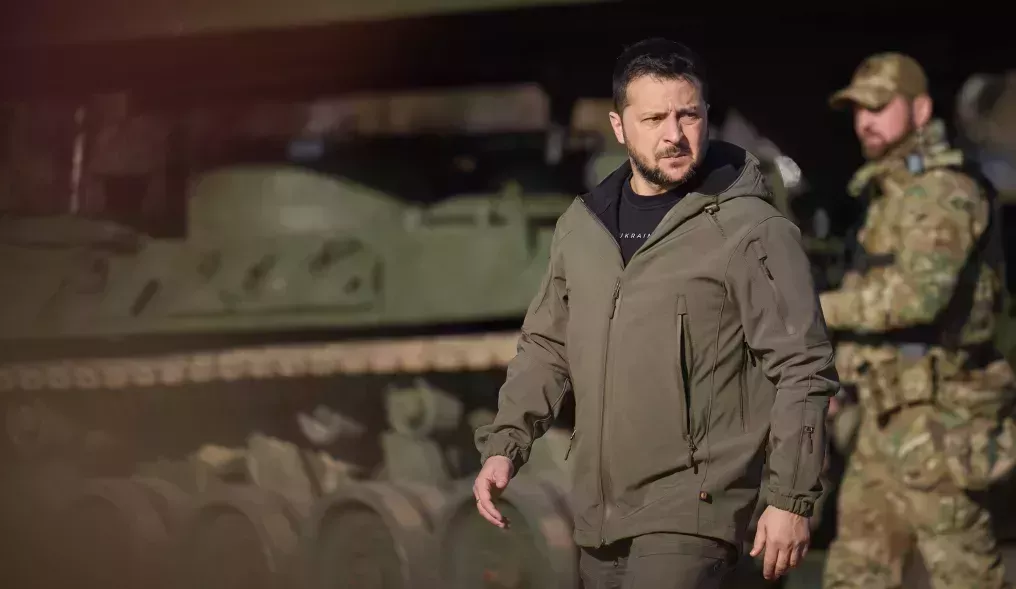
About eighty kilometers further north, the Ukrainian army suffered an equally heavy defeat, perhaps even heavier than the one in Vuhledar. After ten years of war in Donbas, Kyiv does not control Toretsk. This city, until 2016, bore the Soviet-era name Dzerzhinsk, and was an important stronghold of the Ukrainian army in the conflict with pro-Russian separatists and then against the regular Russian army.
Ukrainian officials say that the Russians have entered parts of the city and that fighting is still ongoing. Russian media say that the Russian army controls the town. We have seen such a depiction of the situation on the ground before, for example in Marinka, where Kyiv initially does not want to admit the loss of a place.
Toretsk is not as important for Russian forces as Vuhledar, but it might be even more important for Ukrainian forces. Besides resisting attacks for a decade and being an important point for launching attacks, the city is located near the road connecting Pokrovsk and Kostyantynivka, which is the main supply route for Ukrainian forces in the east. Moscow will use the Ukrainian withdrawal to attack Chasiv Yar, where heavy fighting is ongoing, and the aforementioned Pokrovsk and Kostyantynivka, approaching from the southeast towards Kramatorsk.
Waiting for the US election and the rain
A look at the map of Ukraine reveals Russia's plans. Vuhledar and Toretsk were like wedges in Russia's side. The attacks show that Russia has not abandoned its strategy of attacking fortified positions from the flank, using the fact that neither side has as many soldiers as they would like on the long front line. Then, Russia wants to push Ukrainian forces away from Donetsk, from the current few tens of kilometers.
The battles for Vuhledar and Toretsk will not determine the fate of this war, perhaps not even the fate of the war in Donbas. But the battles took place at a difficult time for Kyiv, as the US elections approach with Harris and Trump in a dead heat. Kyiv is not sure of the outcome, and the president does not enter the White House until January. Kamala Harris's victory would likely be a better option for Kyiv, but no one can bet on it.
Trump's policy is unknown, and it would not mean that he would implement something he announced, and he was mostly vague about the war in Ukraine, except that he wants to stop the war and will do so as soon as he wins, without giving details on how he intends to achieve it.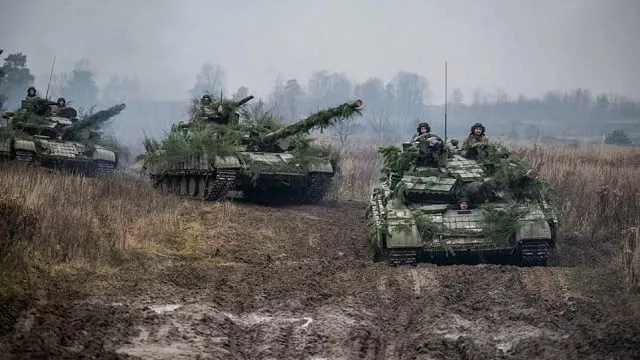
For a long time, the Biden administration has been trying to prepare Kyiv for a day without US aid at the current level. The problem could be overcome if European allies take on the burden for the war in Ukraine. The US is the main financier of Kyiv, and the European Union has allocated 43.5 billion euros for military aid to Ukraine, said Josep Borrell, the High Representative for Foreign Affairs and Security Policy, in August. Trump would be delighted if European money were used to buy American weapons.
Although 43 billion euros is a huge amount of money, it is not much for an economic giant like the EU. Some have calculated that it is only 0.3 percent of the GDP for each member state of the Union. For such an amount, Ukraine has been resisting the Kremlin for thirty months and, according to European officials, defending European security and values. For comparison, Russia will spend a record 143 billion dollars on its military in 2025, an increase of 32 billion compared to this year.
Zelensky will try to use this week's meeting in Germany to convince allies to continue their support and to convince them that Ukraine can win the war, if for no other reason than to exhaust Russia. Moscow controls less than twenty percent of Ukrainian territory, after the war began in 2014 and after Russia launched its aggression thirty months ago. A rough calculation, which may not mean much on the battlefield, suggests that at this rate, it would take Russia decades to break Kyiv, if one side does not experience a financial collapse beforehand.
Zelensky and his supporters in the West will try to convince the undecided that Kyiv has a chance to win and that only heavy losses for Russia, both human and material, can force the Kremlin to end the war. The operation in Kursk could serve as one of the more important arguments in these plans.
How successful Kyiv and the West will be in this will be shown in the coming period, starting from this week's meeting until the US elections. Until then, official Kyiv also needs a bit of luck, or rather, a change in weather conditions in eastern Ukraine, which would slow down Russian forces. Rains are starting in that part of Europe, which soak the ground and thus prevent armored units from moving outside existing roads. Then, a lull occurs on most of the Ukrainian front, and preparations for new battles begin.
Komentari (0)
Prijavite se za komentiranje
PrijavaJos nema komentara. Budite prvi!
Minuta
Sve →Iz drugih kategorija

High Representative Not Elected: Germans, French and British Against Americans, New Attempt at End of June

ČOVIĆ WITHOUT MERCY: How Those Who Brought Ademović to Office Created a Political Hell for Him



Sunny Saturday, quite warm



Tragedy in Albanian resort: Two minors drown












