
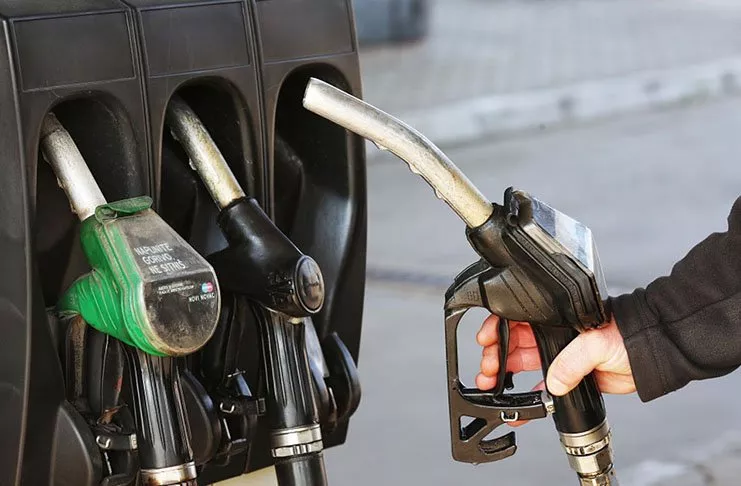
SARAJEVO, (Patria) - The Bosnian entity Republika Srpska faced one of the biggest energy crises without any reserves, which is why it is now buying fuel urgently and at „exorbitant“ prices, even though just a few years ago it owned two oil terminals capable of storing 32.6 million litres of fuel.
Had it used those capacities and bought fuel two years ago when it cost 1.45 KM per litre, RS would have saved as much as 50 million KM, writes Capital, as reported by BN Television.
During the privatisation of the Oil Industry, RS practically gave away the oil terminals in Vrbanja, Banja Luka, and Brezičani near Prijedor to the Russian company „Njeftegazinkor“, only to have the Russians return them a few years later in exchange for writing off millions in tax debts of „Petrol“ (now „Nestro petrol“).
The terminals were returned to the RS Commodity Reserves, which never put them into operation because their reconstruction, according to estimates by the then management of the Commodity Reserves, would have required several million KM, which the company did not have.
Due to accumulated debts to the Indirect Taxation Authority (UIO) of BiH and the collapse of cooperation with „Farmland“, the Commodity Reserves went bankrupt five years ago, leaving RS without any reserves.
The oil terminal in Prijedor was meanwhile sold in bankruptcy proceedings to the company „Hifa oil“ for 1.5 million KM, while the one in Vrbanja has not yet been offered for sale due to unresolved property issues.
ERS urgently procures 10 million litres of diesel
Meanwhile, RS is urgently buying fuel for the needs of thermal power plants in Ugljevik and Gacko at far higher prices than just a few months ago.
"Elektroprivreda Republike Srpske“ has initiated a negotiated procedure without prior publication of a notice for the urgent procurement of diesel fuel.
"The subject of this procedure is the urgent procurement of diesel fuel (semi-annual quantities necessary for the operation of TPP „Gacko“ and TPP „Ugljevik“ in the amount of 10,214,650 litres) which will be stored in available tankers (RS, commodity reserves, and similar) in accordance with the decision of the RS Government of March 3,“ stated in the ERS information on the negotiated procedure.
Only two conditions are required from bidders regarding technical and professional capacity: that they are authorised to sell and store diesel fuel and that they have available storage and preservation capacities for the quantity of fuel ERS intends to purchase.
The price of fuel at pumps is now around three KM, double what it was two years ago when diesel could be bought for 1.45 KM.
Now, ERS will pay over 30 million KM for 10.2 million litres, whereas two years ago it could have bought that quantity for half the money.
Gavran: Only here can Commodity Reserves and „Lottery“ go bankrupt
Economic analyst Igor Gavran tells CAPITAL that this entity is a unique case in the world where a company like the Commodity Reserves goes bankrupt, and a company like „Lottery“ operates at a loss or in debt.
„Commodity Reserves are a strategic company, and if managed even somewhat normally, it is impossible for them to go bankrupt because they can earn money just from using the goods in reserves. So, it was difficult to drive such a company into bankruptcy, and on the other hand, it is such a strategic loss for RS not only in the current situation but generally. They are always needed, and it should not happen under any circumstances that they are absent,“ Gavran believes.
He emphasised that any fuel procurement under these circumstances will cost drastically more, while such valuable facilities as the terminals remain unavailable and unused.
He says that the Federation of BiH is not in a much better situation than RS, although it still has commodity reserves, as do the cantons.
„The only reason the Federation of BiH seems in a better situation compared to RS is that it has commodity reserves, while in RS they have completely failed. In the Federation, reserves exist, but there is also great non-transparency; it is very difficult to get information on how much of anything is actually in those reserves, so it is hard to say how much security they provide. On the other hand, they are mostly not used, there is no market intervention to lower prices, as Serbia does,“ Gavran concluded.
The RS Commodity Reserves went bankrupt in 2017 due to over-indebtedness. The company had millions in debts to the Indirect Taxation Authority (UIO) of BiH, and one of the business problems was the contract with „Farmland“, given that they had given cows and grains to that company for safekeeping, only to end up losing everything.
Komentari (0)
Prijavite se za komentiranje
PrijavaJos nema komentara. Budite prvi!
Minuta
Sve →Iz drugih kategorija

High Representative Not Elected: Germans, French and British Against Americans, New Attempt at End of June

ČOVIĆ WITHOUT MERCY: How Those Who Brought Ademović to Office Created a Political Hell for Him



Sunny Saturday, quite warm



Tragedy in Albanian resort: Two minors drown












