
By Armin Sijamić
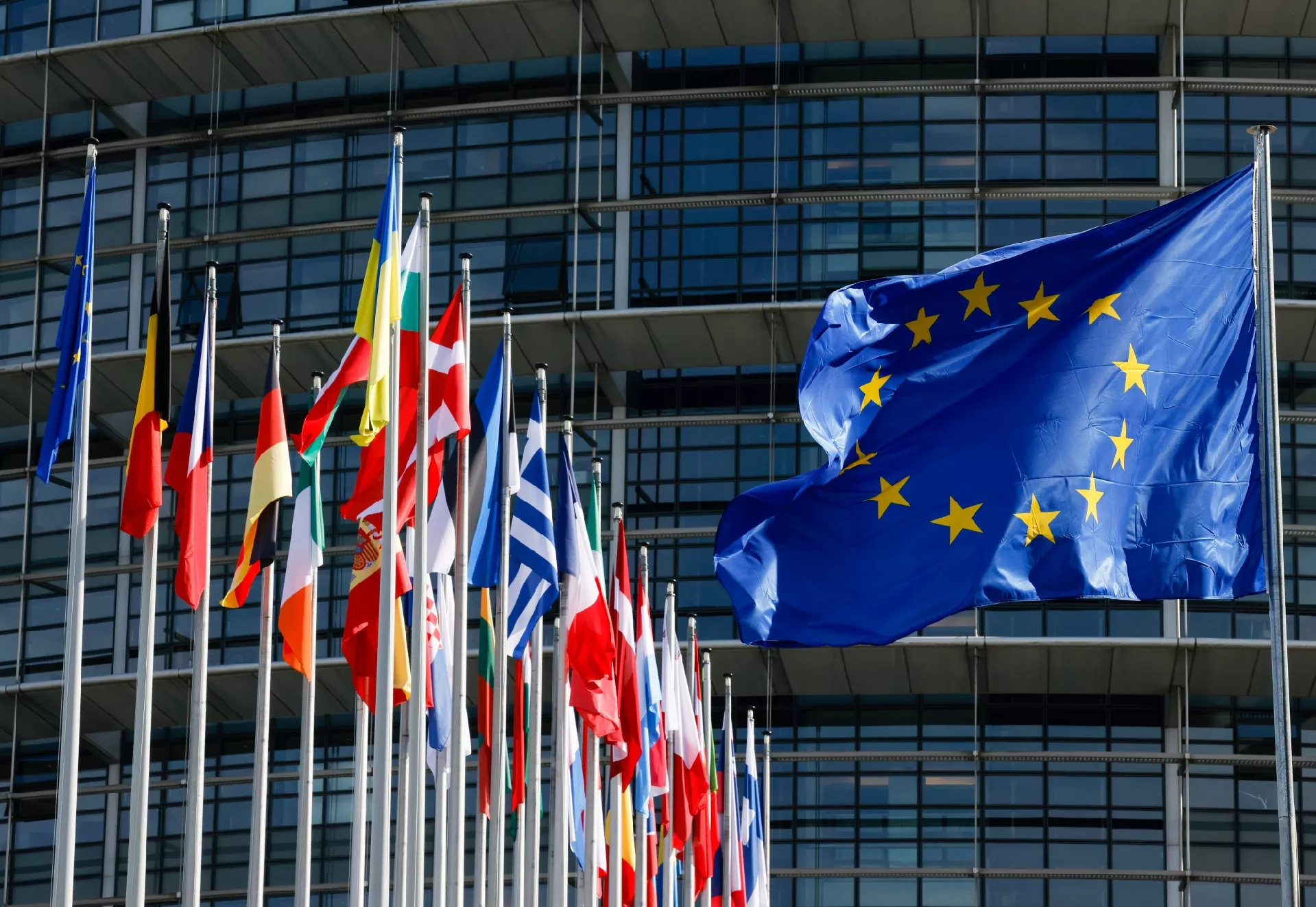
Citizens of the European Union will elect a new European Parliament from June 6 to 9. Although there are many issues that concern citizens and vary from country to country, the main question facing the public is whether the far-right will achieve a good election result.
The European Parliament is the only transnational parliament in the world directly elected by citizens and also the only EU body elected by citizens. Other Brussels officials are elected far from the eyes of voters, so people unknown to the public often end up in the most important positions.
Therefore, the European Parliament elections have special weight, as elected parliamentarians protect the interests of those who vote for them, as well as the interests of the country they come from. They are elected for a five-year term, and the parliament's most important powers include adopting laws applicable in the Union, approving and overseeing the EU budget expenditure, and appointing the President of the European Commission after member states agree on a proposal.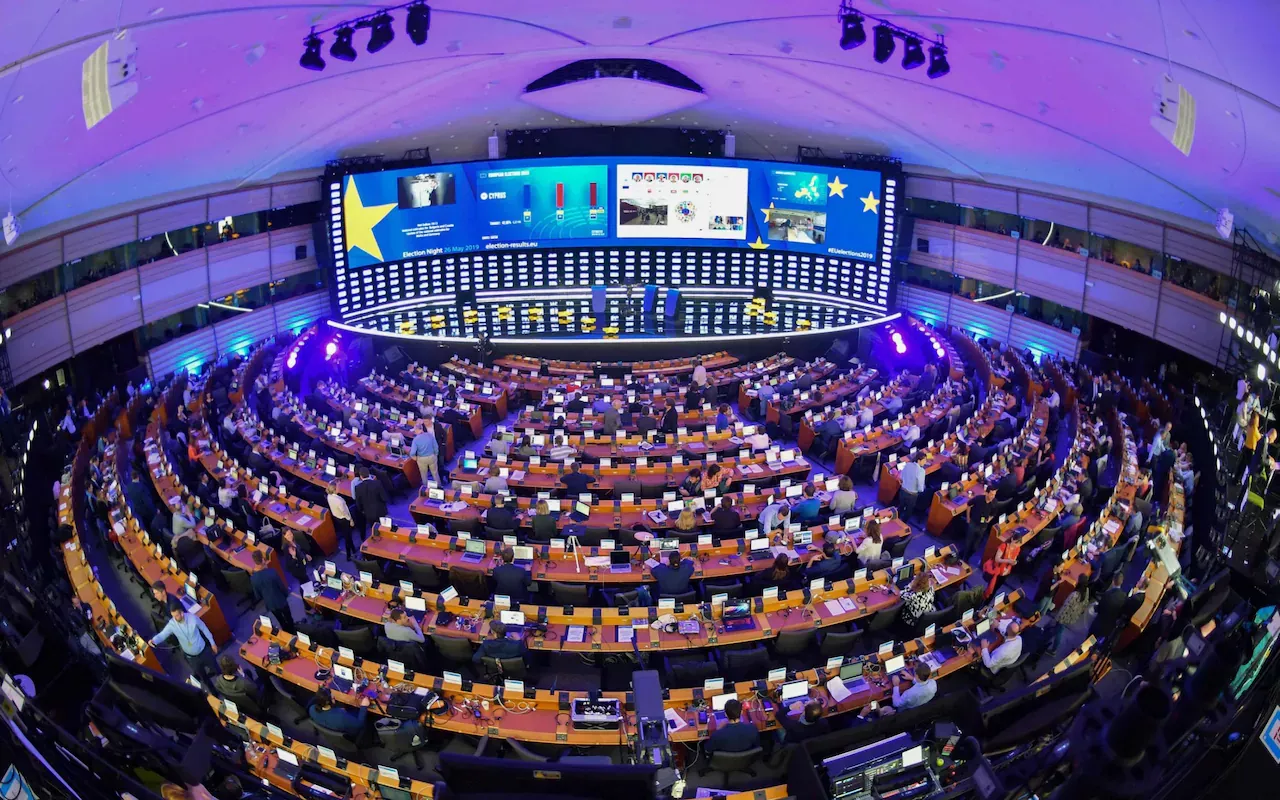
Many will say that these are modest powers for a parliament, especially considering the political and economic weight of the European Union, and that the parliament is merely a kind of debating club where cadres from member states are sent or sidelined. They argue that this parliament has almost no influence on Brussels' foreign policy. Due to the above, voter turnout is not high.
However, thanks to social networks and the internet, the European Parliament is an important stage if someone wants to impose certain topics. Let's recall how Nigel Farage advocated for the United Kingdom's exit from the European Union from that parliament for years, which later made him an important figure in the Brexit referendum. Or the Greens, who turned this parliament into an important body dealing with climate change, i.e., climate and environmental regulations.
The parliament is also a place where politicians, often young people, deal with issues that later become major topics. Thus, the European Parliament has established itself as a reference point for regulating the business of large technology companies and the use of artificial intelligence. In both areas, the EU lags behind the United States and China, so the parliament's decisions have become the basis for regulating these areas. Thanks to the regulations adopted by the parliament, some American and Chinese companies have been fined and restricted, and it is hard to imagine that some small member states of the Union could have done this on their own.
Springboard and Divisions
On the other hand, European Parliament elections are a test of strength on the domestic political scene for many, a kind of poll showing which topics mobilize the largest number of people. Marginal parties, whether far-right or far-left, particularly use these elections as a platform to promote theses that are sometimes contrary to the policies of the Union and member states. Let's recall the statements of members of Marine Le Pen's right-wing party, or members of the Spanish left-wing party Podemos before they became part of the government in Madrid.
Ahead of these elections, the main topic promoted by most European media is how many votes the right-wing will get, i.e., whether those who would likely fight each other if the Union didn't exist will manage to get enough votes to impose the topics that interest them. Thus, the issue of European right-wingers has become an issue of mobilizing those who oppose them and those who support them.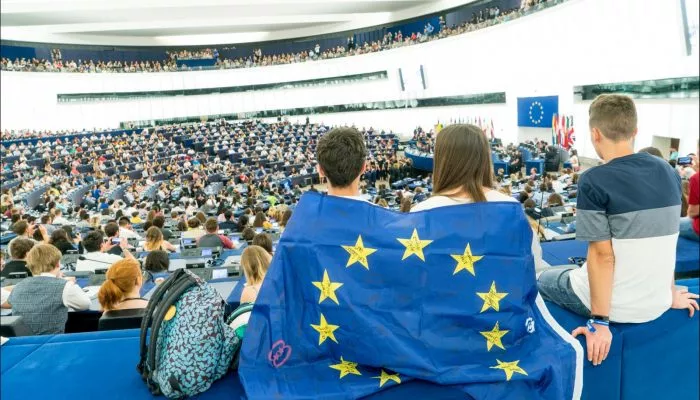
Although it is difficult to find one thing on which European far-rightists fully agree, the media have highlighted issues of migration, the war in Ukraine, and relations with Russia. For the rest of the major parties, climate change is the main topic, followed by human rights (which include migration) and also the relationship with Ukraine and Russia. Few deal with other issues, i.e., issues not closely related to the national frameworks of the countries they come from.
The greatest public attention is focused on countries that provide the largest number of representatives in the 720-member parliament. Germany elects 96, France 81, Italy 76, Spain 61, Poland 53, Romania 33, the Netherlands 31, followed by Belgium with 22. Cyprus provides the fewest representatives with 7, and Luxembourg and Malta with 6 each.
After being elected to parliament, they join supranational groups, of which there are seven in the current term. The largest are those that bring together people's and conservative parties, followed by social democratic and socialist parties, and the smallest are those that bring together the far-right and far-left.
Important Issues Without Answers
For citizens of the European Union, as well as for citizens around the world, the most important issue in almost every election is the economic situation. The quality of life is what mobilizes voters, but not in these elections. Economic problems are not an important topic, as they have been overshadowed by security issues.
The far-right, for example, believes that the economic crisis within the Union is a consequence of the relationship with Ukraine and Russia, and they demand an end to aid to Kyiv. According to their plan, the war in Eastern Europe should end with Kyiv being left alone and without weapons from the West. Furthermore, they believe that the mass arrival of illegal migrants in Europe is a security and economic problem.
The rest of those going to the polls, excluding the far-left who will not receive significant voter support, consider climate change and the green transition to be priority issues that will determine the quality of life in the future. For them, migration is an issue of humanity, and support for Ukraine as a victim of Russian aggression is unquestionable.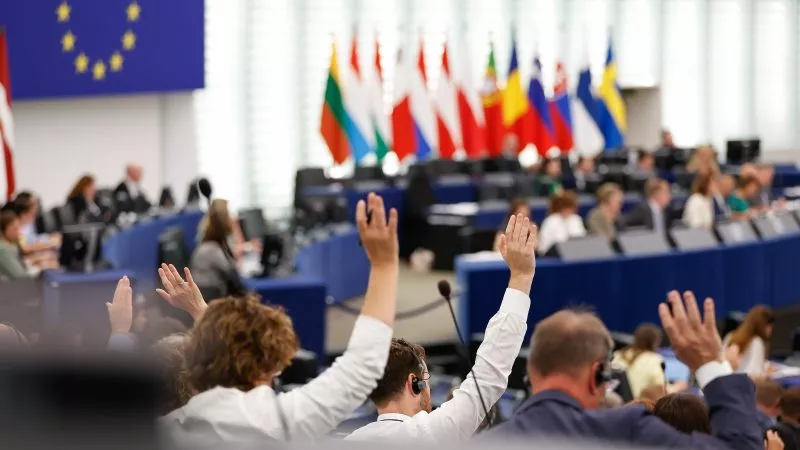
The problems in the European Union are evident. Rising energy prices, inflation, an increase in illegal migrants (which led the police in Sweden to call in the army for help, for example), high youth unemployment rates and low wages for many employed young people, high real estate prices, low fertility rates and high emigration rates from some countries to the point of depopulation (the case of Bulgaria or Spain, for example), the strengthening of extremists across Europe... are just some of them.
However, these issues will not be the main focus of these elections in a way that provides answers that are not ideologically and daily politically colored. Thus, right-wing Christian parties, about whom former Polish President and Nobel laureate Lech Walesa says they "have not a single believer among their members," will go to the polls, as will leftists who defend corporations against workers, and mainstream parties that do not object when Brussels bureaucracy erodes the grand idea of a united Europe, while the public awaits a new great European politician with a plan and vision for the entire continent.
Komentari (0)
Prijavite se za komentiranje
PrijavaJos nema komentara. Budite prvi!
Minuta
Sve →Iz drugih kategorija

High Representative Not Elected: Germans, French and British Sabotaged Americans, New Attempt at End of June

ČOVIĆ WITHOUT MERCY: How Those Who Brought Ademović to Office Created a Political Hell for Him



Sunny Saturday, quite warm



Tragedy in Albanian resort: Two minors drown












