
By Armin Sijamić
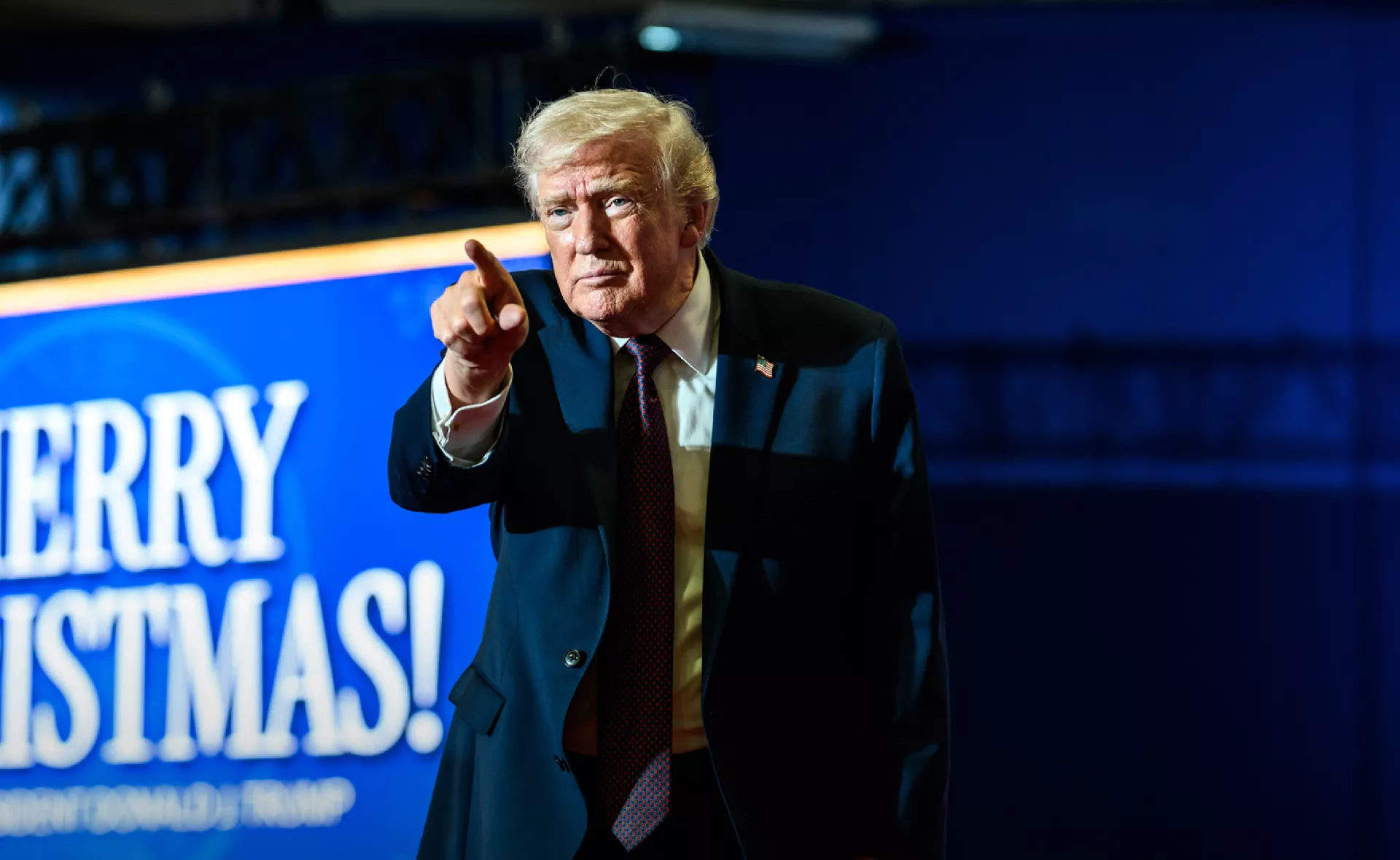
Donald Trump's return to the White House has disrupted transatlantic relations to such an extent that official Washington is imposing sanctions on former European Union officials. This shows that allies in the West have entered a phase of relations that we have not witnessed before.
In mid-September, the American Bloomberg stated in an analysis that Europe can no longer be managed, as more leaders "cannot get the job done." Europe, it is stated, is torn between the interests of the United Kingdom, France, Germany, but also smaller European powers like Spain and Poland.
It is further stated that the situation in Europe is exacerbated by the war in Ukraine, Trump's return to the White House, while at home the gap between what presents itself as the political right or left is growing.
Changes Have Come
From an American perspective, this means that it is not possible to conduct serious policy with Europe, as there are too many obstacles. Trump had this problem in his first term as well. His conversation with German Chancellor Angela Merkel is well-known, during which he repeatedly offered Washington and Berlin to conclude a trade agreement, and she refused, explaining that Germany is a member of the European Union.
In his second term, Trump found the same situation. European powers are on opposite sides on many issues, even within the European Union. Brussels has struggled in recent years with making the simplest decisions, even mere statements that are not binding on anyone.
Associates, even before Trump returned to the White House, fired salvos at European powers. The richest man in the world, Elon Musk, was particularly harsh towards British Prime Minister Keir Starmer, and later US Vice President JD Vance joined the criticism. The belligerent Vance objected to the European stance on migration, elections across the continent, relations with certain parties that classify themselves as right-wing, media censorship, and the regulation of social networks.
That struggle continues. This week, Washington banned five citizens of European countries, including former EU official Thierry Breton, from entering the US. Breton became widely known to the American and European public after commenting that Brussels could annul elections in Germany if Alternative for Germany (AfD) wins, just as in Romania.

In addition to Breton, who was one of the key figures in the creation of the European Digital Services Act – and who is targeted by the heads of American social networks, sanctions were also imposed on Imran Ahmed, founder of the Center for Countering Digital Hate US/UK, Clare Melford, founder of the Global Disinformation Index based in the UK, and Anna-Lena von Hodenberg and Josephine Ballon from the German NGO HateAid. According to Washington, they were accomplices in an attempt to impose censorship on American citizens and violate their right to freedom of speech. The Trump administration linked them to Joseph Biden as partners in the same endeavor.
Ideological Differences
Many reacted to the sanctions against the mentioned individuals – the leadership of the European Union, France, the UK, Germany... In their similarly expressed reactions, they claim that this move by Washington is a blow to democracy and that they firmly stand by the principle of freedom of speech.
On the other hand, US Secretary of State Marco Rubio said that the sanctioned quintet leads "efforts to force American platforms to penalize views they oppose." The aforementioned European Union law, according to Rubio, is "an attack by foreign governments on all American digital resources and the American people themselves." The US Secretary of State then warned that this could be the beginning of a fight against European and other censors.
Therefore, the dispute between Washington and Brussels is also ideological, although both sides do not question the order based on liberal capitalism. The two sides clearly have different views on the definition of freedom of speech, especially on social networks. Behind this disagreement lies the attitude towards politics, (illegal) migration, LGBT+ people, the media, and human rights in general.
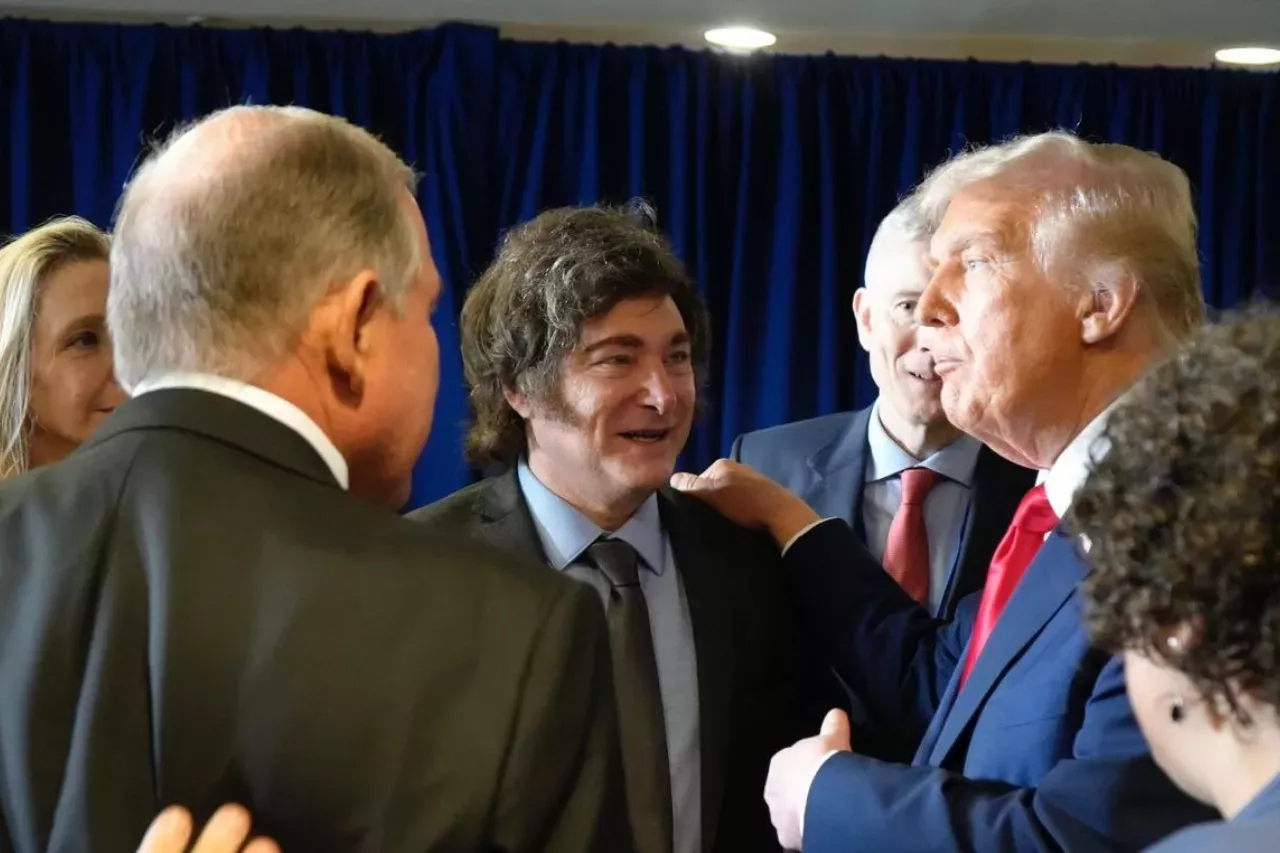
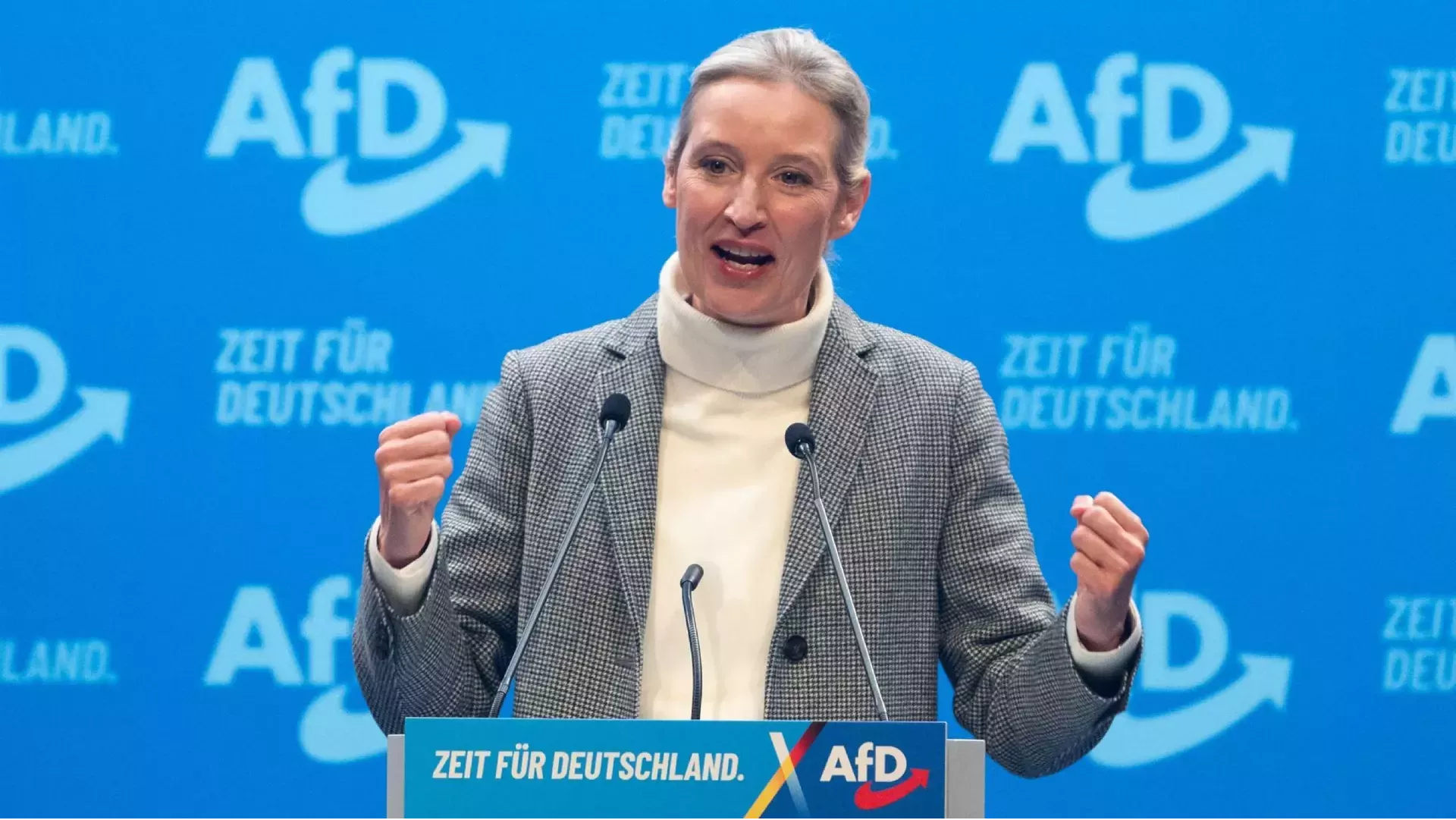
This division determines Trump's attitude towards some European countries. In his club of right-wingers are some of the "bad guys" of European politics, including the aforementioned AfD, right-wing parties in France, Italy, the UK, Spain, Poland, and Hungary. These are mainly opposition parties that have a chance to come to power amidst numerous crises within European countries. All of them count on Trump being able to direct political currents in Europe, as he recently did in Argentina.
The aforementioned sanctions show how the gap between Trump and European powers is widening. Trump's intention to defend American citizens from censorship could also be tested in the United States. For example, his supporters also accuse his administration of preventing the release of all information the state has in the case of the infamous Jeffrey Epstein for months.
European Choice
In processes related to social networks, artificial intelligence, and the media, European countries are dwarfs compared to Washington, although the European Union is trying to assert itself as a factor by writing laws that many American companies see as a threat to their development.

However, this could be just one of the fields of confrontation between Trump and European leaders, or an introduction to a much more serious conflict that would encompass more areas. There is no doubt that Trump will again support some candidate in the upcoming elections and perhaps thus lead to the downfall of some European government.
Those who "survive" Trump may then begin to consider a different relationship with the White House as long as supporters of current American policy sit there. In this context, Vance and Rubio are particularly important, as they could be heads of the next American administration, and according to Trump himself, who is not eligible to be a presidential candidate again.
Thus, it could happen that Europeans choose the quality of their relationship with Washington in the next elections. It should be remembered that Trump suffered his first major foreign policy defeat in his second term in this year's German elections.
Komentari (0)
Prijavite se za komentiranje
PrijavaJos nema komentara. Budite prvi!
Minuta
Sve →Iz drugih kategorija

High Representative Not Elected: Germans, French and British Sabotaged Americans, New Attempt at End of June

ČOVIĆ WITHOUT MERCY: How Those Who Brought Ademović to Office Created a Political Hell for Him



Sunny Saturday, quite warm



Tragedy in Albanian resort: Two minors drown












