
By Armin Sijamić
In mid-August, US President Donald Trump addressed Taiwan on several occasions and on various topics and in different contexts. Is Trump announcing a change in US policy towards Taiwan?
The summit in Alaska between US President Trump and his Russian counterpart Vladimir Putin overshadowed numerous other crises and processes in the world. However, Trump found time to address other topics as well, which is particularly important in the context of negotiations with Putin and his attitude towards Ukraine.
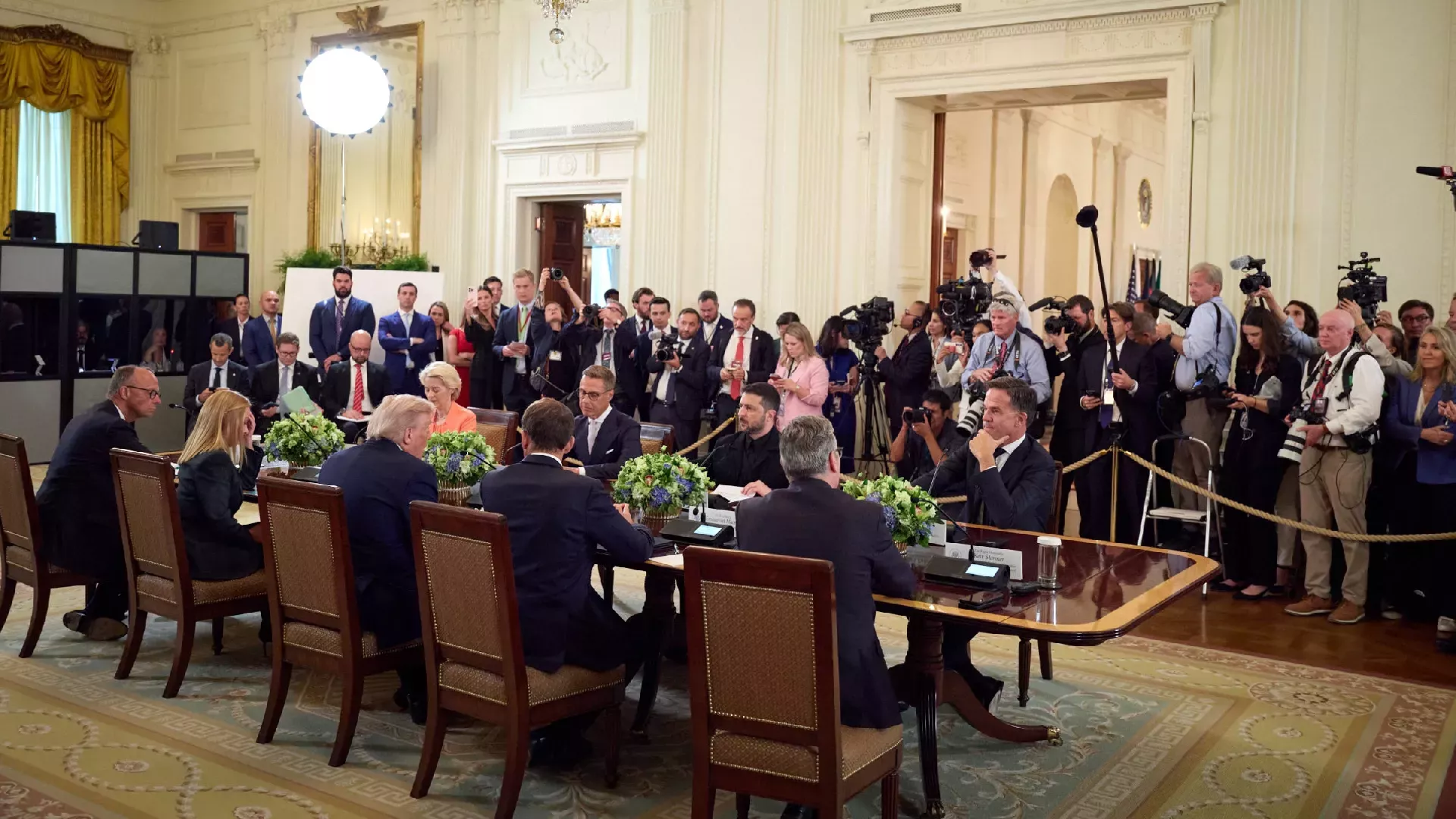
During those days, Trump carefully chose media interviewees, while remaining active on social media as before. He used the negotiations with Putin to send several other important messages to the two most populous countries in the world - India and China.
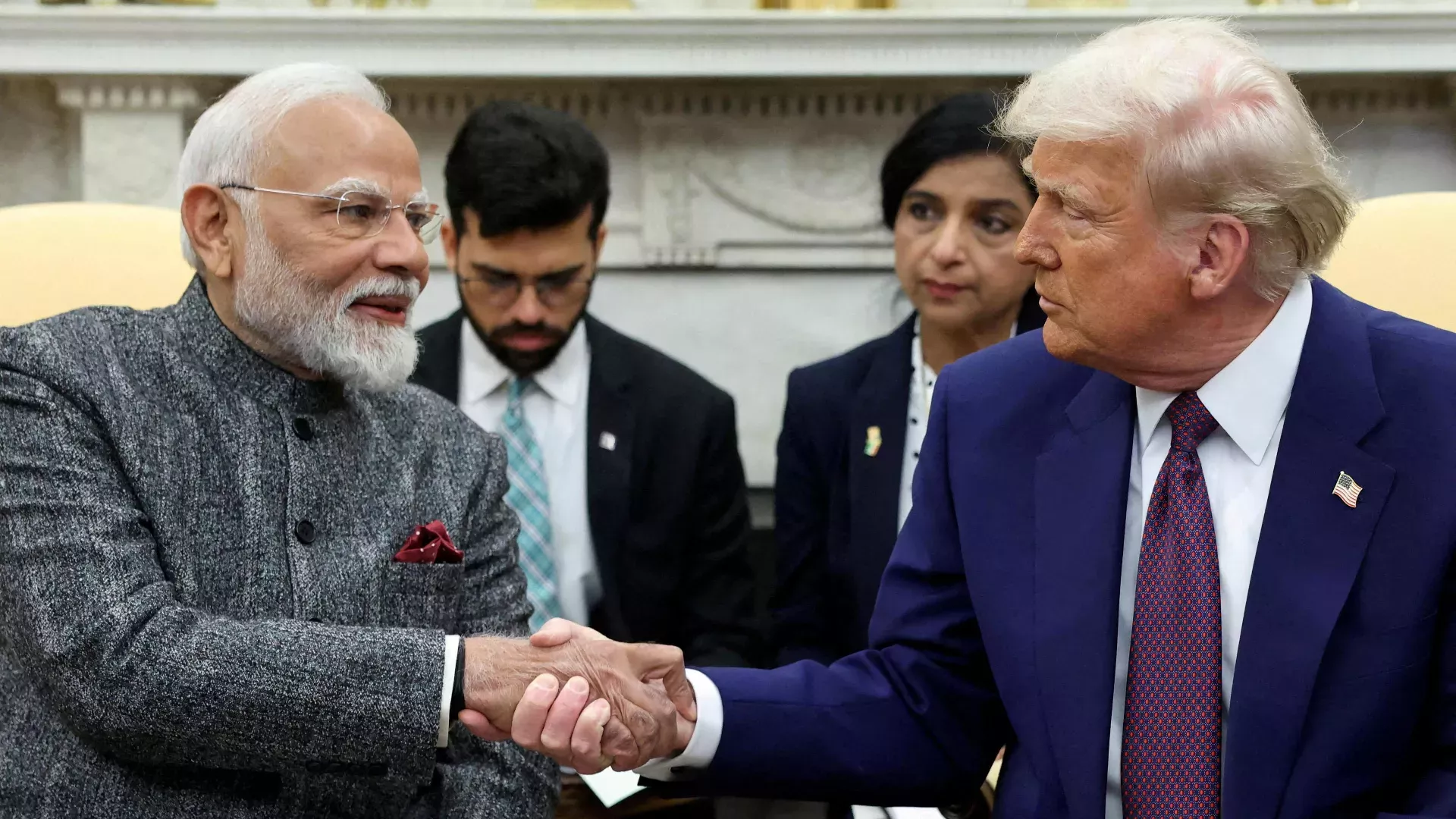
It should be recalled that the Trump-Putin summit came shortly after the US President told the Kremlin that they had until August 8 to show they wanted peace in Ukraine, or else he would impose so-called "secondary sanctions" on Russian oil, which would primarily harm India, a major buyer of Russian oil and a country important for US geopolitical interests in Asia and the Pacific.
Trump's Old Concern – China
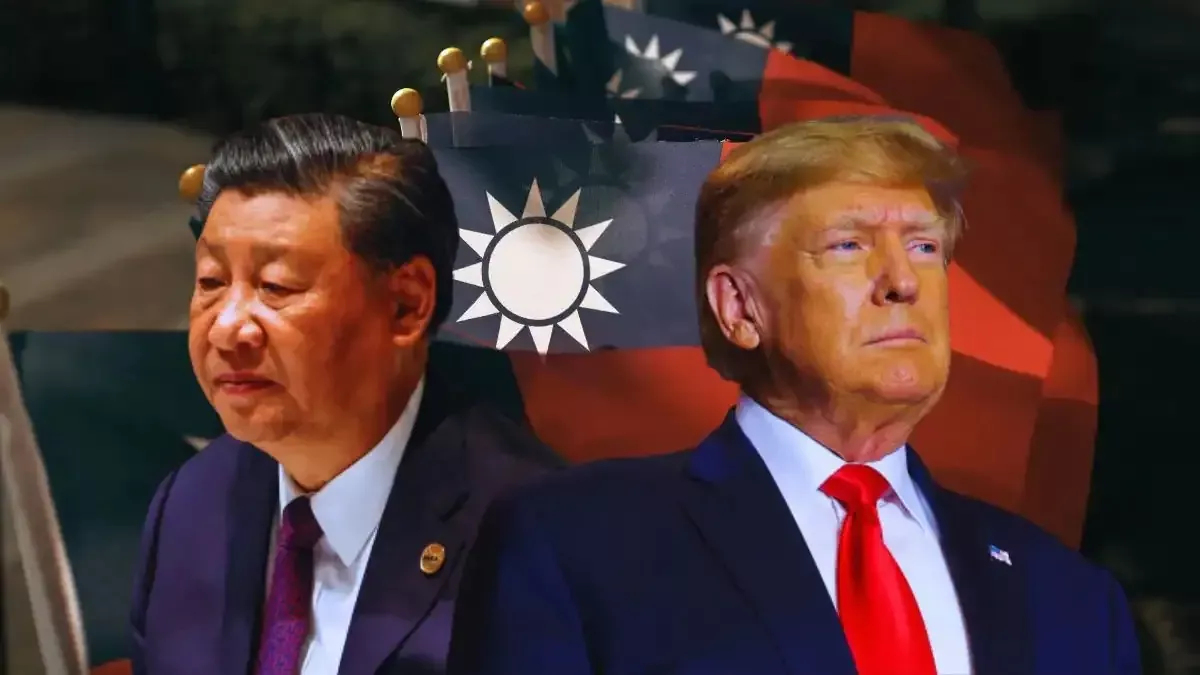
But Trump did not forget China during those days either, a country that US strategists call the greatest geopolitical challenge in the history of the United States. In an interview with Fox News, which is close to him, shortly before the meeting with Putin, Trump said something that the Chinese side has neither denied nor confirmed, especially not its President Xi Jinping.
"I will tell you, you know, you have a very similar thing with President Xi of China and Taiwan, but I don't believe there's a chance of that happening while I'm here. We'll see," Trump said, referring to Russia's invasion of Ukraine and the possibility of something similar happening elsewhere, reiterating that the war in Eastern Europe would never have happened if he had been in the White House. "He told me: 'I will never do it while you are president.' President Xi told me that, and I said, 'Well, I appreciate that,' but he also said, 'But I am very patient, and China is very patient,'" Trump added.
Dealing with China is not surprising. It is Trump's policy from his first term, when he sought to prevent Beijing's growing influence. He imposed sanctions and various restrictions on Chinese companies, especially those involved in the development of 5G technology, chip manufacturing, and the procurement of rare metals. Joseph Biden continued that policy, although he was not as vocal as his predecessor and successor.
A few days after the interview with Fox News, while awaiting the visit of European leaders who were heading to Washington to discuss the summit with Putin, Trump wrote on his social media platform Truth Social: "Ukraine's President Zelensky can end the war with Russia almost immediately, if he wants to, or he can continue to fight. Remember how it started. There is no returning Crimea which Obama gave (12 years ago, without firing a shot!), and NO ENTRY INTO NATO FOR UKRAINE. Some things never change!!!"
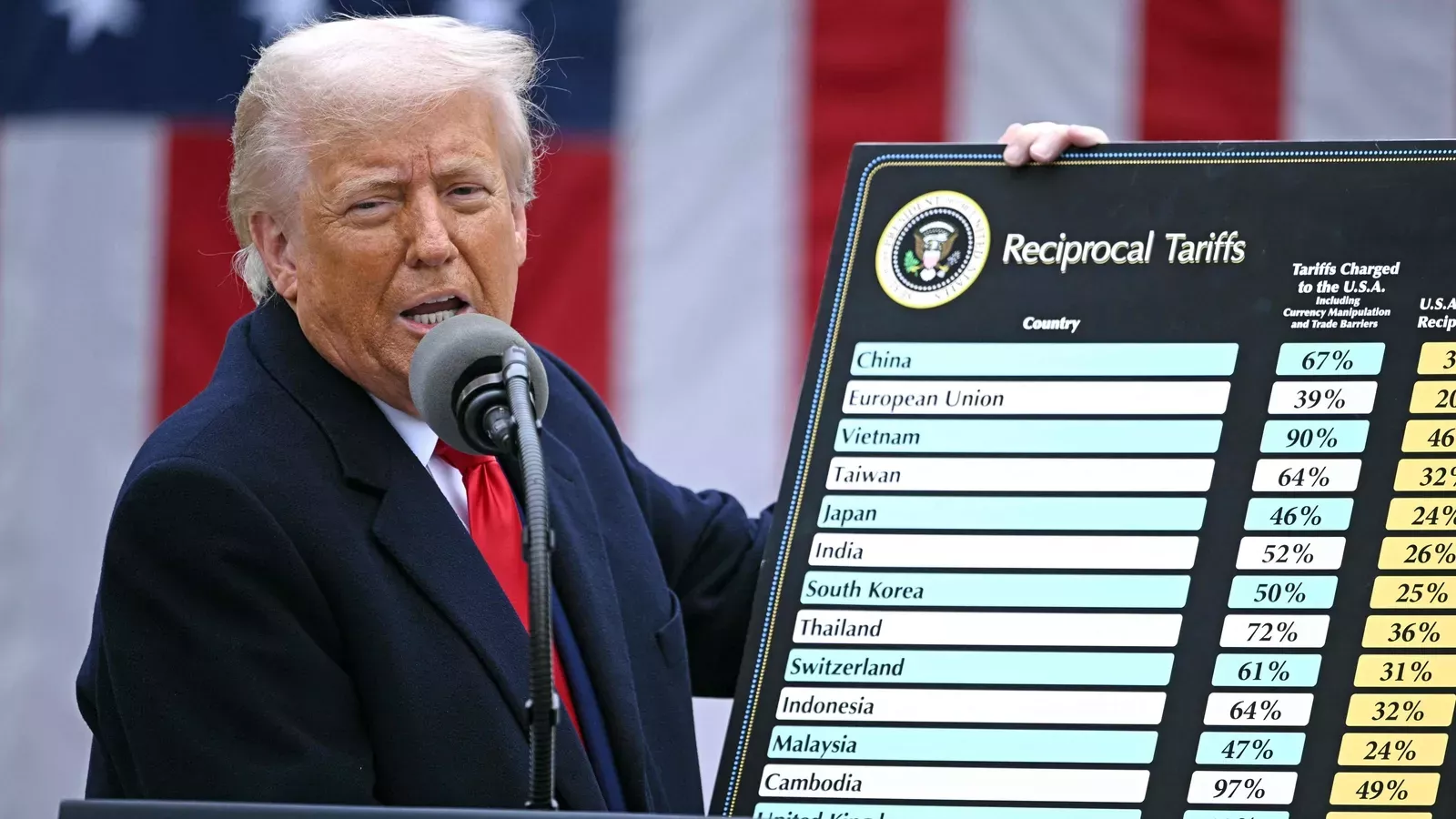
Flying to Alaska, Trump told reporters on the plane that he would soon, within a few weeks, introduce new tariffs on steel, semiconductors, and computer chips. Although this seems like Trump's message to the world, it essentially concerns Taiwan, a US ally and the largest producer of chips for mobile phones sold in the United States.
At the beginning of August, Trump announced a hundred percent tariffs on Intel chips imported into the United States, without specifying when they would take effect. He also said at the time that they would not apply to semiconductors from companies that committed to starting production in the United States, which is another common policy of the Trump and Biden administrations.
An Offer and a Threat to China
From these few messages from Trump, Chinese officials could read a lot, even if their reactions do not show it. In the typically bland diplomatic statements of spokespersons for various Chinese institutions, Beijing reiterated its well-known positions.
However, the Chinese could not fail to notice that Trump is putting Ukraine in a situation where it has to admit that Crimea is Russian because it cannot retake it militarily, and that there is no entry into NATO because he agreed to it with Putin.
Furthermore, the threat of new tariffs concerning Taiwan means that Trump is signaling that the United States will not need the breakaway Chinese island forever. In other words, Taiwan must fight harder for American favor, and China may get the green light to take over the island.
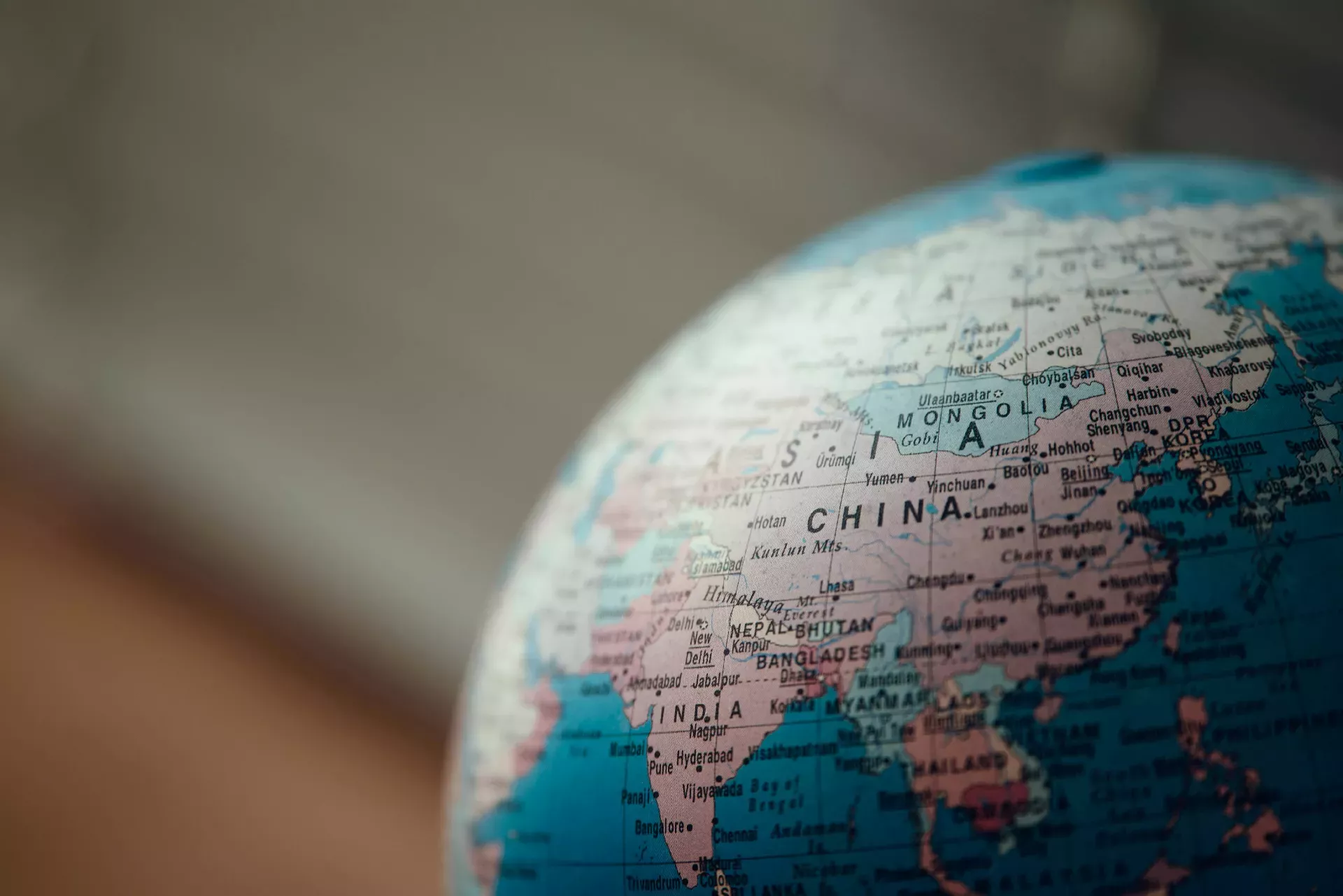
Such messages are certainly not welcomed by Taiwan, which literally depends on American military and diplomatic support. No one doubts that the United States will defend Taiwan in case of a Chinese invasion, but there are doubts about how. The Trump administration continued Biden's policy towards Taiwan. Defense Secretary Pete Hegseth said in June that "any attempt by Communist China to forcibly take Taiwan would result in devastating consequences for the Indo-Pacific and the world. There is no reason to sugarcoat it. The threat posed by China is real. And it could be immediate."
Hegseth's statement seems to comment on what Xi Jinping allegedly set as a deadline - Taiwan as part of China by 2027. The Chinese president said in December that no one can stop the "historical trend... of reunification" of Taiwan and China, as they are "one family."
These Trumpian lures for the Chinese seem to be just preparation for a summit between the two presidents, after they had one phone call in June, although Trump claims Xi Jinping also called him in April, which Beijing has not confirmed. Along with the stick (sanctions, restrictions, tariffs...), Trump has now presented the carrot (Taiwan) to the Chinese and is waving it like parts of Ukraine in front of Putin.
Whether and when the Chinese president will meet Trump is currently unknown, but it is clear that it will also depend on the outcome in Ukraine. Republican Senator Lindsey Graham, who is close to Trump, also warned him about this. Referring to the possibility of a Ukrainian deal, Graham said two weeks ago that "if it ends in a way that looks like Putin is too rewarded, Taiwan will follow."
Graham's warning shows the full seriousness of the moves Trump is making in his relations with Russia and China, or rather with American allies who expect protection from Washington. Trump is testing the current and future policy of the United States on these two issues.
Komentari (0)
Prijavite se za komentiranje
PrijavaJos nema komentara. Budite prvi!
Minuta
Sve →Iz drugih kategorija

High Representative Not Elected: Germans, French and British Against Americans, New Attempt at End of June

ČOVIĆ WITHOUT MERCY: How Those Who Brought Ademović to Office Created a Political Hell for Him



Sunny Saturday, quite warm



Tragedy in Albanian resort: Two minors drown












