
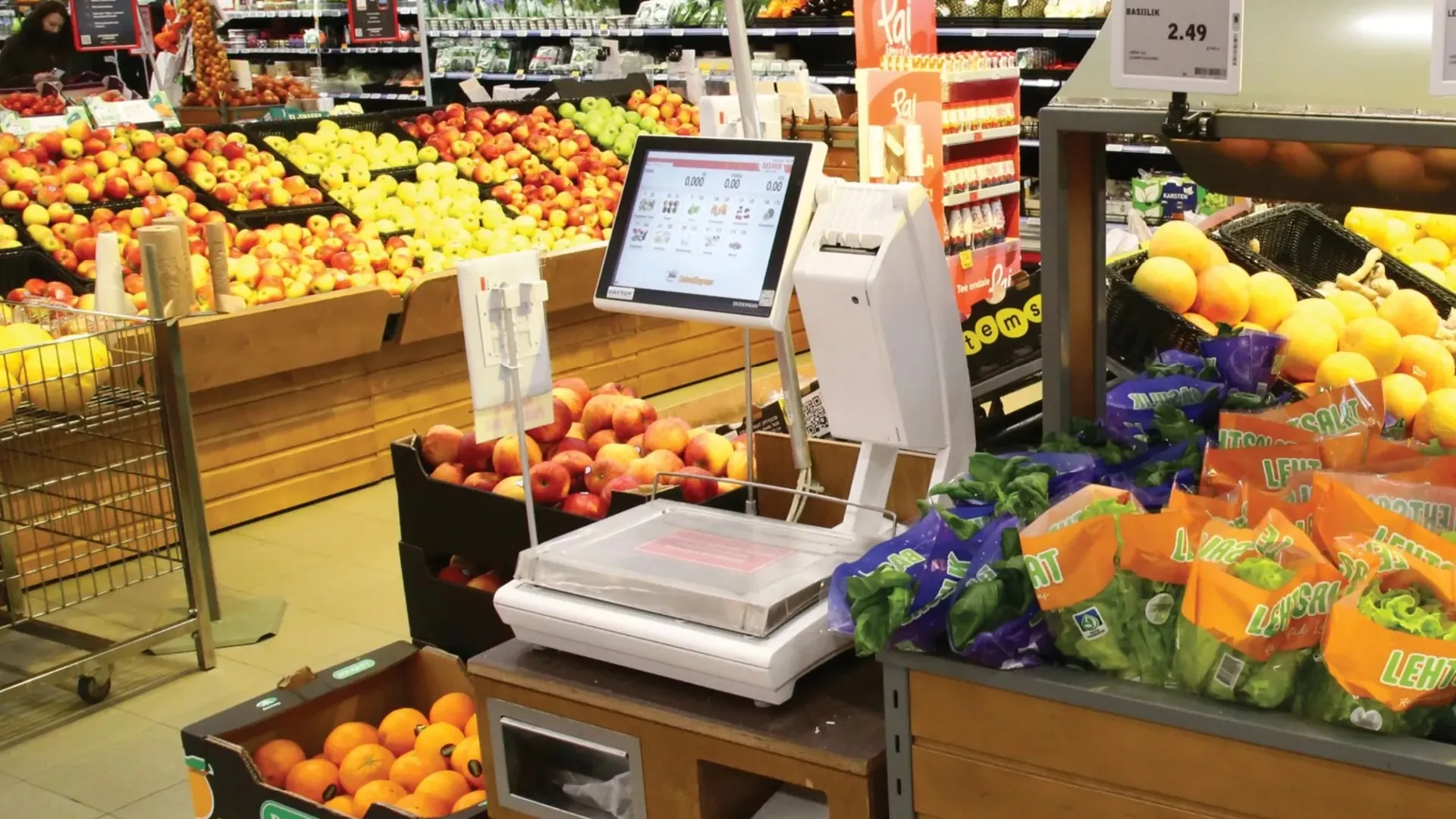
(Patria) - More than two months after the start of the war in Iran, the conflict has not yet reached most shoppers at supermarket checkouts.
The retail giant "Carrefour" insists that prices have not changed, and the German discount chain "Aldi" claims the same.
However, this will not last.
The war in the Persian Gulf leads to higher bread prices through three slow steps: gas becomes fertilizer, fertilizer feeds crops, and crops become food.
Each step takes weeks, and the entire cycle takes months, writes Politico, as reported by Index.hr.
A Matter of Timing
- Most of the food currently on supermarket shelves was produced from raw materials acquired or contracted before the full outbreak of the crisis.
The current stability is therefore largely a matter of timing, not market resilience, says David Laborde, head of the Agro-Food Economics Division at the UN's Food and Agriculture Organization.
Europe produces its own nitrogen fertilizer, but uses imported gas for it. When disruptions in the Gulf raise gas prices, European fertilizer also becomes more expensive.
Since Iran's retaliation to US-Israeli attacks closed the Strait of Hormuz - a key maritime route, gas prices have jumped by 59 percent, and some fertilizers by up to 50 percent.
In Germany, urea, the best-selling fertilizer, is now selling for around 550 euros per ton, up from approximately 370 euros before the war.
Consumers will first feel the fuel costs, by late summer. The blow from fertilizer prices comes later.
European farmers were lucky for the spring sowing. Most stocked up on fertilizer before the war, and European Commission officials say needs for this season are "largely secured." But that luck is running out.
Farmers are now ordering fertilizer for the autumn sowing, but the math doesn't add up. Wheat is selling at the same price as before the war, while fertilizer costs have increased.
Some growers are therefore reducing nitrogen use, while others are switching to crops that require less of it.
Both choices lead to lower yields in 2027, when consumers will finally feel the consequences of the war.
Some countries did not even have supplies for the spring. Ireland has almost no domestic fertilizer industry, and 90 percent of its agricultural land consists of grasslands that need nitrogen throughout the season.
Most Irish farmers, says Noel Banville from the Irish Farmers' Association, only start purchasing in February and continue until September. They did not buy in advance and are now signing orders at war prices.
In Sweden, a medium-sized agricultural player in the EU, the national farmers' union has calculated that the war has already cost its members 160 million euros, or 12 percent of their profit.
- Farmers who have fertilizer in stock can continue to operate as planned. Those who don't will use less fertilizer, have lower yields, and will eventually pass on the costs to consumers, warns Ingrid Rydberg from the LRF union.
In response to the disruption, the Commission has taken measures to mitigate the energy crisis and eased state aid rules to help farmers.
However, fertilizer is a more difficult problem. Europe's dependence on imported gas for nitrogen production has been building for decades. The Fertiliser Action Plan, which Commissioner for Agriculture Christophe Hansen will present on May 19, was in development long before the war.
The plan is based on four pillars: reducing import dependency, boosting domestic production, promoting low-carbon alternatives, and helping farmers use less fertilizer.
None of these pillars offer a solution within the timeframe required for planting decisions for 2027. Building a fertilizer plant takes three to four years, and production in the EU is already 19 percent below 2019 levels.
Carbon Tax
Then there is the tax. The EU's Carbon Border Adjustment Mechanism (CBAM) for imported fertilizers came into effect on January 1 and imposes an additional charge on imports from countries with weaker climate regulations.
With rising prices caused by the war, this tax makes fertilizer even more expensive precisely when farmers need it most.
Italy and France want its application to be suspended, while Poland and Germany, where the bloc's largest nitrogen plants are located, want it to be maintained.
The Commission appears indecisive: according to two sources familiar with the matter, earlier drafts of the May 19 plan included CBAM relief, while the latest version does not.
- When the Middle East crisis ends, the cost of CBAM will remain, said Jean-Baptiste Boucher, communications director at Copa-Cogeci, the main EU farmers' lobby.
In Washington, President Donald Trump, whose airstrikes prompted the Iranian retaliation that closed the Strait of Hormuz, posts about fertilizer monopolies and sends the navy.
American farmers, who buy fertilizer just before planting and have less time for storage, are already feeling the consequences that Europe expects next year.
About 70 percent of them say they cannot afford all the necessary fertilizer this year, according to the American Farm Bureau Federation. The US Department of Agriculture predicts the smallest wheat yield since 1919.
Globally, the exposure is even more pronounced.
Brazil is facing a phosphate shortage of up to three million tons ahead of the September soybean sowing. Ethiopia, which transports 90 percent of its nitrogen fertilizer through Djibouti from the Gulf, has no alternative.
Meteorologists now estimate the probability of a strong El Niño at over 90 percent, bringing extreme weather conditions to the same regions already hardest hit.
The UN's World Food Programme has warned that another 45 million people could be pushed into acute food insecurity if the war continues beyond mid-year.
- This is not like the shock caused by the war in Ukraine. That was instantaneous. This is slower, but we know it's coming, notes Alvaro Lario, president of the International Fund for Agricultural Development, a UN agency established after a similar fertilizer and oil crisis almost 50 years ago.
China has worsened the situation. Beijing has suspended phosphate fertilizer exports until August, restricted nitrogen and potassium blends in March, and announced a suspension of sulfuric acid exports from May.
Export restrictions, Lario said, are the biggest remaining risk in the system - a move that turns a price shock into a shortage.
However, his broader message is that these crises are constantly recurring, every eight to ten years in the last half-century, and the structural solutions promised after each are rarely implemented.
The Commission's Fertiliser Plan, when presented on May 19, will be Europe's answer to that argument or its avoidance.
The first CBAM certificates are due on February 1, 2027. The next harvest will be planted before then. By then, prices at "Carrefour" and "Aldi" will likely have changed.
Komentari (0)
Prijavite se za komentiranje
PrijavaJos nema komentara. Budite prvi!
Minuta
Sve →Iz drugih kategorija

High Representative Not Elected: Germans, French and British Sabotaged Americans, New Attempt at End of June

ČOVIĆ WITHOUT MERCY: How Those Who Brought Ademović to Office Created a Political Hell for Him



Sunny Saturday, quite warm



Tragedy in Albanian resort: Two minors drown












